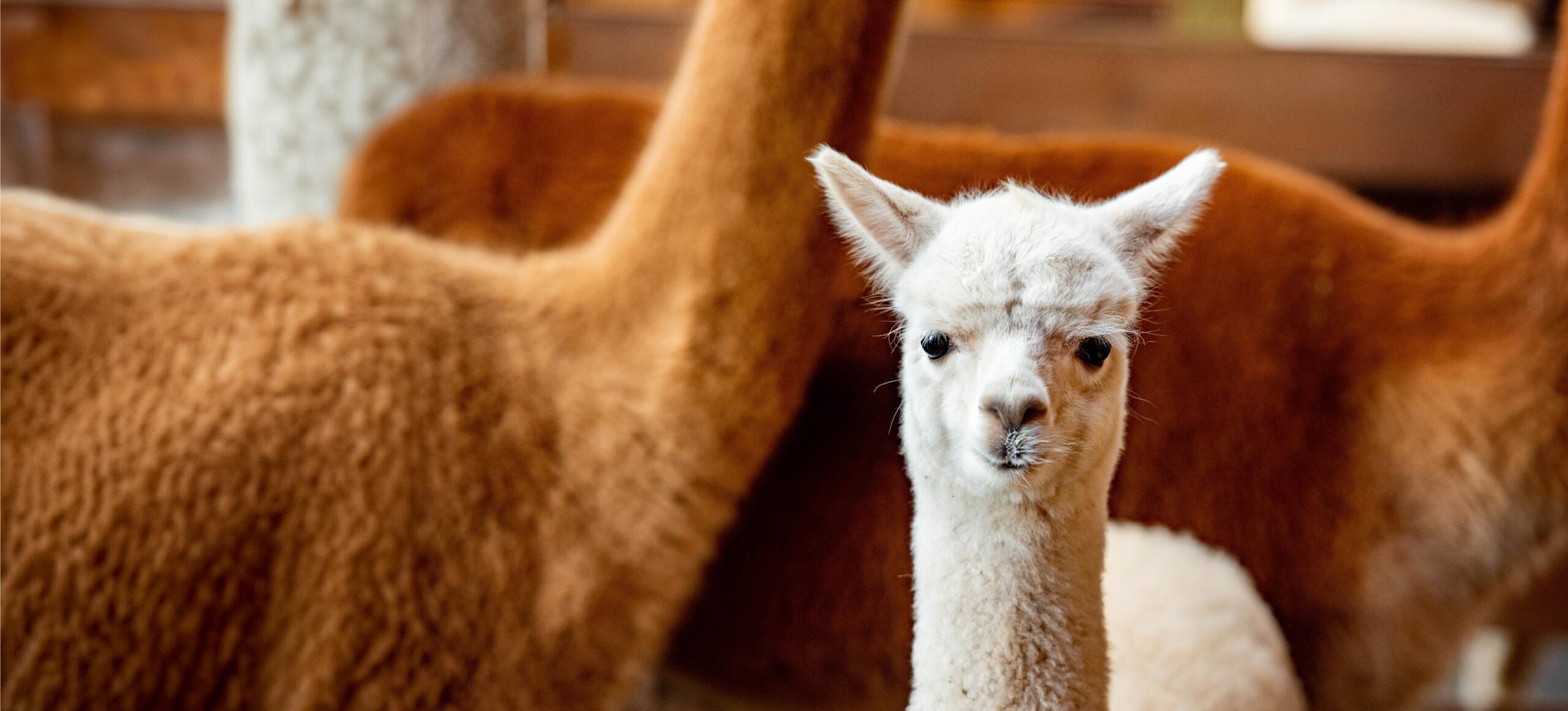
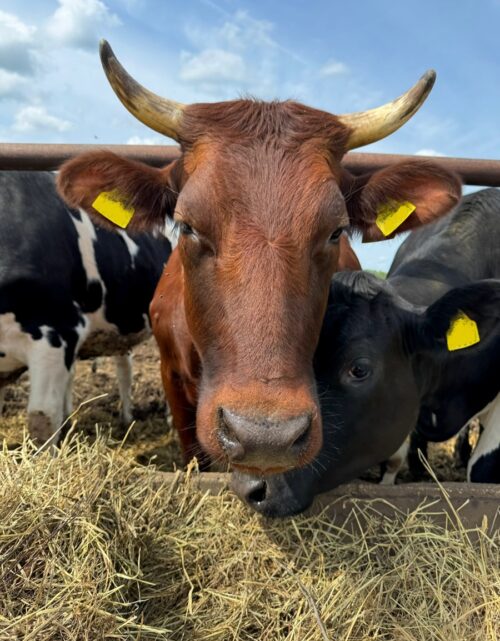
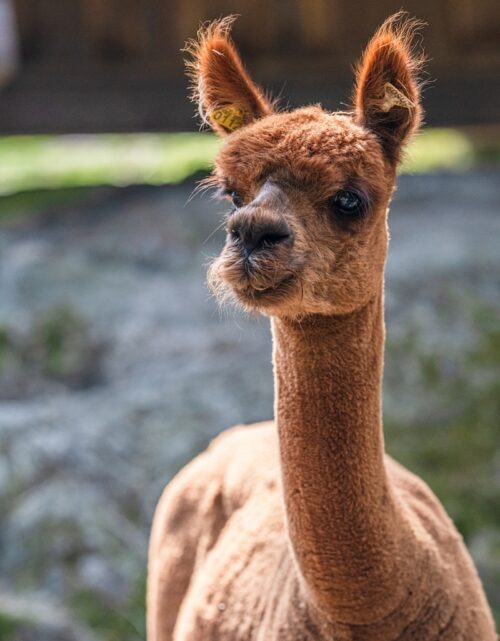
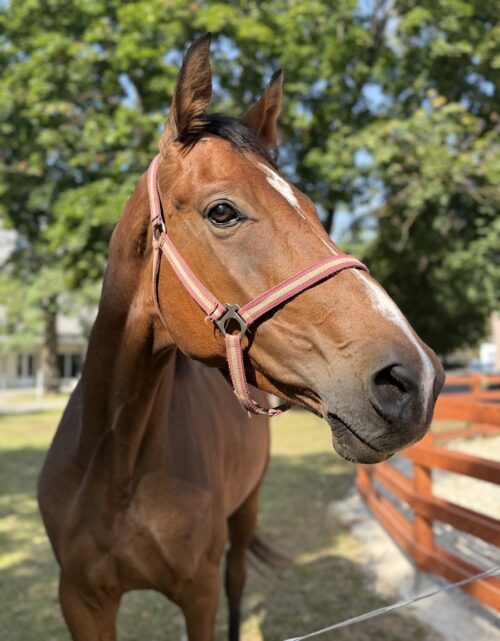
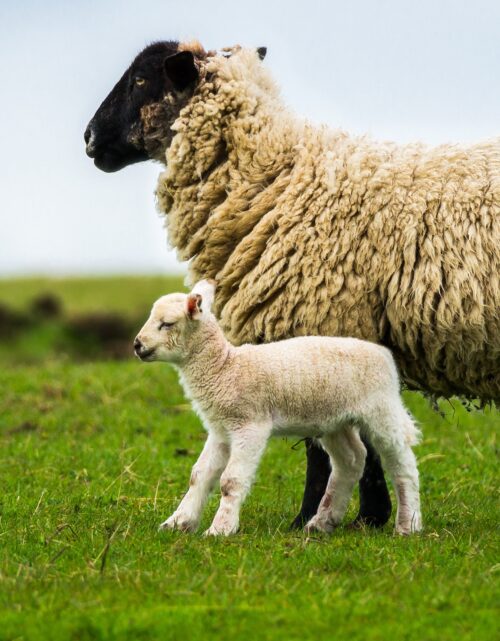
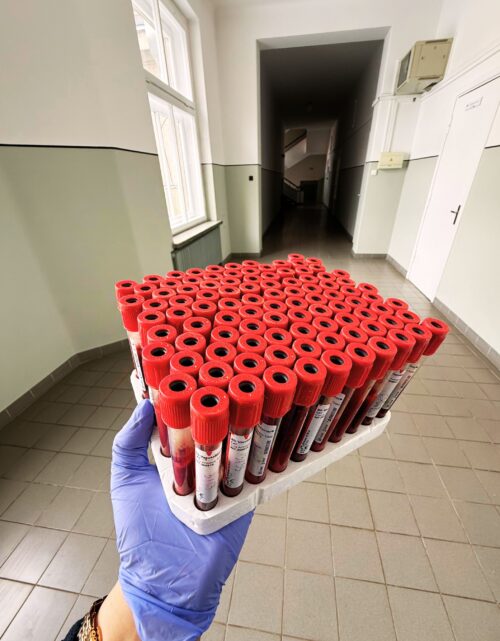
LSMU Large Animal Clinic provides top-level veterinary care for large animals, combining the most advanced scientific knowledge with academic expertise. We specialise in veterinary care for cattle, horses, sheep, goats, alpacas, and llamas, using modern diagnostics and innovative treatment solutions tailored to the needs of each farm.
The Large Animal Clinic is a unit of the Faculty of Veterinary Medicine under the LSMU Veterinary Academy and provides a wide range of specialised veterinary services 24/7.
OUR OBJECTIVES
To provide the highest level of veterinary care for large animals, using advanced diagnostics and science-based treatment methods.
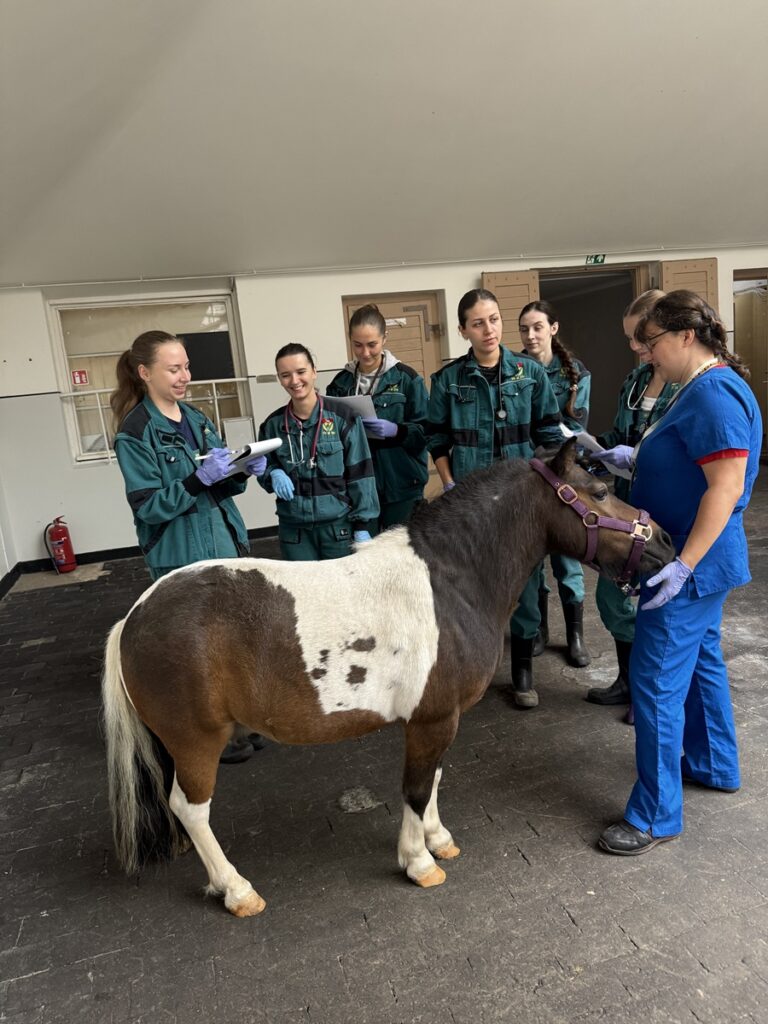
To train future veterinary doctors by providing a strong practical training base and opportunity to practise on real clinical cases.
To develop scientific research and innovation by creating and implementing advanced diagnostic and treatment solutions.
To advise farms and stud farms on improving animal health, reproductive performance and economic efficiency.
Research activities and projects
The Clinic collects, analyses and interprets data and conducts scientific research contributing to new knowledge about the diseases and physiology of cattle, horses and other large animals.
Our researchers are actively engaged in fundamental and applied research in the following areas:
the impact of heat stress on the health and productivity of dairy cattle:
integration of herd management data, behavioural parameters, environmental indicators, and milk quality;
development and application of heat stress risk indices;
application of artificial intelligence for animal health monitoring:
disease prediction models using behavioural, physiological, and environmental data;
development of early warning systems;
testing of biological markers (CRP, SAA, Hp, NEFA, etc.):
diagnosis of metabolic and inflammatory changes in early lactation;
validation of biomarker combinations for early disease diagnosis;
assessment of methane emissions and methane emission reduction technologies:
the impact of feed additives on methane emissions under real farming conditions.
The Clinic’s researchers participate in international and national projects and collaborate with universities and research centres in Germany, Austria, Belgium, Nordic and other countries.
Our researchers, doctoral students, professors and lecturers deliver presentations, poster presentations, participate in training courses and workshops, constantly improving their competences and integrating the latest knowledge into clinical practice and research.
Completed and ongoing projects:
Research group project “Use of biomarkers recorded by automatic health monitoring systems for early diagnosis of diseases after calving and reproductive success”; the Research Council of Lithuania; 01/04/2022–31/03/2025 (No. S-MIP-22-58/No. P-MIP-22-6).
R&D project “Evaluation of the effect of the innovative product “Optipartum – C+” on dairy cows during the transition period in times of heat stress”. No. 2024-PR-00059.
R&D project “Enhancing the resistance of calves to diseases using Bacillus subtilis endospores to reduce antibiotic use” (No. MTE-23-10).
Studies and educational activities
The Clinic as an integral part of LSMU Veterinary Medicine studies:
provides student practical clinical training with animals in real-life situations on farms, in stud farms, and at the Clinic;
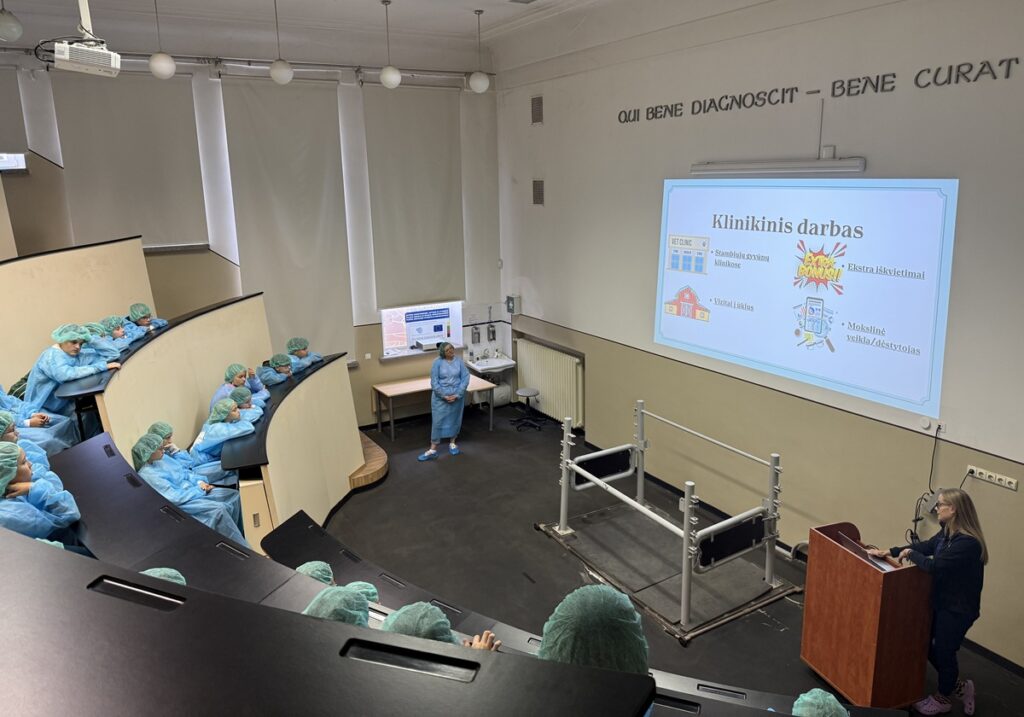
organises practical courses, training sessions and seminars;
enables doctoral research of global relevance, with presentation of the results at conferences and scientific publications;
delivers continuing education courses for veterinary doctors and farm specialists.
DISCUSSION CLUB: SCIENCE AND PRACTICE
The Large Animal Clinic regularly hosts a Discussion Club promoting critical thinking, scientific knowledge exchange and closer links between science and practice.
The discussions are held monthly, usually online, enabling participation by Clinic staff, lecturers, doctoral students and veterinary doctors from different regions of Lithuania and partner institutions.
Interdisciplinary approach
Discussion Club meetings bring together specialists from clinical veterinary practice, researchers, doctoral students, students, as well as representatives of animal husbandry, biotechnology, data analytics, food science and other related disciplines. This broad participation promotes interdisciplinary dialogue, provides different perspectives and fosters new ideas for collaboration.
Topics and structure
Each meeting discusses one or more relevant scientific articles related to:
cattle health monitoring,
new diagnostic technologies,
practical application of biomarkers,
heat stress research,
integration of machine learning methods in veterinary medicine,
reproduction, metabolic diseases, animal husbandry management and sustainability issues,
horse health, feeding, metabolic disorders, and welfare aspects.
The discussions include critical analysis of the articles, their findings, methodology, practical applicability, and possible directions for further research.
Open and lively space for idea exchange
This is the opportunity for you to:
listen to the specialists share their expert views and participate in the discussion of topical issues,
share your experience and insights,
update and deepen professional knowledge,
improve scientific analysis skills,
establish new contacts and interdisciplinary partnerships,
generate ideas for new research or clinical projects.
Information about upcoming meetings is shared through the Clinic’s internal channels and shared by email. We welcome everyone who is interested in veterinary science, innovation and its practical application!
Discussion Club meeting partners and sponsors
The activities of the Discussion Club are organised in cooperation with academic, business and professional partners who contribute to the dissemination of knowledge, the relevance of topics and the development of an interdisciplinary community.
Academic partners:
The Large Animal Clinic of the LSMU Veterinary Academy, together with researchers, doctoral students and lecturers, actively participating in the discussions and content preparation
LSMU Institute of Animal Science
LSMU Practical Training and Testing Centre
Representatives of LSMU Departments of Animal Nutrition, Animal Breeding, Food Safety and Quality, and other related departments contributing to the interdisciplinary approach.
The Lithuanian Association of Livestock Practitioners is one of the main partners and organisers of the Discussion Club meetings. The Association actively contributes to event planning, topic selection, and the organisation of discussions, thereby ensuring that the topics discussed are relevant to both practice and research. Cooperation with the Association helps to create a dynamic two-way interaction between science and practice, encourages a critical approach, the exchange of knowledge and the search for joint solutions.
Practical activities
The Large Animal Clinic provides a wide range of specialised veterinary services throughout Lithuania 24/7:
Diagnosis and treatment of internal diseases
Digestive, metabolic, respiratory, cardiovascular, and reproductive diseases
Intensive care and management of acute conditions
Field diagnostic services:
Clinical, biochemical, haematological and milk tests carried out on site or delivered to LSMU laboratories
Echocardiography, X-ray, and endoscopic examinations
Innovative health monitoring technologies
Farm data analysis, interpretation and recommendations
Reproductive health and fertility programmes
Preventive check-ups, ultrasound examinations, early pregnancy detection and calving/foaling performance monitoring
Mare insemination with cooled and frozen semen
Farm health audits and consultations
Comprehensive herd health assessment, including analysis of feed, environment, management and animal health
Development of strategic prevention plans for farms
SERVICES AND TREATMENT
Our Clinic treats horses, cattle, sheep, goats and other large animals suffering from internal organ and obstetric-gynaecological diseases, and performs general and obstetric surgery under inhalation or intravenous anaesthesia. Diagnostic laboratory tests are carried out using the latest diagnostic equipment, facilitating the accurate diagnosis of a wide range of animal diseases.
Regular implementation of preventive measures reduces the risk of disease, helps manage existing health conditions, enables faster diagnosis, allows timely intervention, lowers treatment costs, and prevents widespread outbreaks. The most common preventive procedures include annual vaccination, deworming, and vitaminisation.
Surgical procedures
Abdominal, ophthalmological, dental, and plastic-reconstructive surgeries
Routine daily surgeries, such as castration and various soft tissue surgeries
Trocarisation
Dental surgery – extraction of deciduous and permanent teeth
Gynaecological surgery – caesarean section, vaginal prolapse surgery, treatment of uterine prolapse
Ophthalmic surgery (eye surgery) – removal of the eyeball, surgical treatment of entropion (eyelid inversion)
Hernia surgery – umbilical, abdominal, inguinal
Other surgical procedures:
Surgical treatment of ear hematoma
Removal of salivary glands
Wound suturing
Removal of tumours
Removal of warts
Veterinary consultation
Consultations are available on a wide range of issues and can help you determine whether your animal requires examination or treatment.
Diagnostic tests
We perform early diagnosis of diseases, blood morphology, biochemical and hormonal tests, faecal coprology, skin scrapings, bacteriological, urine cytology, express tests, cytological and histopathological tests, and tests for infectious diseases. The test results are evaluated based on our long-term experience, and appropriate treatment is prescribed.
Examination of foaling performance and reproductive organs
Examination of internal organs, muscles, tendons and joint injuries
Endoscopy:
Examination of the upper respiratory tract (laryngoscopy) – important for sport horses that may suffer from respiratory disorders (e.g. stridor)
Bronchoscopy – used to diagnose inflammation and infections of the respiratory tract
Gastroscopy – used to detect stomach ulcers or other digestive system disorders
Dental procedures
Horses’ teeth grow continuously, and an improper bite may lead to sharp edges that cause pain, mucosal damage, jaw problems, poor feed intake and chewing. The Clinic performs:
dental examinations and corrections (floating – filing down sharp edges)
tooth extraction
removal of wolf teeth
Procedures are often performed under sedation using specialised, modern dental equipment.
Surgical operations:
Orthopaedic surgery
Soft tissue surgery
Wound suturing, skin tumour removal
Hernia surgery
Obstetric and gynaecological surgery (Caesarean section)
Abdominal surgery
Castration (stallions)
EMERGENCY CARE
The Clinic provides 24/7 emergency care for horses:
Ketosis diagnosis – BHB (beta-hydroxybutyrate) in blood
Diagnosis of hypocalcaemia and hypomagnesaemia
Heat stress assessment – combined analysis of blood and biosensor data
Reproductive tests – progesterone and oestrogen concentration
Laboratory advantages
Rapid results – most tests are performed on the same day.
Integration with clinical data – where needed, our veterinary doctors provide consultations on laboratory tests along with the assessment of the animal’s condition, ultrasound, X-ray or biosensor information.
Research base – the laboratory also conducts scientific research activities (e.g., biomarker analysis, validation of innovative diagnostic methods).
Training base for students – students and residents are trained in the laboratory to perform tests, interpret results and understand their clinical relevance.
The Large Animal Clinic of the LSMU Veterinary Academy welcomes collaboration with:
farms seeking to improve animal health, productivity, and climate sustainability;
research institutions, technology developers, and specialists in biotechnology and artificial intelligence;
students and young researchers wishing to gain high-level clinical and scientific experience;
businesses interested in implementing innovative solutions in the livestock sector, developing technologies or collaborating in the creation of new products, services and scientific initiatives.
Large Animal Clinic of the LSMU Veterinary Academy
Tilžės g. 18, Kaunas LT-47181 (vehicle access from Erdvilo g. 6)