
Prof. Dr J. Skiecevičienė, Head of LSMU Institute for Digestive Research: A New Breakthrough Phase for the Institute
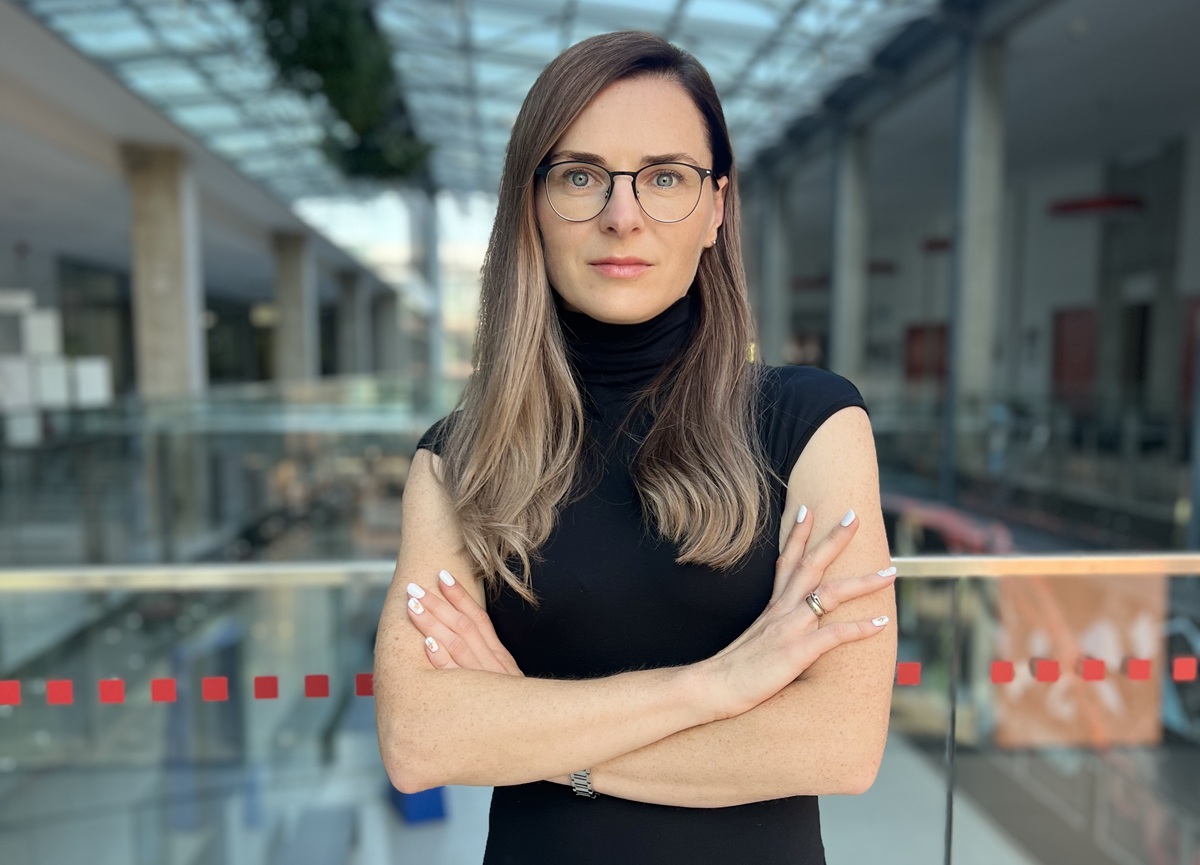
As of 1 March, Prof. Dr Jurgita Skiecevičienė, who has been with LSMU for almost two decades, will serve as the elected Head of the LSMU Institute for Digestive Research. The new Head of the Institute shares her first impressions, main objectives, and future plans in the following conversation.
An intense and inspiring beginning
The LSMU Institute for Digestive Research currently brings together fundamental molecular research, state-of-the-art experimental models, including intestinal organoid systems, multi-omics data generation, advanced bioinformatic analysis, and clinical value analysis, making sure that the laboratory-to-patient path remains consistent. The Institute boasts a solid research and infrastructure base, motivated team of experienced and young researchers, and is a leader in microbiome and precision medicine.
“The position of the Head of the Institute is not only the manifestation of trust put in me, but also comes with a great deal of responsibility for the consistent development of the Institute. My goal is to continue supporting our leading research areas and promote the emergence of new interdisciplinary initiatives, including the development of omics technology platforms, the growth of expert teams, and implementation of advanced experimental models, such as culturomics and microbiota-related innovations as well as gnotobiotic animal systems. We also aim to strengthen competences in systems medicine and artificial intelligence. The final goal is to integrate these platforms into a single data-driven translational ecosystem enabling close interaction between science, technology, and clinical practice and promoting interdisciplinary integration at the University,” – Prof. Dr J. Skiecevičienė shares her first impressions.
The new Head of the Institute has emphasised that she places her team at the centre. According to the Professor, a leadership position is a process that involves multiple factors as you need to bring people together, focus on strengthening the quality standards, and formulate a clear long-term vision. It is also important to make sure that the research results of the Institute are not only visible at the international level, but also contribute to overall scientific progress in healthcare.
The beginning of her career – molecular biology
When speaking about the beginning of her career, Prof. Dr J. Skiecevičienė has shared that she has always been interested in genetic and epigenetic mechanisms behind diseases and their applicability in medicine. In her doctoral dissertation, she explored the genetic characteristics of inflammatory bowel diseases, while her collaboration with the researchers in Kiel and postdoctoral fellowship in Germany helped her build a systems approach towards multi-omics data integration and translational medicine.
“Upon my return to Lithuania, I focused on the development of research into inflammatory and oncological digestive system diseases, in particular in the areas of microbiome and circulating biomarkers. My professional activities have always been based on the interdisciplinary model that brings together clinical practice, experimental models, and big data analysis,” – said the Professor.
According to Prof. Dr J. Skiecevičienės, she has been growing together with her team at LSMU for almost two decades, starting as a researcher, then serving as a head of a laboratory, and eventually becoming a professor and head of international and national projects. She was a co-coordinator of the Horizon Europe projects, including miGut-Health, and currently leads the LSMU team in the PerPrevCID project.
An h-index of 31 and more than 12,000 citations are indicators of research performance that reflect a long-term and systematic work on the international scale. The Professor’s professional path has been marked by significant recognitions, including the L’Oréal Baltic For Women in Science award and the Lithuanian Science Award in Biomedicine. “I consider these recognitions to be not just a personal achievement, but rather the recognition of the whole team and consistency in our research. I see the new position as a natural continuation of my professional path and the opportunity to use the scientific, organisational, and international experience that I have accumulated to strengthen the Institute’s strategic development and build a competitive long-term research ecosystem,” – emphasised Prof. Dr J. Skiecevičienė.
The new position of the Institute
The Institute is currently undergoing a major structural shift – it has separated from the LSMU Faculty of Medicine and become a separate unit under the LSMU Medical Academy. According to the newly elected Head of the Institute, this step enables greater strategic flexibility and consistent development of the research base for digestive system diseases and the microbiome by strengthening the related competences internationally and integrating them into the general research strategy at the University.
“I approach any reorganisation not as an administrative change but rather as a focused consolidation of the existing strengths and further qualitative growth. We aim to define a clearer structure of the research directions in the areas of microbiome, inflammatory and oncological digestive system diseases, and translational medicine; strengthen the integration between bioinformatics and multi-omics, as well as create more competitive conditions for the professional growth of young researchers. We are also set to participate more actively in international programmes and consortia in order to make the Institute more visible in the European Research Area,” – the Professor has shared her ideas about the reorganisation.
One of the key strategic priorities in the immediate future is the launch of the Kaunas-Kiel Microbiome and Precision Medicine Centre. This is a nationally funded international centre of excellence operating within the Institute structure and is the result of the long-standing strategic partnership with the Institute of Clinical Molecular Biology (IKMB) at Kiel University (Germany). The Centre develops a joint platform for infrastructure and competences that will enable a coordinated development of translational research in microbiome and systems medicine, strengthen the international integration, and support the long-term vision of the Institute.
“Another focus area will also include the strengthening of our international outreach, transfer of innovation and technology, and closer interaction between research and clinical practice. We aim to make sure that the Institute holds a strong position not only nationally but also internationally, so that it is clearly noticeable and competitive in the European research area,” – emphasised the new Head of the Institute.
The team is one of the Institute’s greatest strengths
The Institute boasts a strong and balanced interdisciplinary team of clinical researchers, molecular biologists and microbiologists, bioinformaticians, data science experts, doctoral students, and young scientists. This synergy, created by close collaboration between molecular biologists, bioinformaticians, and clinicians, is what Professor Skiecevičienė identifies as one of the biggest strengths of the Institute.
“Our ability to bring together fundamental molecular research and clinical practice enables us to develop meaningful solutions. I see the team as the greatest asset of the Institute. My goal is to create an atmosphere that promotes openness to ideas, academic freedom, and clear quality standards, where every researcher knows that their voice matters and sees the opportunities for professional growth. Science is not just a profession – it is a way of life. This means that while professional growth opportunities are highly important, the human balance needs to be maintained as well,” – Prof. Dr J. Skiecevičienė has been very positive about the Institute’s team.
When asked about building the team, she emphasised the plans to strengthen regular strategic scientific seminars, interdisciplinary project workshops, and a mentorship model for young researchers. More active efforts will be made to attract more international partners to our scientific events and to promote mobility in general.
“Strategically, our focus for the 2026–2031 period will centre on the development of interdisciplinary teams, attraction of international postdoctoral fellows, and definition of a clear career structure for young researchers. In terms of sustainability, it is also important to plan for the generational change, competitive project positions, and active participation in international frameworks. The growing generation of young researchers and their national and international awards show that the system is already in place and working. Success of a team is never a one person’s merit – success emerges from the joint vision, mutual trust, and consistent work,” – says the new Head of Institute.
Physical activity, reading, and family time
According to the new Head of Institute, research and leadership are highly demanding activities that need to be balanced out, and she makes sure that she has time for rest and family.
“Physical activity is what helps me recharge – maintain energy and a clear mindset, restore my inner balance after intense days full of decision-making. I also love reading – both professional literature and fiction. Reading helps you take a moment away from daily life, expand your horizons, and often find inspiration for new ideas. Most important, however, is the time I spend with my children and family. Being together helps maintain the clear outlook and reminds me that life is defined not only by our professional achievements, but also simple daily moments. The support of my family is what helps me combine the intensive international scientific work and leader’s responsibilities,” – says Prof. Dr J. Skiecevičienė.
Direction: from the laboratory to the patient
Prof. Dr J. Skiecevičienė follows a very simple principle – consistency, quality, and responsibility for the result are key in science, and long-term achievements result from systematic work and clear vision rather than quick decisions.
“I find the idea that quality always wins over rush very appealing. This is very important in the academic environment whether you are conducting research or teaching young researchers. I often compare science to a marathon – it requires patience, focus on the perspective, appropriate pace, and ability to maintain inner balance. I also remind myself that science has meaning only when it serves the benefit of people. Therefore, I strongly support the laboratory-to-patient approach. It helps me maintain focus and reminds me of why we are here and what the purpose of what we do is,” – emphasised Prof. Dr J. Skiecevičienė.