US NIH Director of Research Visits LSMU: Collaboration Opportunities Explored and Insights Shared
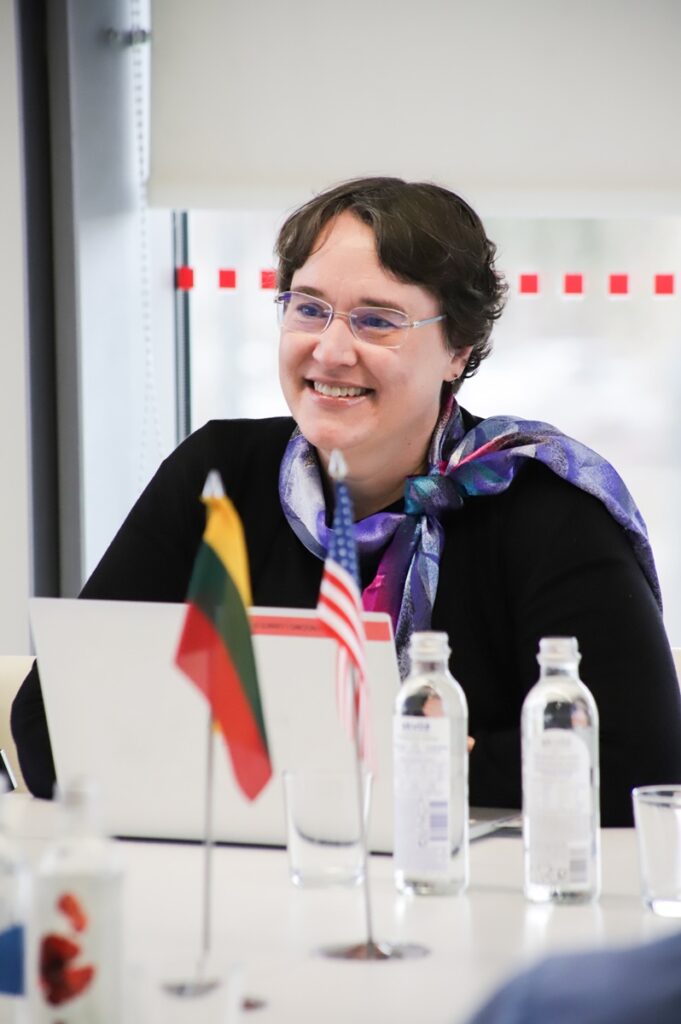
On 9 April, the Lithuanian University of Health Sciences (LSMU) welcomed Joyelle Kalei Dominique, Director of the Office of Global Research at the National Institute of Allergy and Infectious Diseases (NIAID), part of the US National Institutes of Health (NIH).
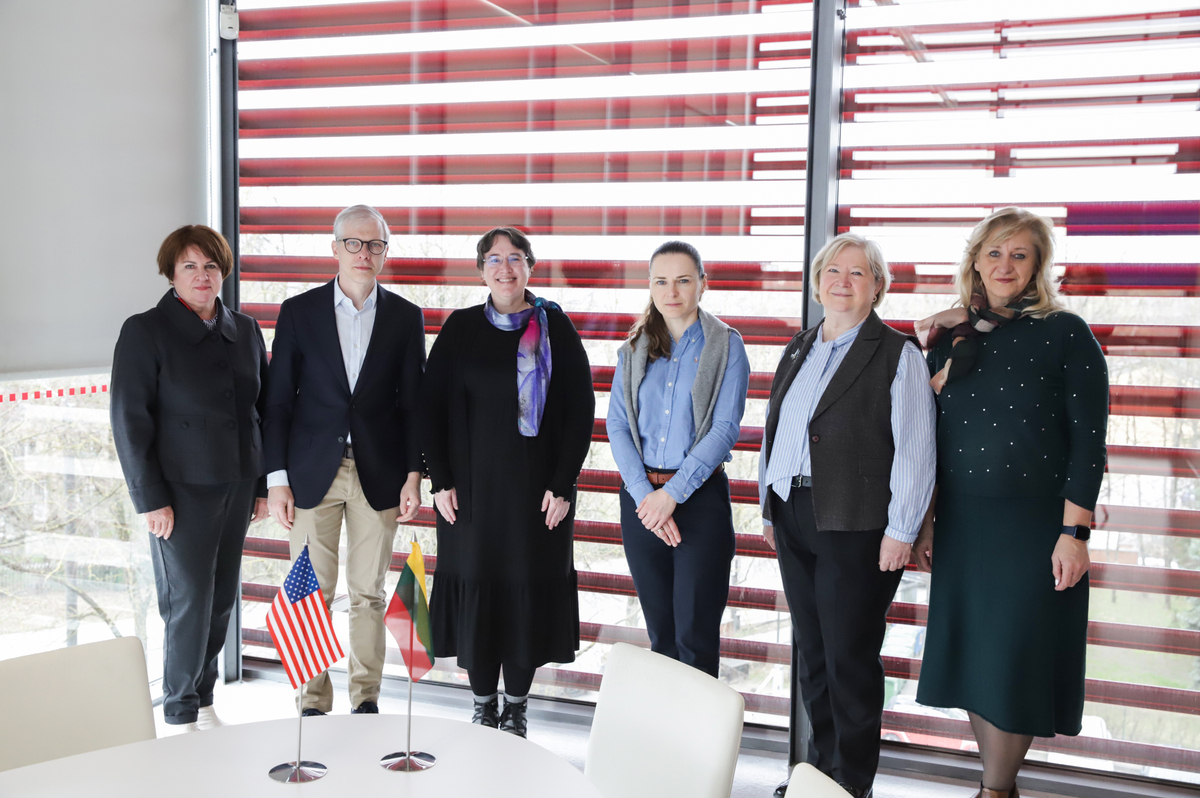
The guest was received by Prof. Dr Juozas Kupčinskas, Vice-Rector for Research; Prof. Jurgita Skiecevičienė, Head of the Institute for Digestive Research; Prof. Vilmantė Borutaitė, Head of the Biochemistry Laboratory, and Prof. Astra Vitkauskienė, Head of the Department of Laboratory Medicine.
Prof. Dr J. Kupčinskas, Vice-Rector for Research, presented the University’s structure and student body, LSMU Hospital Kauno Klinikos – the largest university hospital in the Baltic States – as well as the University’s institutes and its ongoing development.
“There is considerable potential for research and collaboration,” he emphasised.
During the meeting, discussions focused on strengthening awareness of research security and embedding its principles within the Lithuanian scientific community. The Director of the NIAID Office of Global Research showed particular interest in how research is conducted and in the activities of the University’s institutes.
The guest accompanied by Giedrė Gurevičiūtė-Demereckienė, a representative of the US Embassy in Lithuania was introduced to the University’s Biochemistry Laboratory and the Institute for Digestive Research.
“Many of the universities I have visited are not focused on the same areas of research as my own, so it was particularly interesting to gain closer insight into the biological, medical, and animal research conducted at the Lithuanian University of Health Sciences,” said Joyelle Kalei Dominique after the meeting. She added that it is essential to maintain dialogue on why research security matters and how risks can be mitigated.
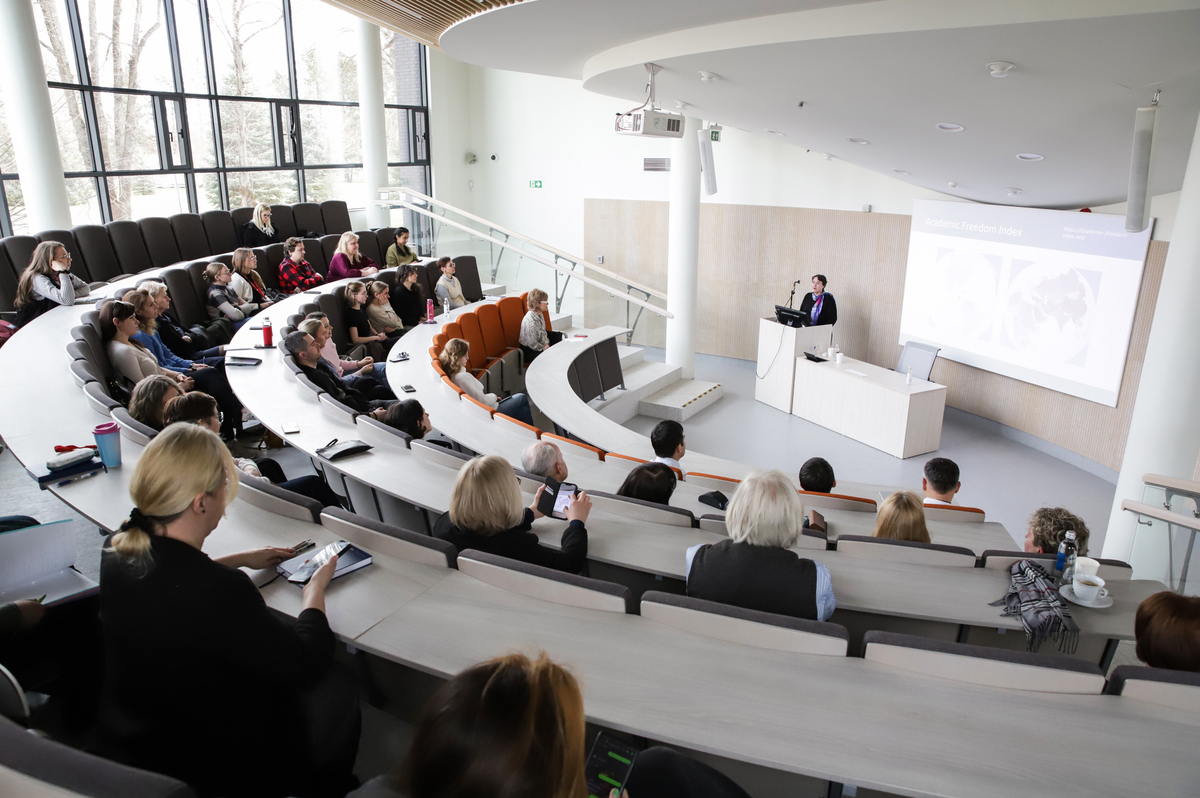
During the seminar on Research Security, J. Kalei Dominique discussed potential risks in international scientific collaboration, emphasised the importance of responsible partner selection and the protection of sensitive research information, and shared practical tools for risk assessment.
 View all photos