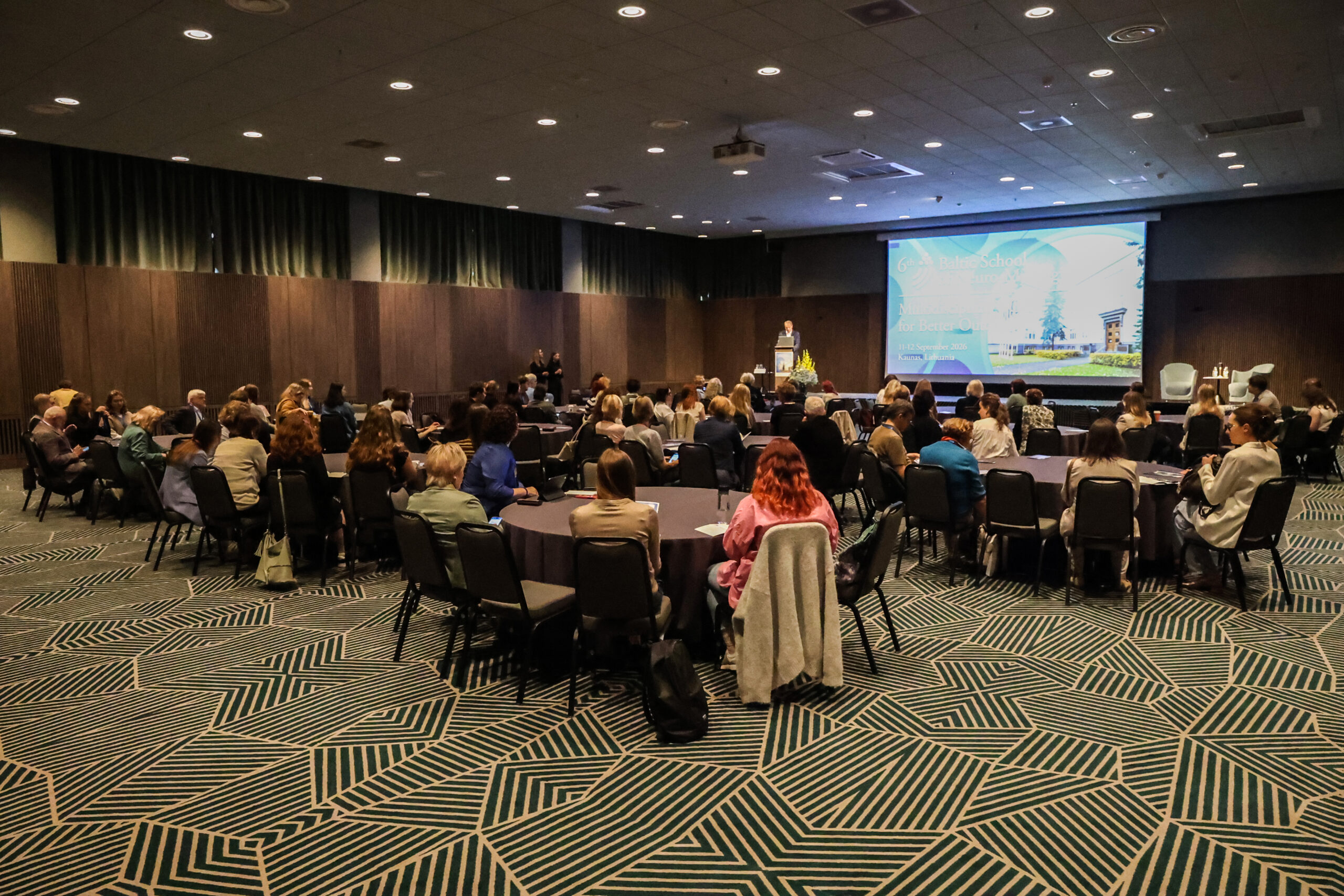
LSMU Veterinary Academy Marks 90 Years: Honouring Its Founders and Looking to the Future
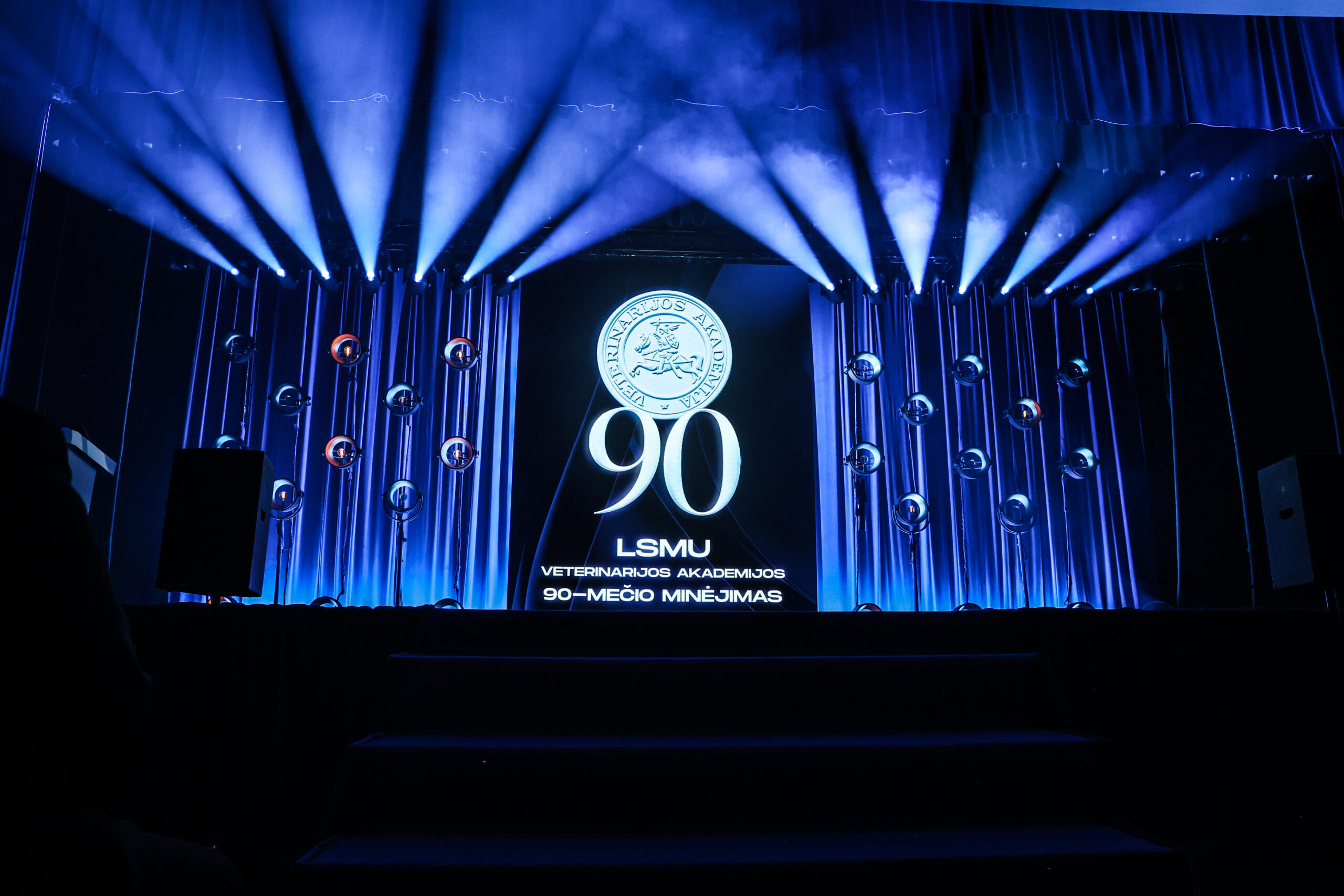
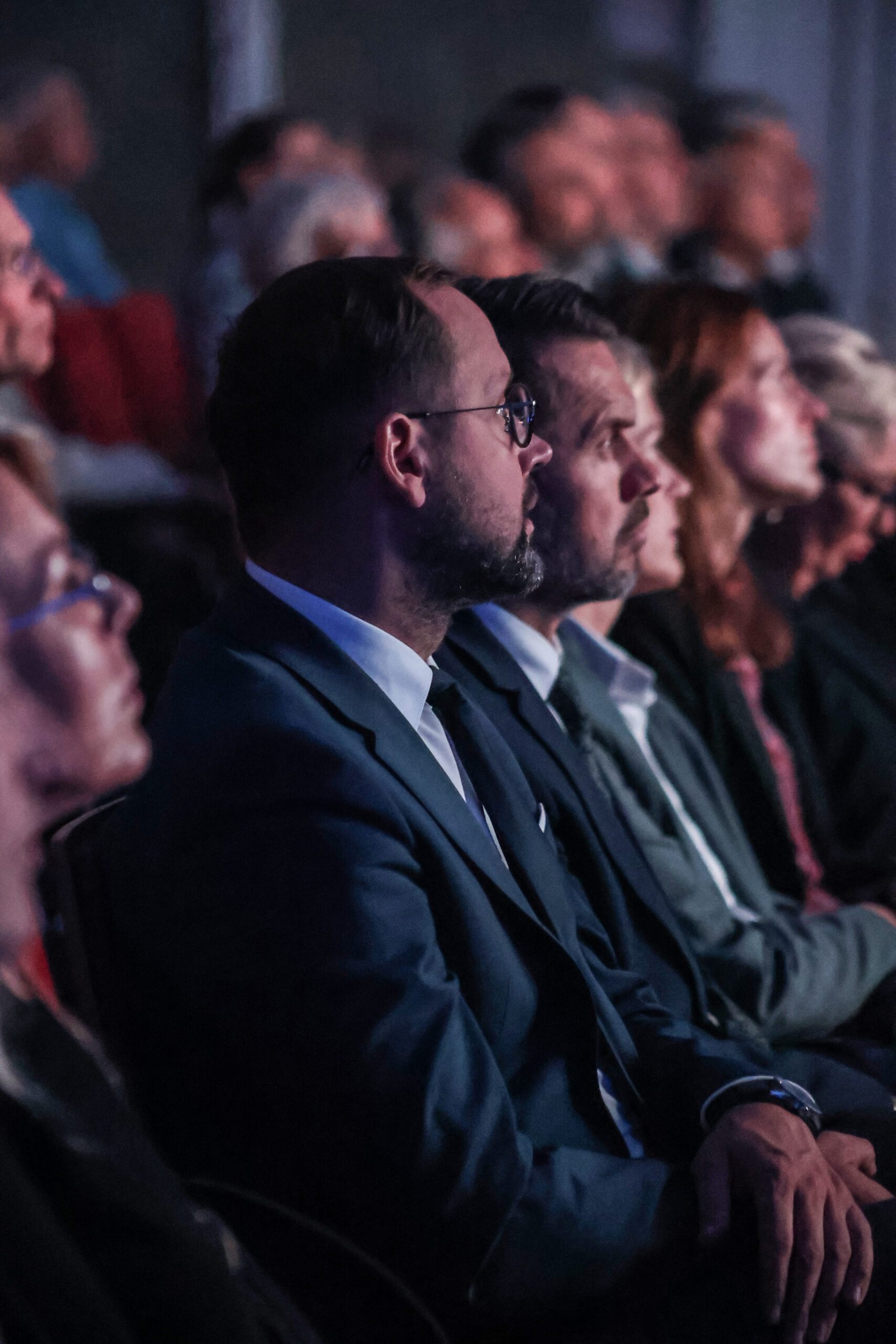
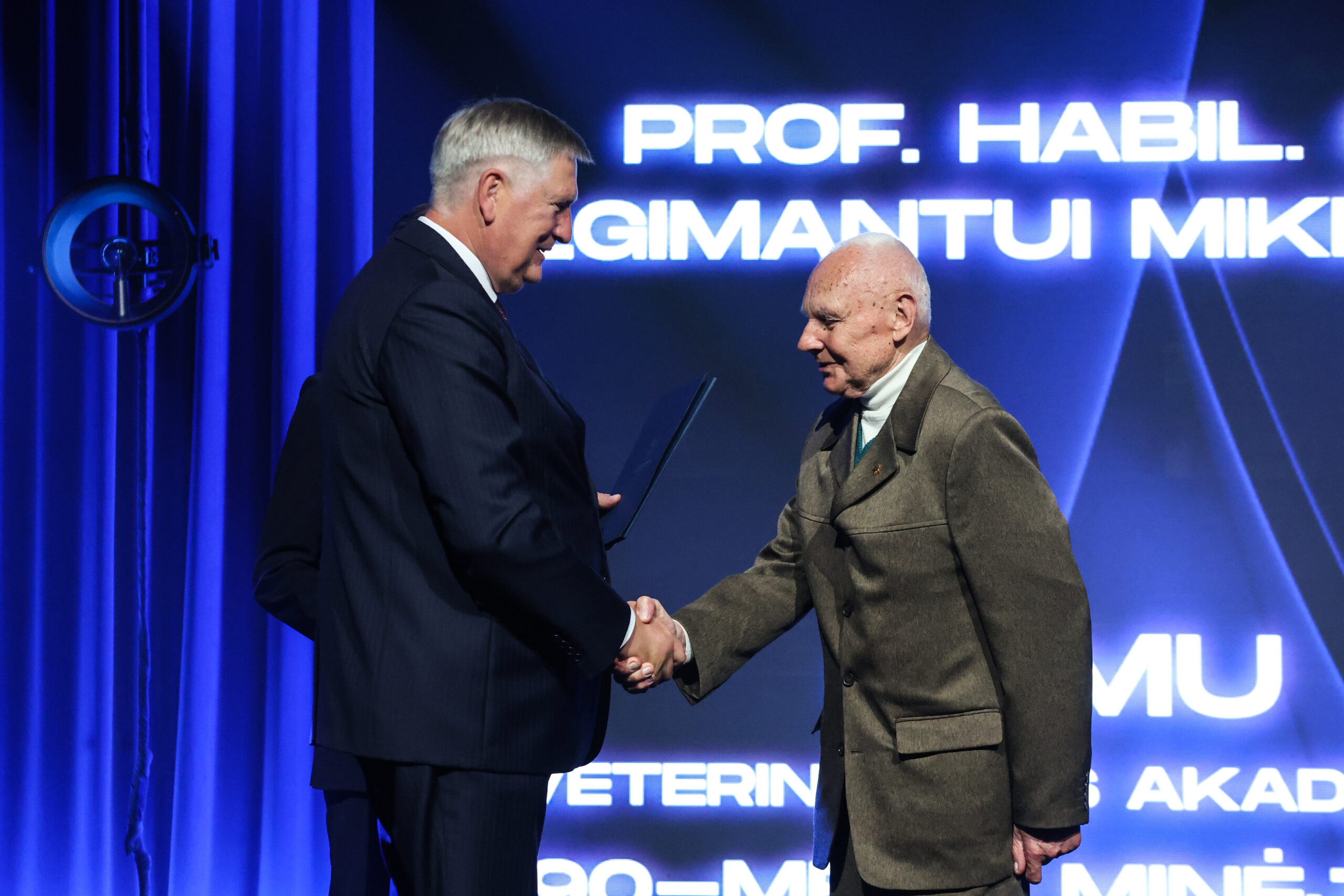
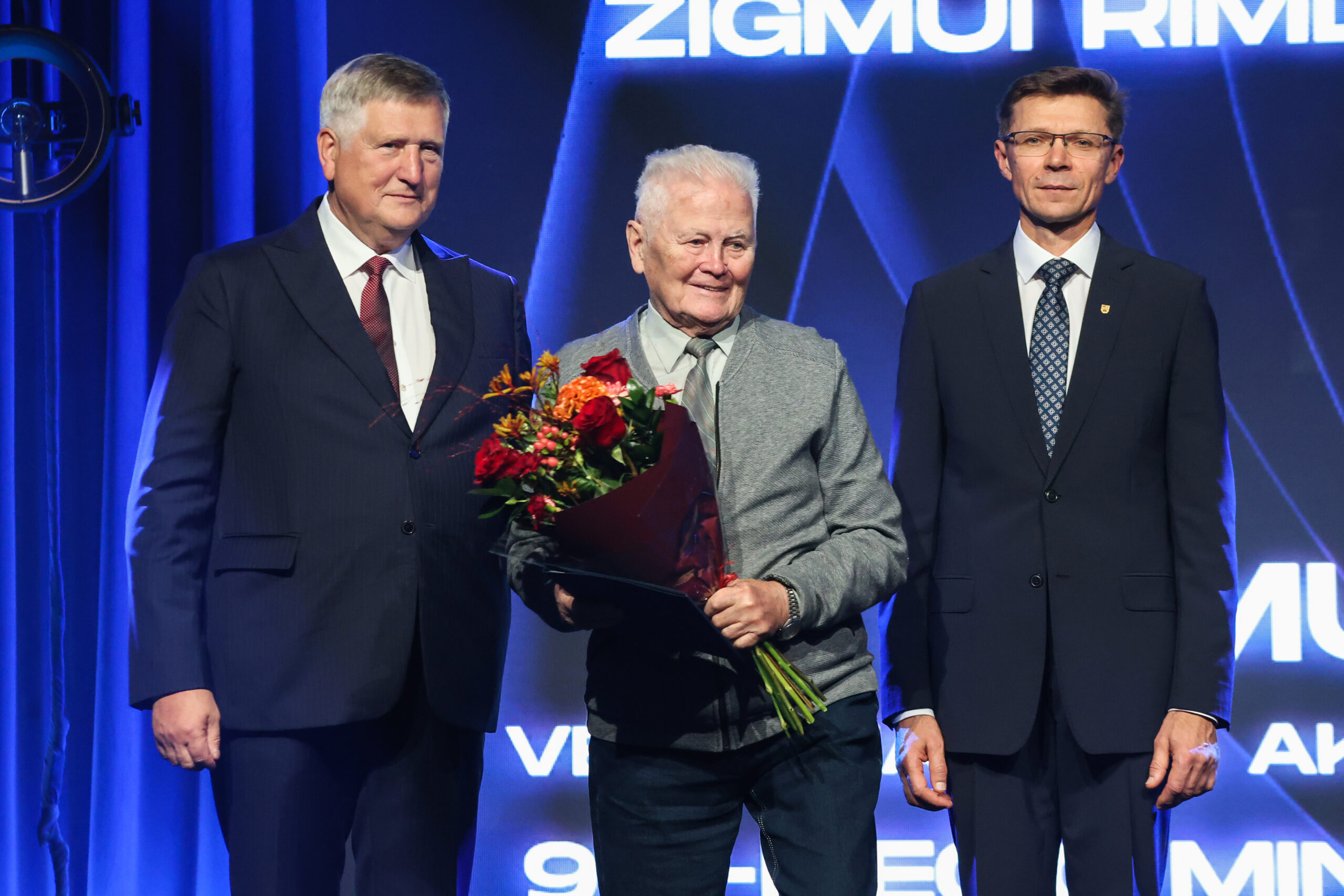
On 18 September, the Veterinary Academy (VA) of the Lithuanian University of Health Sciences (LSMU) marked the 90th anniversary of its foundation and activities with a formal celebration. The anniversary event honoured the founders of the Academy, reflected on its nine decades of development, and celebrated today’s advances in research, studies and veterinary medicine.
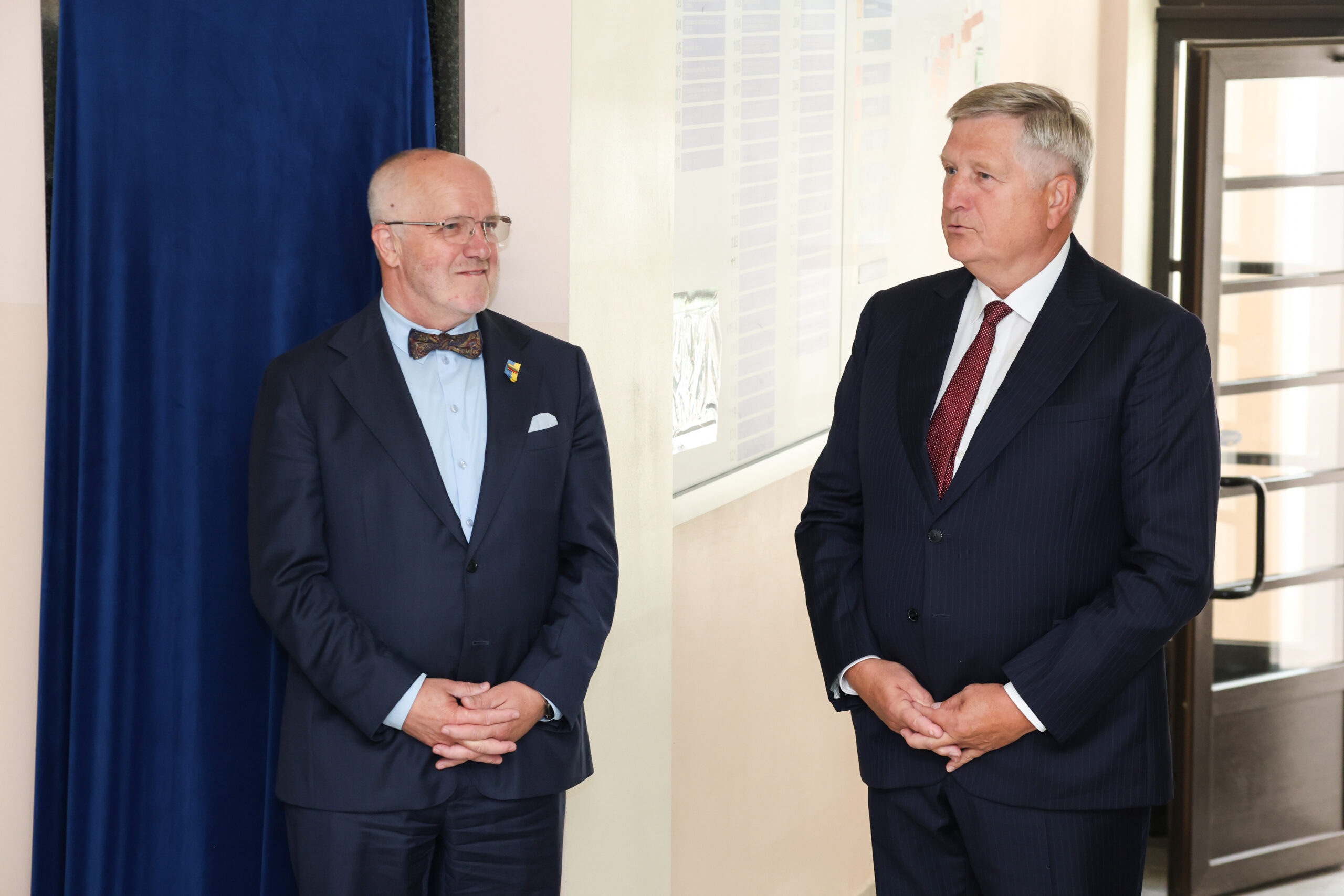
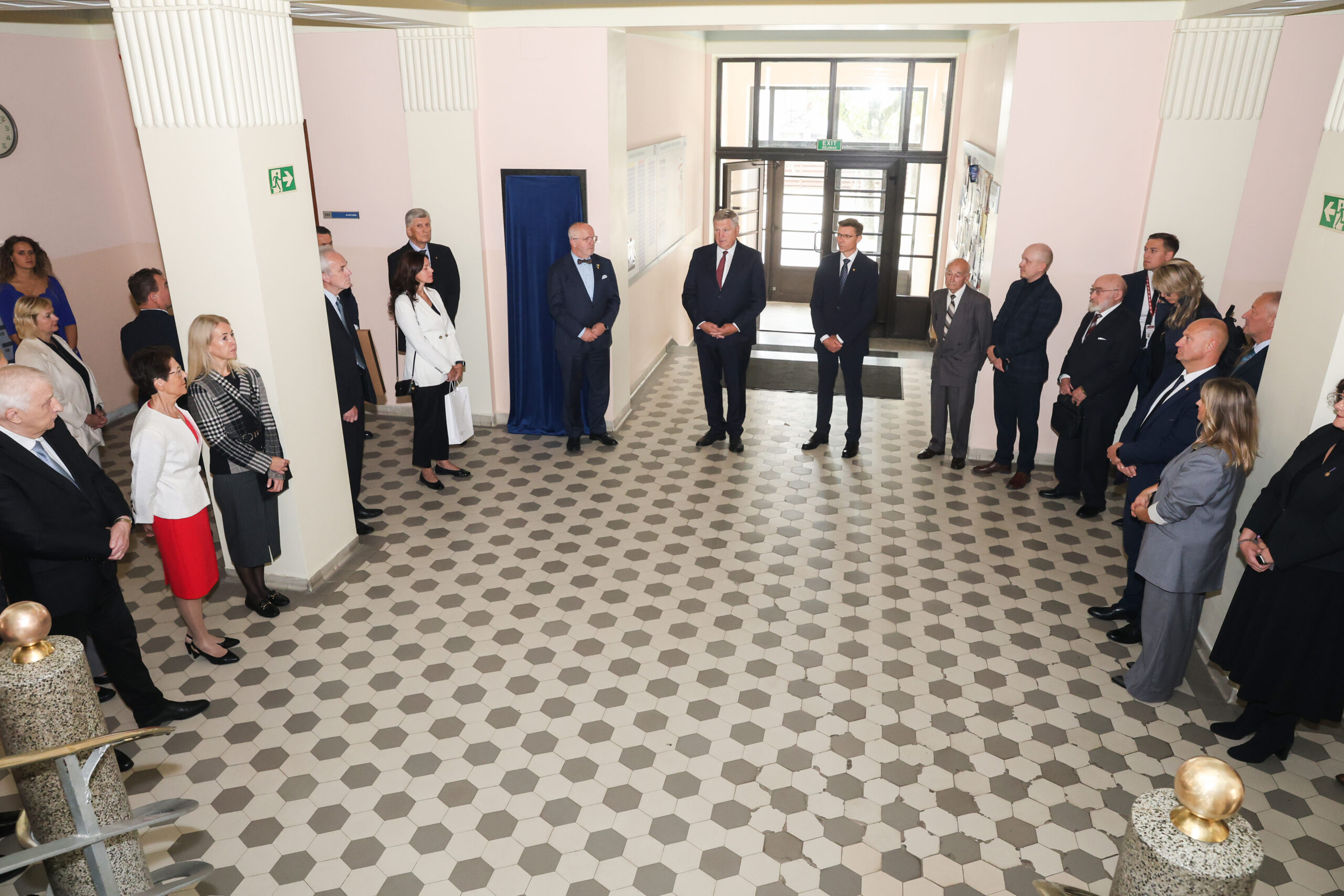
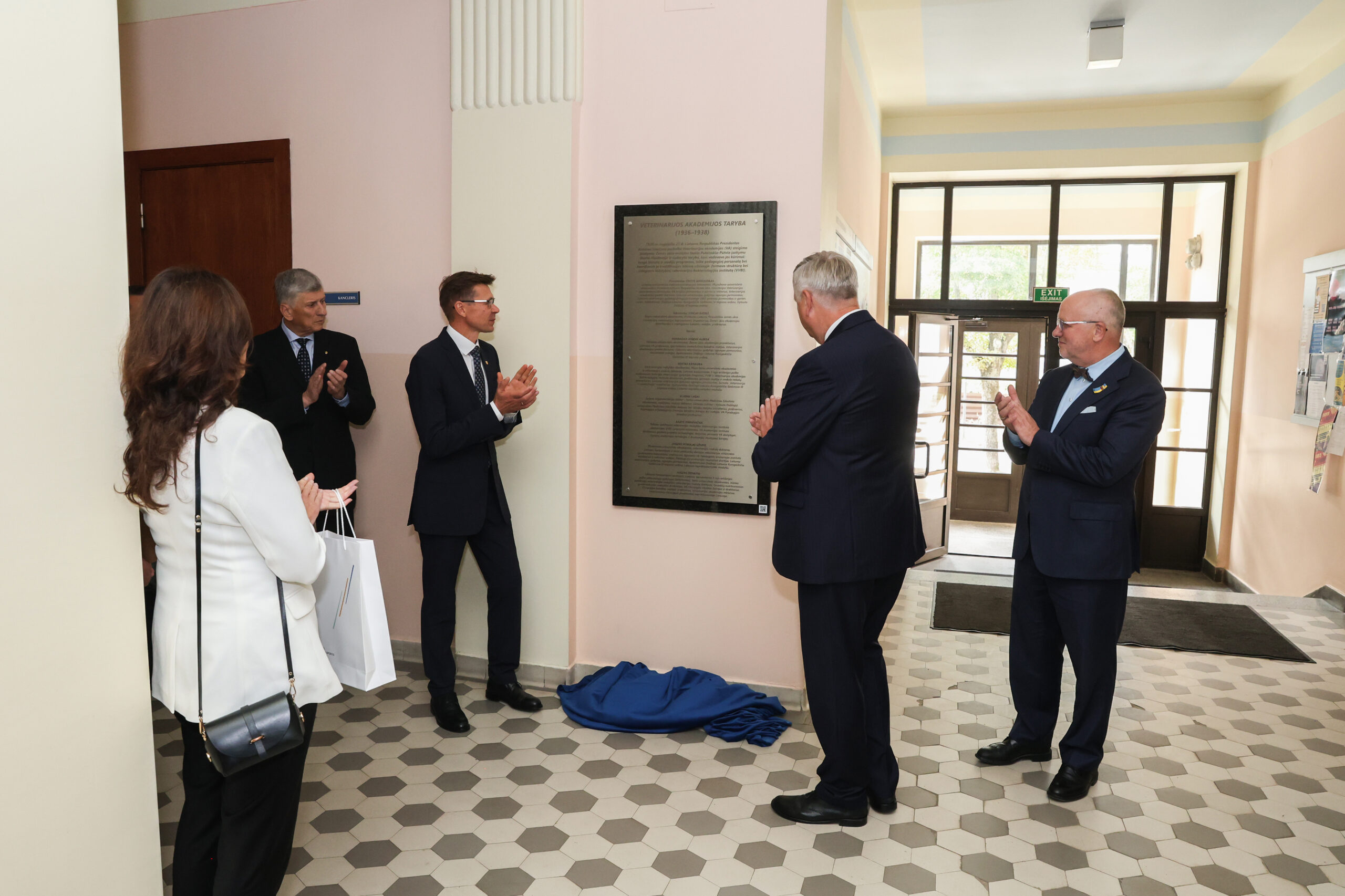
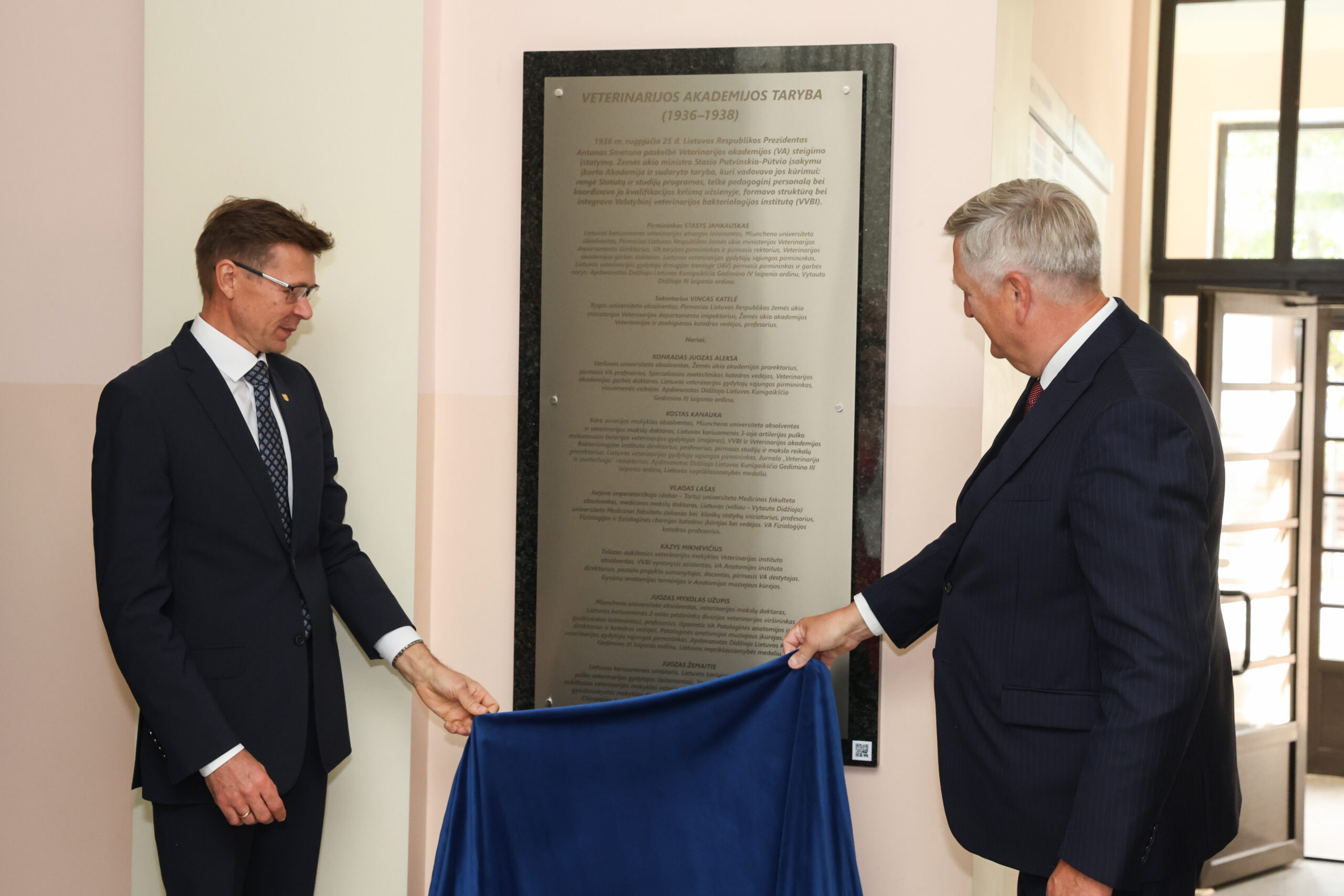
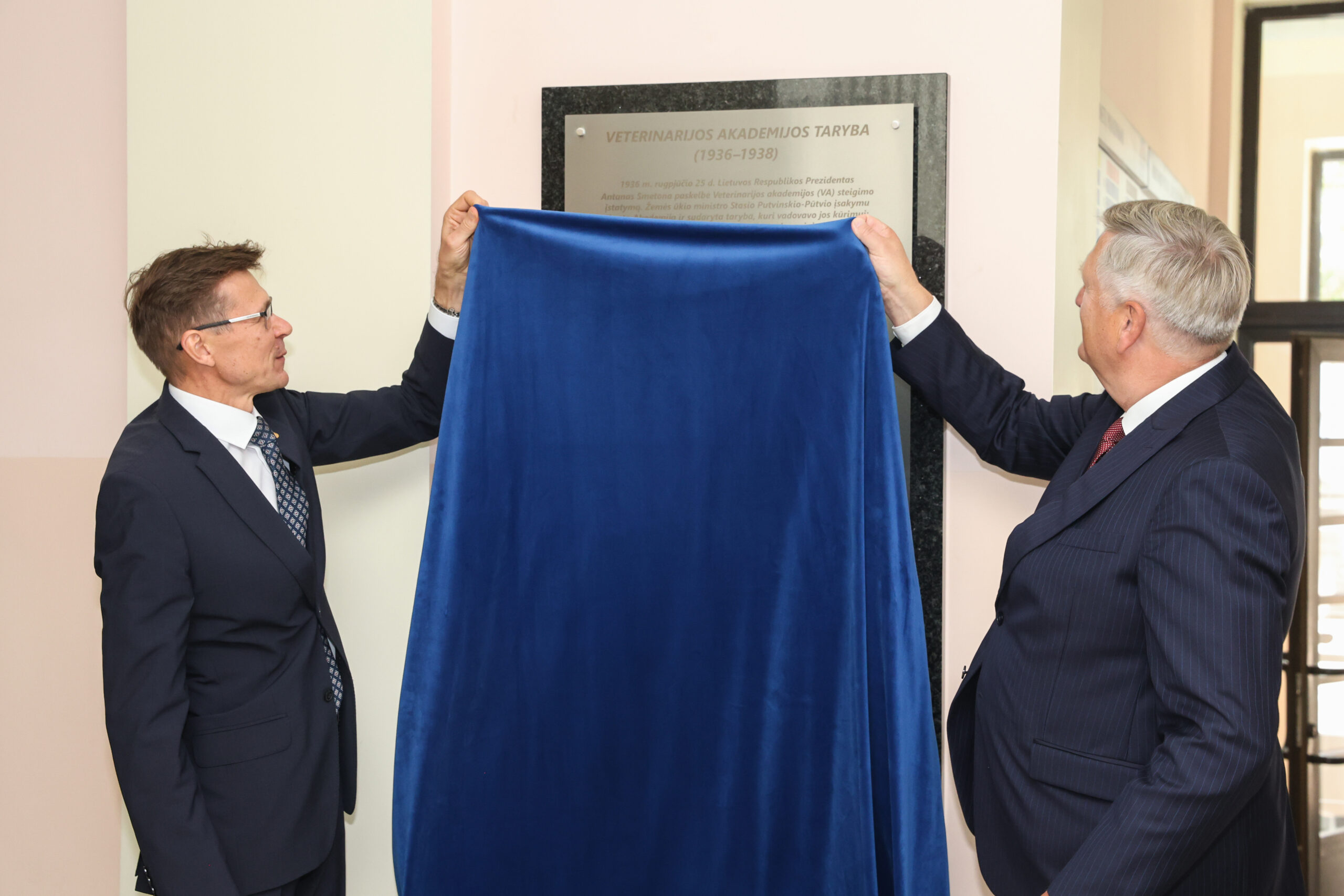
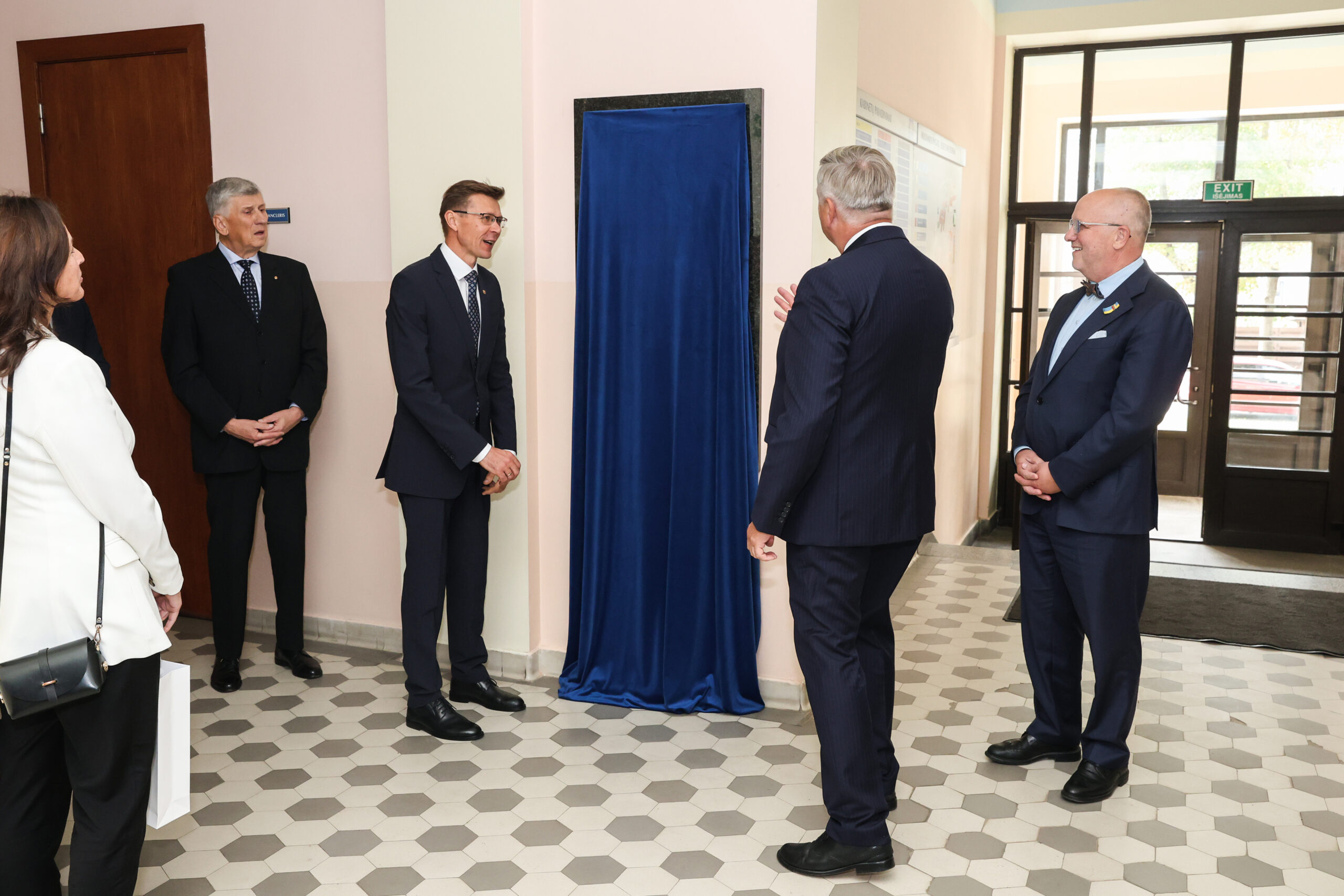
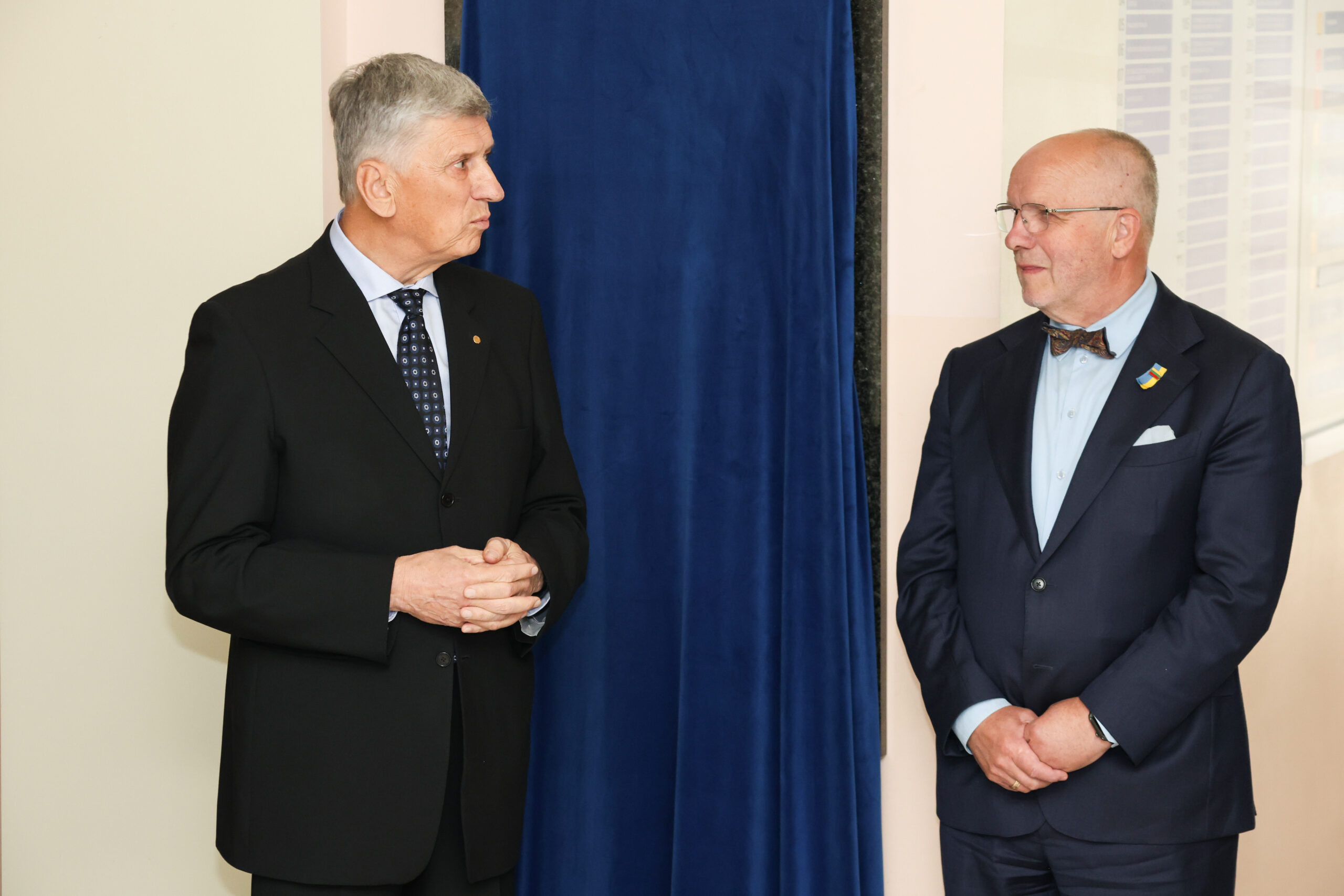
A commemorative plaque was unveiled in the main building of the Veterinary Academy in honour of the eight members of the Provisional Council of the Veterinary Academy, established in 1936 – the individuals who laid the legal, academic and organisational foundations for the future higher education institution.
This year also marks the 90th anniversary of the sculpture of the Vytis horse, a long-standing symbol of the Veterinary Academy.
From the founders’ idea to international research
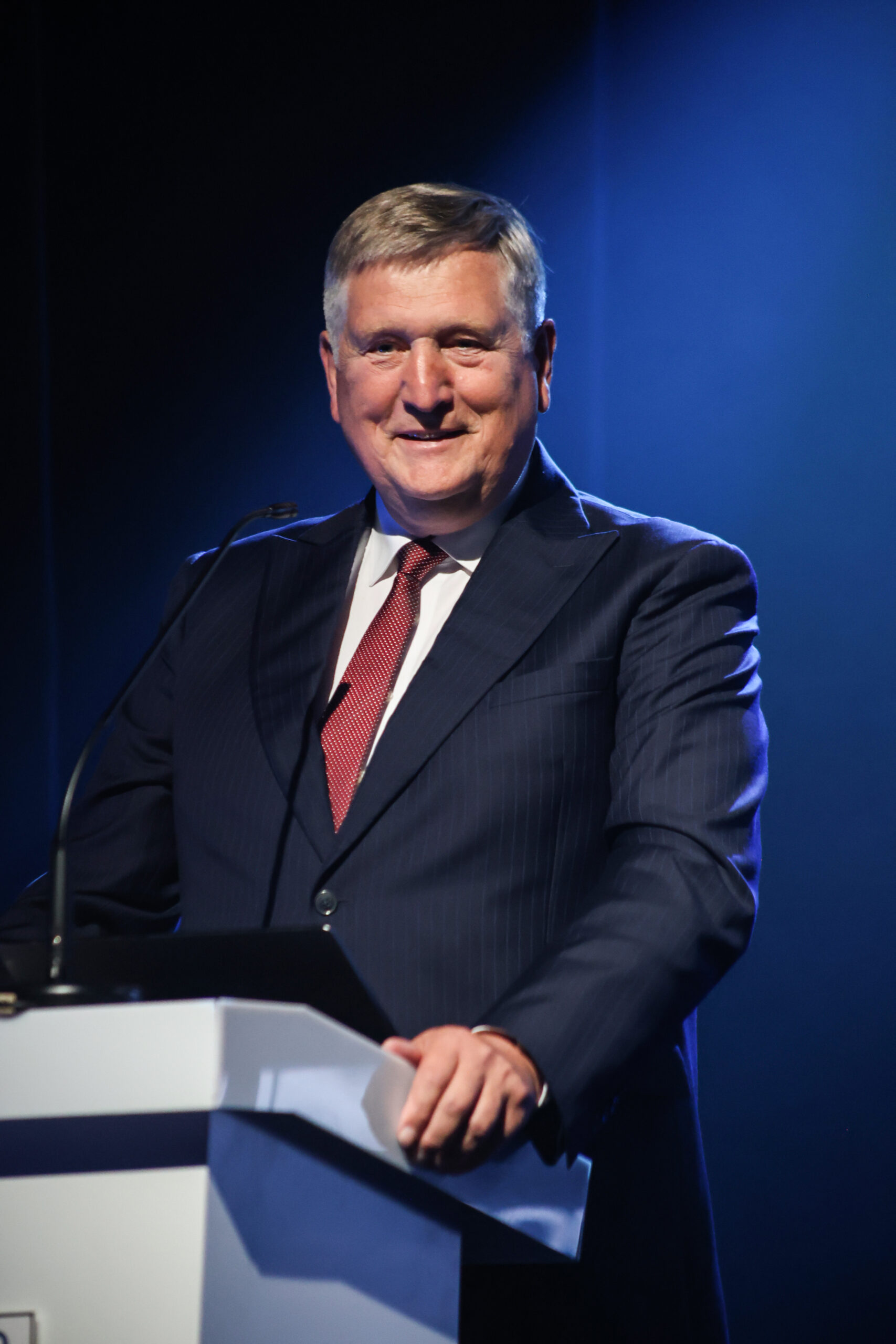
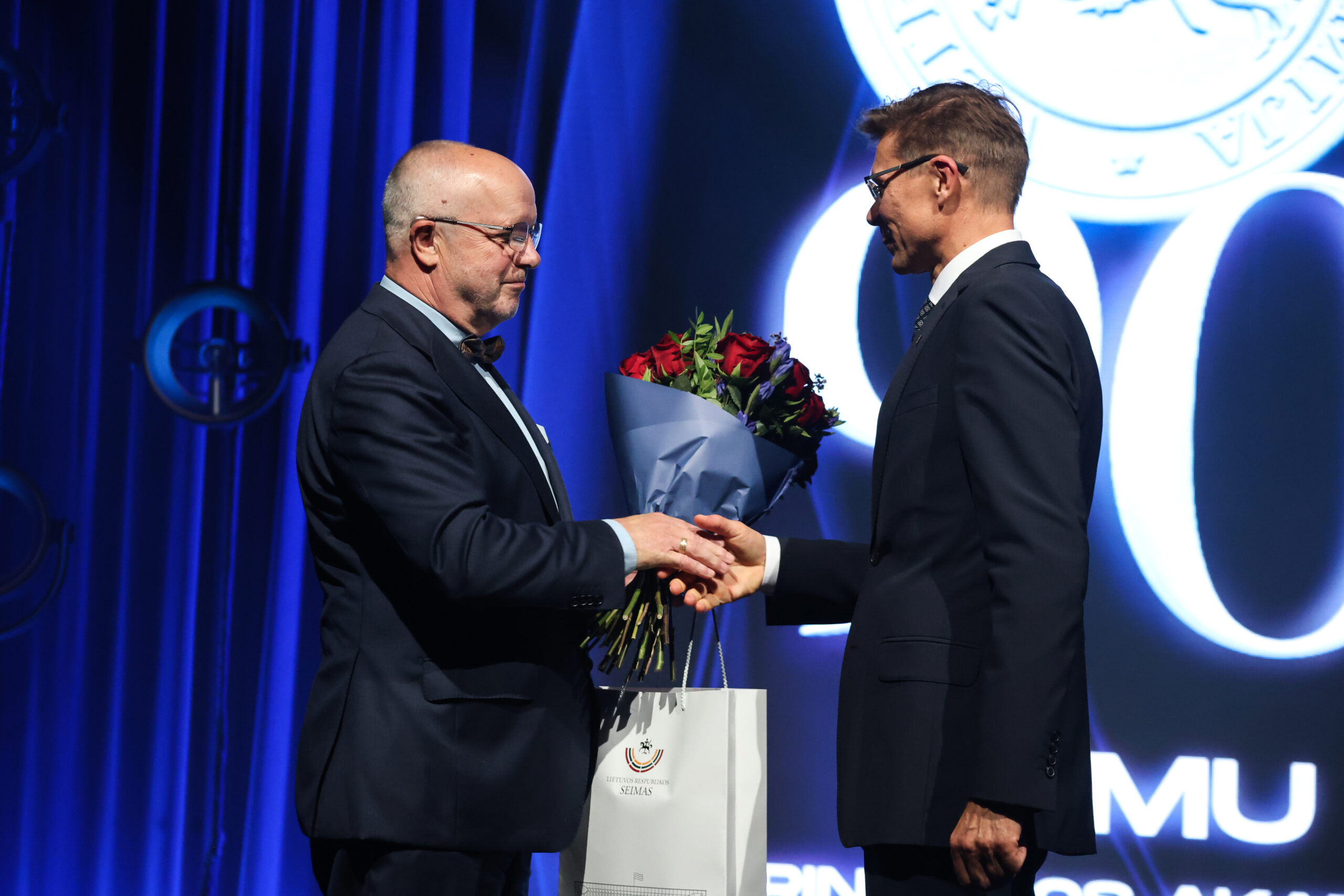
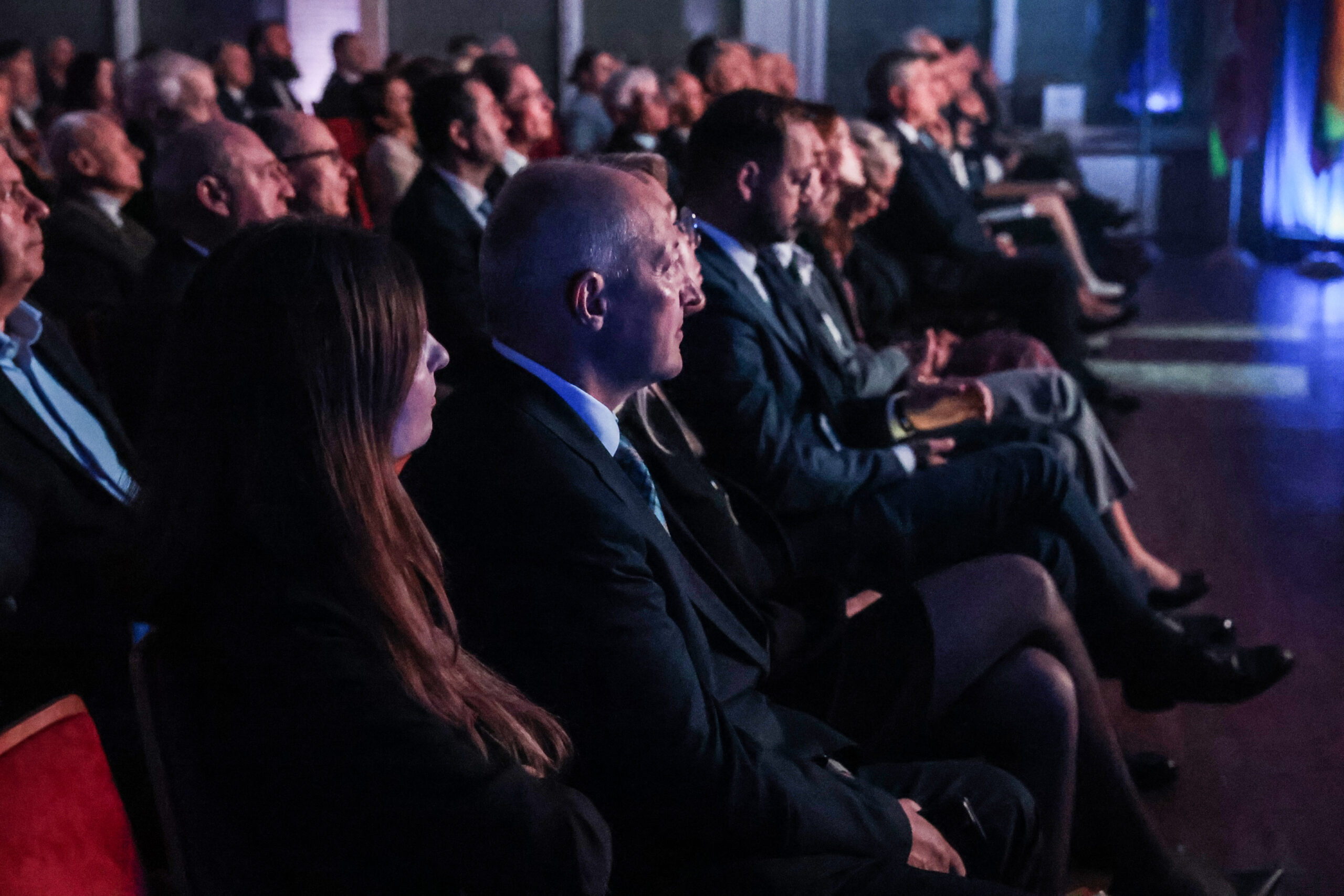
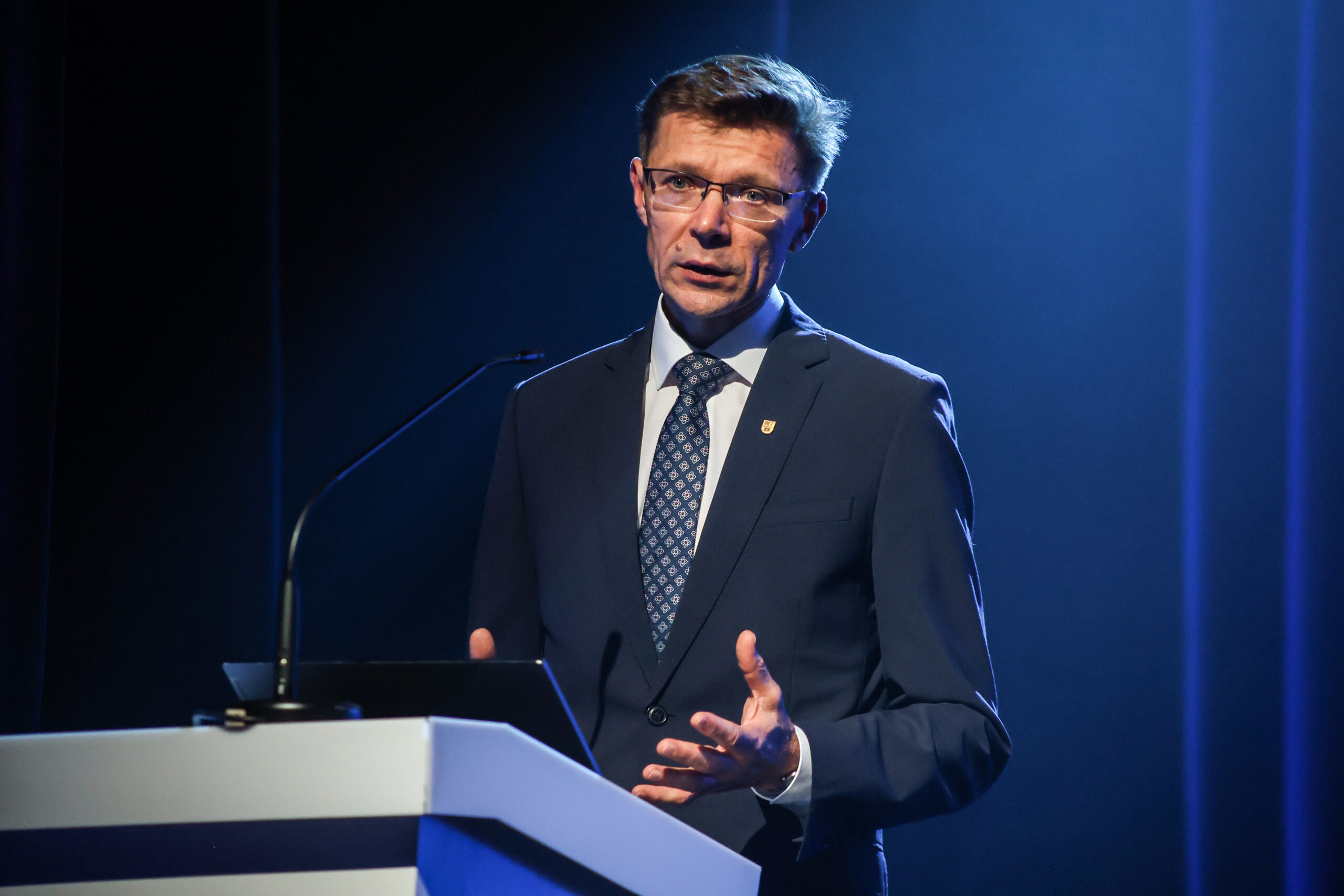
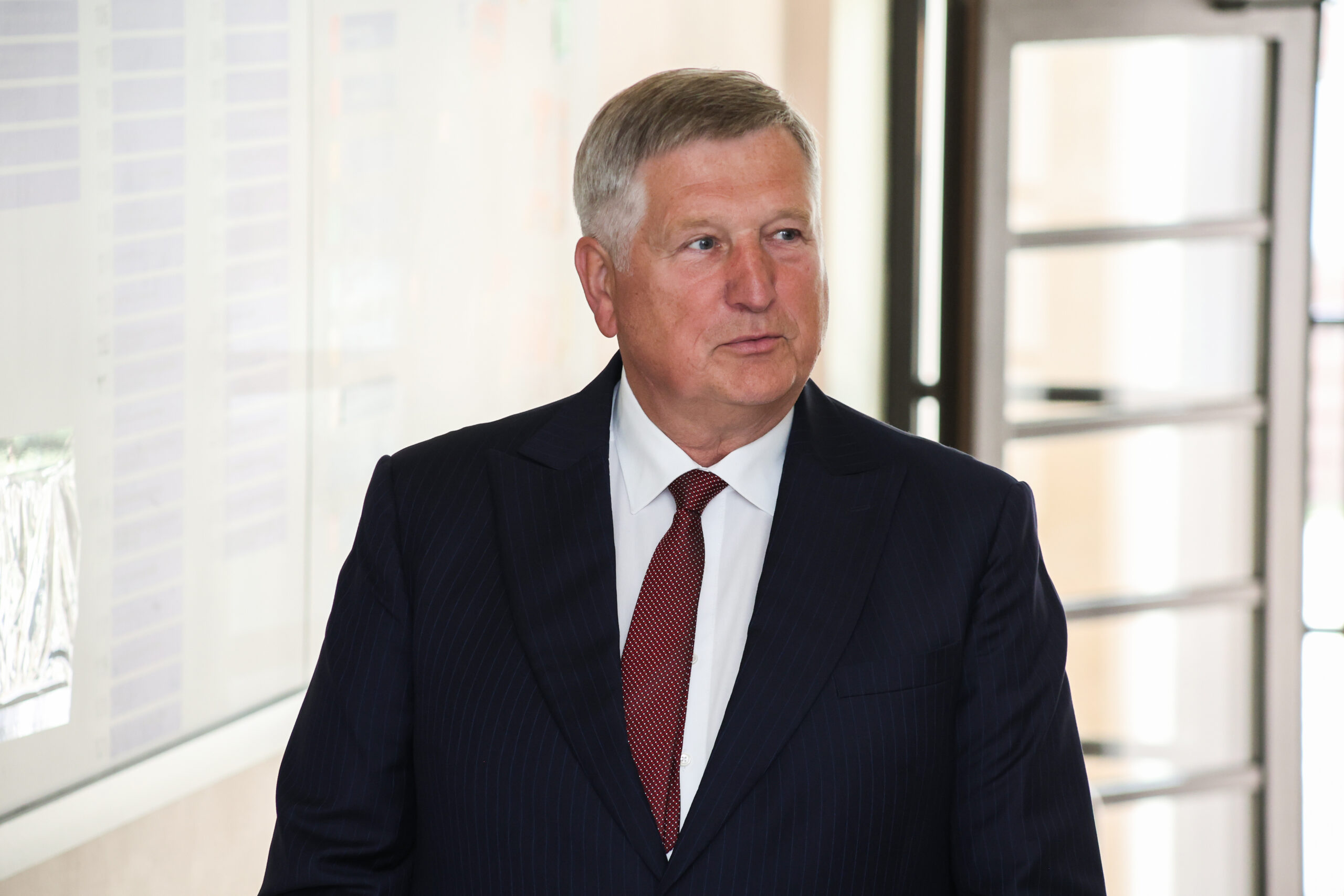
The Veterinary Academy and wider University community were addressed by LSMU Rector Professor Rimantas Benetis, Chancellor of the Veterinary Academy Professor Mindaugas Malakauskas, and Speaker of the Seimas of the Republic of Lithuania Juozas Olekas. Representatives of the Government and local authorities, members of the University community, and partners from academia and industry also attended the anniversary celebrations.
Congratulating the Veterinary Academy on its significant anniversary, LSMU Rector Professor Rimantas Benetis emphasised the importance of its historical development, discussed prospects for the Academy’s future growth, and highlighted the One Health concept, which recognises the interconnectedness of human, animal and environmental health.
“Many biological processes are universal. Emerging infections and their economic consequences require close cooperation between medical professionals, veterinary specialists and researchers,” the Rector said, emphasising the close links between the University’s two academies.
Professor Benetis also discussed the impact of artificial intelligence and other new technologies on studies and professional careers, and welcomed the growing number of national and international research projects. According to the LSMU Rector, the time has come for the Veterinary Academy to develop a vision for its own biotechnology centre.
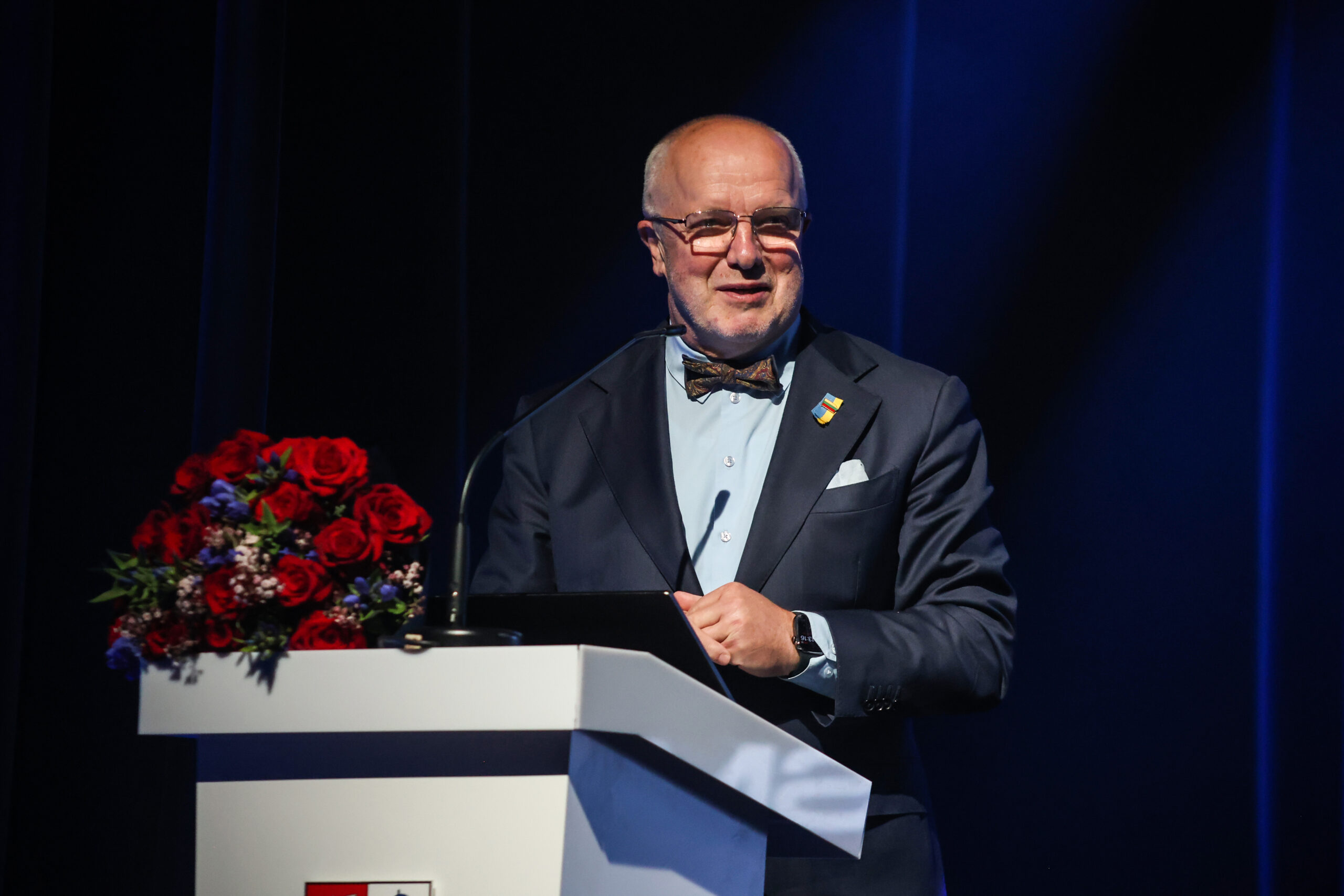
Speaker of the Seimas of the Republic of Lithuania Juozas Olekas described the 90th anniversary of the Veterinary Academy as an opportunity to reflect on its remarkable journey and its contribution to Lithuanian science. He stressed that today the Academy’s mission extends far beyond animal health: in a globalised world, the health of people, animals and the environment is closely interconnected. According to Mr Olekas, it is therefore important to foster the integration of research, studies and clinical practice, as well as cooperation between the academic community and policymakers in addressing new challenges.
Knowledge in the service of society
“Ninety years represents a long and meaningful journey shaped by many generations of the Veterinary Academy. Each has left its mark – on people, research, studies, professional traditions and the very spirit of the Academy.
Over these decades, the Academy has been changing, growing and keeping up to date with the latest developments, yet its fundamental purpose has remained the same: to contribute through knowledge, research and professionalism to animal health, the well-being of society and the provision of safe food.
Today, our task is not only to remember and appreciate what has been created, but also to ask ourselves what we want the LSMU Veterinary Academy of the future to be. Our strength lies in our ability to preserve what is most valuable while embracing change: introducing new technologies, strengthening research, the quality of studies and internationalisation, and deepening our engagement with society. I believe that the greatest strength of the LSMU Veterinary Academy will continue to be its people – their expertise, responsibility and determination to create,” said Professor Mindaugas Malakauskas, Chancellor of the LSMU Veterinary Academy.
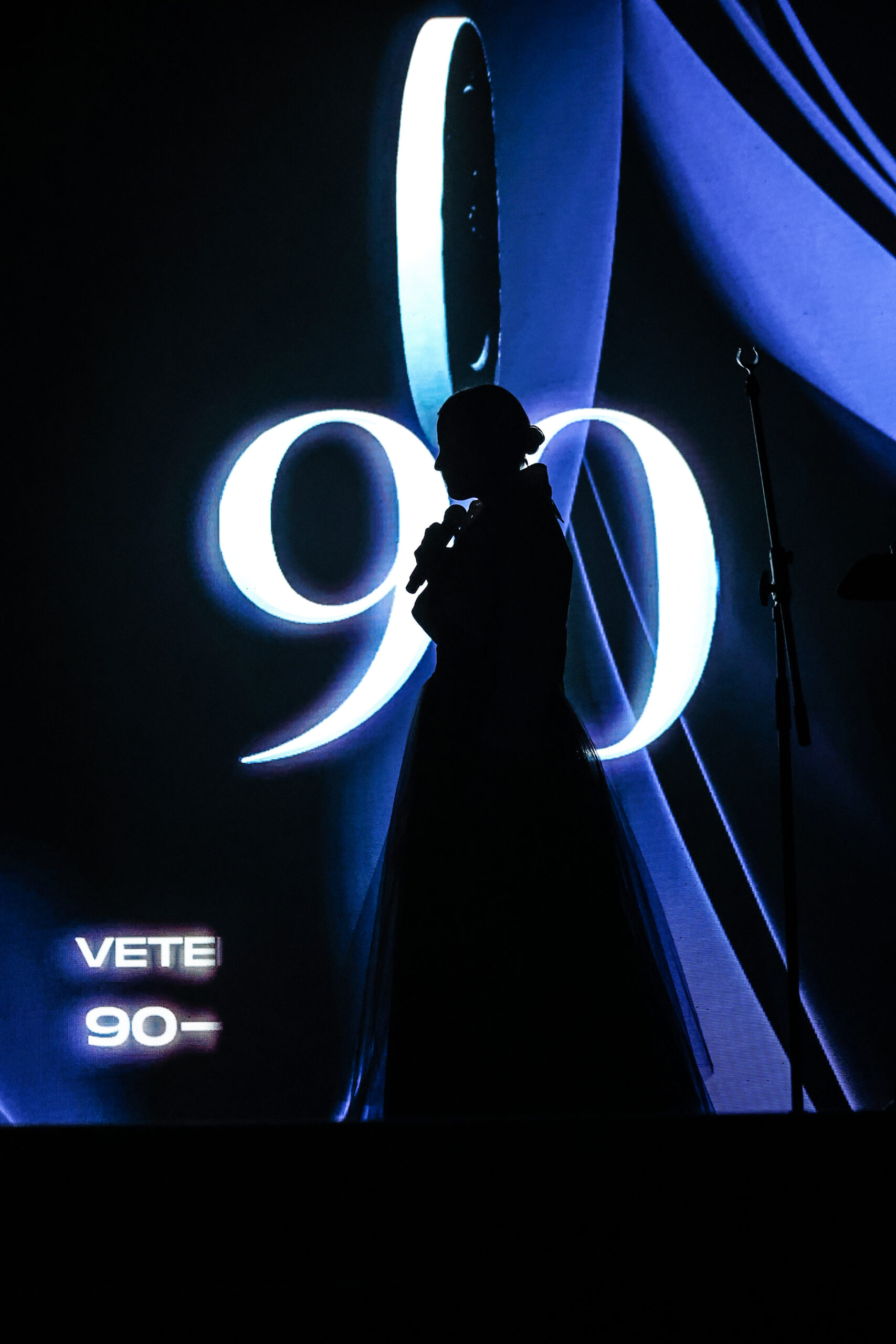
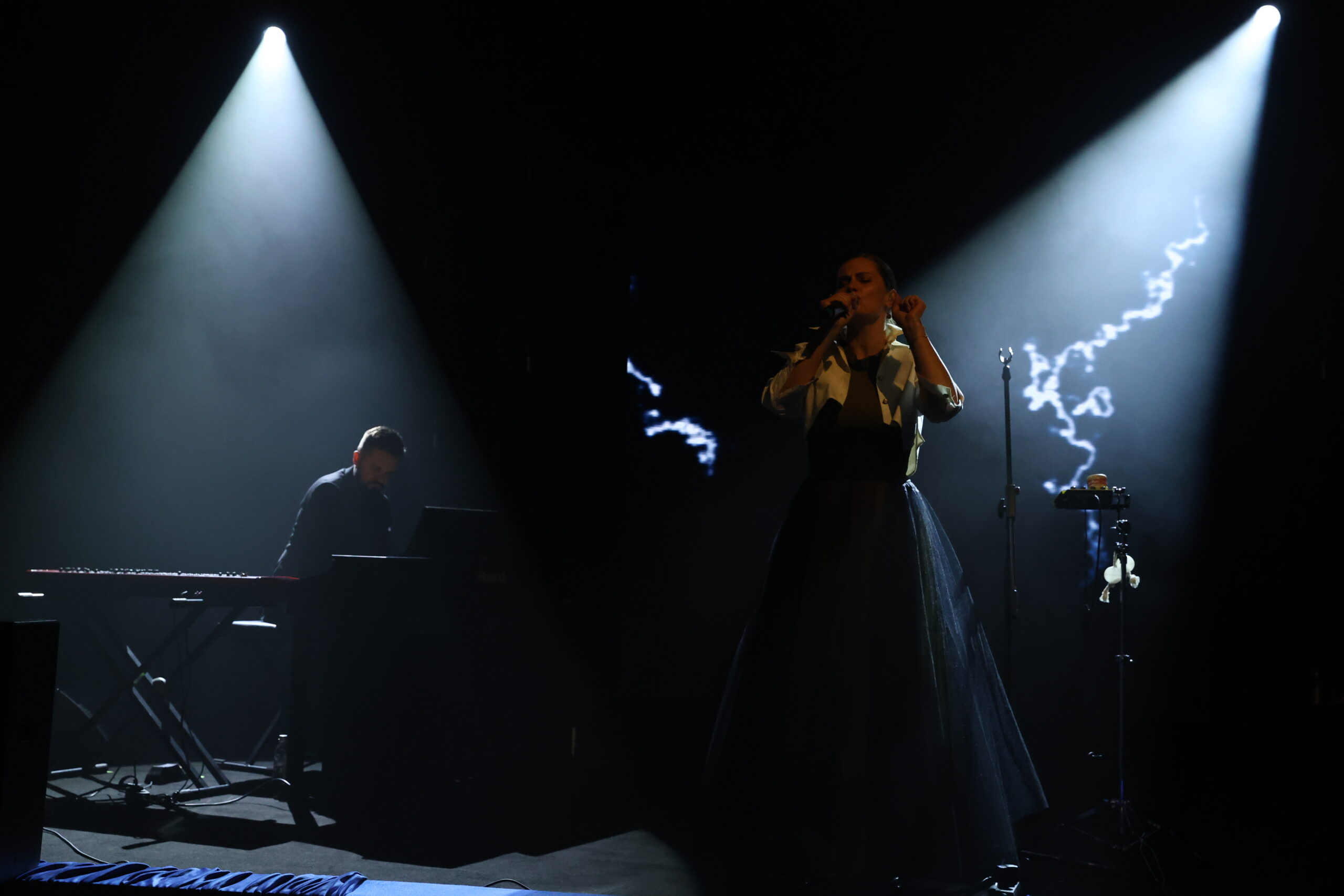
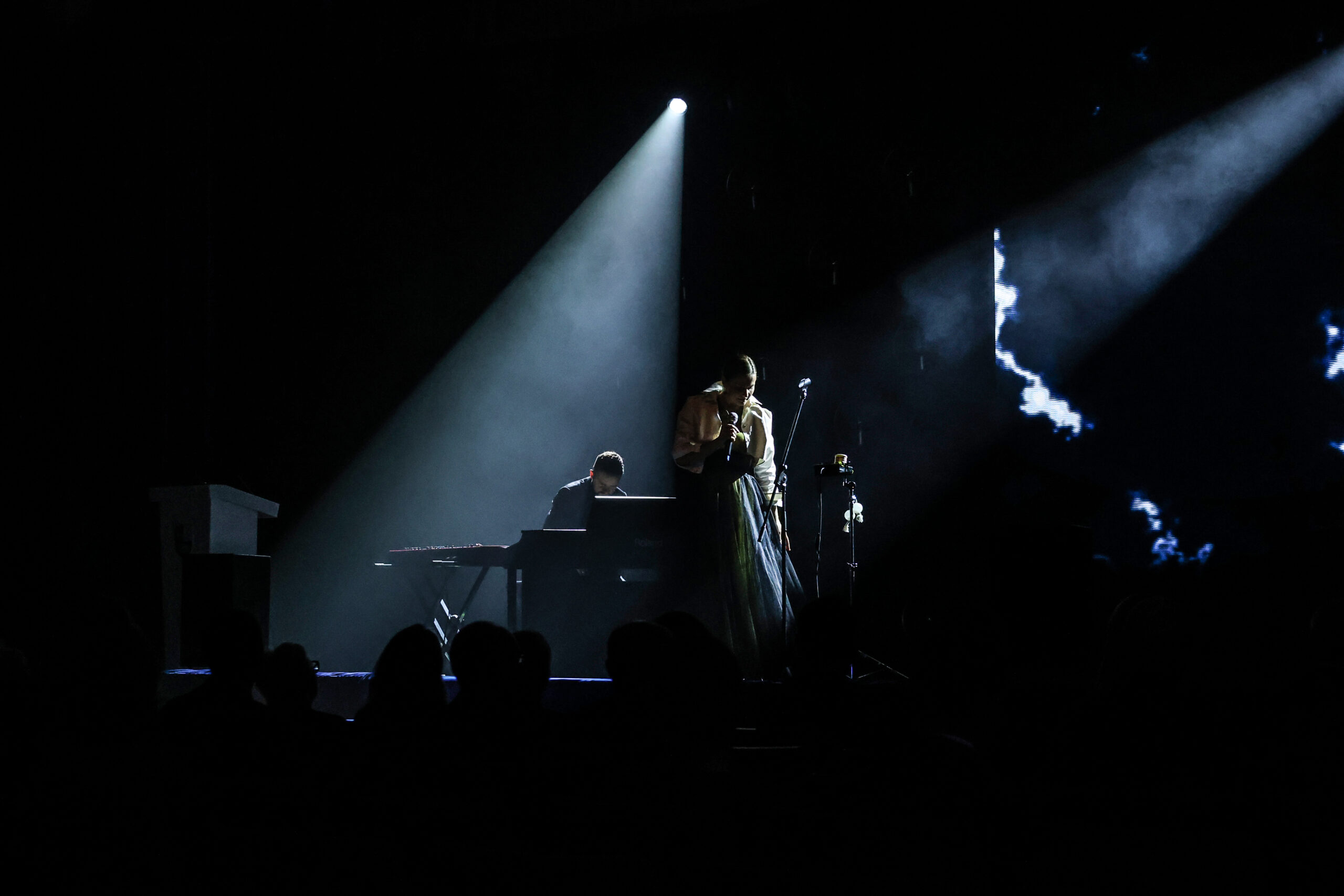
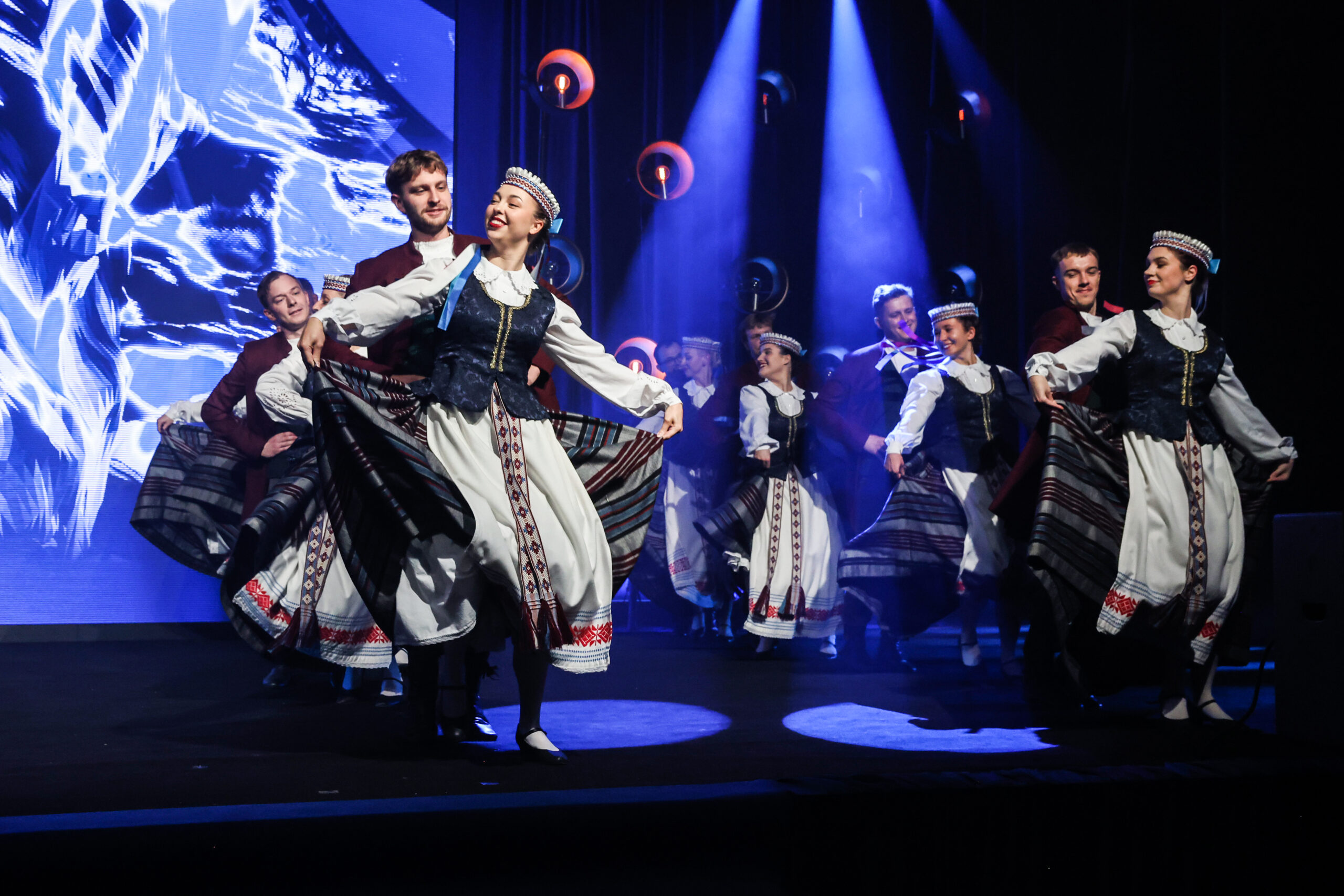
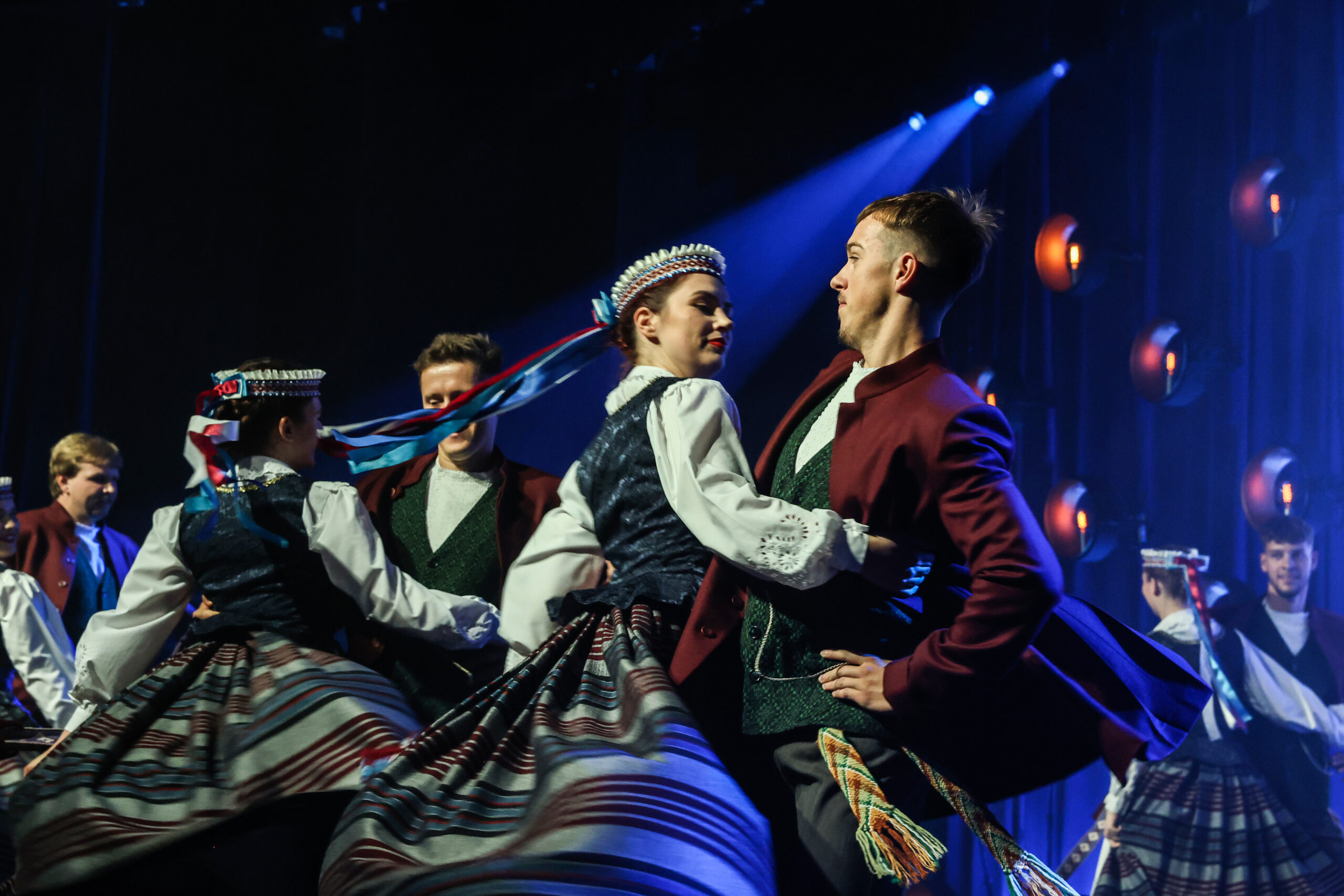
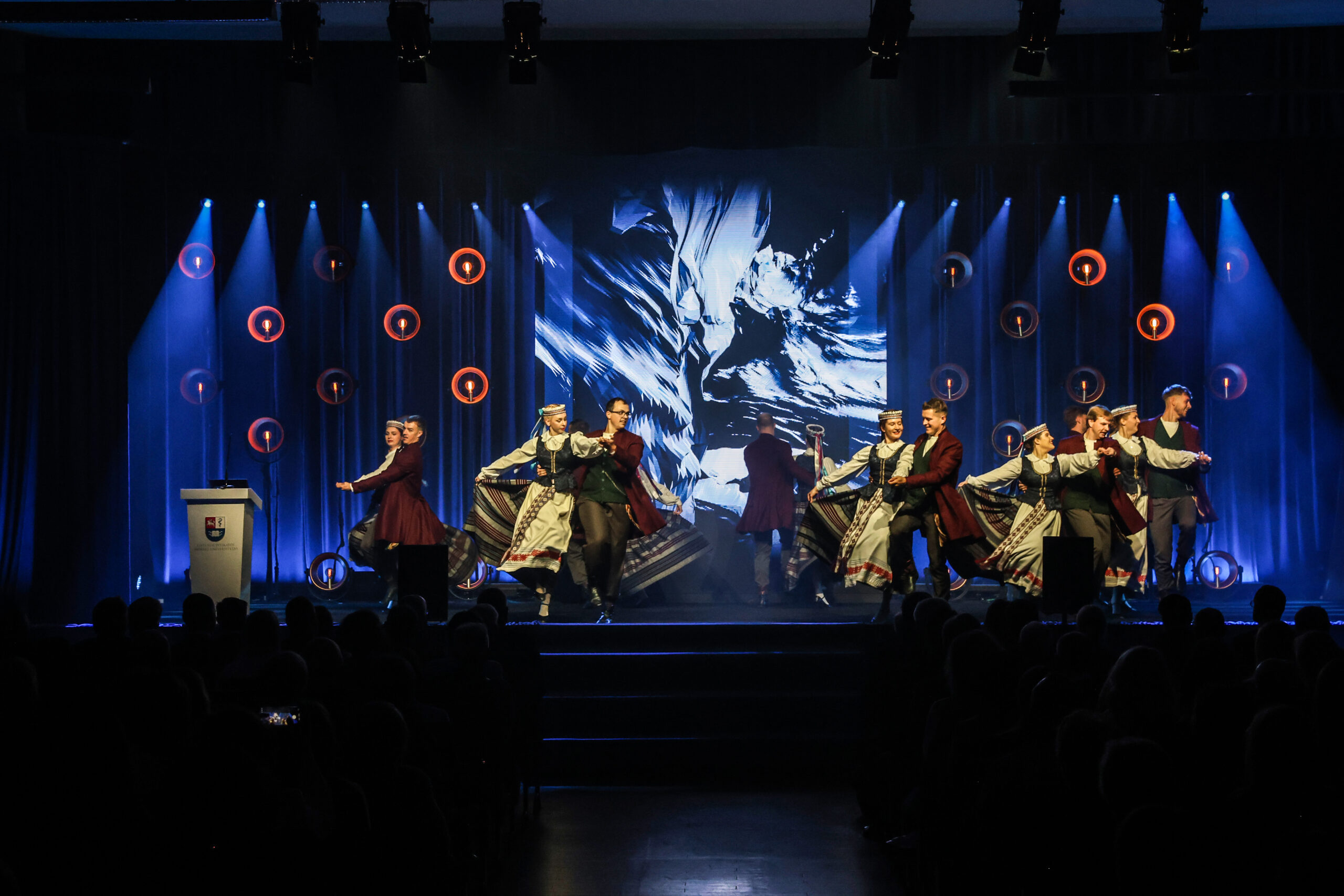
The celebrations concluded with a musical programme. Singer Jurga Šeduikytė performed for the guests, alongside the folk-dance ensemble Džigūnas, which is itself celebrating its 80th anniversary this year. The academic anthem Gaudeamus igitur was also performed.
The individuals behind the founding of the Academy
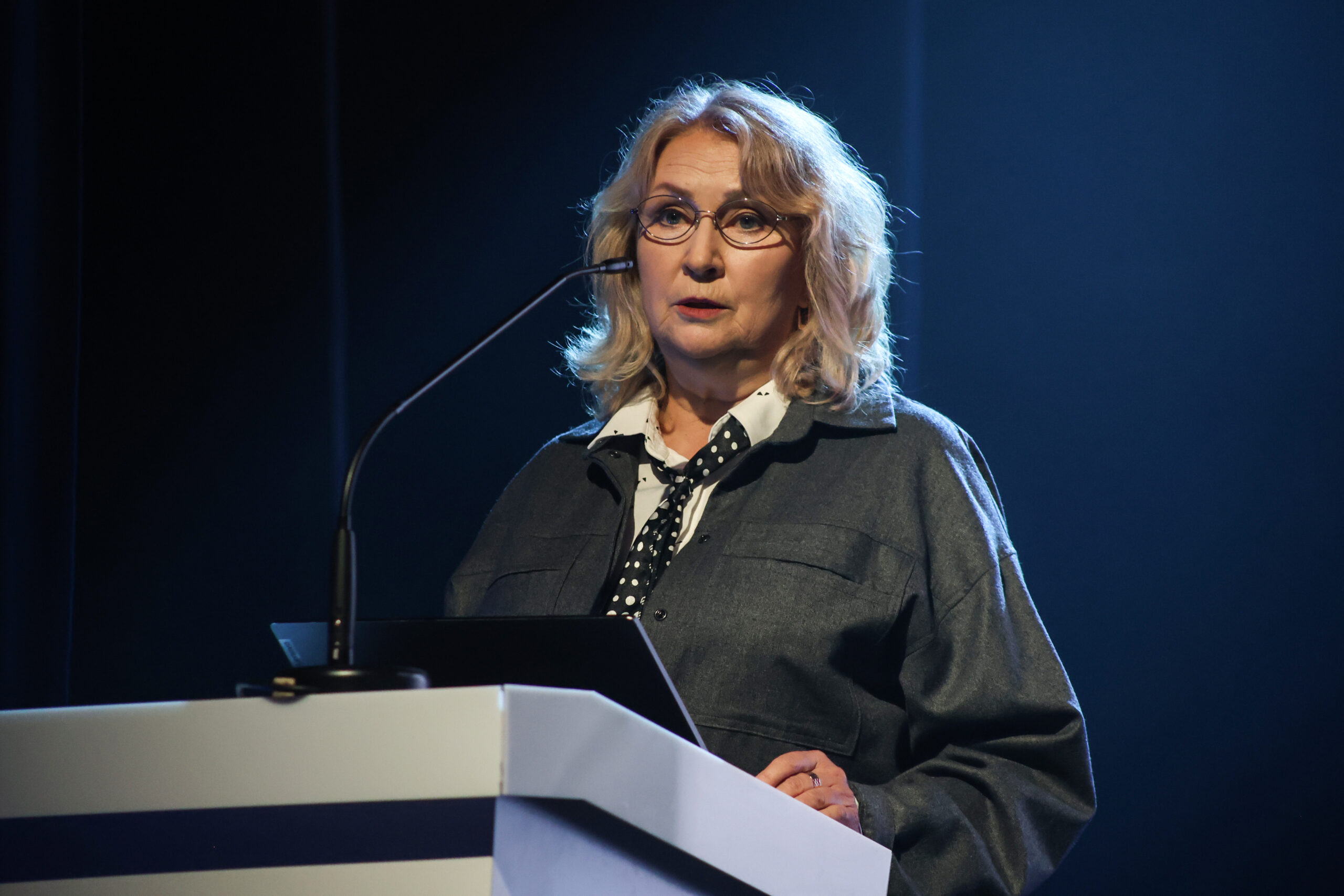
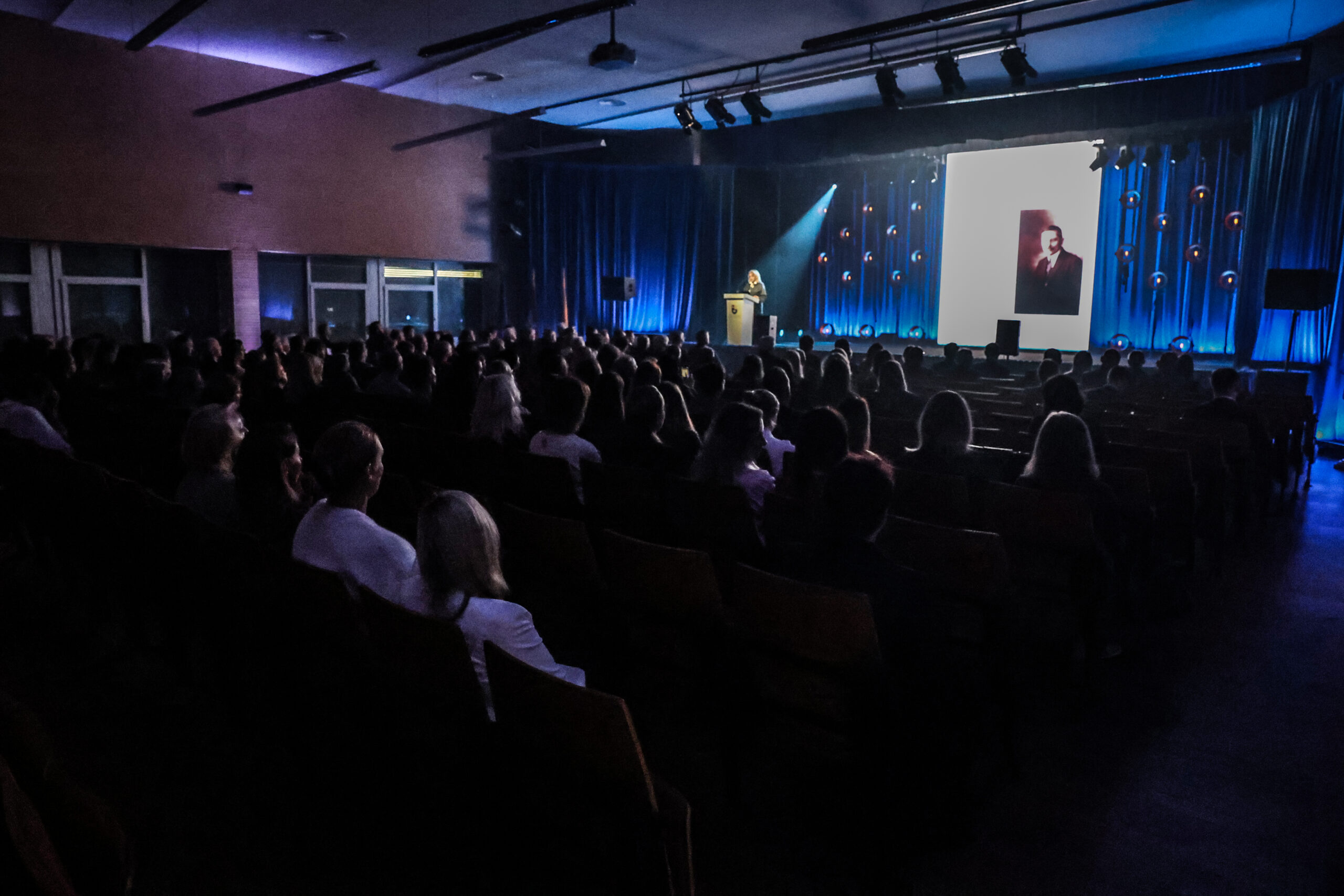
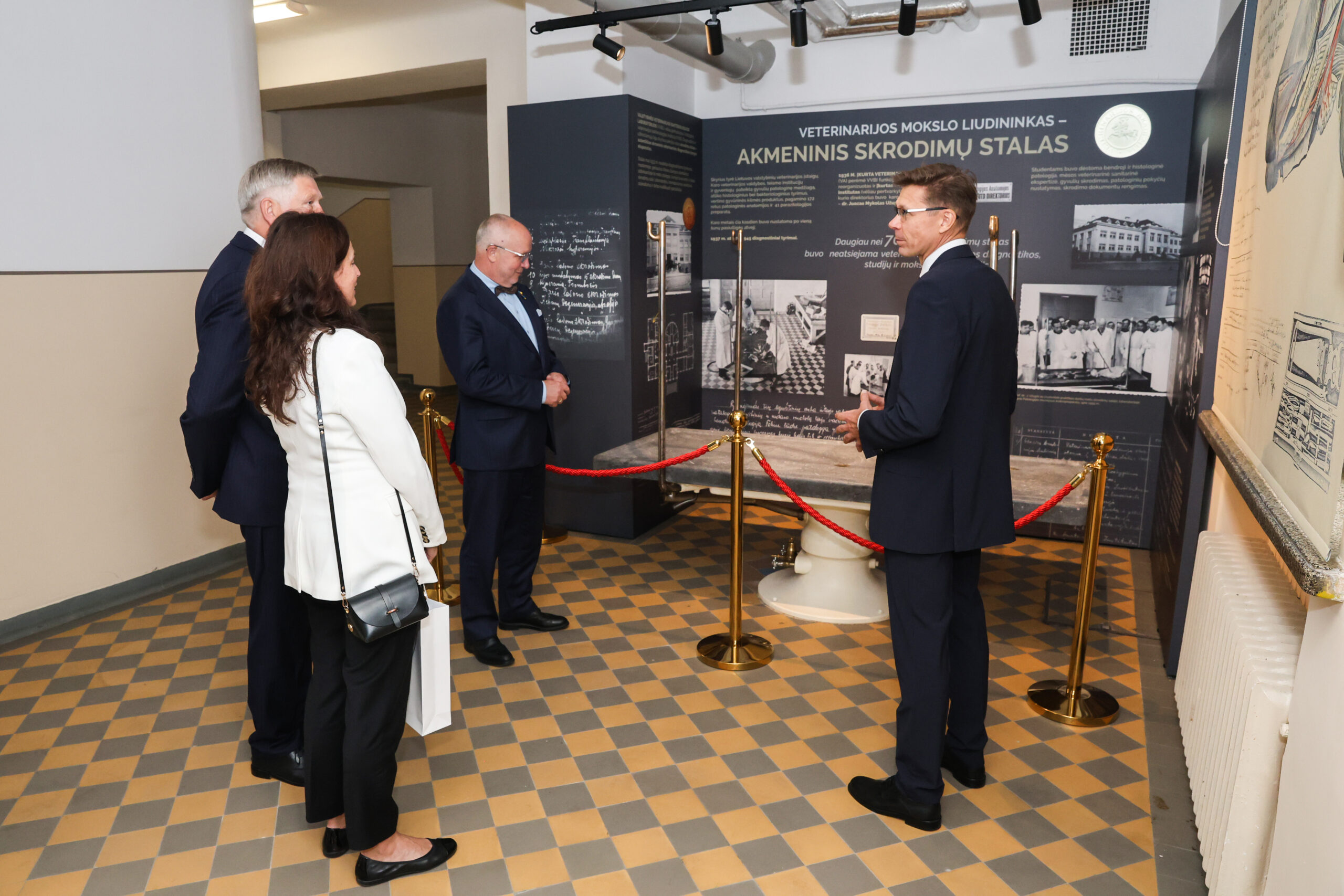
Lina Baršauskienė, Head of the LSMU Veterinary Academy Museum, recalled the circumstances surrounding the establishment of the Veterinary Academy and the people entrusted with creating the new higher education institution in her presentation, The Provisional Council of the Veterinary Academy: Eight Remarkable Individuals.
Following the adoption of the Law on the Establishment of the Veterinary Academy in 1936, the Provisional Council of the Veterinary Academy was formed. It was responsible for drafting the Academy’s Statute and study programmes, recruiting teaching staff, establishing the institutional structure and developing the facilities required for teaching. The Council was chaired by Stasys Jankauskas, Director of the Veterinary Department of the Ministry of Agriculture of the Republic of Lithuania, with Vincas Katelė serving as Secretary. Its other members were Professor Konradas Juozas Aleksa, Dr Kostas Kanauka, Professor Vladas Lašas, Kazys Miknevičius, Dr Juozas Mykolas Užupis and Dr Juozas Žemaitis.
The Veterinary Academy was officially opened in Kaunas on 19 September 1936. In its first year, 16 students and nine non-degree students began their studies there. The establishment of the Academy provided significant impetus for the development of veterinary medicine, animal husbandry, the diagnosis and prevention of infectious animal diseases, food safety and training of professionals in Lithuania.
A historic decision and new opportunities
In 2010, Kaunas University of Medicine and the Lithuanian Veterinary Academy merged to form the Lithuanian University of Health Sciences. The two equal academies – the Medical Academy and the Veterinary Academy – brought together their expertise within one of Lithuania’s largest higher education institutions training professionals in the health, agricultural and veterinary sciences.
The merger expanded opportunities for international and interdisciplinary studies and research and strengthened links between human and animal health, food safety, biology and biotechnology. The unified University structure made it possible to consolidate research capacity, upgrade the infrastructure, undertake joint national and international projects, and further develop the One Health concept.
Research at the Veterinary Academy has also reached a new level of excellence. Its achievements include a Lithuanian Science Prize awarded in 2013. Six VA researchers have become full members of the Lithuanian Academy of Sciences, while three have become members of its Young Academy.
LSMU’s research potential in the agricultural sciences has also received favourable recognition from international experts. In the Research Council of Lithuania’s 2023 comparative assessment of research activities for 2018–2022, LSMU’s research in veterinary sciences was described as internationally recognised, while its research in animal sciences was rated very good.
The only of its kind in Lithuania
The LSMU Veterinary Academy is the only higher education institution in Lithuania that trains veterinary surgeons. Its Veterinary Medicine study programme holds international accreditation from the European Association of Establishments for Veterinary Education (EAEVE), and the qualifications awarded to its graduates are recognised across Europe.
The Veterinary Academy comprises the Faculty of Veterinary Medicine, Faculty of Animal Sciences, Institute of Animal Science, Institute of Microbiology and Virology, Dr. L Kriaučeliūnas Small Animal Clinic and Large Animal Clinic. The Academy delivers study programmes in veterinary medicine, food science, food safety, animal science, and human–animal interaction, while also conducting international research.
Gallery
 View all photos


 View all photos
 View all photos
 View all photos