Baltic Dermatovenereology Congress Discusses Latest Developments in Treatment and Healthcare Challenges
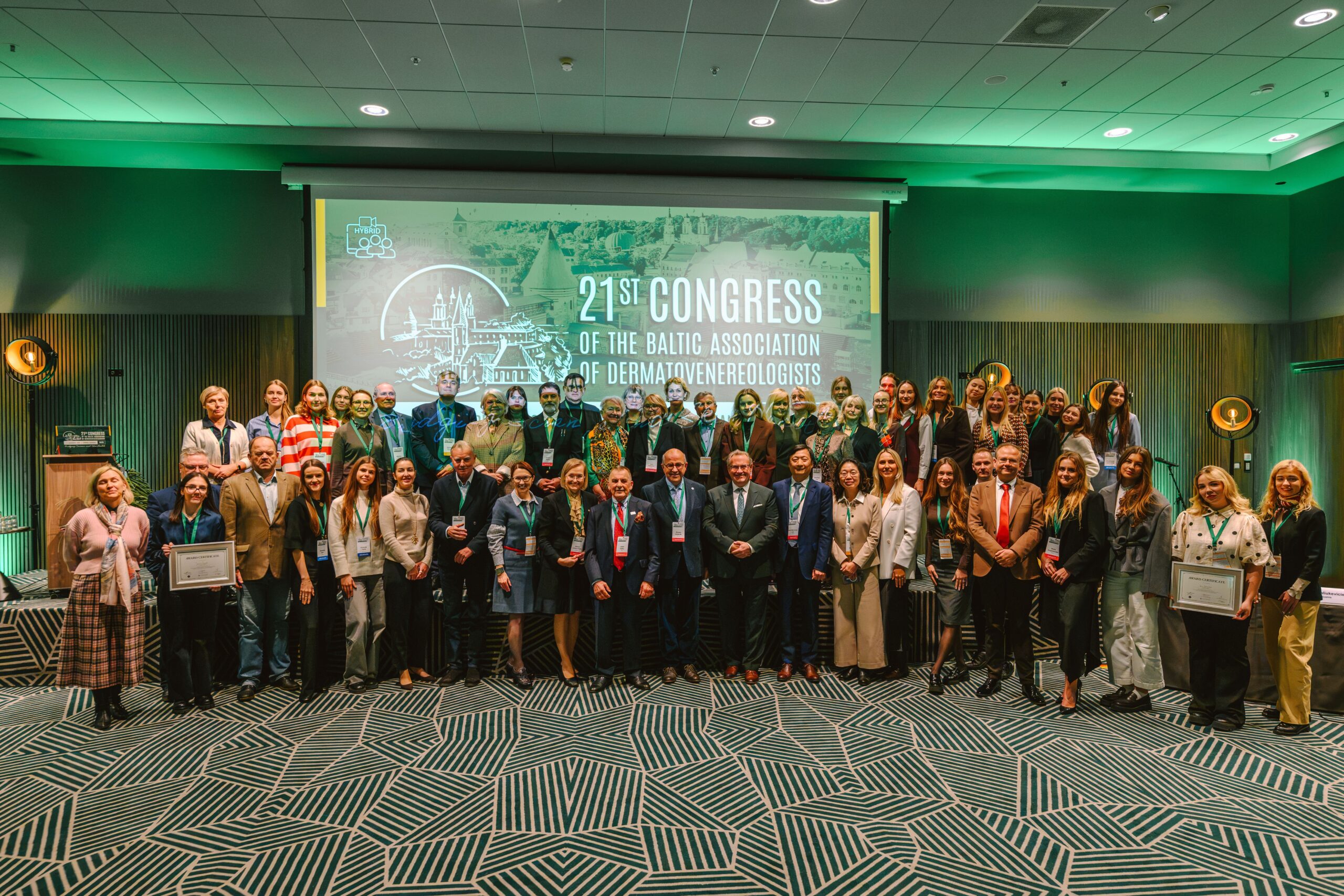
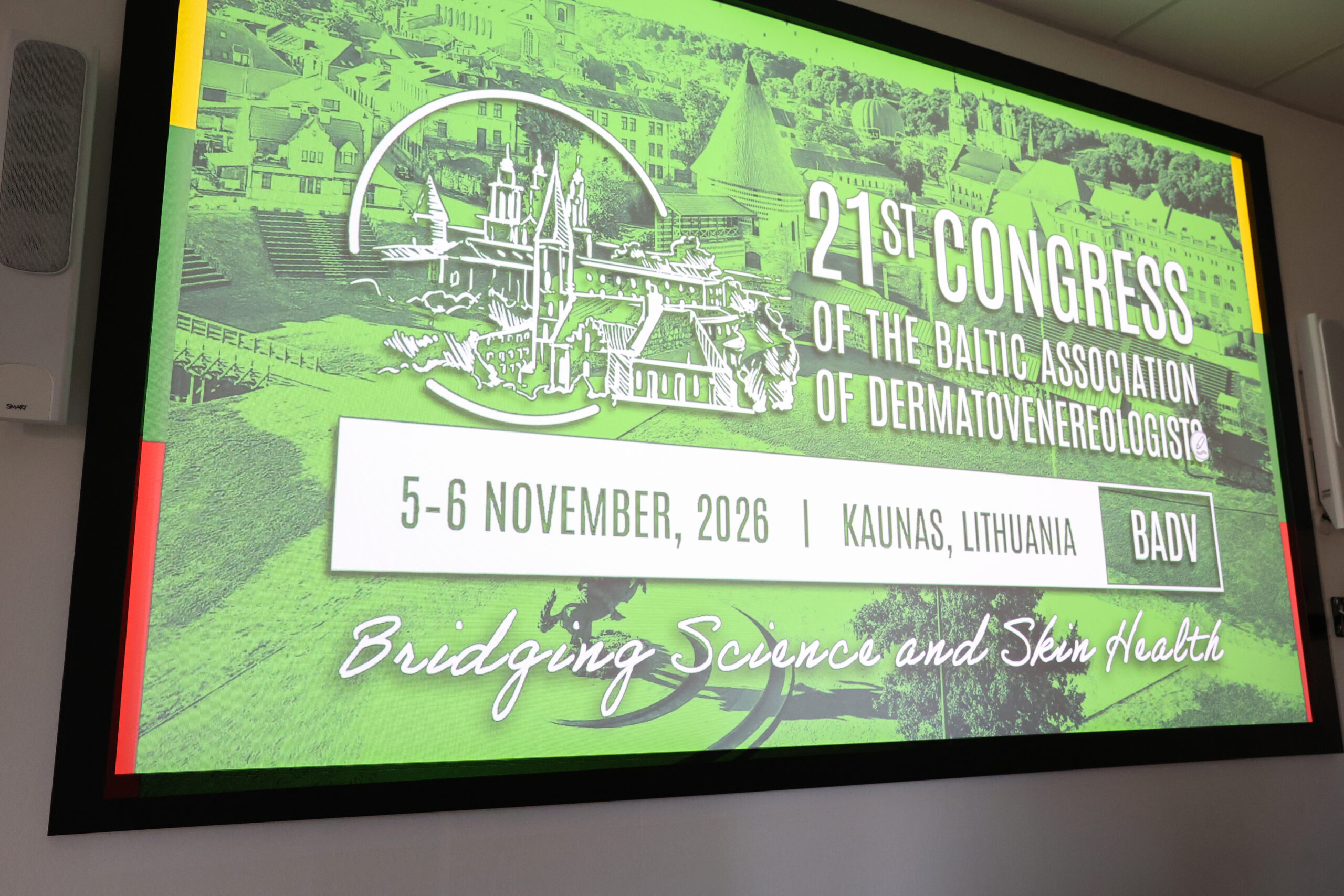
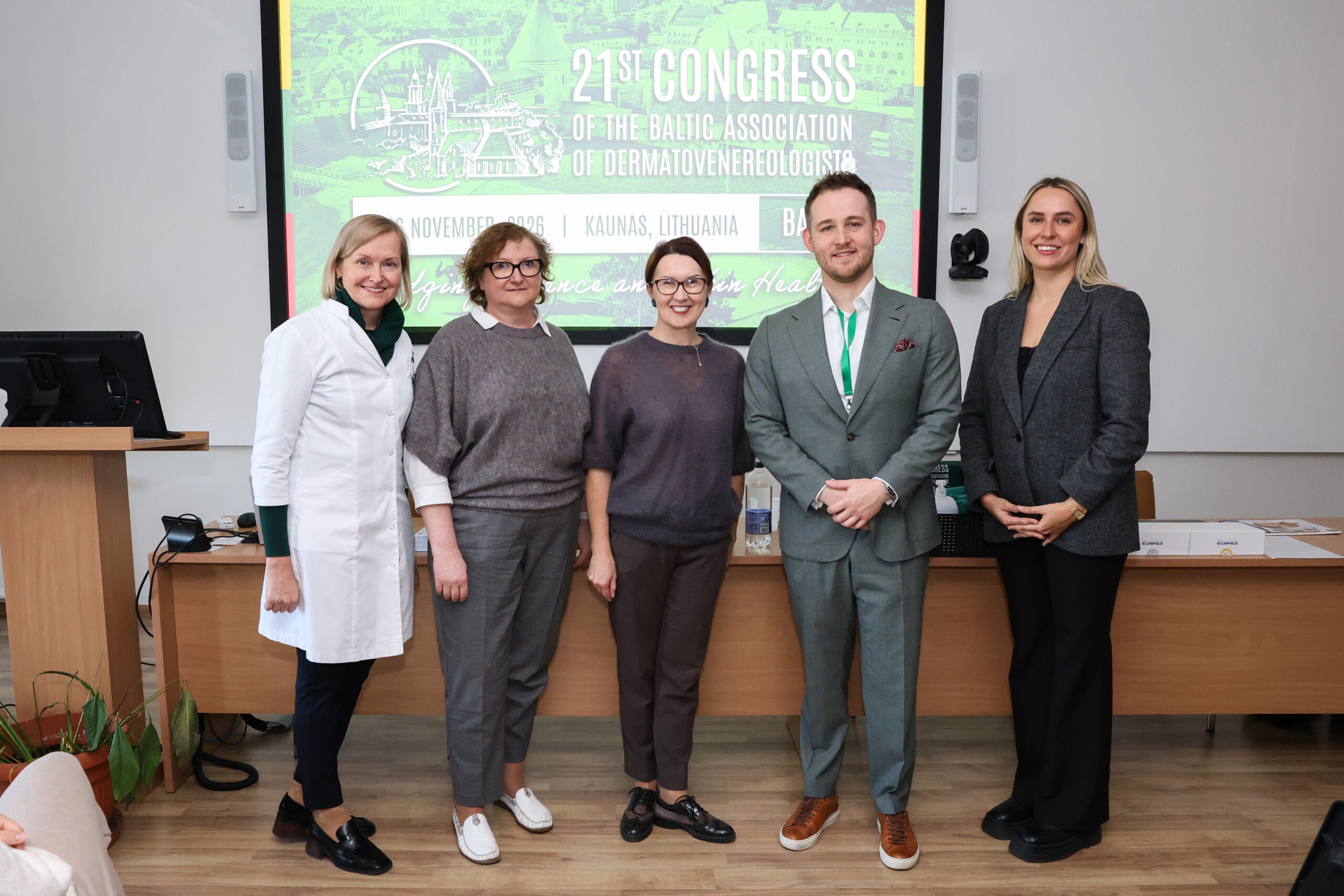
On 5–6 November, the 21st Congress of the Baltic Association of Dermatovenereologists (BADV) took place in Kaunas and Vilnius, bringing together more than 200 doctors, researchers and healthcare professionals from countries around the world. The event addressed the latest scientific developments in dermatovenereology, opportunities for diagnosing and treating skin diseases, and current healthcare challenges.
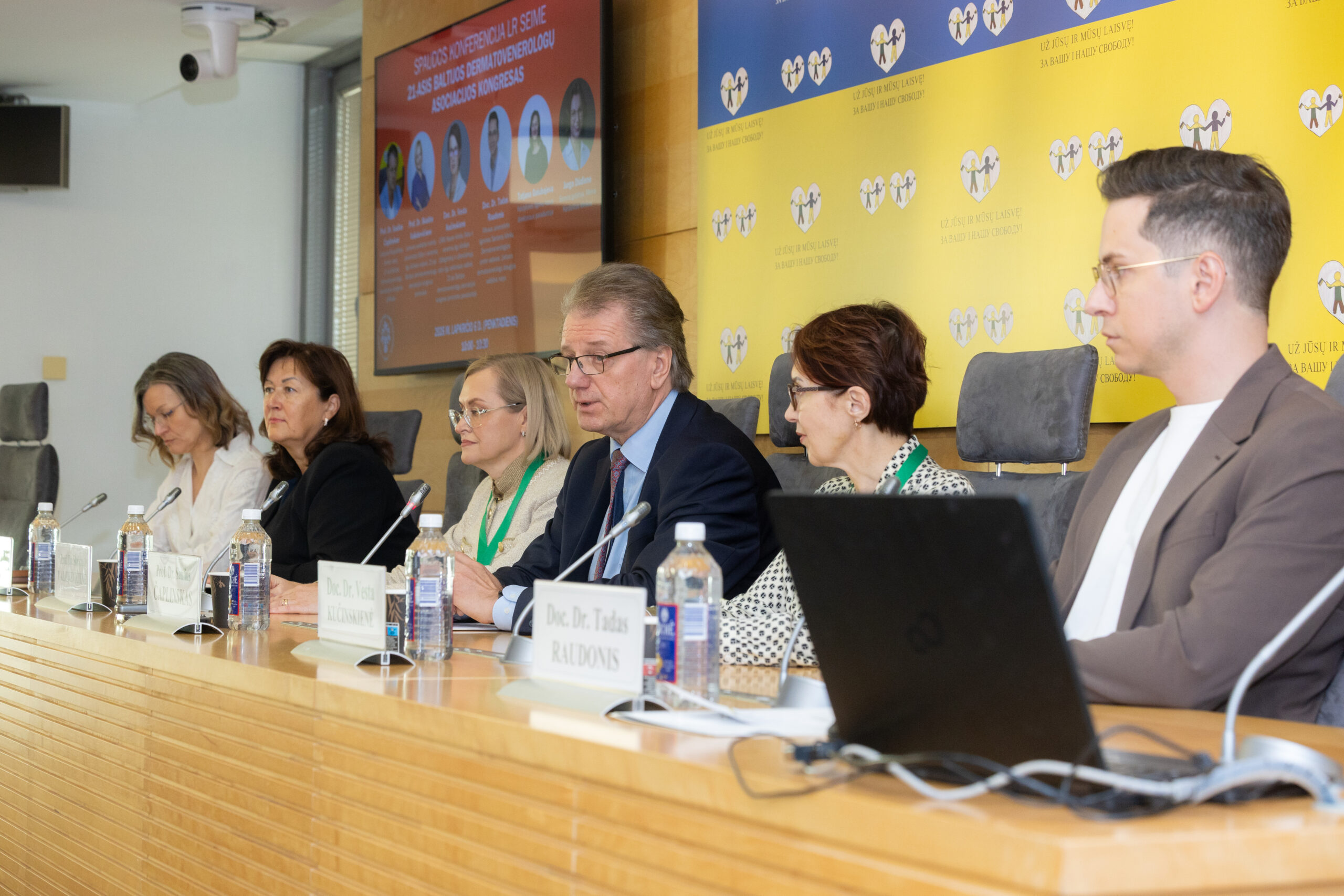
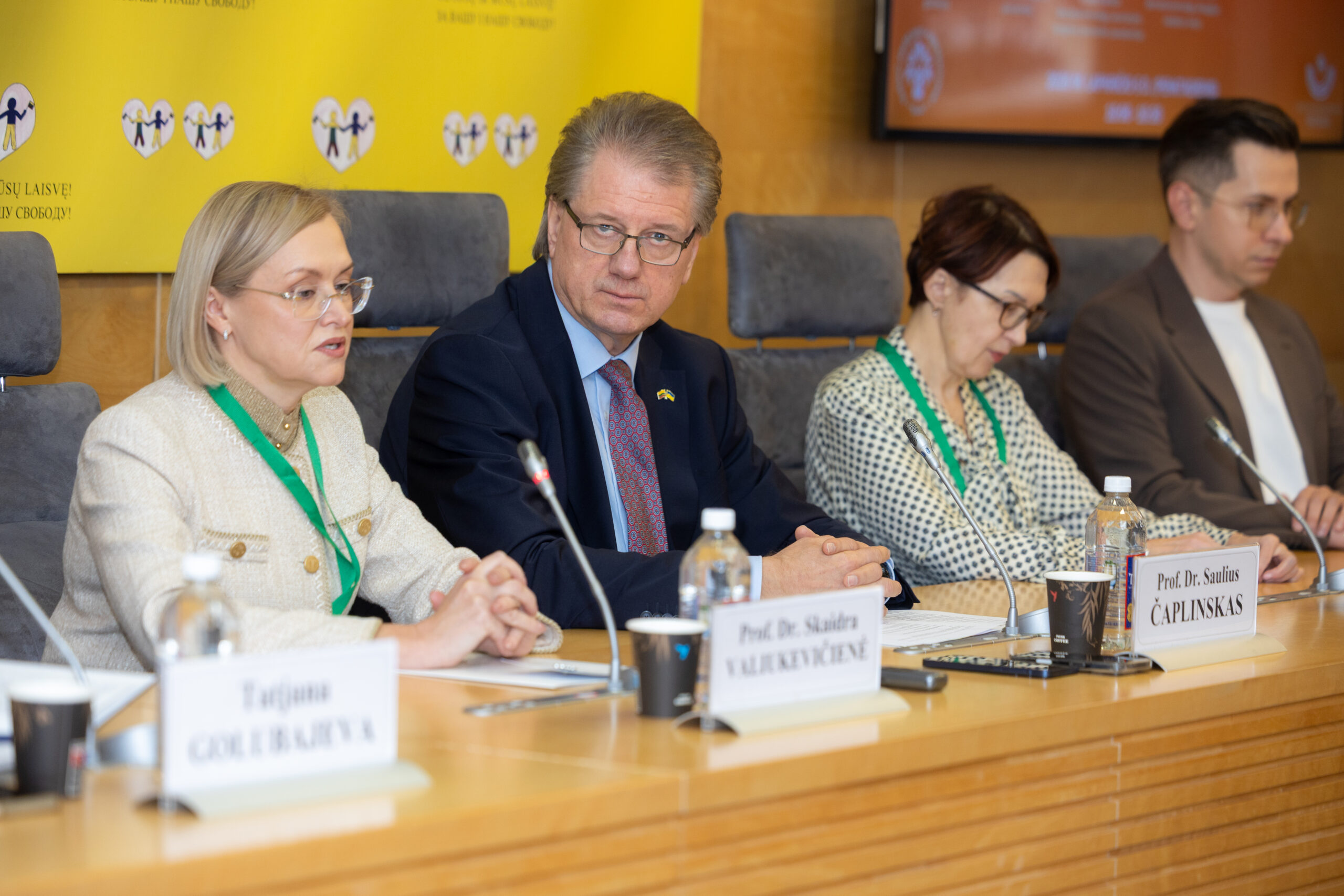
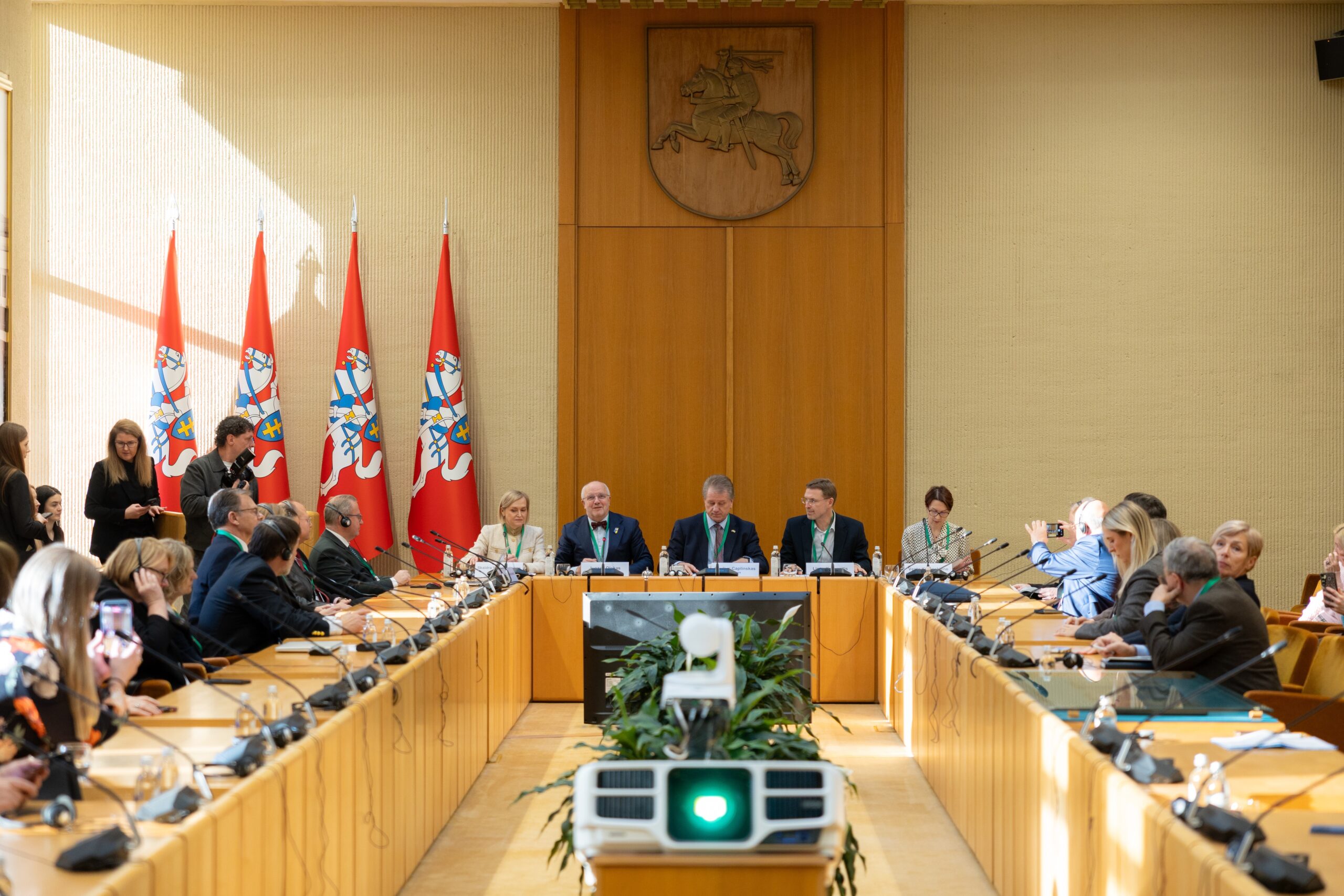
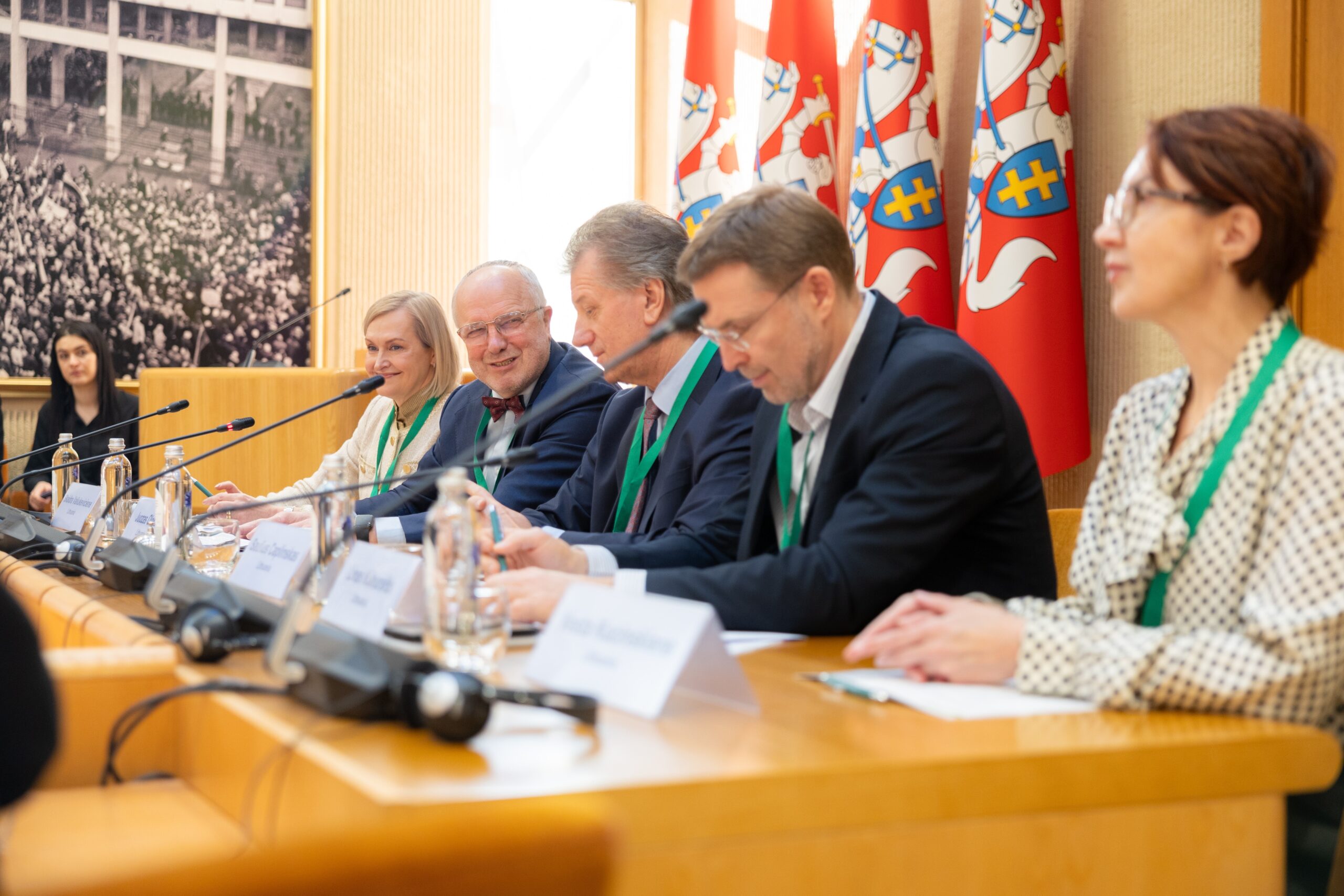
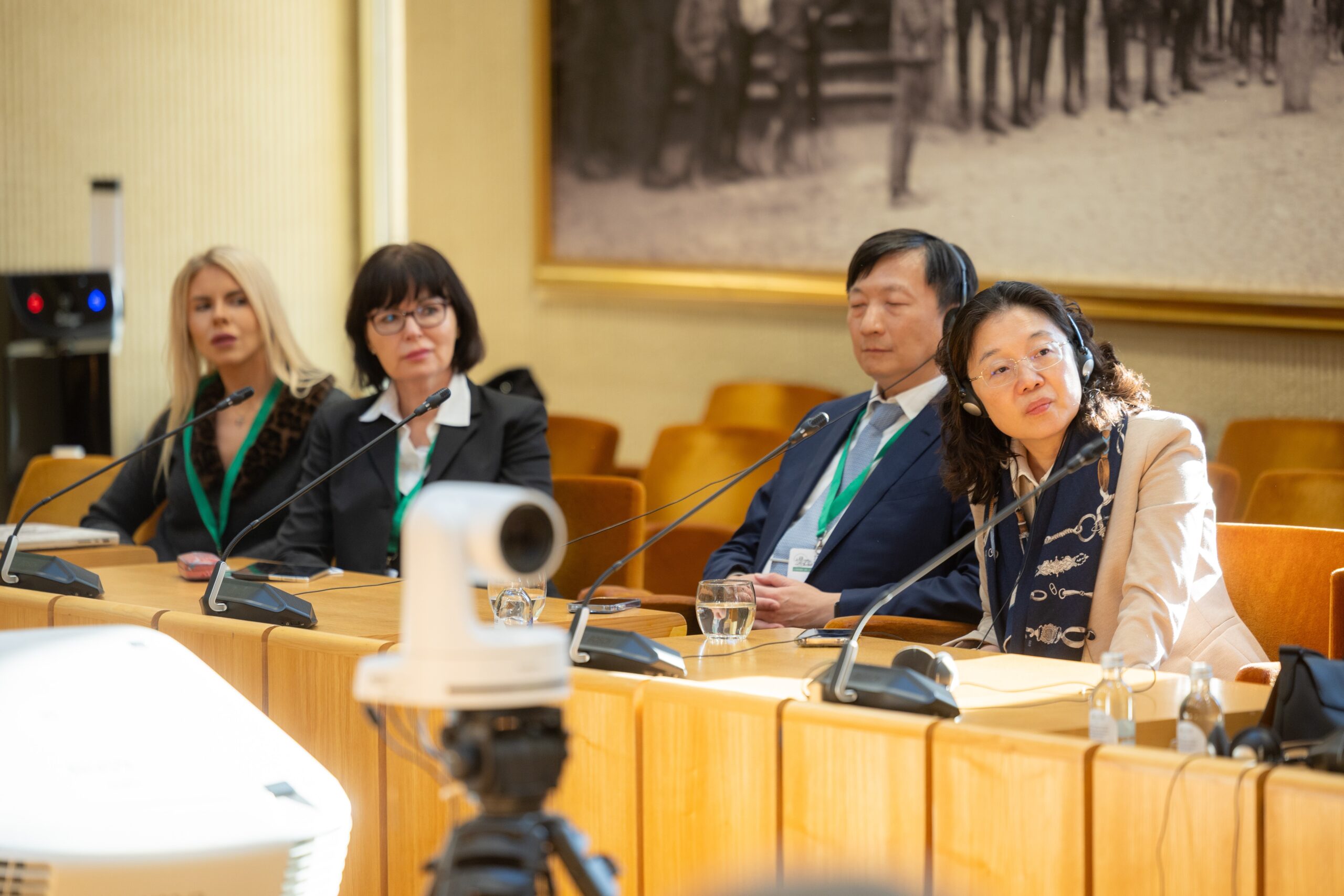
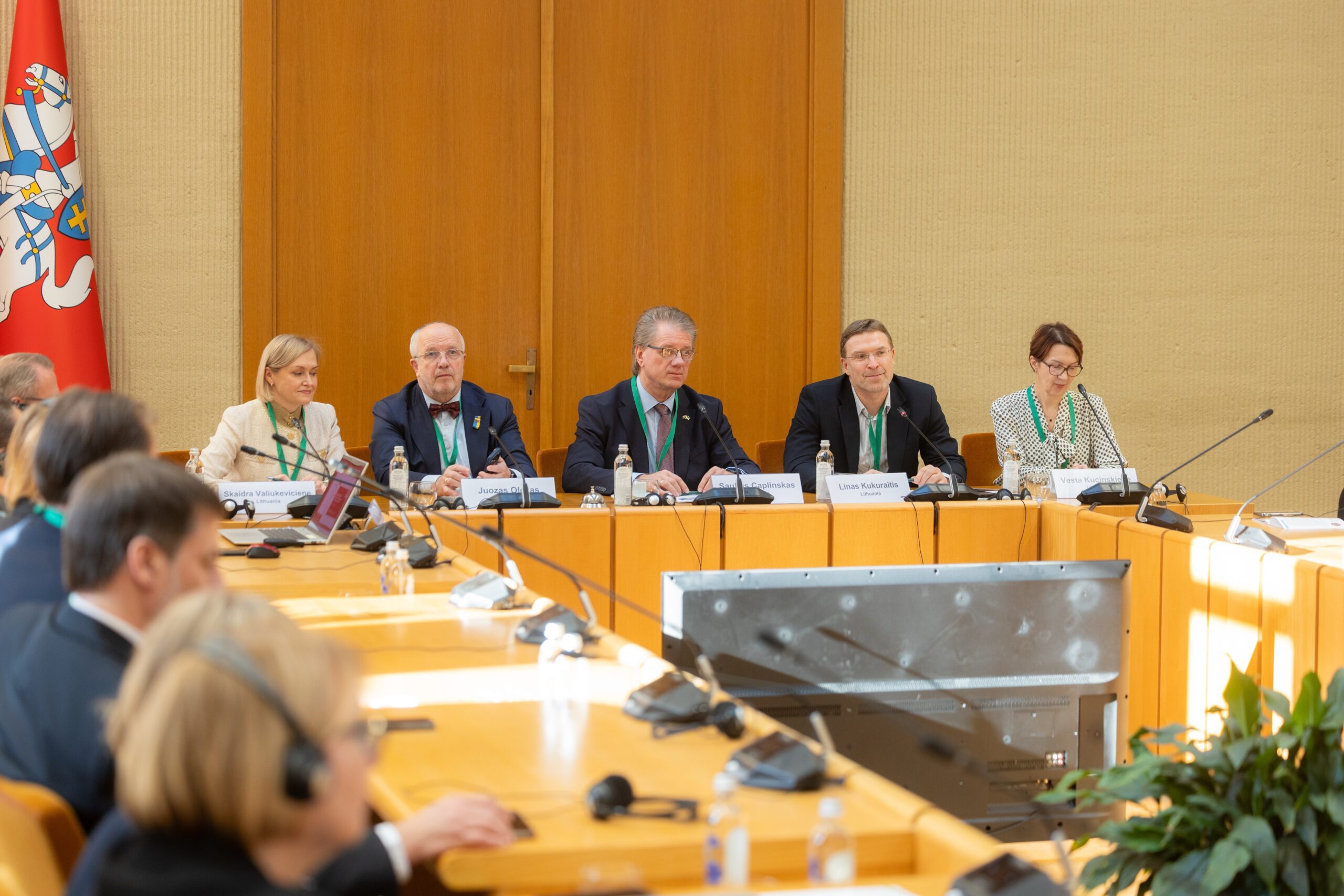
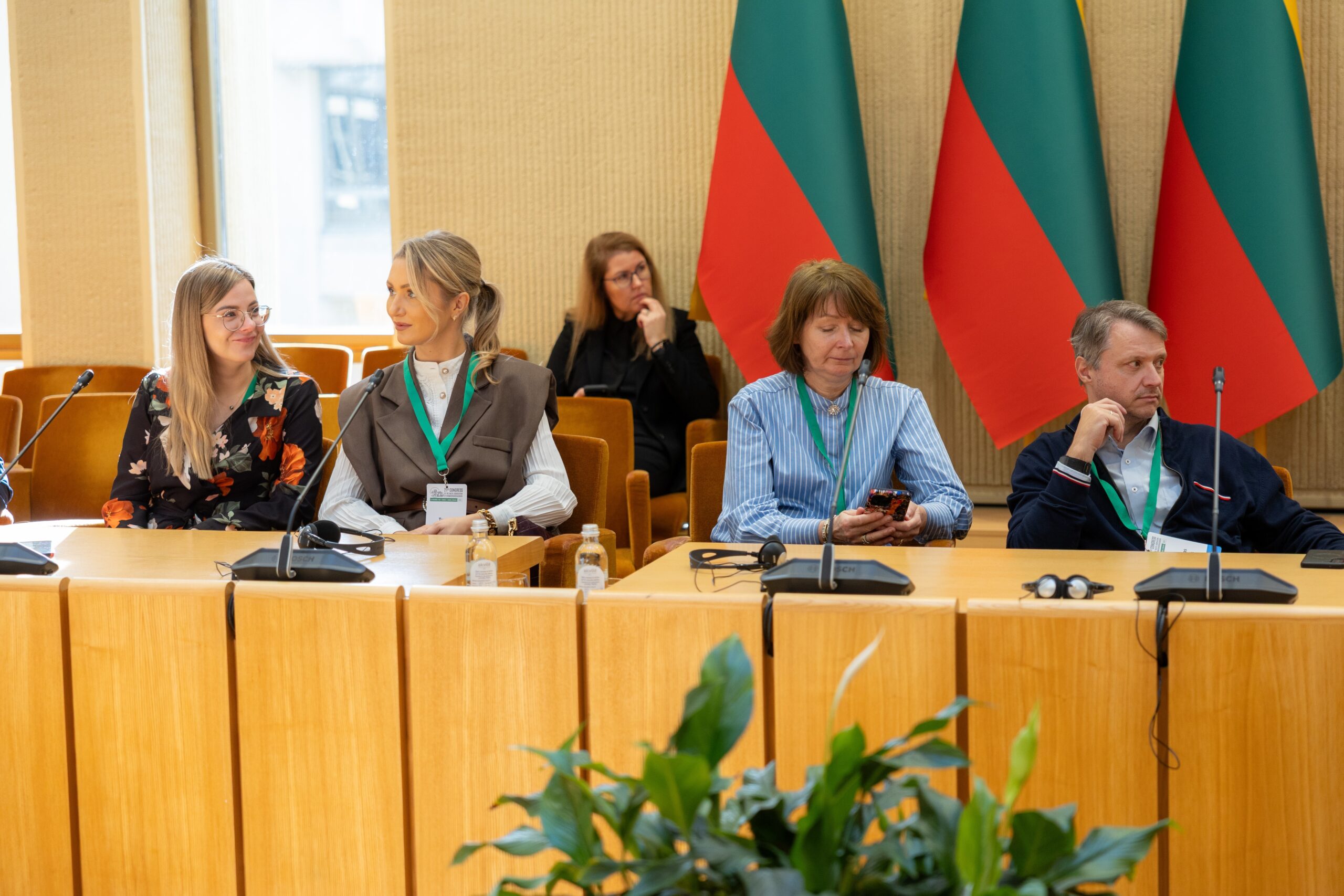
The Congress was organised by the Baltic Association of Dermatovenereologists, the Kaunas Regional Society of Dermatovenereologists, the Lithuanian University of Health Sciences (LSMU) and the Faculty of Medicine of Vilnius University. The scientific programme held in Kaunas on the first day focused on the latest research and clinical practice, while the second day featured an international expert forum, “The Current State and the Future of Dermatovenereology in the Baltics”, held at the Seimas of the Republic of Lithuania.
Scientific advances and new treatment options
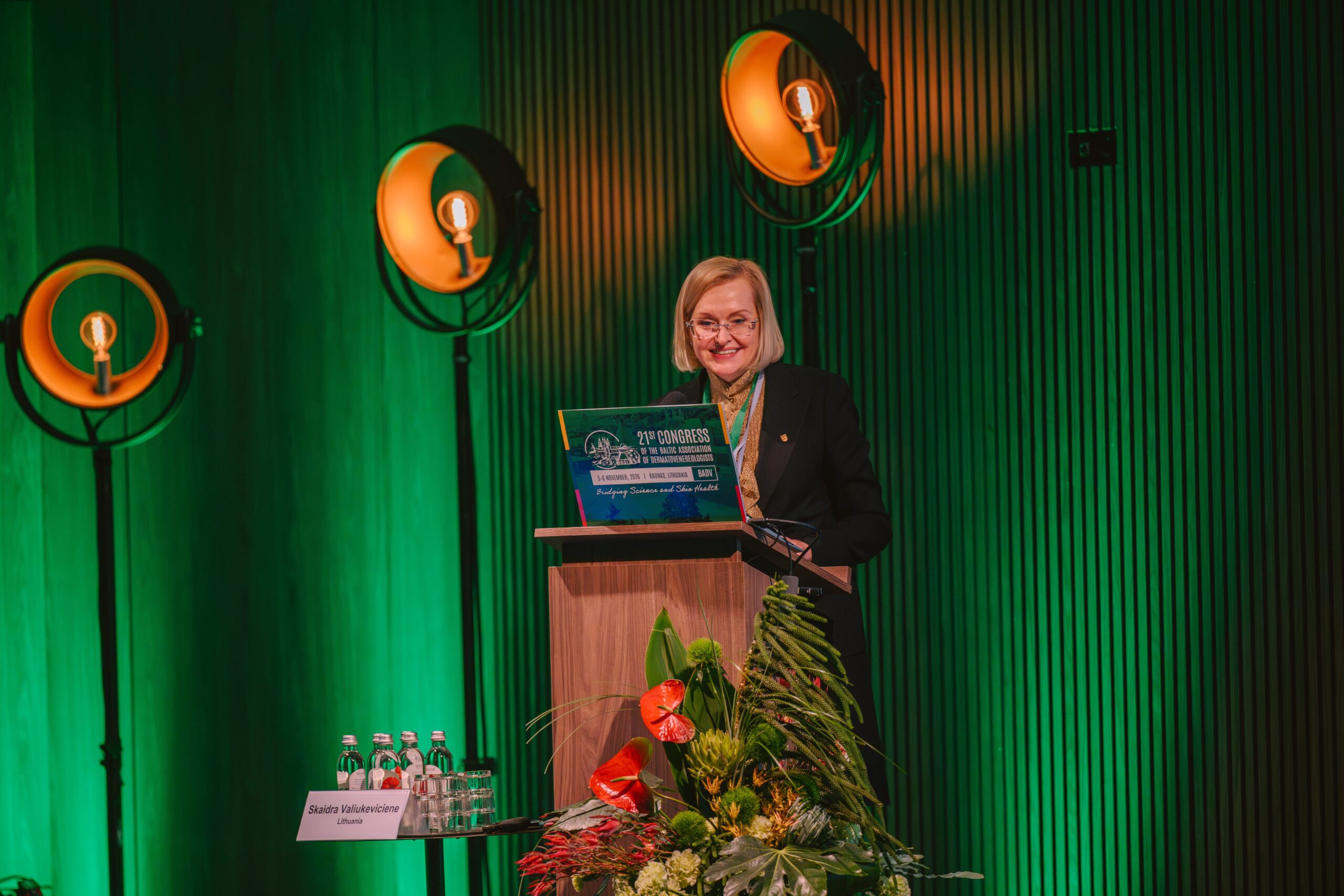
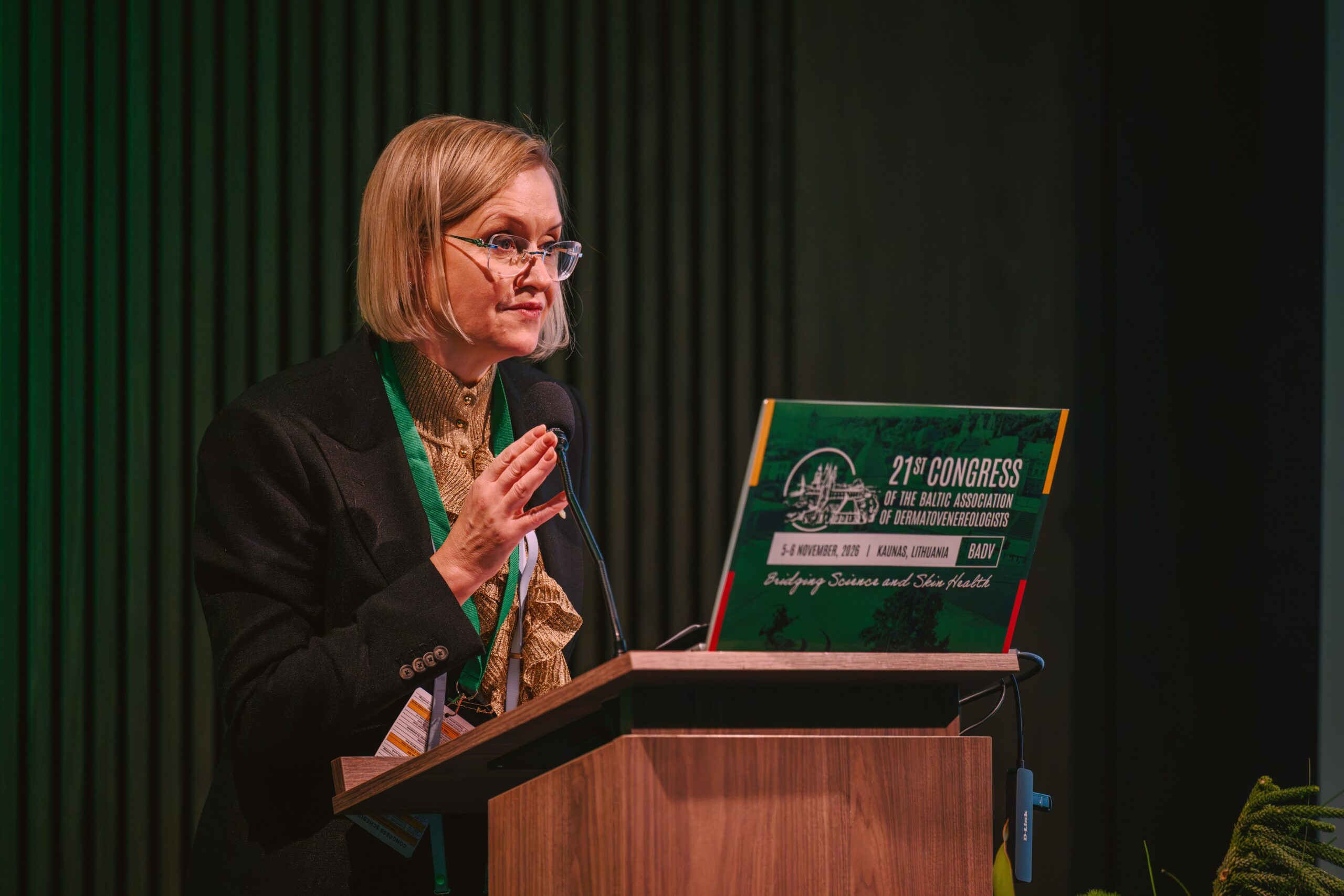
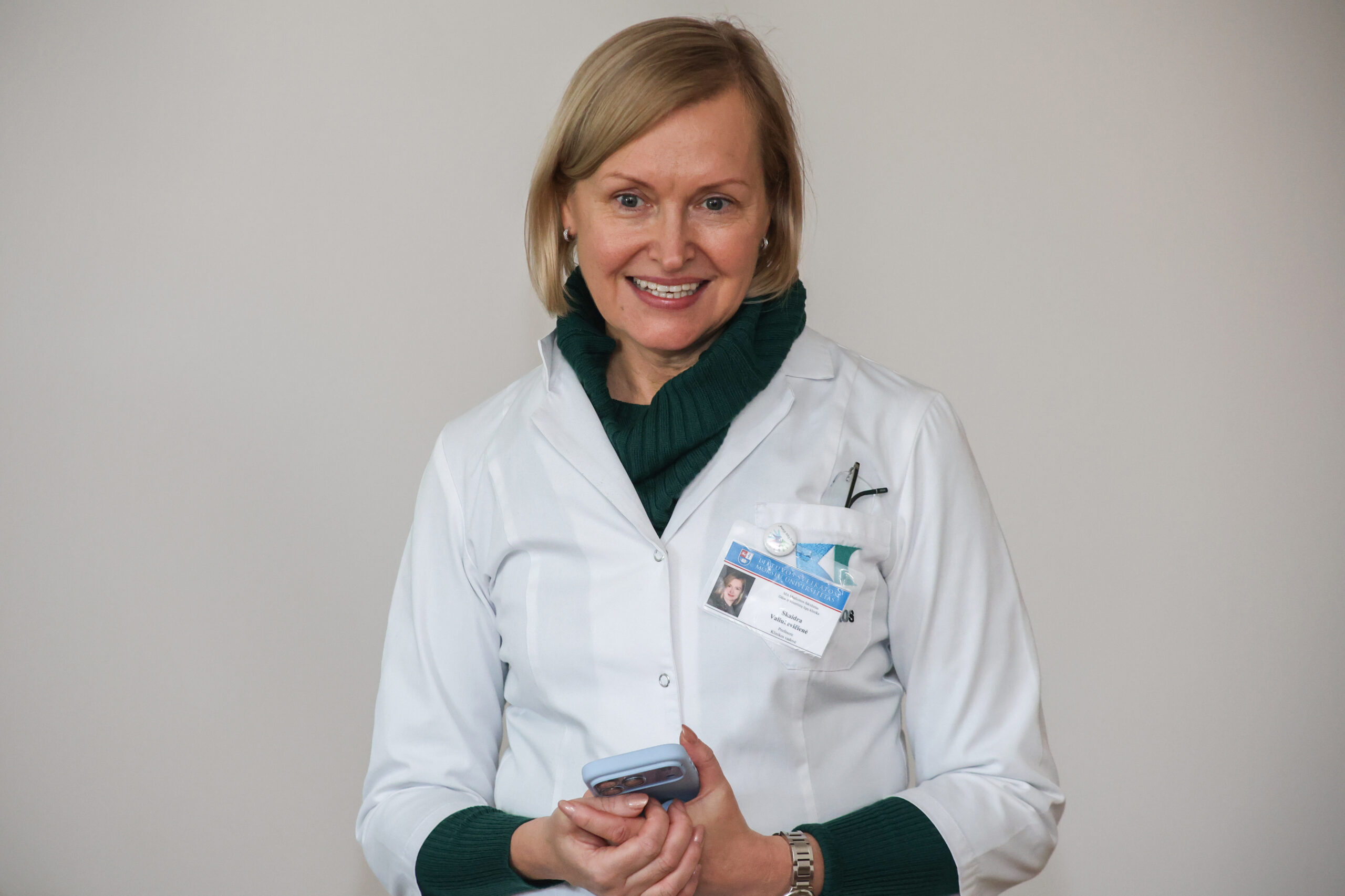
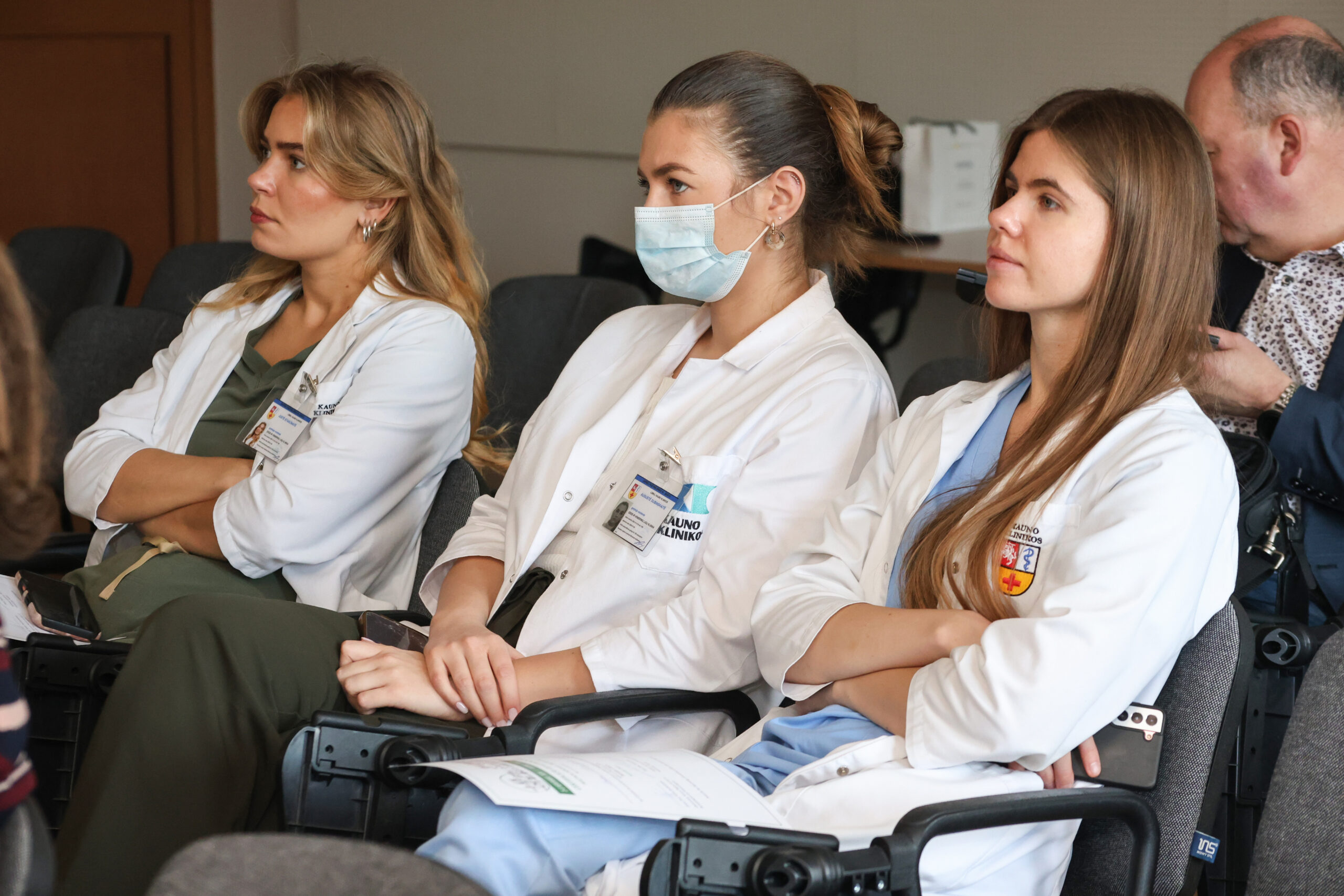
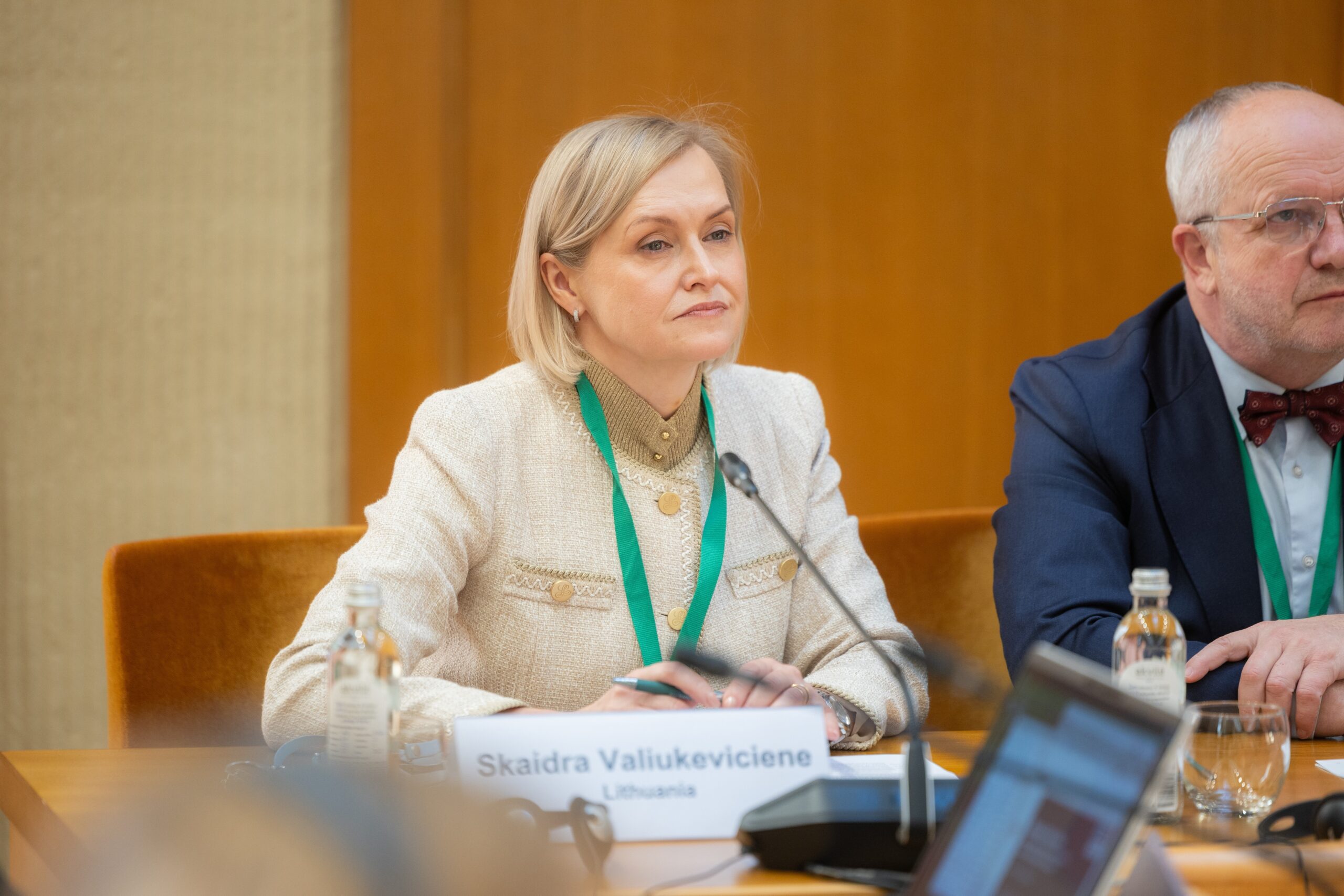
According to Prof. Skaidra Valiukevičienė, Head of the Department of Skin and Venereal Diseases at the LSMU Faculty of Medicine and Chair of the Congress, the event was attended by specialists from the Baltic States, Poland, Germany, Taiwan, Italy, the United States, Slovenia, Ireland, Sweden and Ukraine. The Congress programme included around 40 oral presentations and a similar number of poster presentations, with a separate session dedicated to the work of early-career researchers and students.
“The main idea behind our Congress is to bring science and practice together. Dermatovenereology is currently a highly advanced field of medicine as a result of the scientific research and work carried out over the years. We have increasing opportunities to control chronic inflammatory skin diseases and apply advanced treatments for melanoma and rare skin diseases,” said Prof. S. Valiukevičienė.
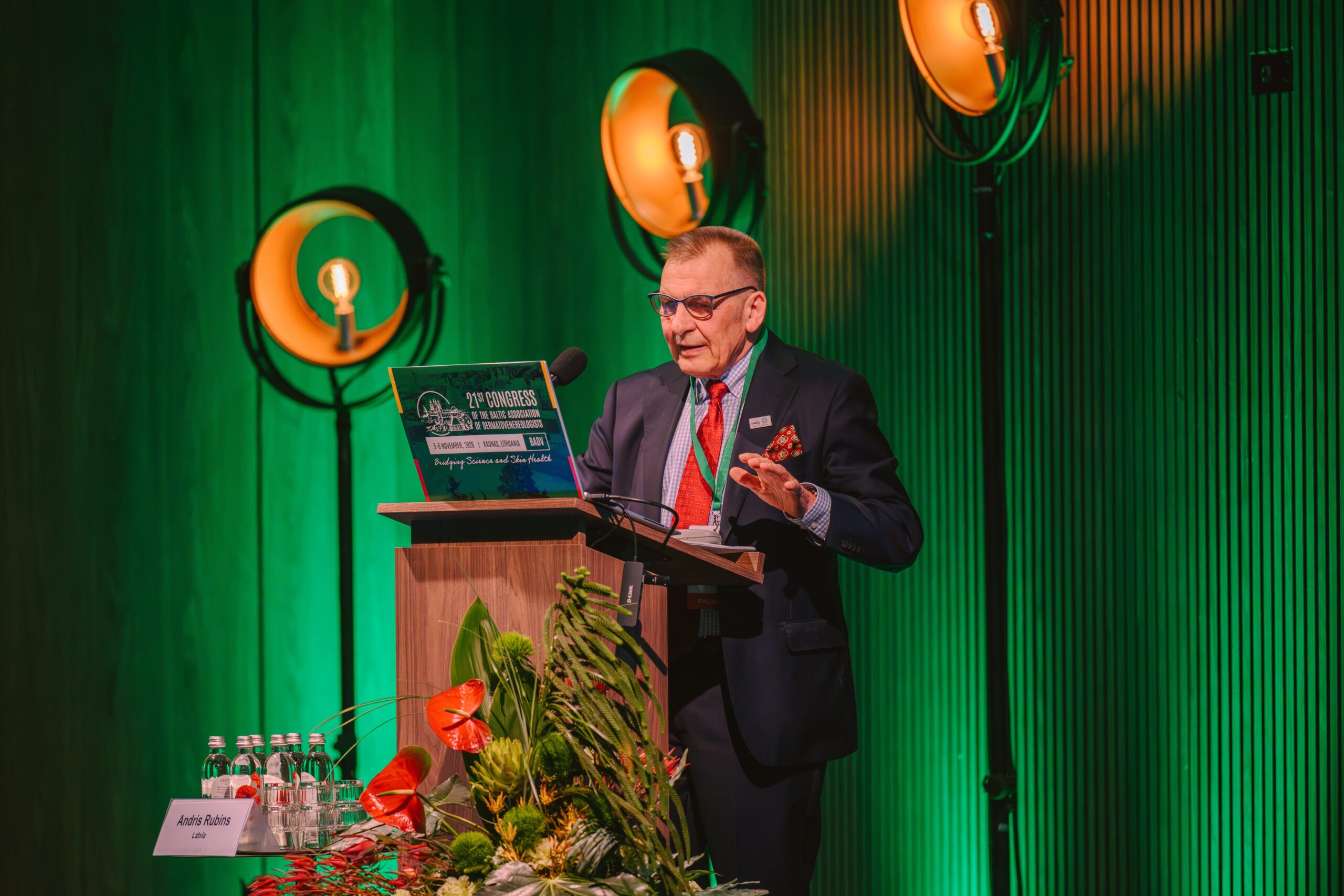
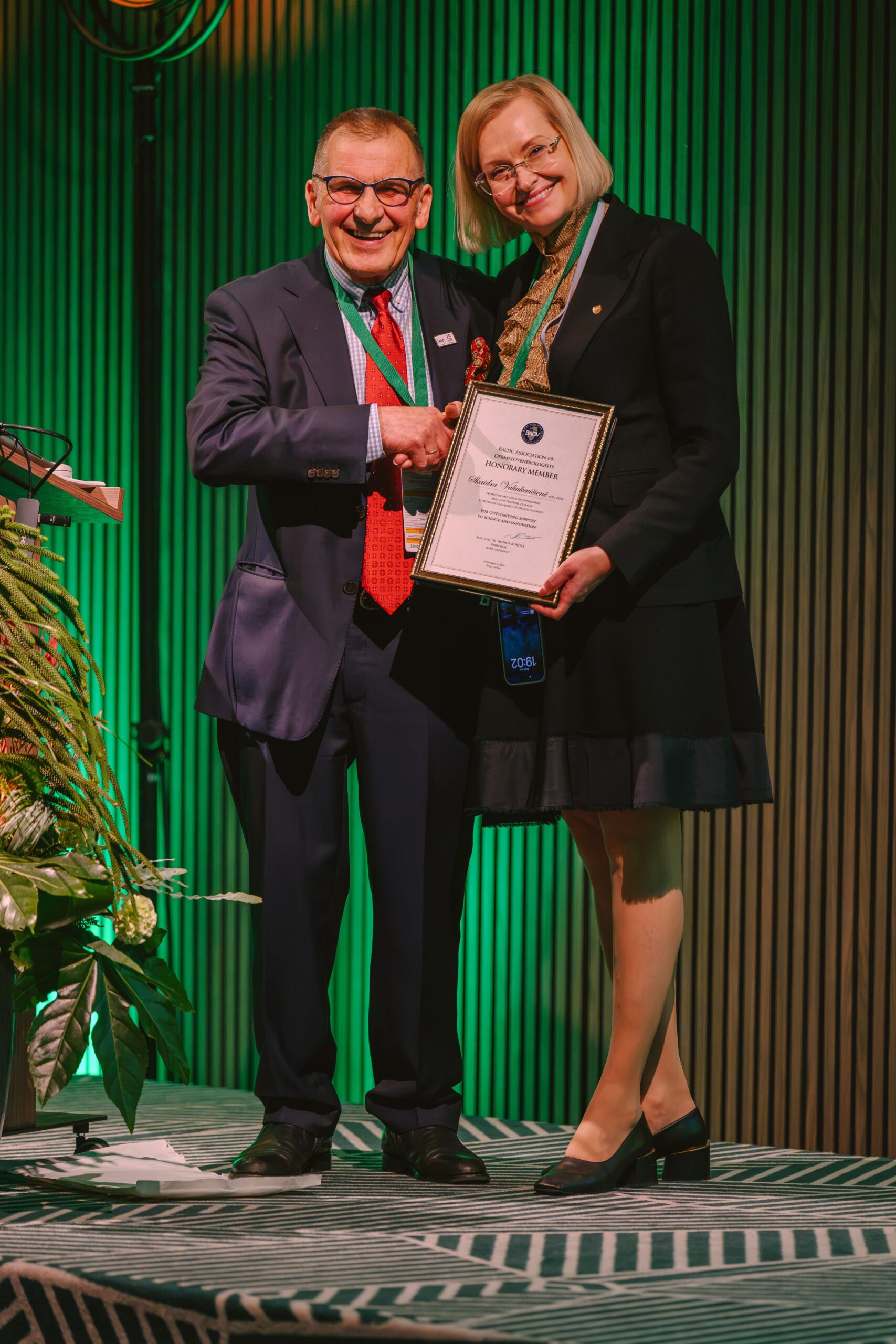
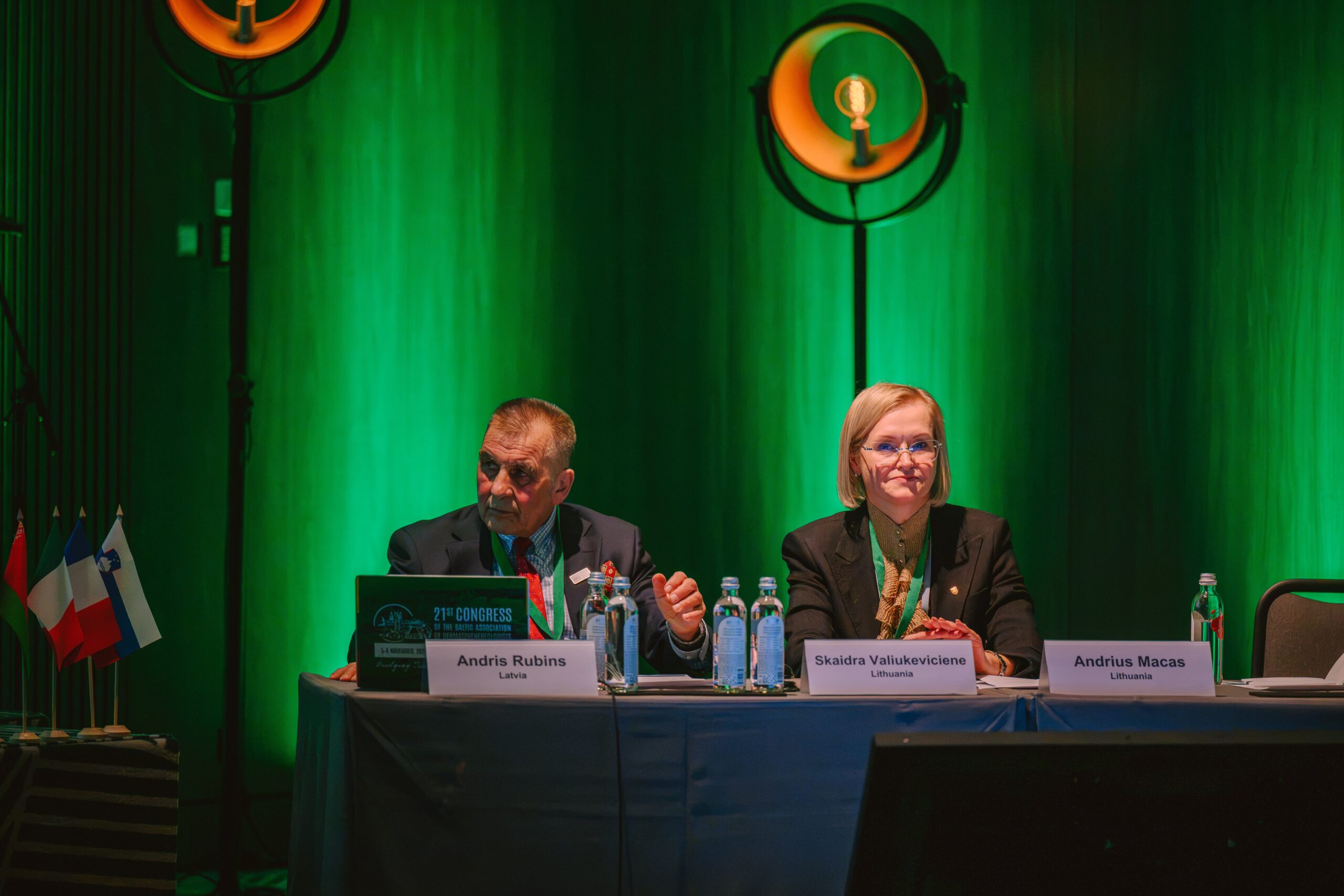
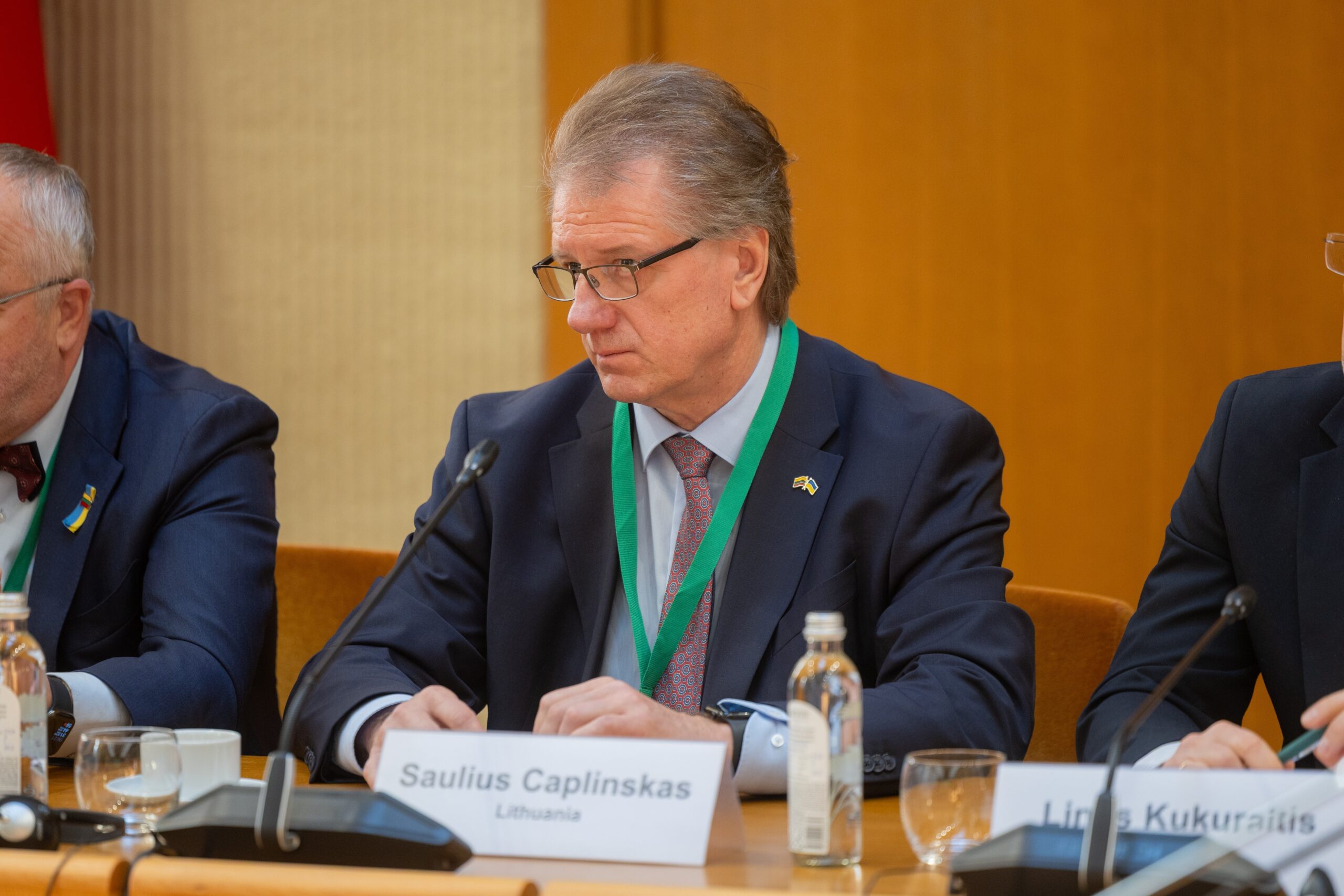
On behalf of the Organising Committee, the Professor thanked BADV President Prof. Andris Rubins, who founded BADV in 1990 and continues the successful tradition of annual congresses. She expressed particular gratitude to the event’s Organising Committee: Chair of the Kaunas Regional Society of Dermatologists and Venereologists and Vice-Chair of the BADV Congress Assoc. Prof. Vesta Kučinskienė; Congress Patron and Member of the Seimas Saulius Čaplinskas; Congress Secretary and resident doctor Livija Bakšienė; and practical workshop coordinator Sonata Didžgalvienė, Nursing Administrator at the Department of Skin and Venereal Diseases of Kauno Klinikos.
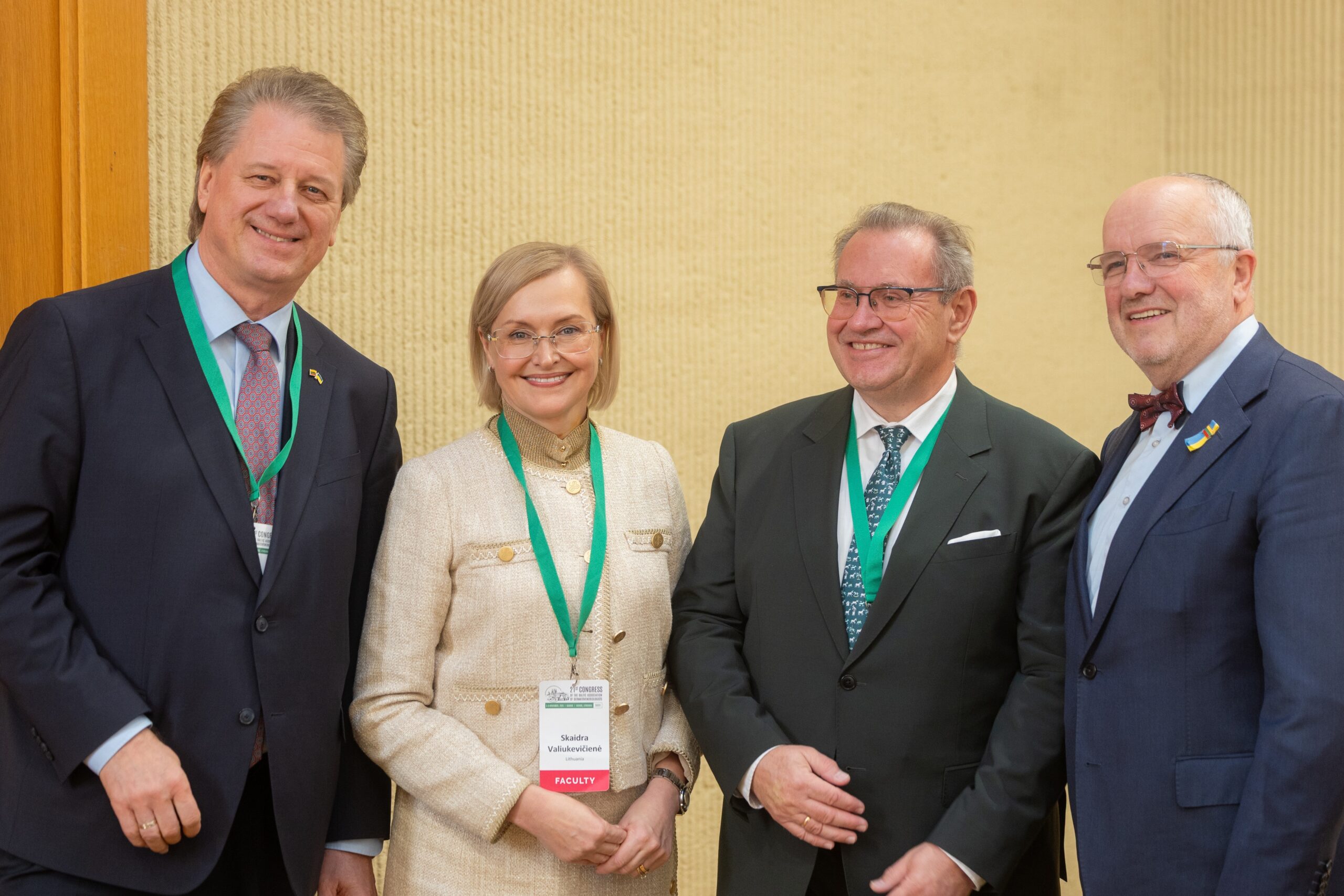
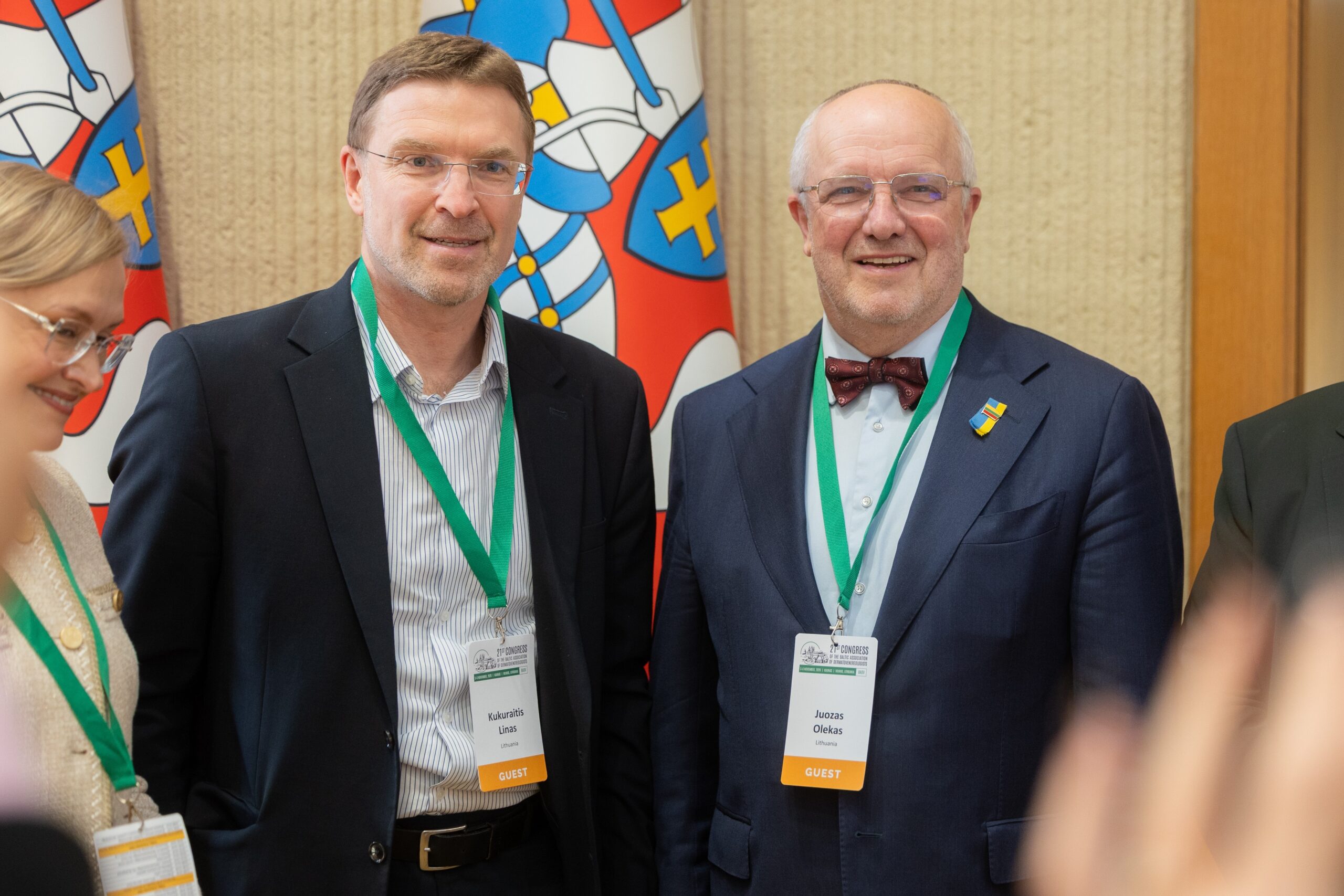
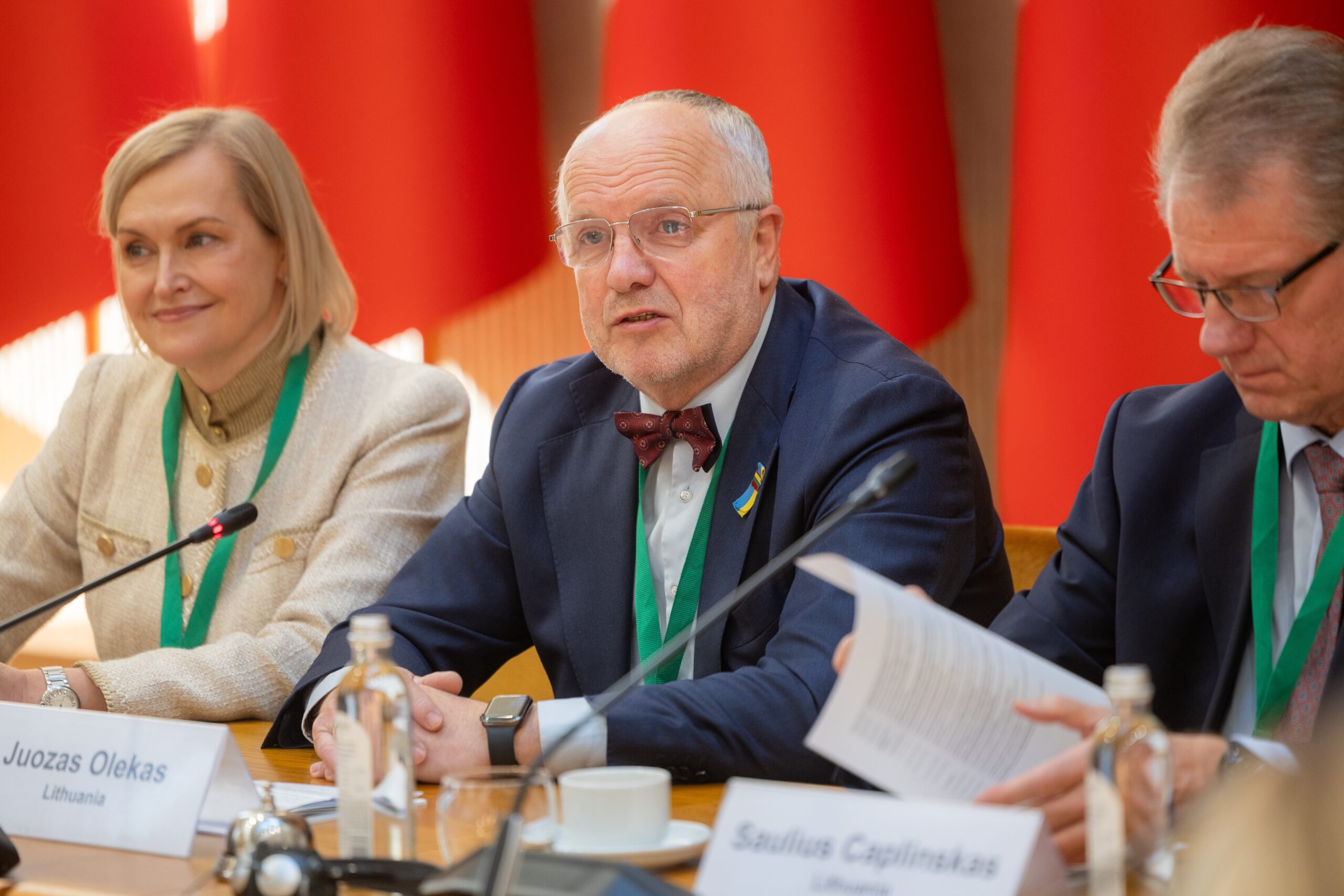
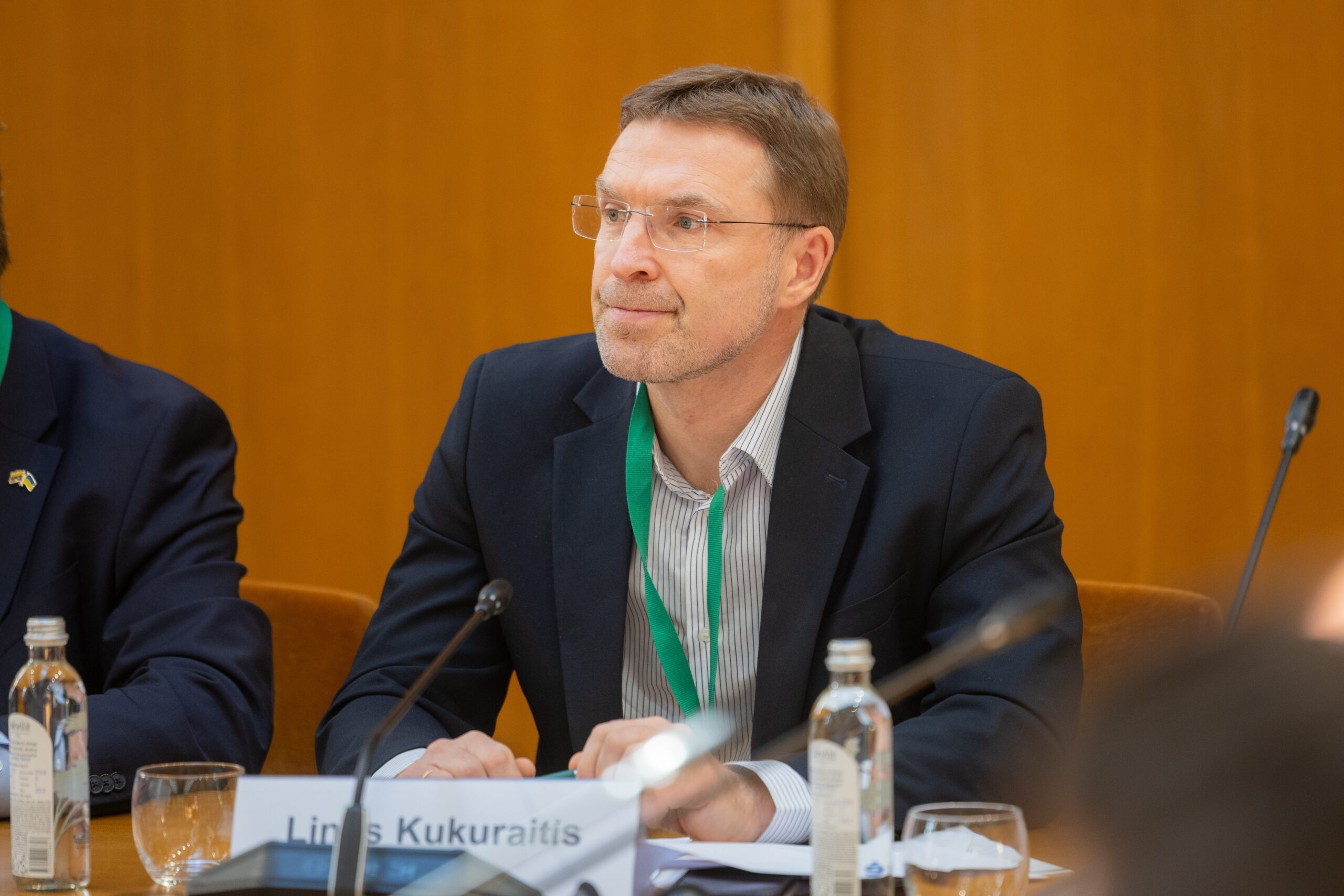
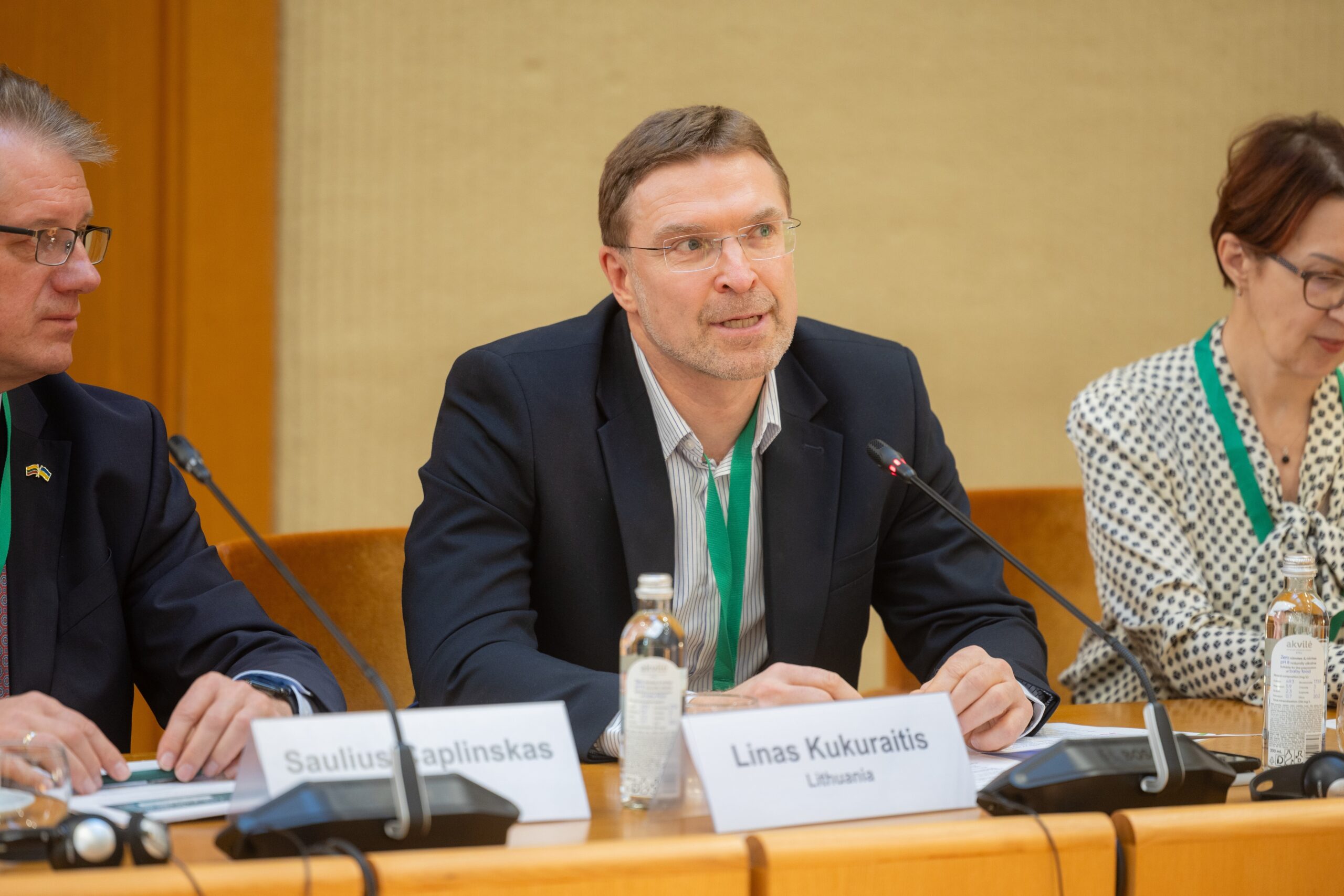
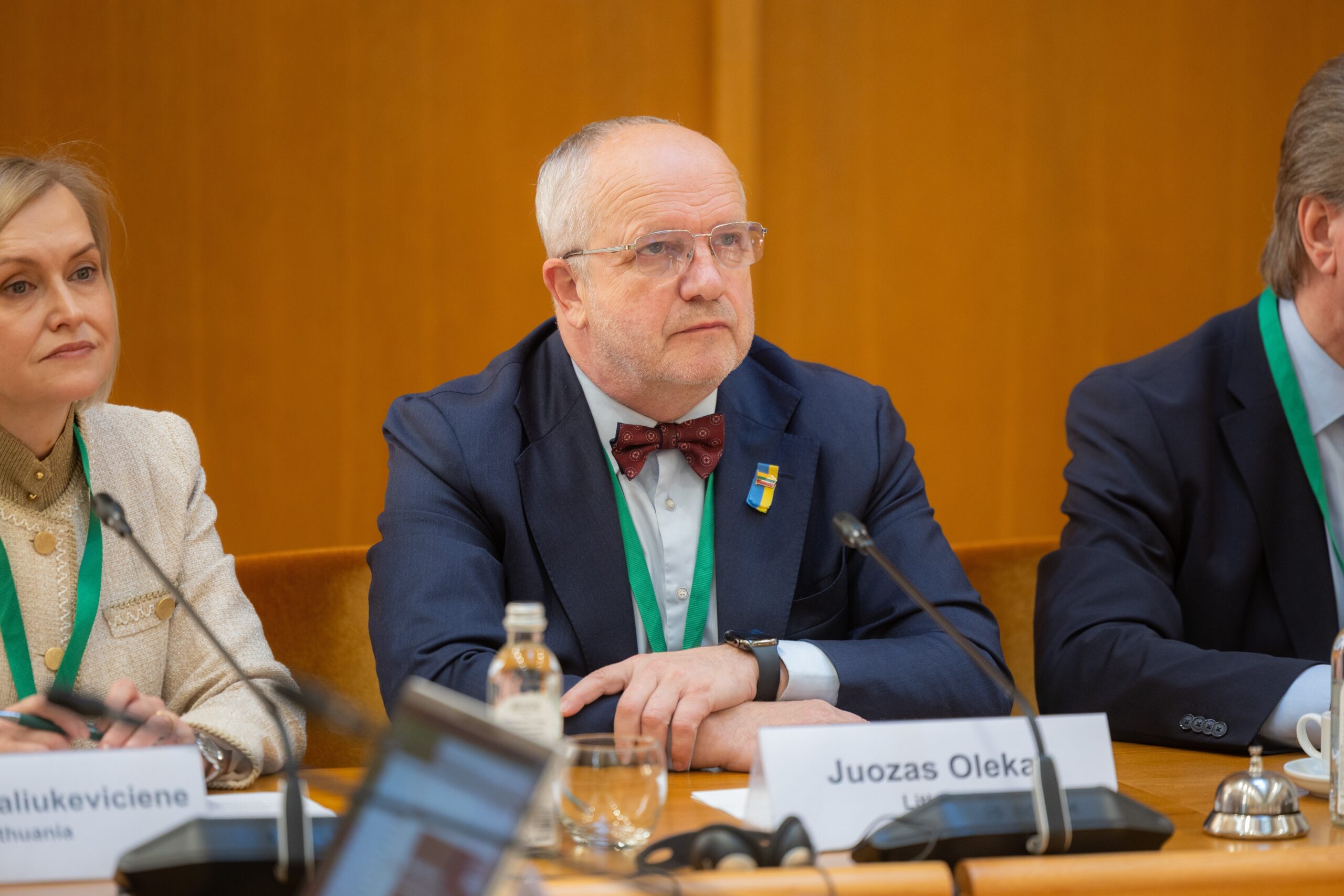
According to the Professor, one of the distinguishing features of this year’s Congress was the intention to extend scientific discussions to the level of health policy. At the expert forum held at the Seimas, specialists and representatives of public authorities examined the current provision of dermatovenereology services, their funding and opportunities to improve patients’ access to specialist care. The expert forum at the Seimas was opened by Speaker of the Seimas Juozas Olekas and Minister of Health Linas Kukuraitis, who warmly welcomed the participants.
Focus on early diagnosis and access to services
With the increasing incidence of skin cancer, melanoma and chronic skin diseases in Lithuania, early detection and timely treatment are becoming particularly important. Disparities in access to dermatovenereology services between the regions and major cities remain one of the most pressing healthcare issues.
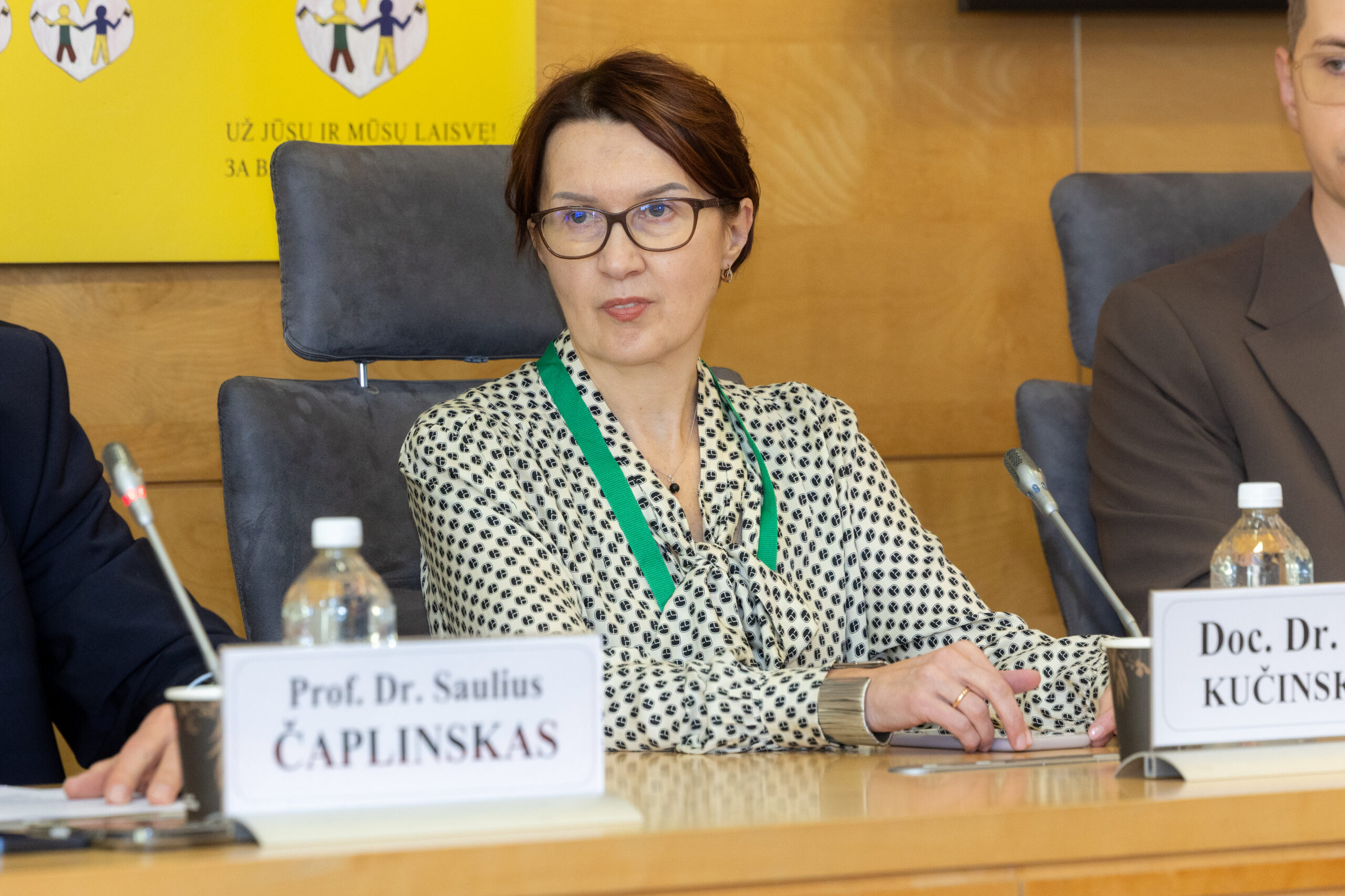
Assoc. Prof. Vesta Kučinskienė of the LSMU Department of Skin and Venereal Diseases emphasised that the diagnosis of oncological and rare skin diseases and access to treatment remain among the main challenges in dermatology. According to her, some skin diseases may form part of more complex syndromes and are therefore not always adequately reflected in disease classifications, making it difficult to assess their prevalence and ensure access to the necessary medicines.
“When it comes to venereology, it is relevant to highlight sexually transmitted infections, which are now asymptomatic in many cases, meaning that patients experience no clinical symptoms. It is especially important to ensure early diagnosis of these infections and access to modern molecular testing for young people. Delayed diagnosis can lead to complications affecting reproductive health and our demographic indicators,” said Assoc. Prof. V. Kučinskienė.
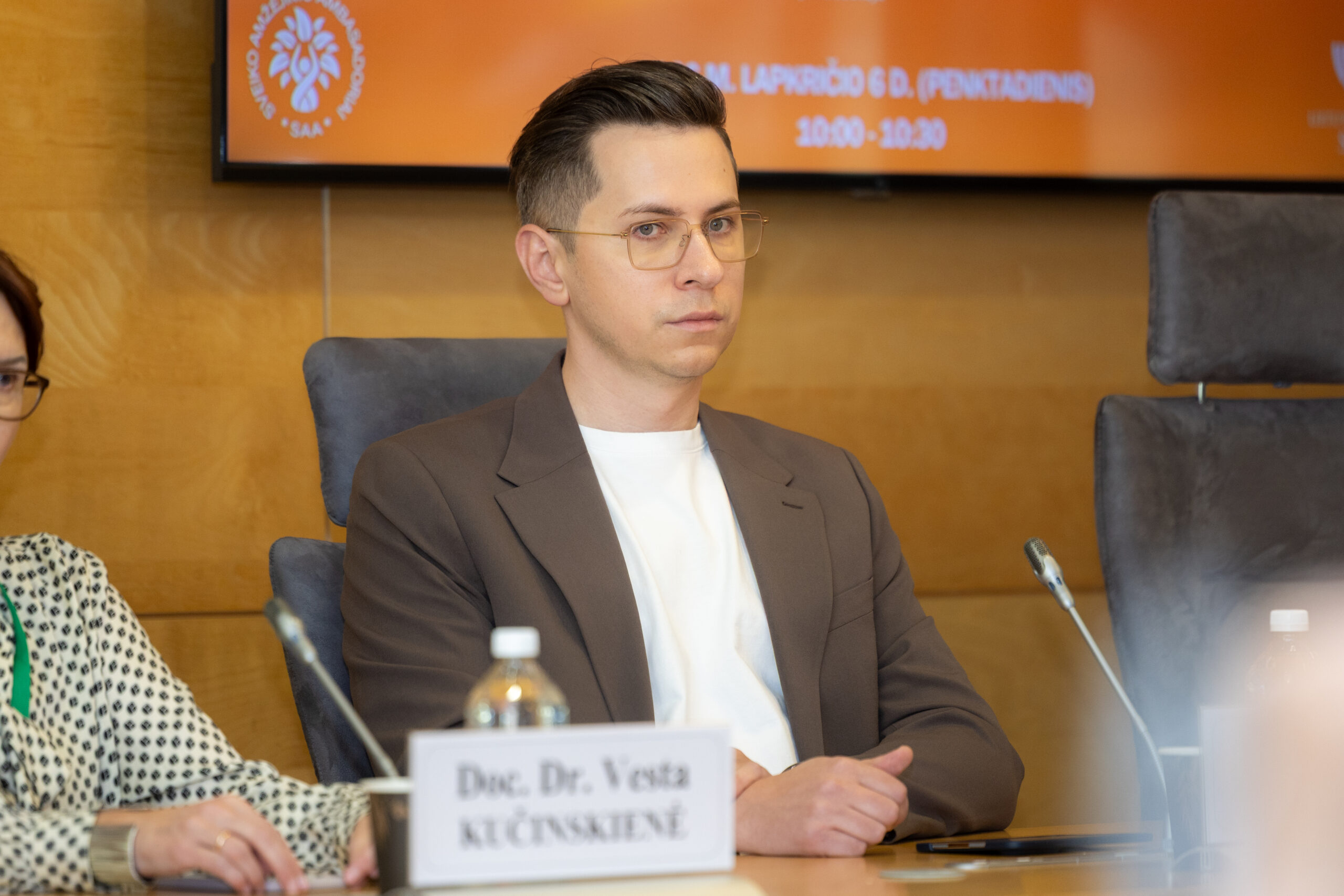
Prof. Skaidra Valiukevičienė noted that improving access to dermatovenereology services requires strengthening the competencies of family doctors and ensuring a clear system for referring patients to specialists. Assoc. Prof. Tadas Raudonis, Head of the Dermatovenereology Centre at Vilnius University Hospital Santaros Klinikos, presented the introduction of teledermatology services, which requires adequate funding for remote consultations, technological infrastructure and the integration of information systems.
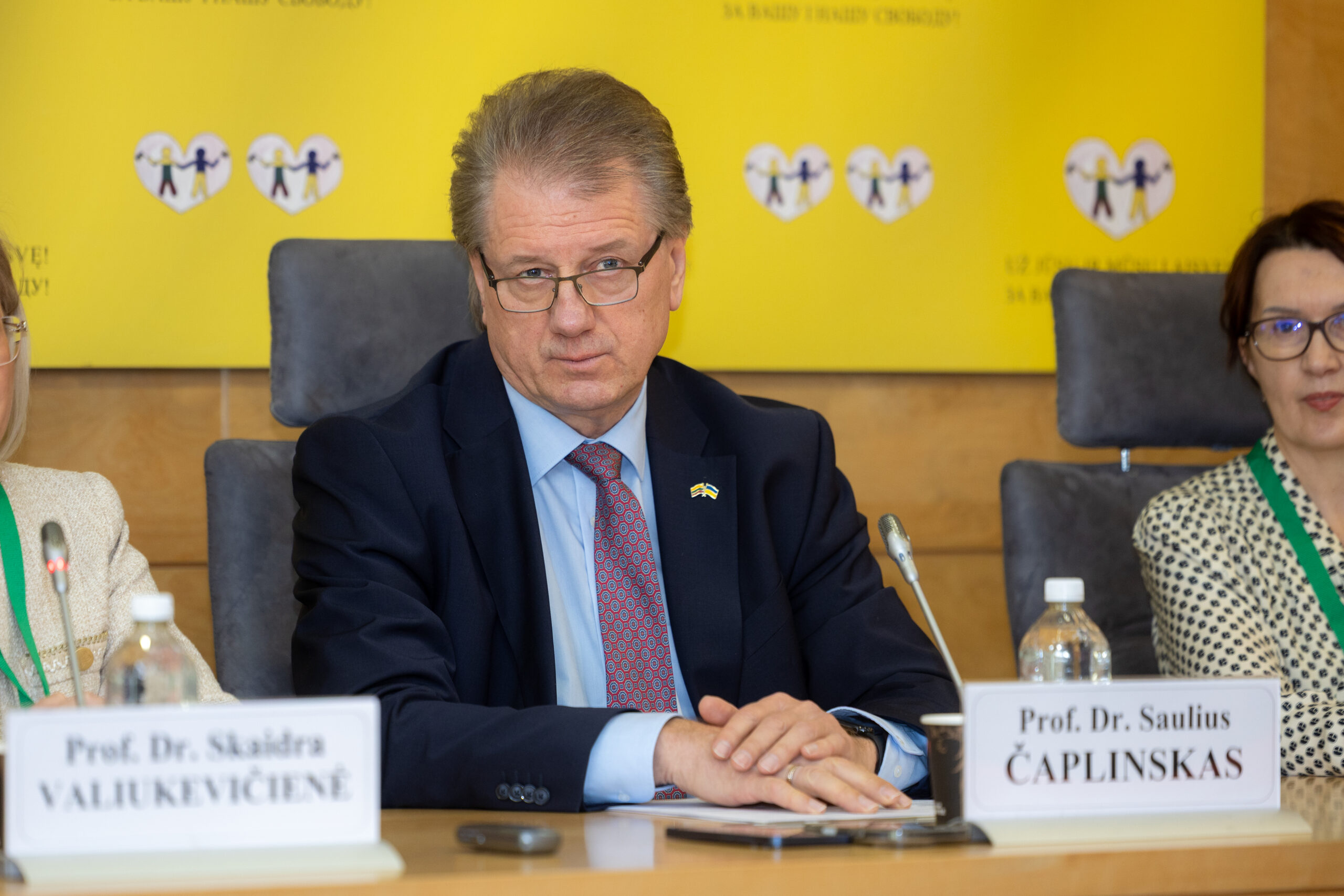
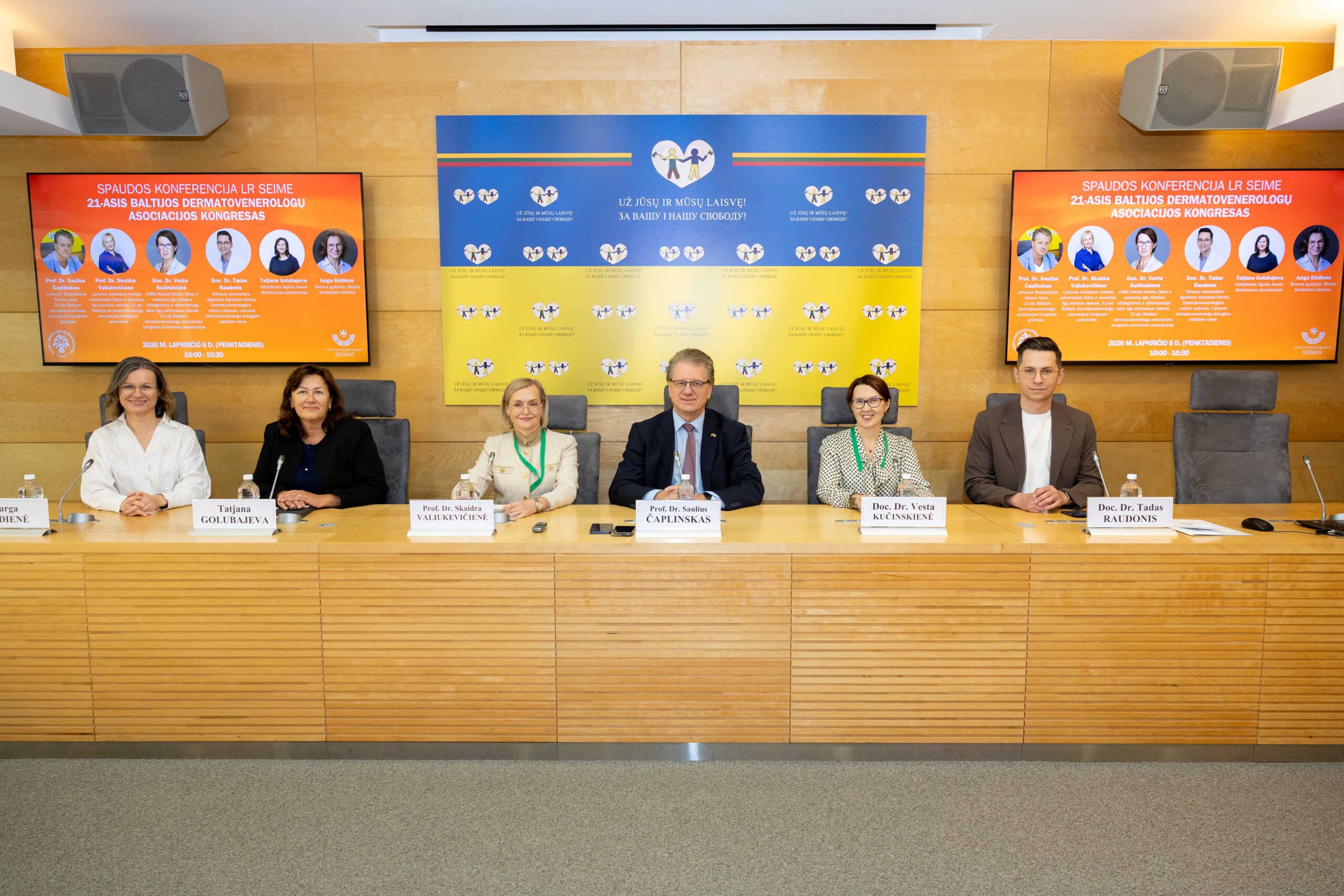
At a press conference held at the Seimas, initiated by Congress Patron and BADV Honorary Member Prof. Saulius Čaplinskas, the invited specialists discussed the need to improve access to innovative medicines for patients with severe atopic dermatitis and alopecia areata, and to expand day hospital services. In the field of sexually transmitted infections, one of the main priorities is to ensure access to modern laboratory diagnostics funded by the Compulsory Health Insurance Fund (CHIF) for people in at-risk groups. There is also a need to reduce the administrative burden on healthcare institutions by simplifying and automating the registration of sexually transmitted infections and HIV cases.
Recognition of research work and development of practical skills
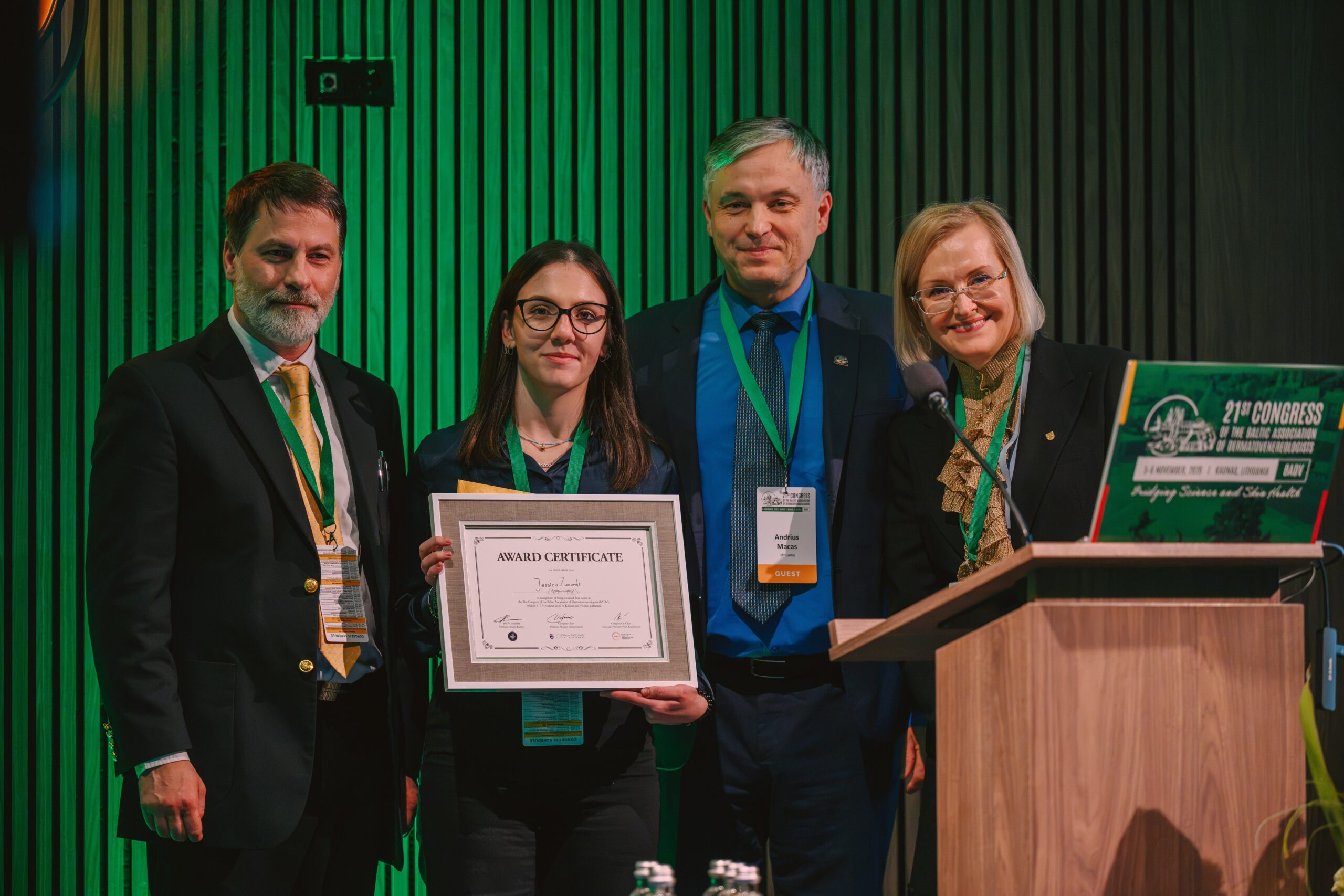
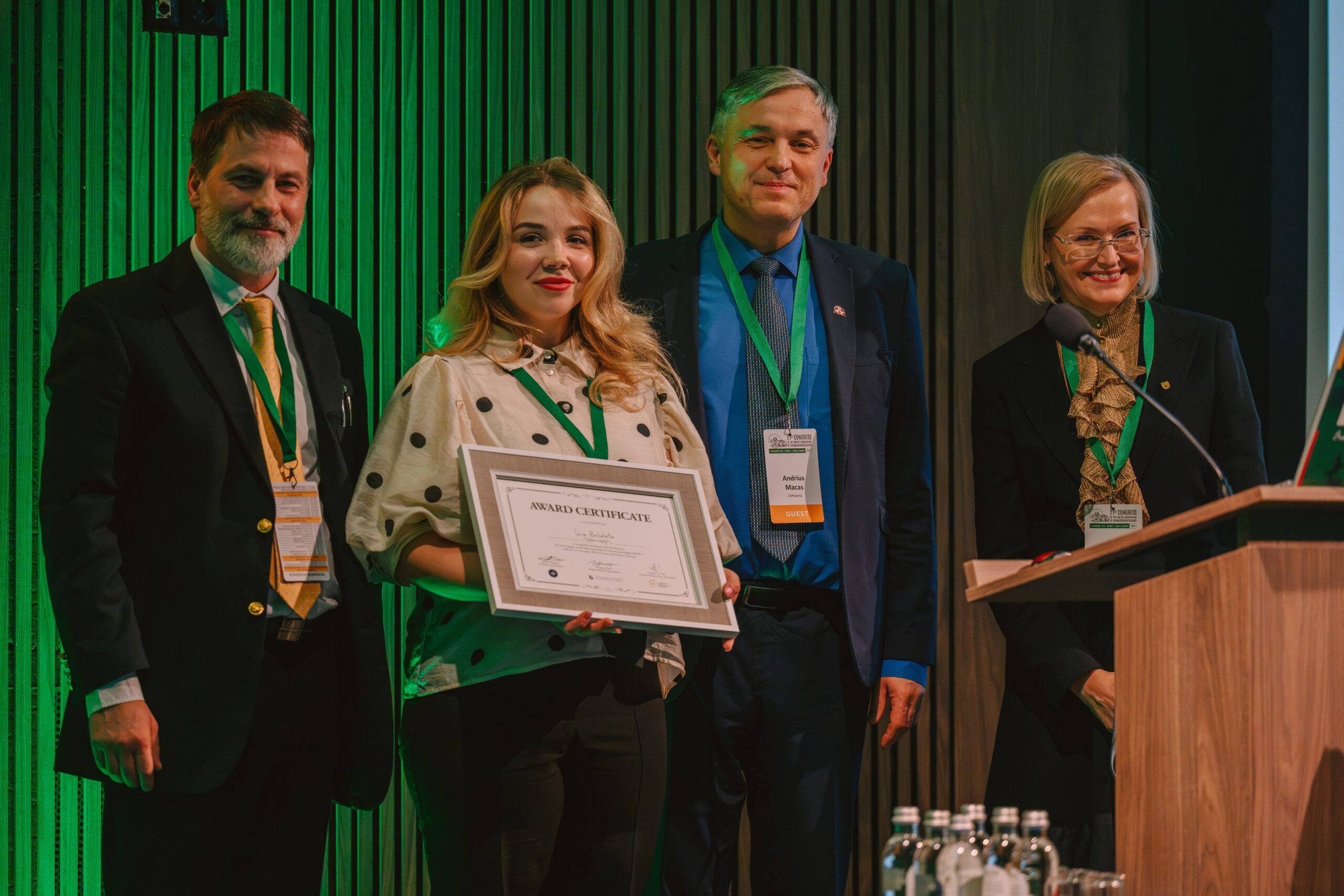
The Congress Committee for the Evaluation of Poster Presentations, comprising Assoc. Prof. Silvestrs Rubins, Assoc. Prof. Sanita Zigure and LSMU doctoral students Kamilė Briedė, Dominyka Stragytė and Agnė Panavienė, evaluated the poster presentations and selected the two best.
One award went to a study by Ieva Birbalaitė, a resident doctor at the LSMU Department of Skin and Venereal Diseases, and her co-authors, examining the prevalence of contact allergy among patients with chronic dermatitis. The other award recognised research by Jessica Zanardi and co-authors from the University of Verona on the efficacy of systemic JAK inhibitors in treating atopic dermatitis.
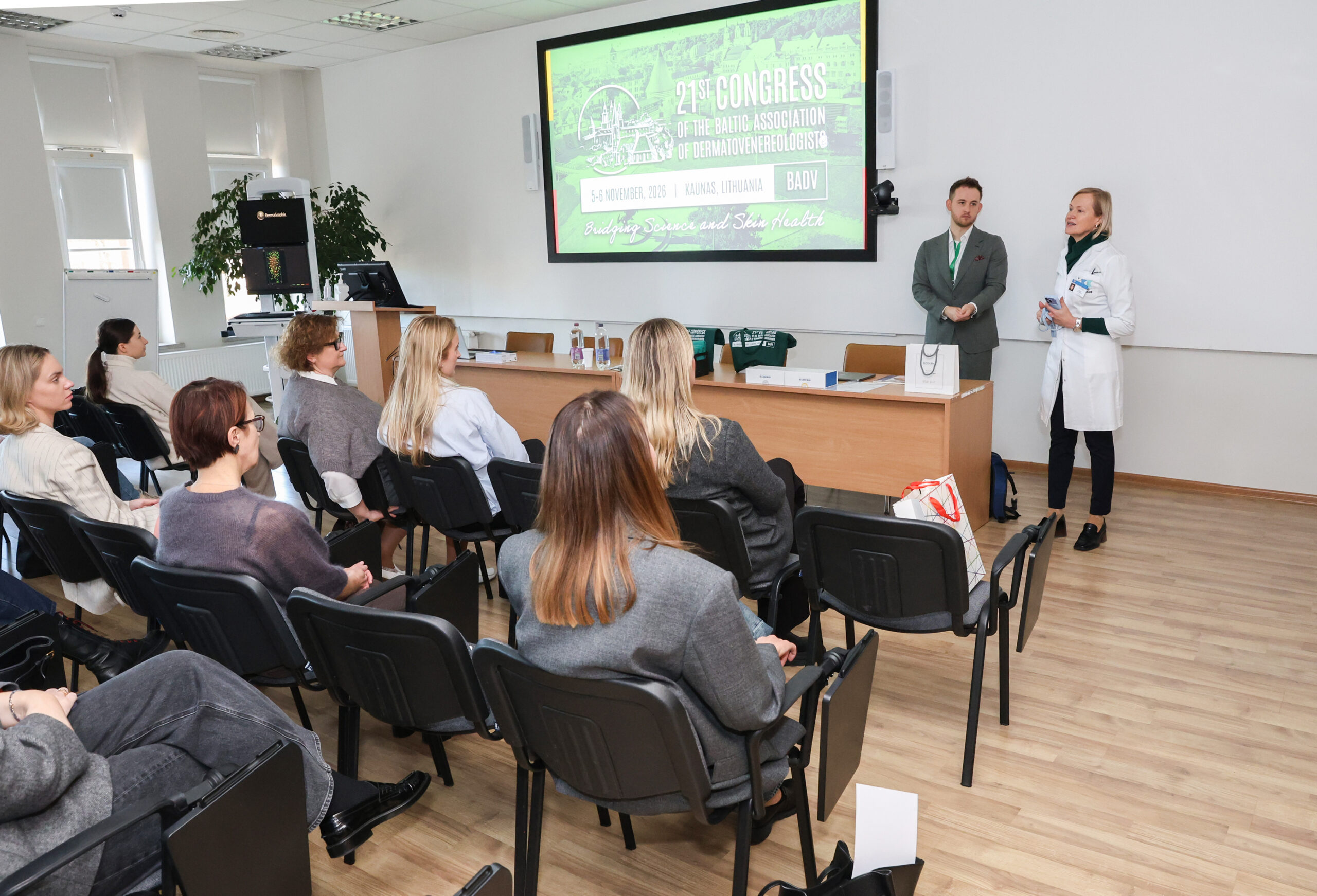
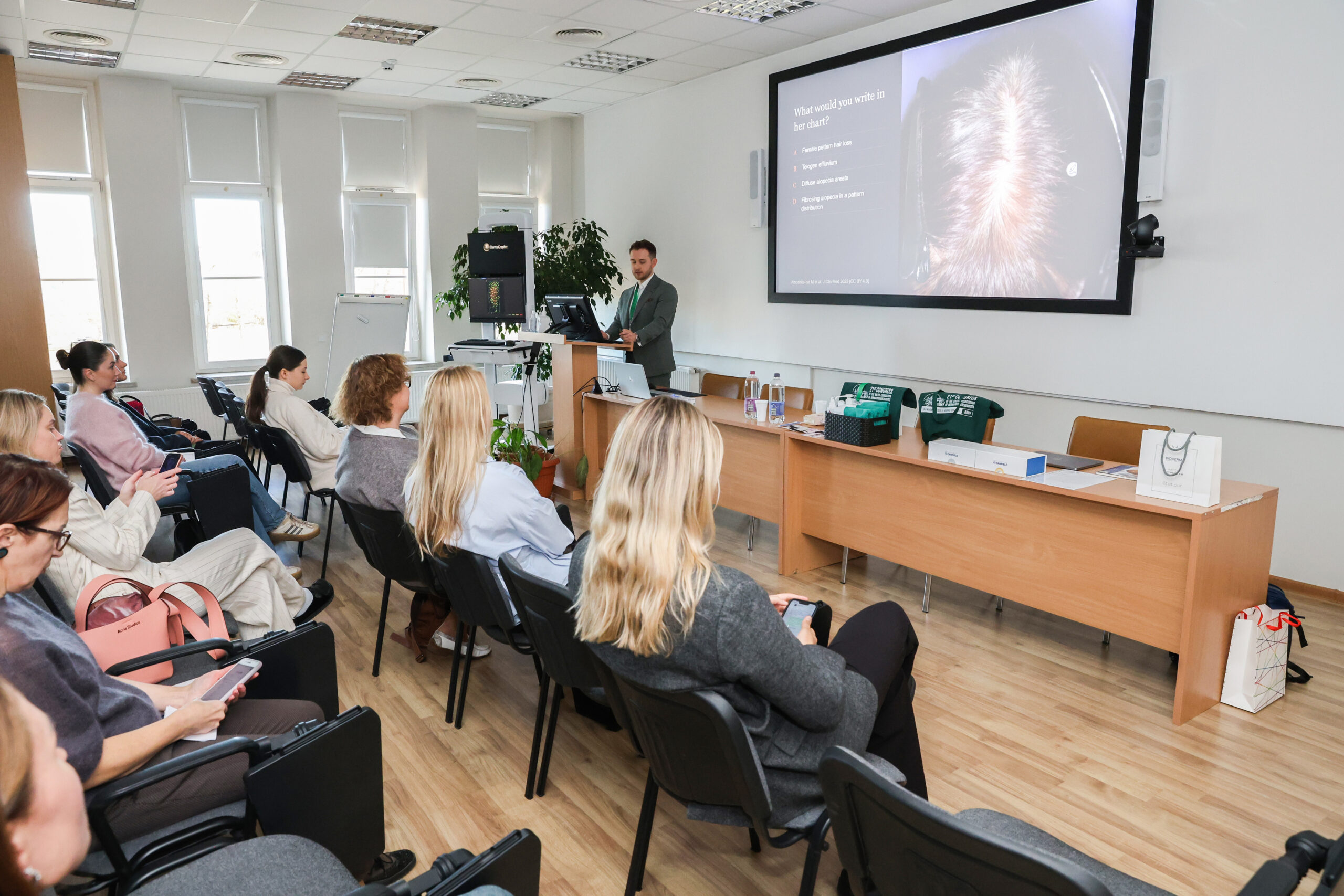
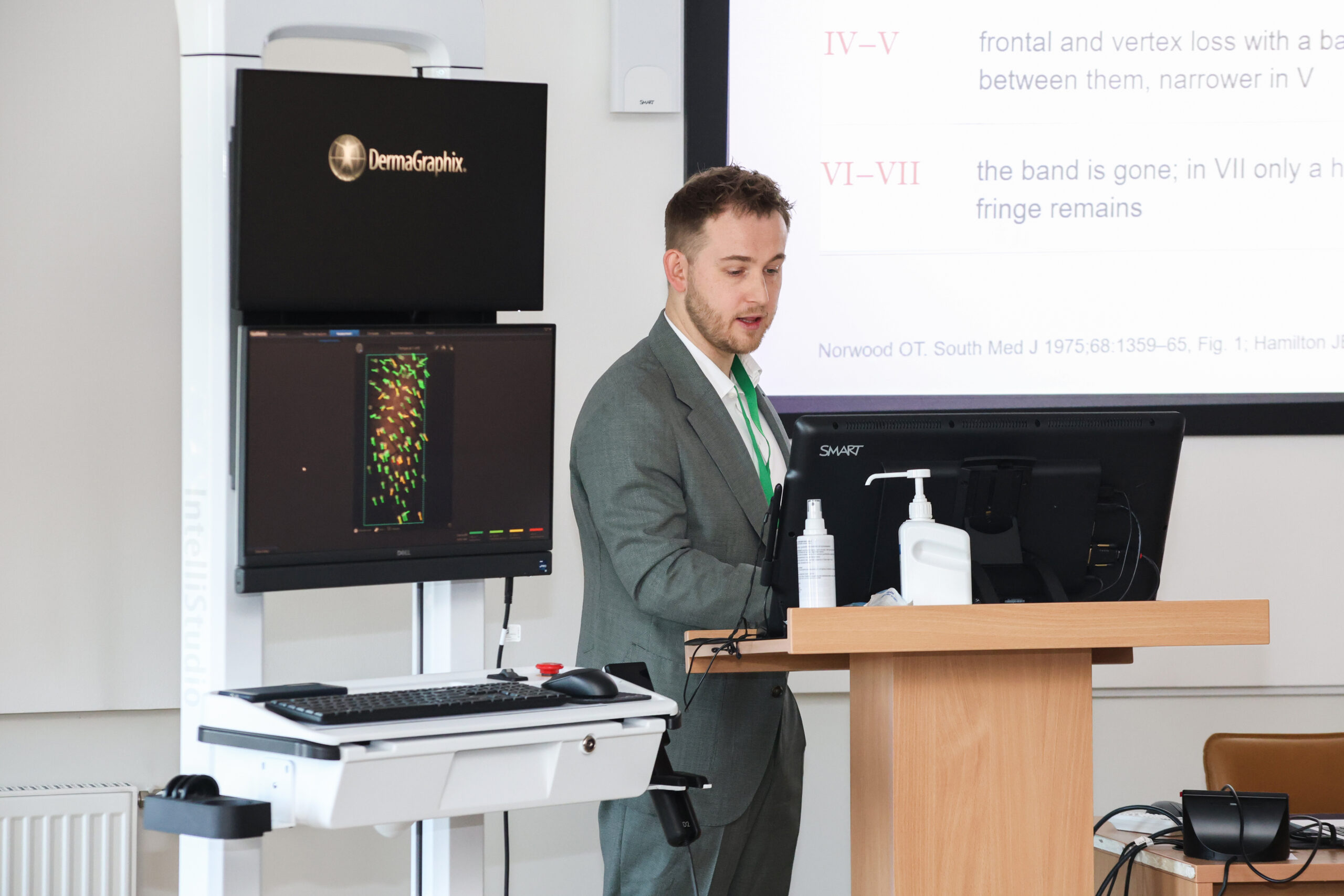
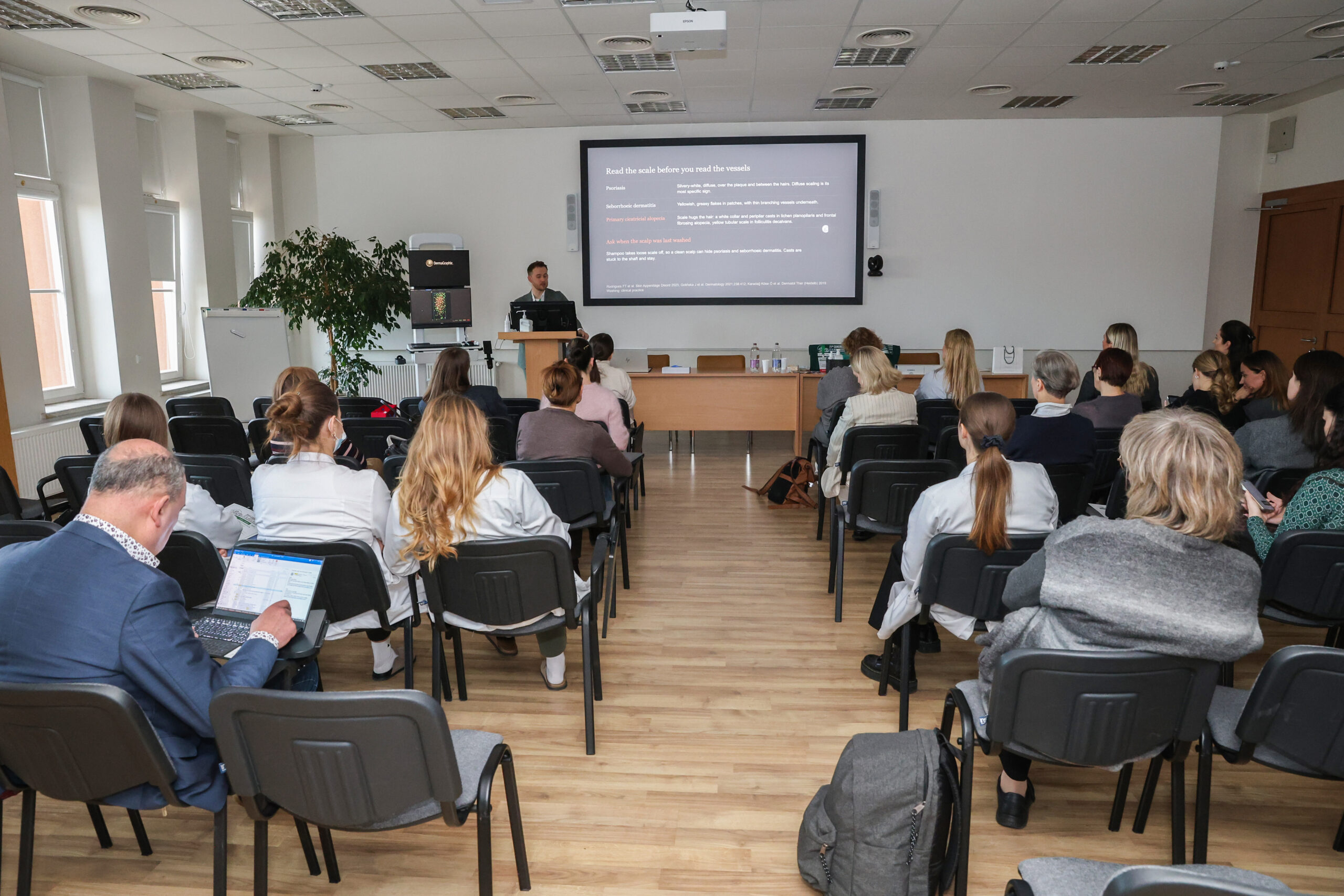
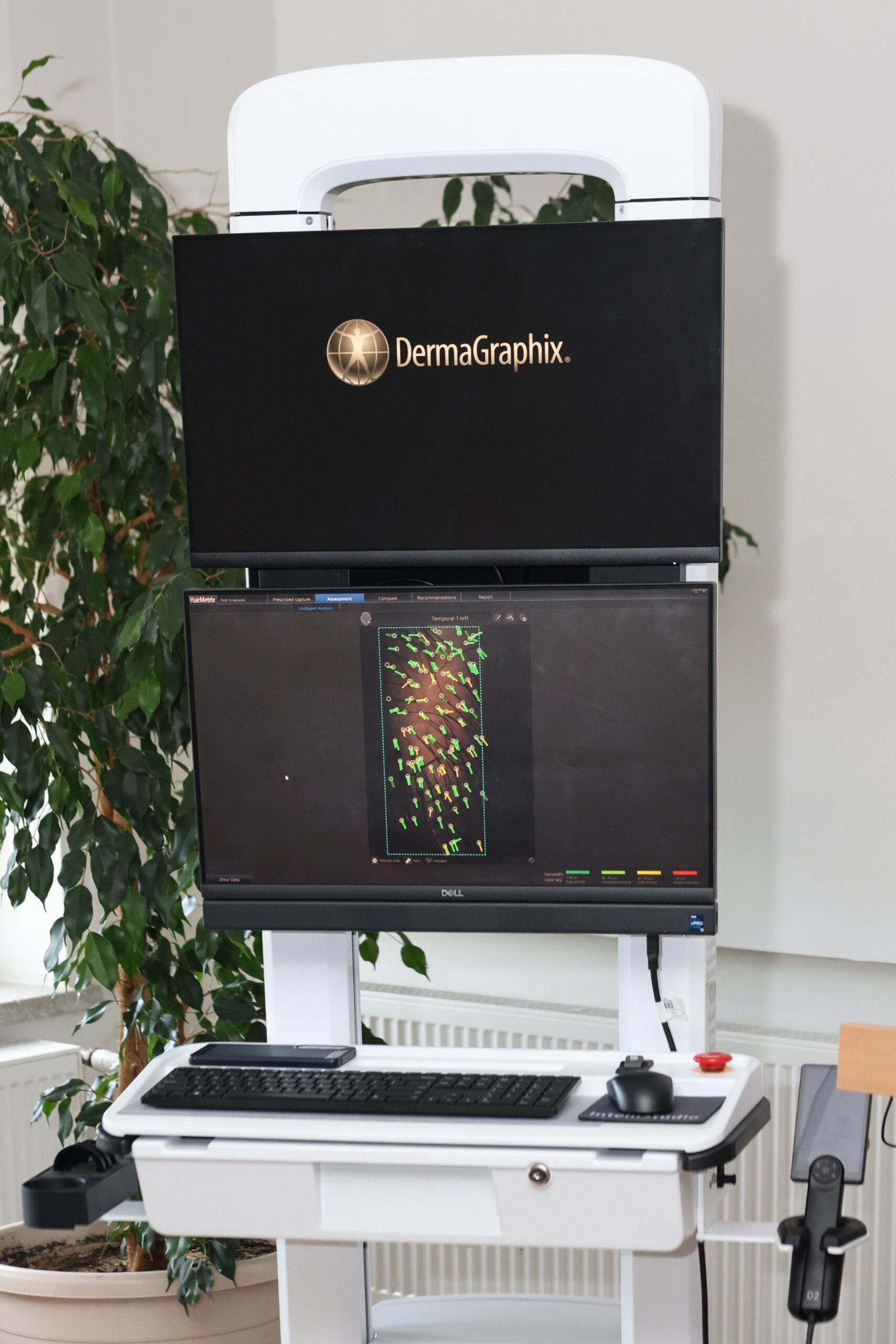
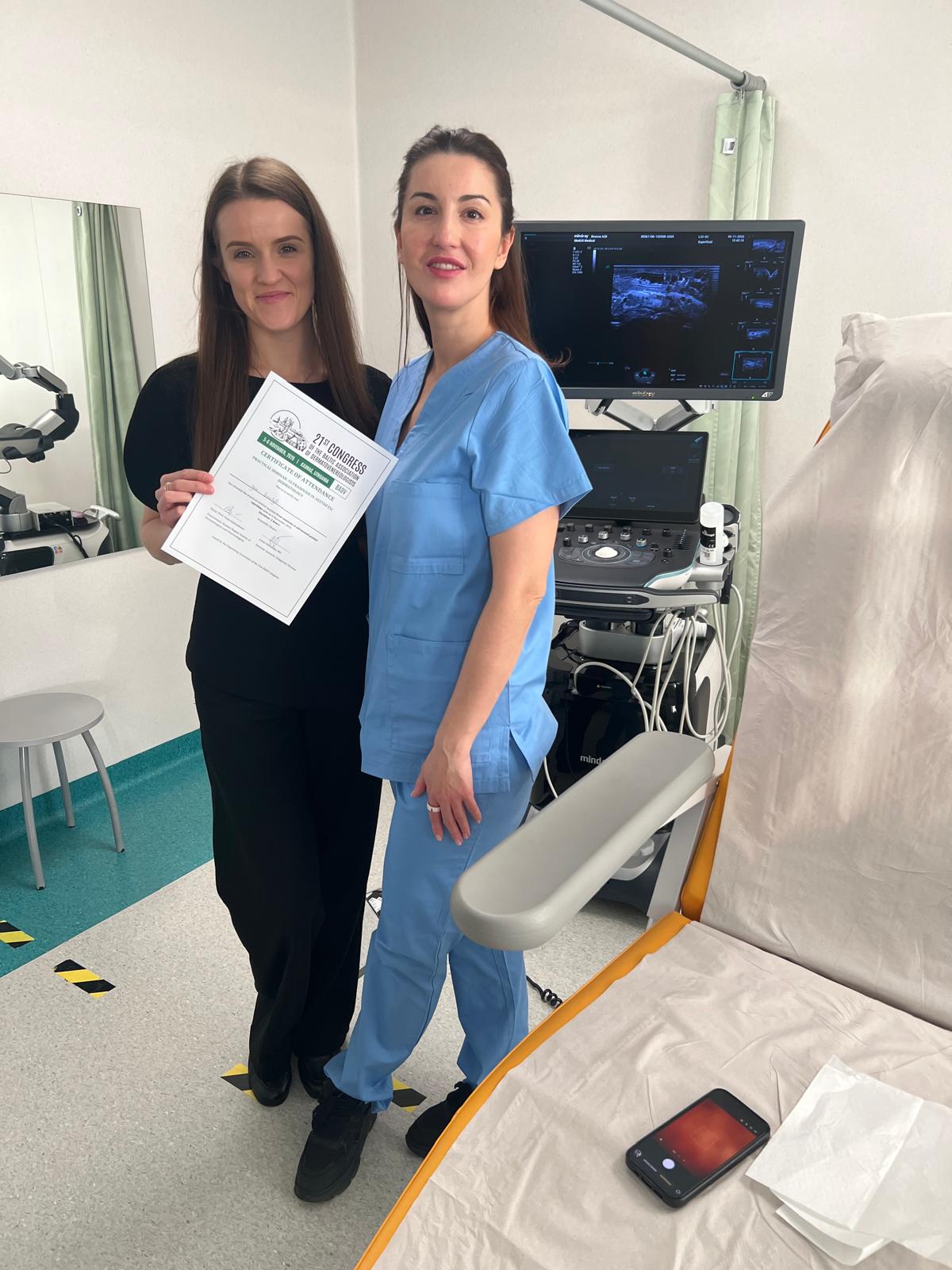
Four practical workshops were organised for dermatovenereologists and resident doctors at the Department of Skin and Venereal Diseases of LSMU Kauno Klinikos. The trichology workshop was led by Prof. Piotr Krajewski from Wrocław, Poland, and Assoc. Prof. Jurgita Makštienė. A new digital technology brought from Germany for examining hair disorders was presented during the workshop. Workshops on aesthetic dermatology were also held, led by Ukrainian lecturers Vladislav Mykhailov and Iryna Smolanka. These workshops focused on the use of high-frequency ultrasound to monitor aesthetic procedures.
Long-standing collaboration with a world-renowned dermatology expert
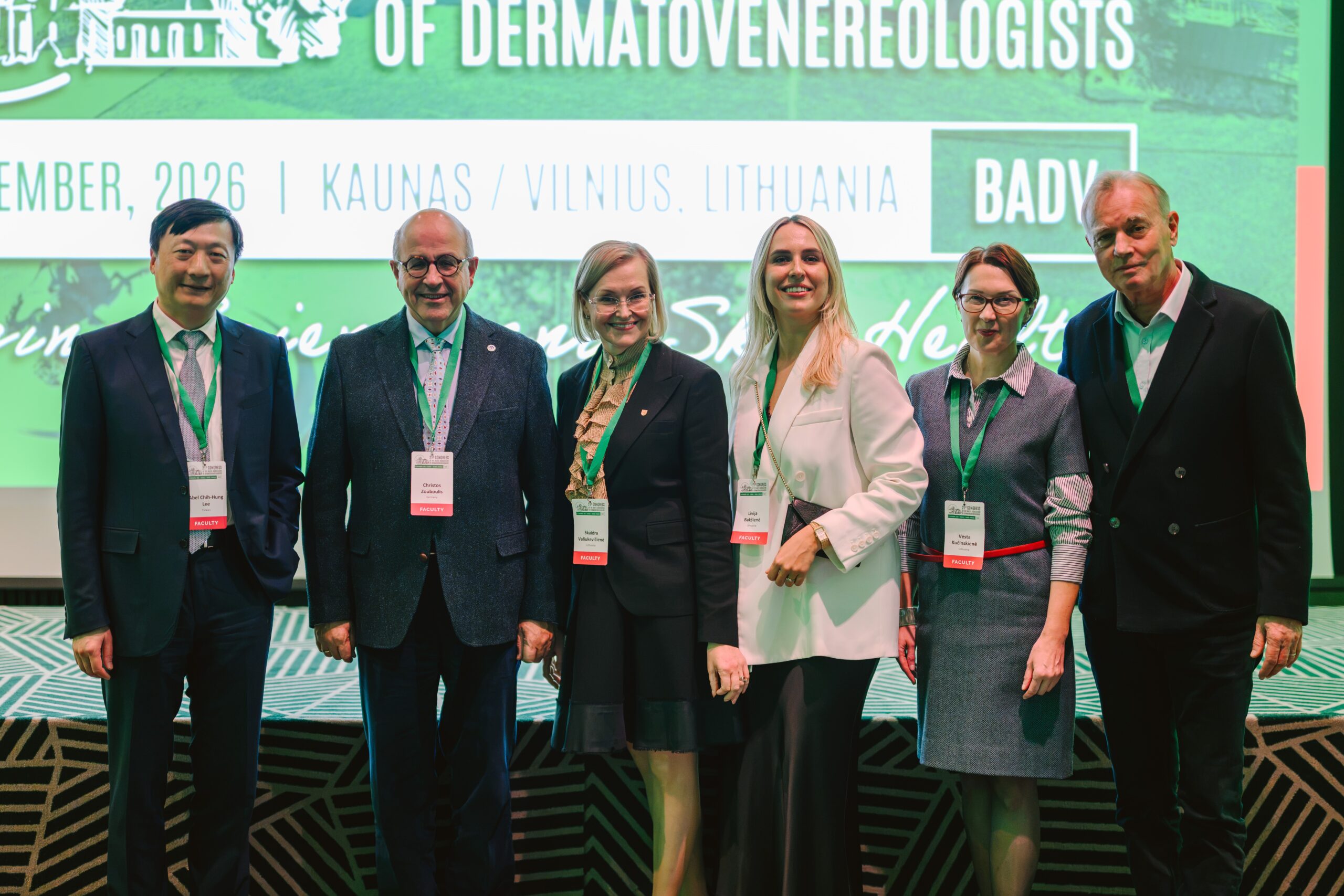
One of the international experts attending the Congress was Prof. Christos C. Zouboulis, a world-renowned dermatology specialist from Germany, Professor at Brandenburg Medical School and Visiting Professor at LSMU. His research interests include rare and inflammatory skin diseases, dermato-endocrinology and experimental dermatology. The Professor has been a long-standing partner of the LSMU academic community, contributing to the training of early-career researchers and the development of international research.
Speaking about his collaboration with LSMU, Prof. C. C. Zouboulis explained that one of the main objectives of their joint work had been to help young researchers in Kaunas become involved in preclinical and laboratory research. He also highlighted the neurodermatology conferences initiated by Prof. S. Valiukevičienė, which attracted considerable interest among specialists and became an important part of international collaboration.
“It was a great honour for me to become a Visiting Professor at LSMU. It shows the University’s willingness to welcome me as a member of its academic community, and such recognition is not an everyday occurrence. We have achieved a great deal over the years of our collaboration, so I hope that our joint work will continue in the future, involving both our generation and the younger generation of researchers,” said Prof. C. C. Zouboulis.
The Professor also initiated preparations for the establishment of a Rare Skin Diseases Centre at Kauno Klinikos, which was accredited in 2017 to participate in the European Reference Network for Rare Skin Diseases (ERN-Skin).
The 21st Congress of the Baltic Association of Dermatovenereologists provided an opportunity for specialists from Lithuania and abroad to share the latest scientific knowledge, strengthen international collaboration and discuss solutions that could help improve the quality and accessibility of dermatovenereology services for patients.
Photo Gallery
 View all photos


 View all photos
 View all photos


 View all photos
 View all photos
 View all photos
 View all photos

 View all photos

Recent articles