LSMU joins NeurotechEU with New Opportunities for Neuroscience Education and Research
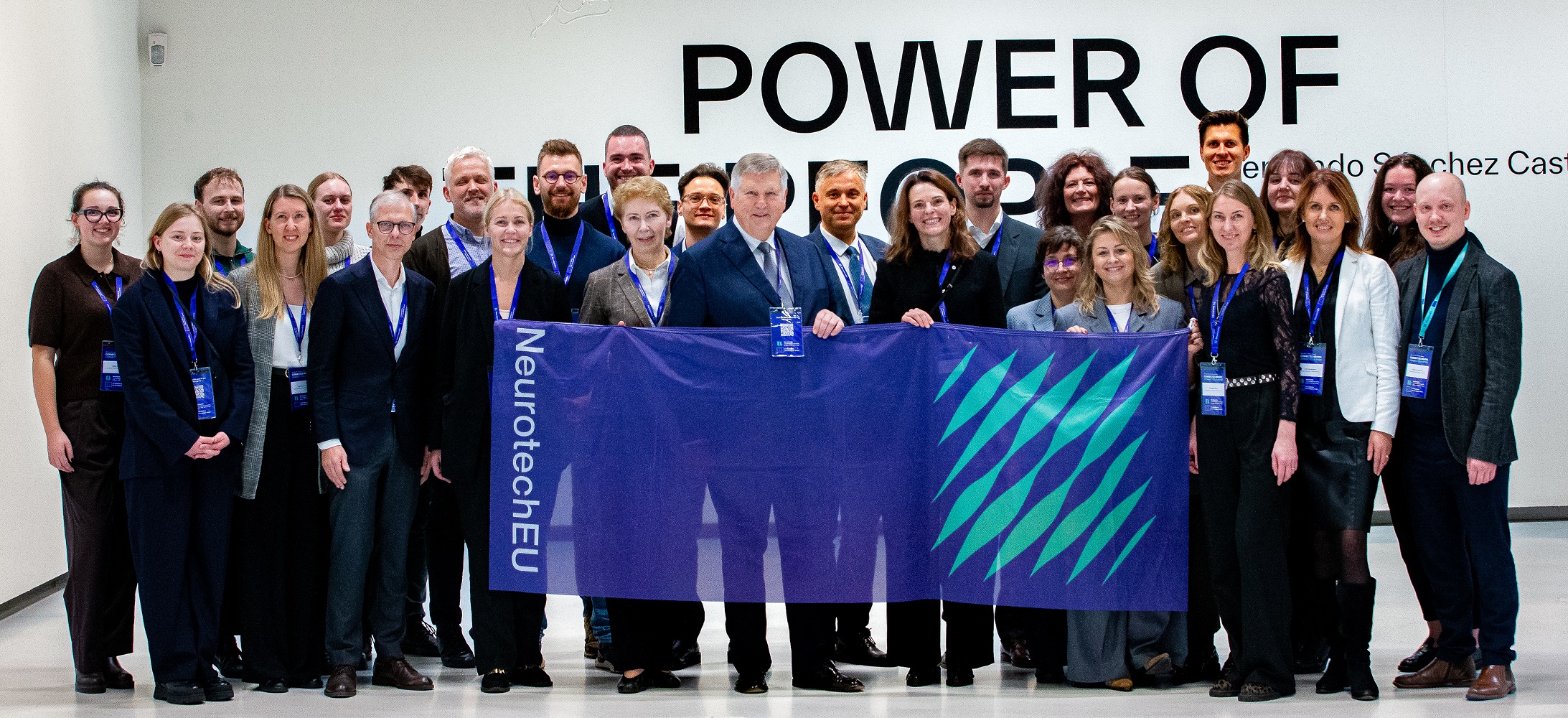
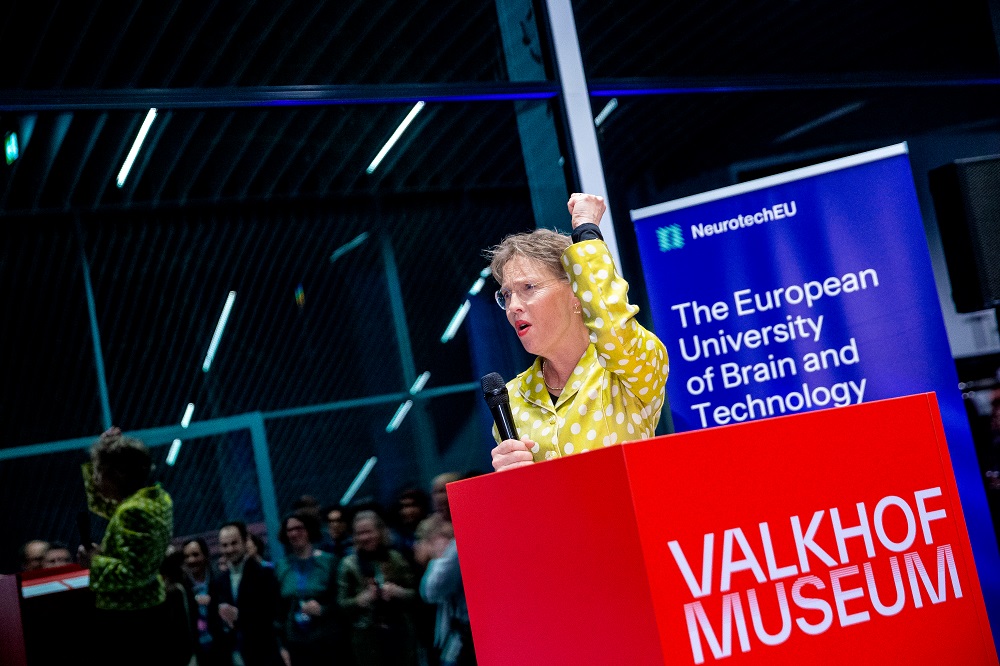
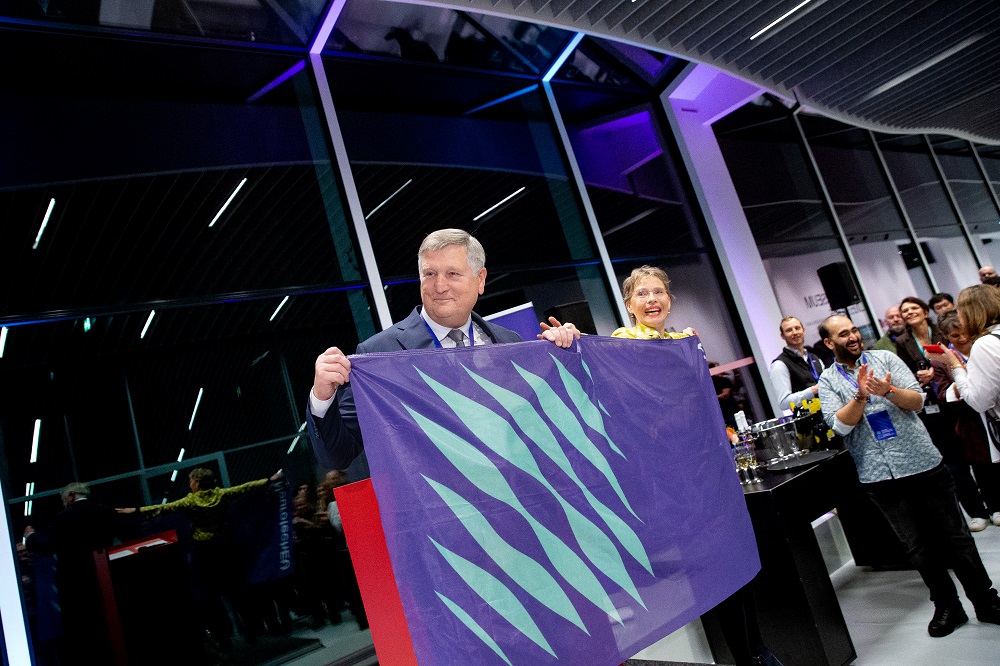
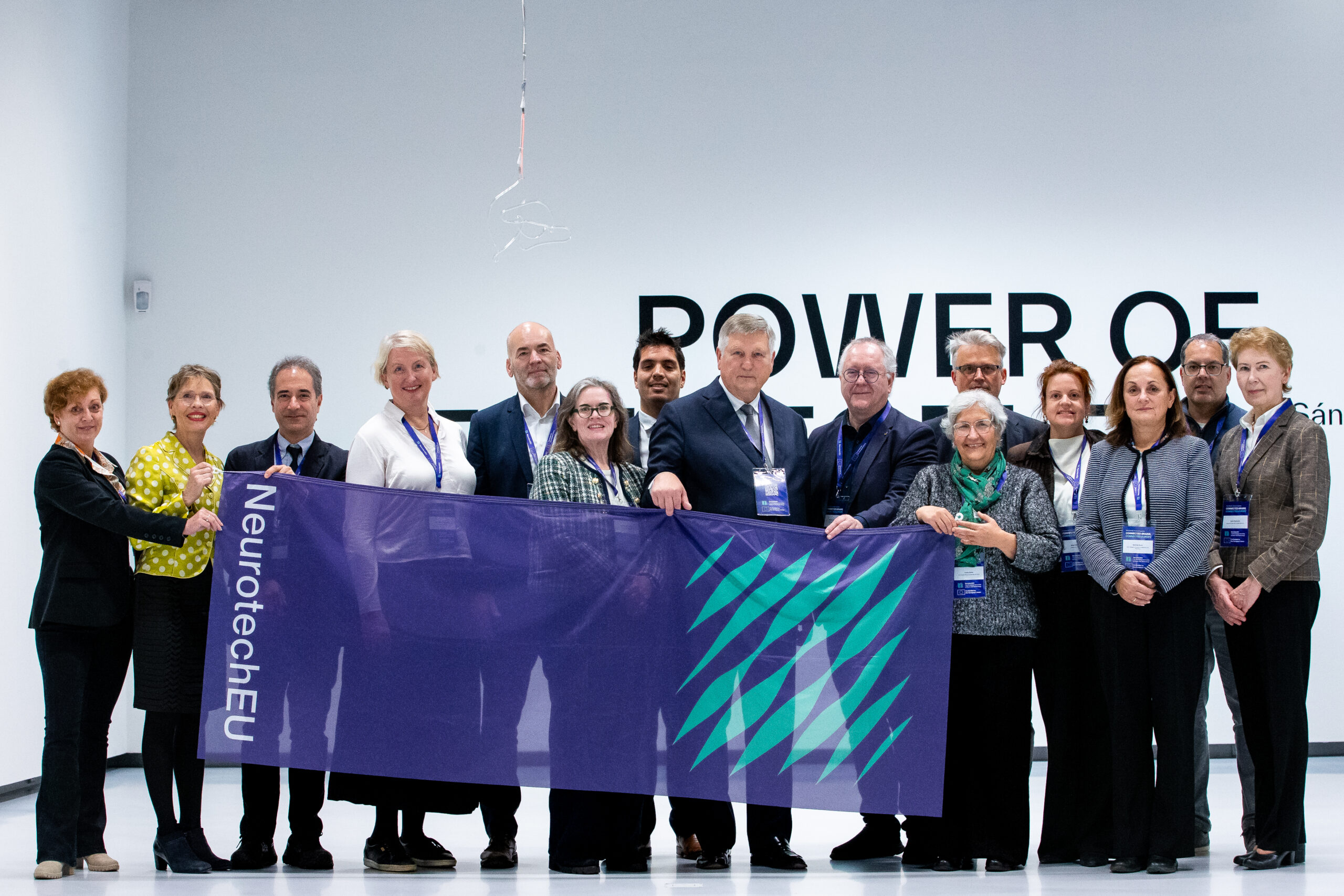
On 10 November, the Lithuanian University of Health Sciences (LSMU) became the tenth member of NeurotechEU, the European University of Brain and Technology, and the first university from the Baltic states to join the alliance. Membership opens up new opportunities for international study, joint research and innovation. LSMU’s clinical experience and expertise in neuroscience will complement those of its European partners in medicine, engineering, artificial intelligence and other fields.
NeurotechEU is an alliance of European universities working to advance neuroscience and neurotechnology. This interdisciplinary field brings together research on the nervous system and the development of technologies for use in healthcare. The alliance works across education, research, innovation and professional training with the aim of improving people’s health and quality of life.
“LSMU brings to the alliance substantial expertise in neuroscience, well-developed infrastructure and extensive clinical experience. The Neuroscience Institute conducts fundamental and applied research at national and international level. LSMU Hospital Kauno Klinikos has the Department of Neurology, which provides highly specialised health services, and the Department of Neurosurgery, which has gained recognition across Europe.
The University also boasts advanced diagnostic facilities, including magnetic resonance imaging (MRI), Gamma Knife radiosurgery and positron emission tomography combined with computed tomography (PET/CT). The radiopharmaceuticals required for PET/CT scans are produced using the cyclotron at the Nuclear Medicine Research Centre.
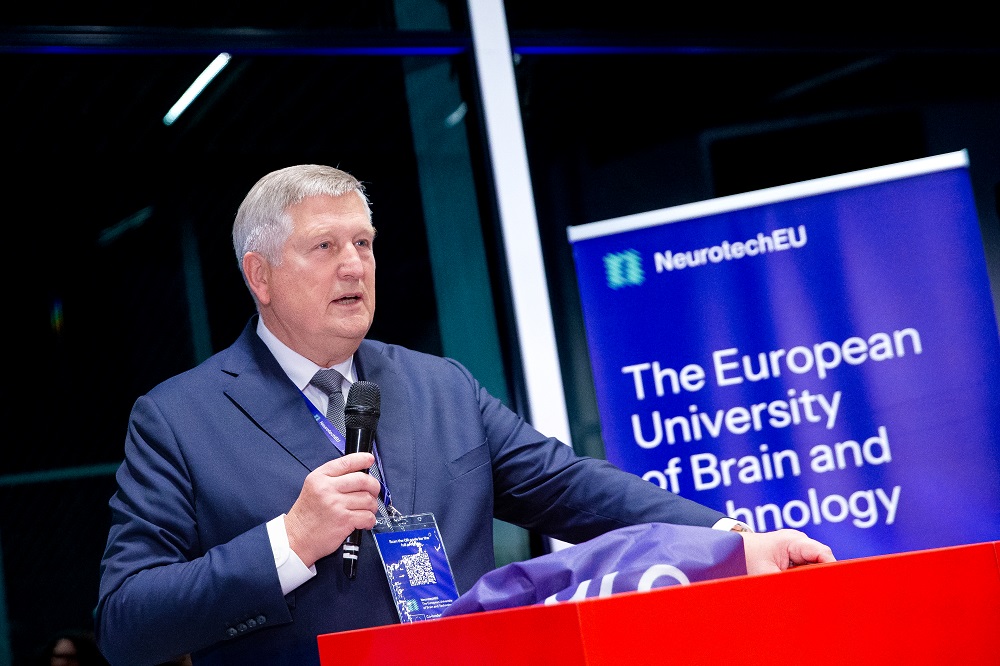
By combining our capabilities with the technological expertise of our alliance partners, we could take a more focused approach to ensuring that brain research findings contribute to scientific progress and are translated into diagnostic, treatment and rehabilitation solutions that benefit patients. This collaboration also presents an opportunity to train specialists capable of working at the intersection of medicine, data science and technology,” says LSMU Rector Professor Rimantas Benetis.
“NeurotechEU has the vast ambition to play a leading role in building Europe’s neurotechnology ecosystem for a healthy, competitive and sovereign Europe. This is something we can only do in collaboration. Working with LSMU, the foremost medical hospital in the Baltics with a particular strength in neuroscience, perfectly fits that ambition. We are therefore delighted to welcome LSMU to NeurotechEU – because by strengthening our network, we are strengthening Europe,” said Professor José Sanders, Rector Magnificus of Radboud University in the Netherlands, and Chair of the Board of Rectors of NeurotechEU.
From research discoveries to clinical practice
Clinical neurotechnology is one of the alliance’s research areas that particularly interests LSMU. Researchers at partner universities are studying how data on brain activity, artificial intelligence and new technologies can help detect diseases earlier, select treatments more precisely and restore impaired functions.
The partners’ research includes the use of brain–computer interfaces in stroke rehabilitation, the analysis of movements during sleep to identify early indicators of Parkinson’s disease risk, and the potential of personalised neuromodulation. This work provides practical connection between fundamental research on the nervous system and specific clinical aspects.
LSMU plans to strengthen links between its researchers and clinical departments and research groups across the alliance. The collaboration will help them develop joint projects, share expertise in research methods and explore how to make greater use of their partners’ research infrastructure.
“We are delighted to welcome LSMU. Its strong clinical research offers excellent opportunities to bring brain research and technology closer to patients. With this Lithuanian partner, we are also broadening the knowledge and perspectives within NeurotechEU as a European alliance for Brain and Technology,” says Richard van Wezel, NeurotechEU Coordinator.
International study and research opportunities for students
Membership in the alliance gives LSMU students more opportunities to take part in courses, interdisciplinary modules, blended intensive programmes and summer and winter schools offered by partner universities. Students will also be able to look for internships abroad, research placements and projects for their dissertations or theses.
The NeurotechEU Doctoral Network offers opportunities for early-career researchers. It complements doctoral programmes at the partner universities with international seminars, training, research discussions and opportunities for mobility. LSMU aims to play an active role in the network and help its doctoral students build international research links.
A long-term partnership for education and research
LSMU aims to make participation in NeurotechEU a regular part of its teaching and research. The University plans to open selected neuroscience modules to students from partner universities and develop ways to make it easier to recognise learning outcomes across institutions. Plans for teaching staff and researchers include joint teaching, guest lectures, placements and collaborative research. Medical doctors and other healthcare professionals will have opportunities for continuing professional development.
LSMU plans to involve its Neuroscience Institute, the Departments of Neurology, Neurosurgery and Psychiatry, the Faculty of Medicine, the Centre for Postgraduate Studies and the International Relations and Study Centre. Other departments and research groups working in neuroscience and neurotechnology are also invited to take part.
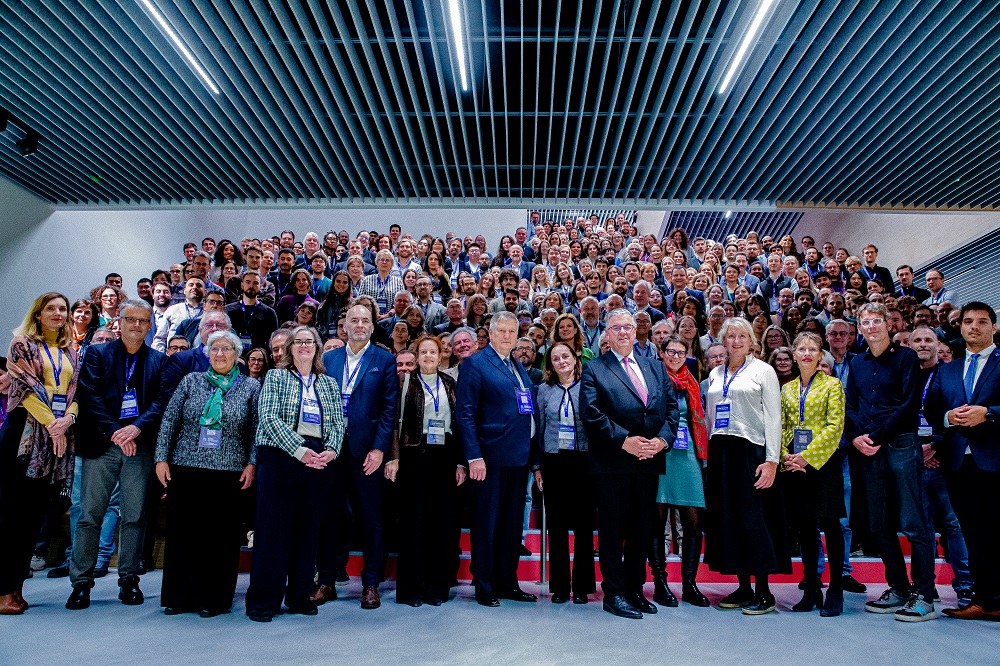
Alongside LSMU, the alliance comprises Radboud University (the Netherlands), which coordinates NeurotechEU, Karolinska Institutet (Sweden), the University of Bonn (Germany), the University of Lille (France), the Medical University of Innsbruck (Austria), Miguel Hernández University of Elche (Spain), Reykjavík University (Iceland), Boğaziçi University (Türkiye) and Iuliu Hațieganu University of Medicine and Pharmacy in Cluj-Napoca (Romania).
 View all photos
Recent articles