EU Mission on Cancer: Closing Event of the ONCODIR Project at the LSMU Department of Gastroenterology
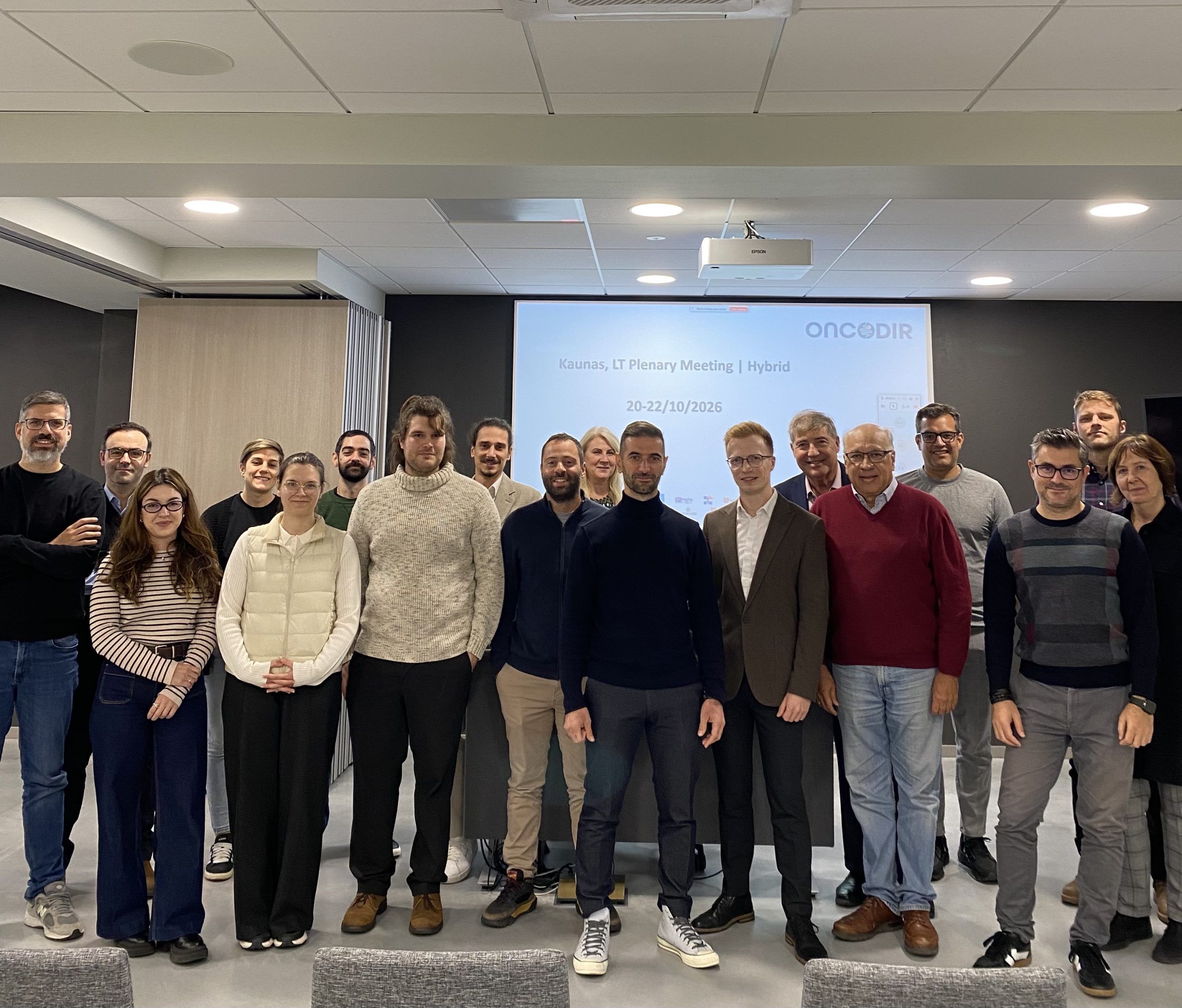
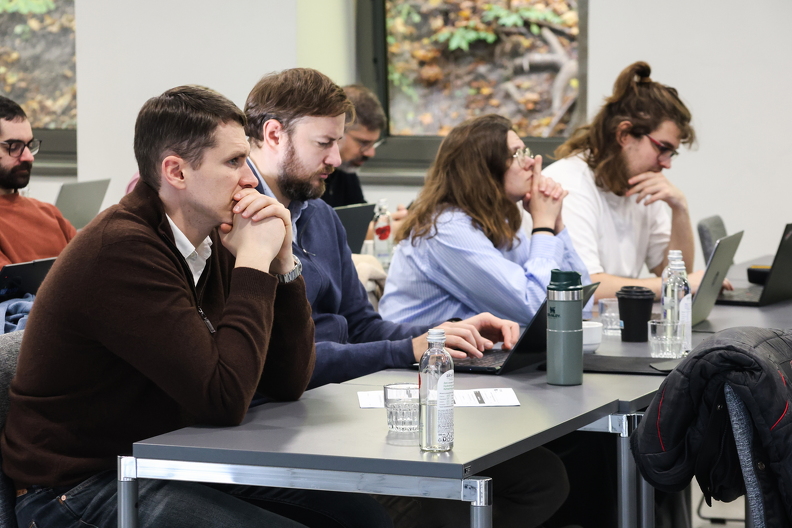
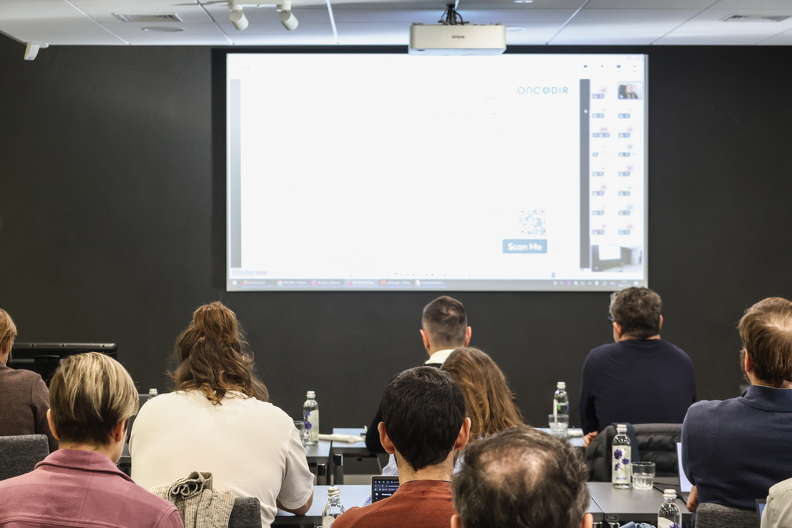
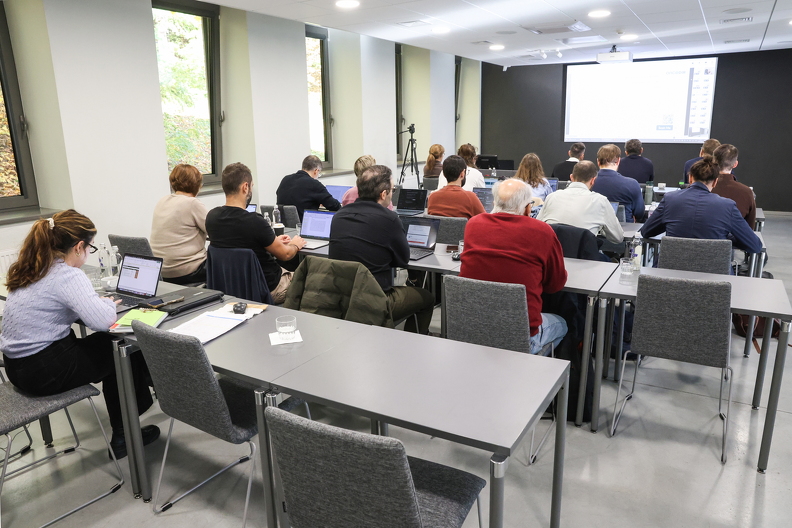
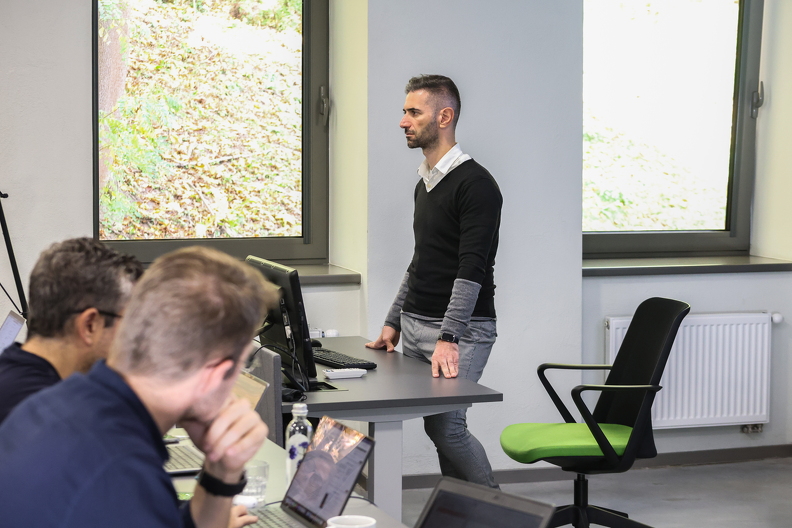
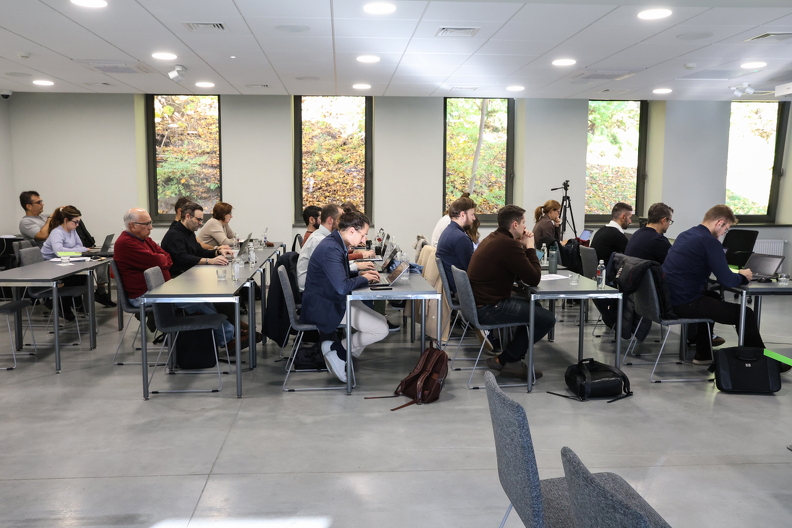
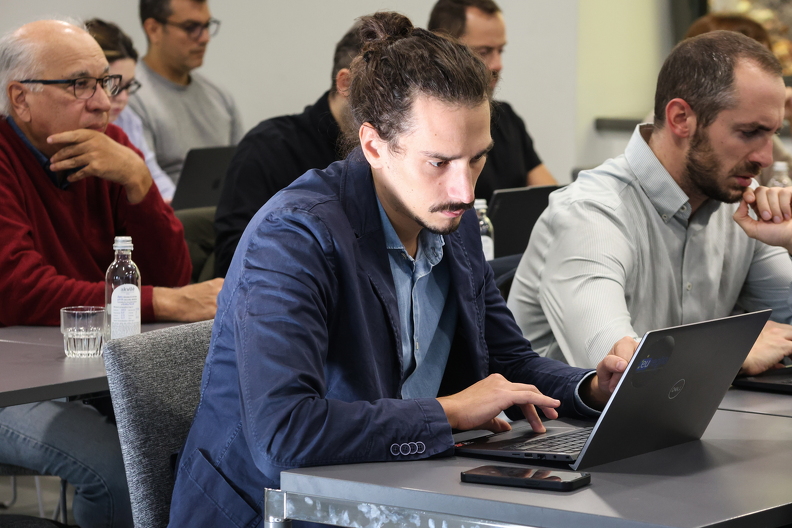
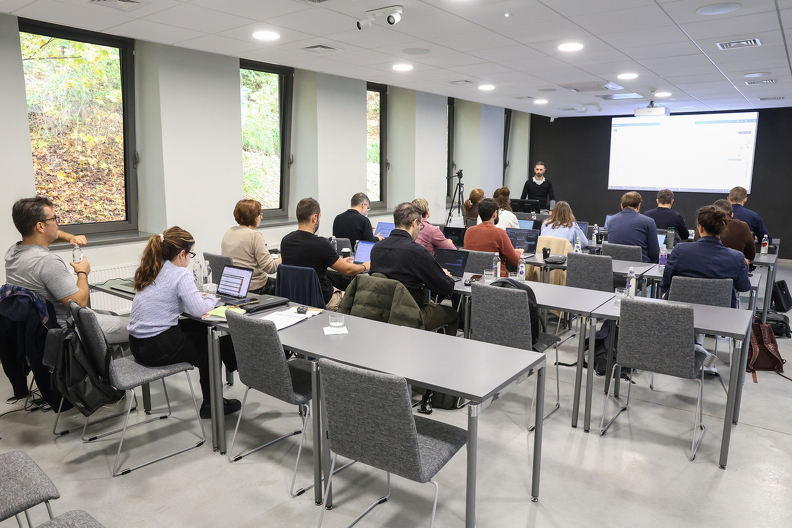
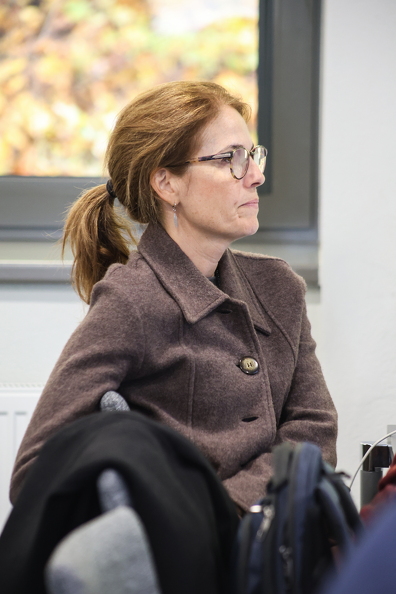
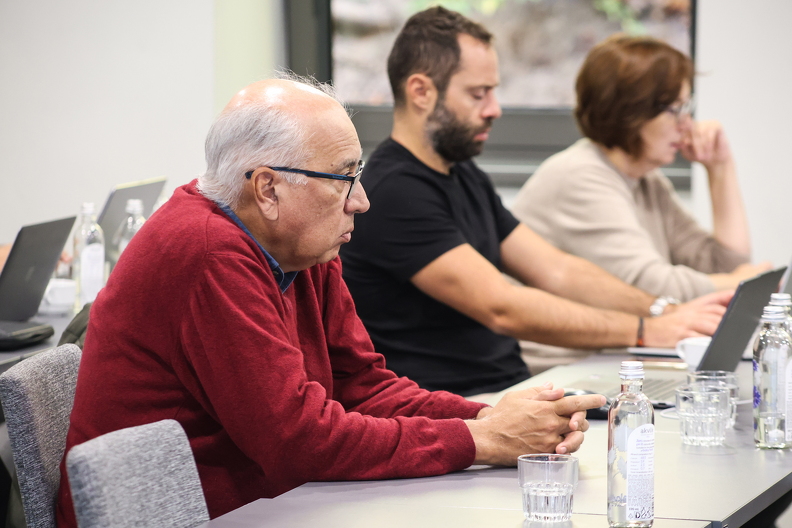
On 20–22 October, the sixth plenary meeting of the international ONCODIR project under the Mission on Cancer funded under the Horizon Europe framework took place in Kaunas, at the Emmanuel Levinas Centre of the Lithuanian University of Health Sciences (LSMU), organised by the LSMU Department of Gastroenterology. During the three-day event, the project consortium partners discussed the outcomes, the next stages of implementation and current challenges in the prevention of colorectal cancer. The meeting also showcased innovative digital solutions developed within the project, including presentations, practical demonstrations, workshops and discussions on the potential applications of these technologies.
Scientific progress towards more effective cancer prevention
Colorectal cancer is the third most common form of cancer worldwide. Strenghtening the prevention efforts and exploring effective ways to reduce the risk of developing the disease are therefore particularly important. The LSMU Department of Gastroenterology and the Institute for Digestive Research have been contributing to this goal by participating in the international ONCODIR project, funded by the EU’s Horizon Europe research and innovation programme. The project aims to develop personalised solutions for the prevention of colorectal cancer by tapping on the capabilities provided by the scientific research and advanced technologies, thereby contributing to the achievement of the EU Mission on Cancer.
Artificial intelligence technologies are also being utilised for the development of personalised colorectal cancer prevention recommendations and decision-making tools for healthcare professionals and policymakers. LSMU, together with its partners, have been conducting a pilot study in Lithuania and contributing to the evaluation of the solutions being developed as well as to the strengthening of users’ competencies. These activities enable the University’s researchers to participate directly in assessing the practical applicability of innovative prevention measures.
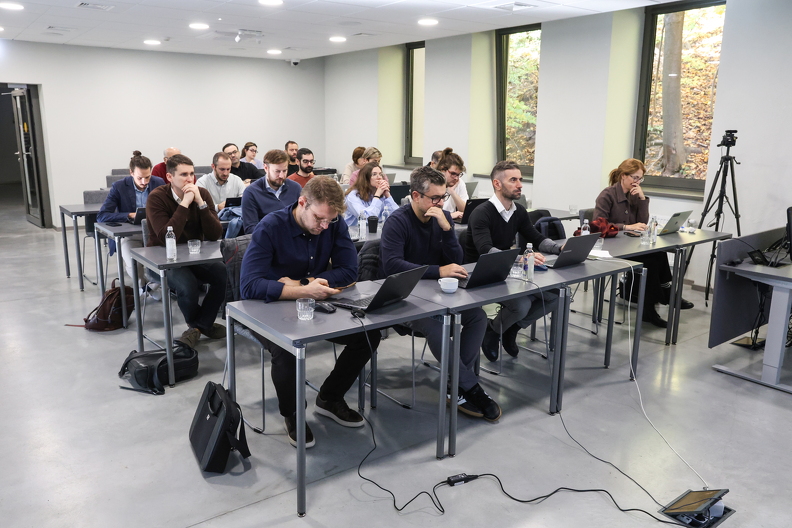
During the meeting in Kaunas, the project partners reviewed the achievements across working groups, the outcomes of the pilot studies carried out in Greece and Romania, and the progress of the pilot activities implemented in Lithuania. The meeting also discussed the final stage of project implementation, the evaluation of the outcomes, and the possibilities for their future application.
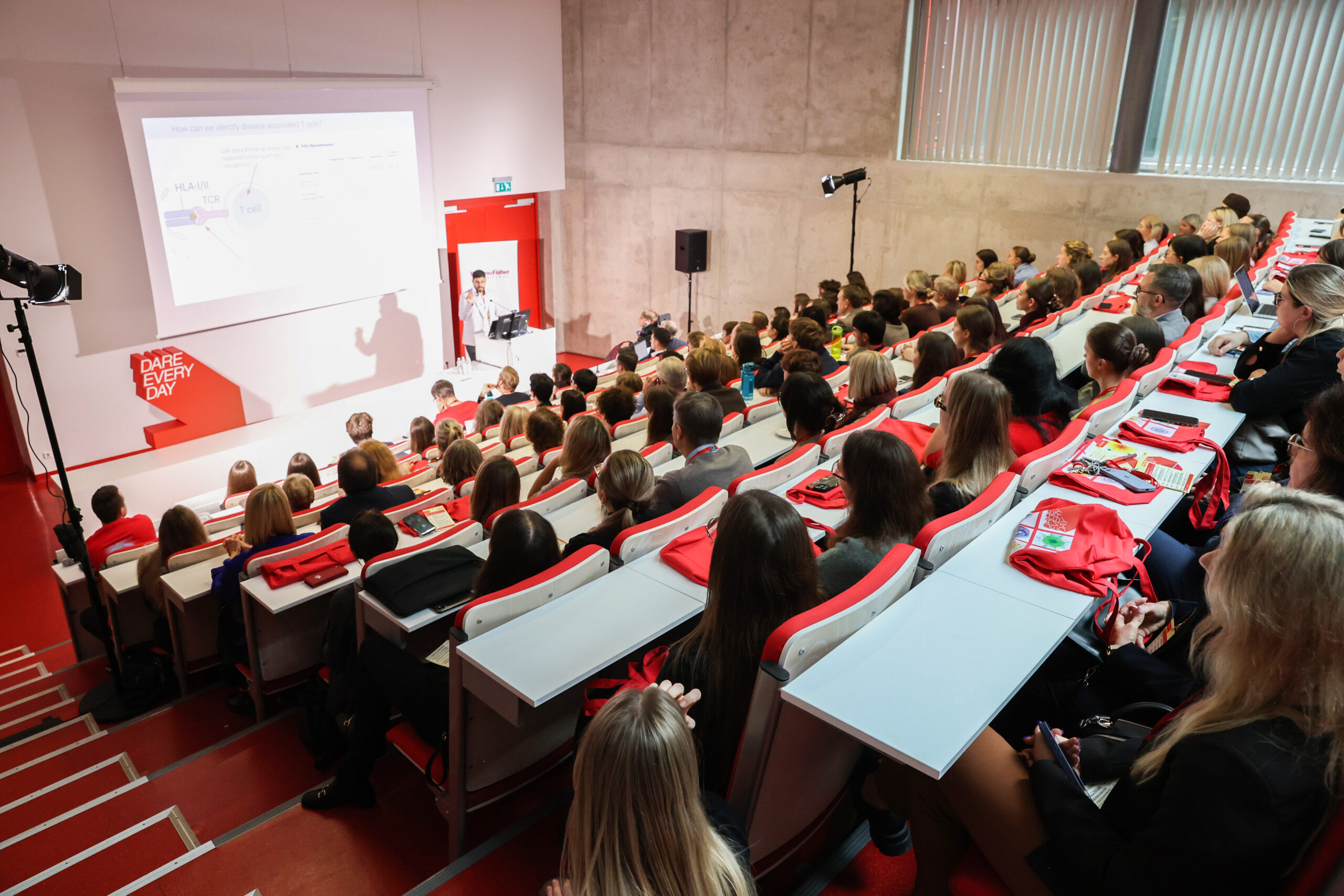
An important part of the event was devoted to the practical demonstration of the resulting technologies. Participants were introduced to digital tools designed for the general public, healthcare professionals and health policymakers, who took part in testing sessions and shared their feedback. Such activities are useful as they allow the project partners to check the alignment between the solutions developed by researchers and the actual needs of users.
The importance of international collaboration
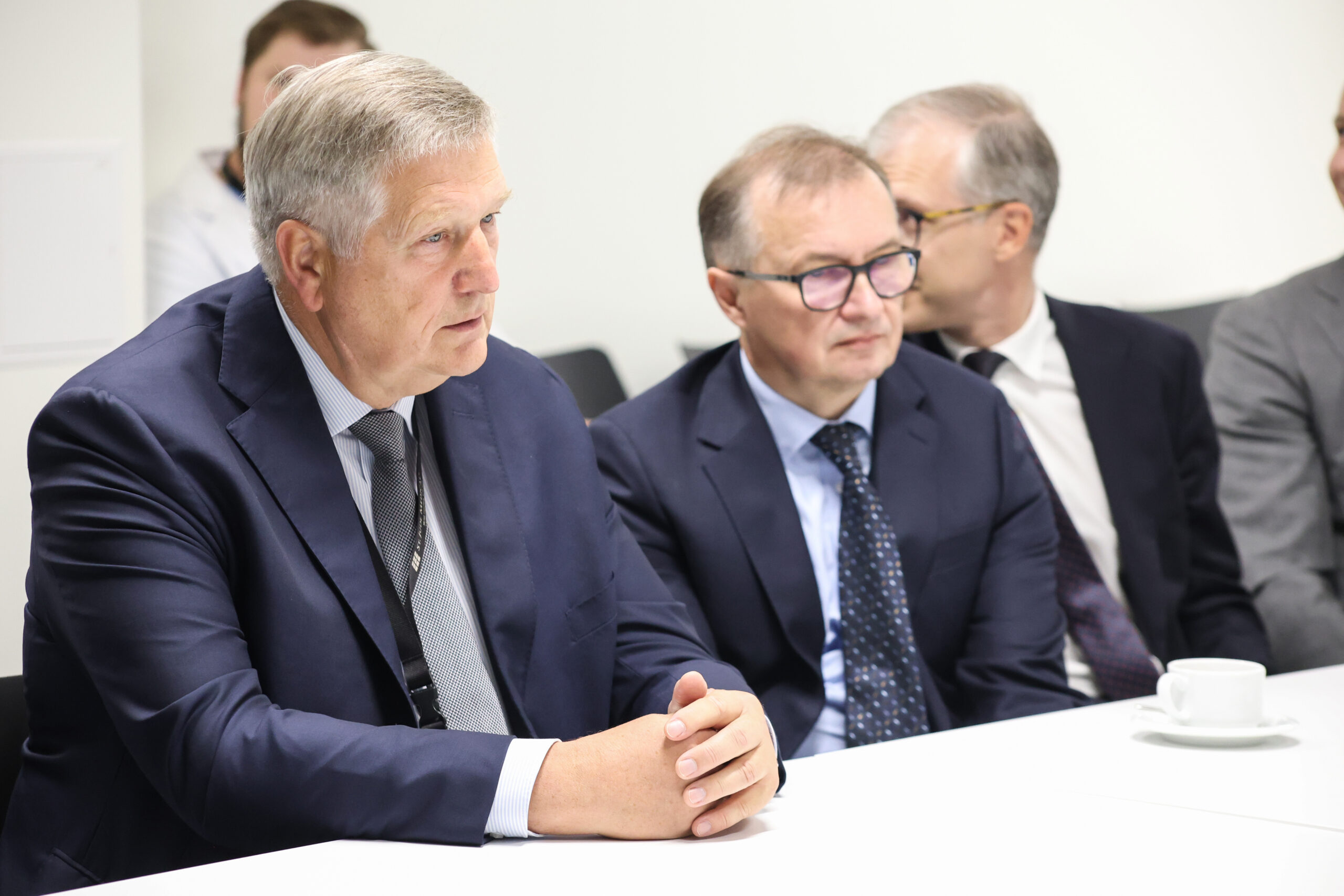
Prof. Dr Juozas Kupčinskas, Vice-Rector for Research and project leader for ONCODIR at LSMU, emphasised that participation in international projects is an important component of the University’s scientific development. According to the Professor, this is one of the six international Horizon Europe projects being carried out by the Department of Gastroenterology and the Institute for Digestive Research. The projects bring together field experts from different countries, whose joint efforts can contribute to better long-term outcomes for patients with colorectal cancer.
“We hope that this project will lead to significant innovations aimed at improving colorectal cancer prevention and early screening programmes. We are also continuing to explore opportunities with our project partners to initiate new joint projects and look forward to successfully continuing this collaboration. We are delighted that, by participating in this project, our University can make a significant contribution to the objectives of the EU Mission on Cancer,” said Prof. J. Kupčinskas.
Dr Athanasios Mavropoulos, Deputy Coordinator of the ONCODIR project, stated that, after three years of intensive work, it is particularly important to present the resulting solutions to a wider audience and to demonstrate the project’s tangible achievements.
According to him, the digital tools developed during the project are tailored to different user groups – the general public, doctors and health policymakers. However, it is equally important to provide opportunities for people who are not directly involved in the consortium’s activities to try out these technologies.
“We want a wider audience to see what we have achieved and to share their views. The feedback we receive will help us understand what we have done well, what still needs improving and which direction to take next,” said Dr A. Mavropoulos.
The overall aim of the project is to bring together scientific expertise, technological innovations and practical user experience from different countries so that the resulting advanced solutions can be properly applied in practice.
Next steps for the project
During the meeting in Kaunas, the ONCODIR partners also discussed the remaining stages of the project and ways to ensure the long-term application of the solutions. LSMU’s participation in this international project strengthens the University’s scientific collaboration and contributes to the development of advanced, research-based measures for the prevention of colorectal cancer.


Recent articles