From Diploma to Opportunity: LSMU Graduate on a World-Changing Vaccine that could Change the World
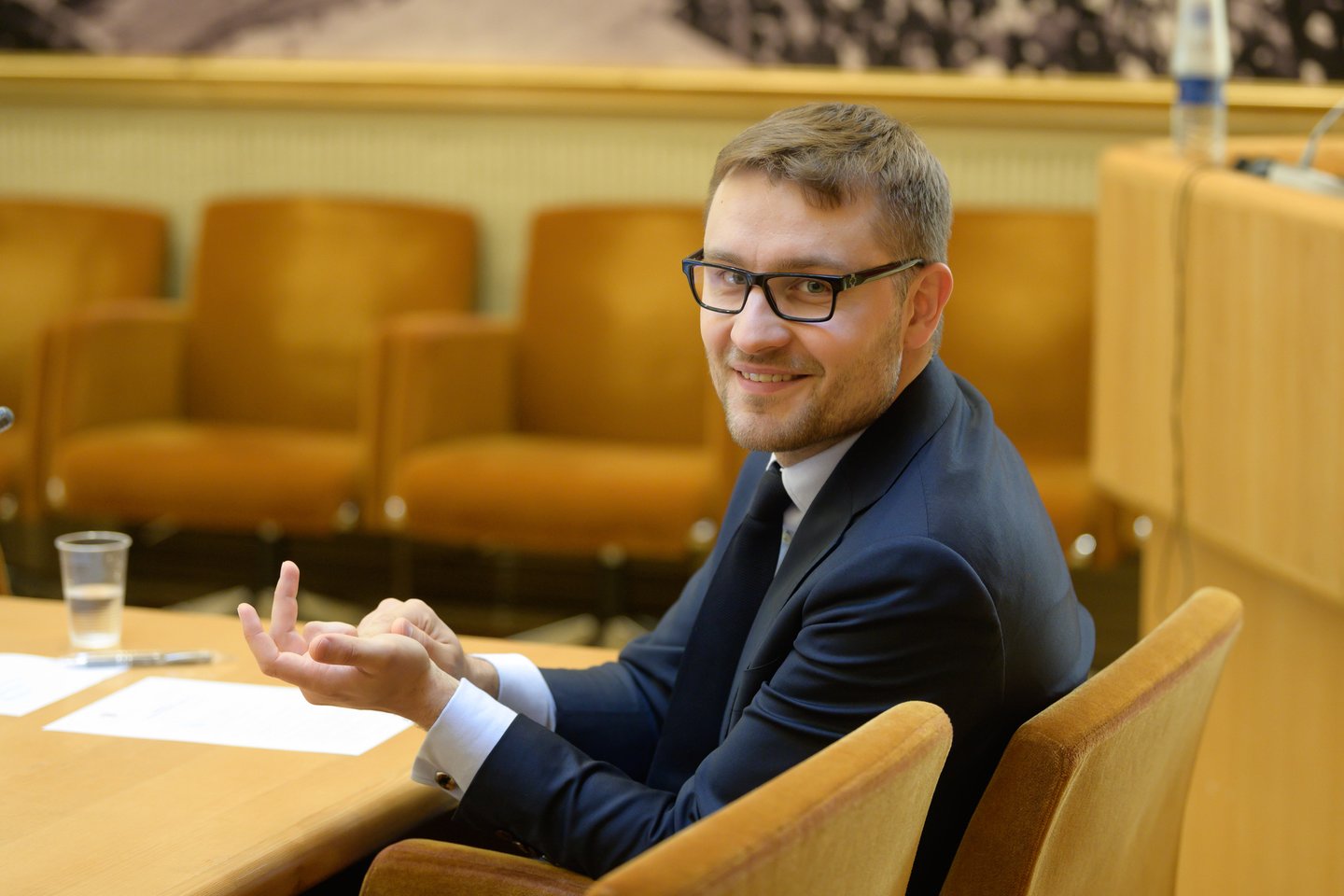
“For a young person seeking not just a profession but also a sense of purpose, studies in public health present a wealth of opportunities: from lifestyle medicine to epidemiology, from academic research to practical work. Nowadays, a career path need not be linear – the knowledge gained allows you to change direction, build your own occupation model, and adapt to a changing world,” says Paulius Gradeckas, a graduate of the Public Health programme at the Lithuanian University of Health Sciences (LSMU).
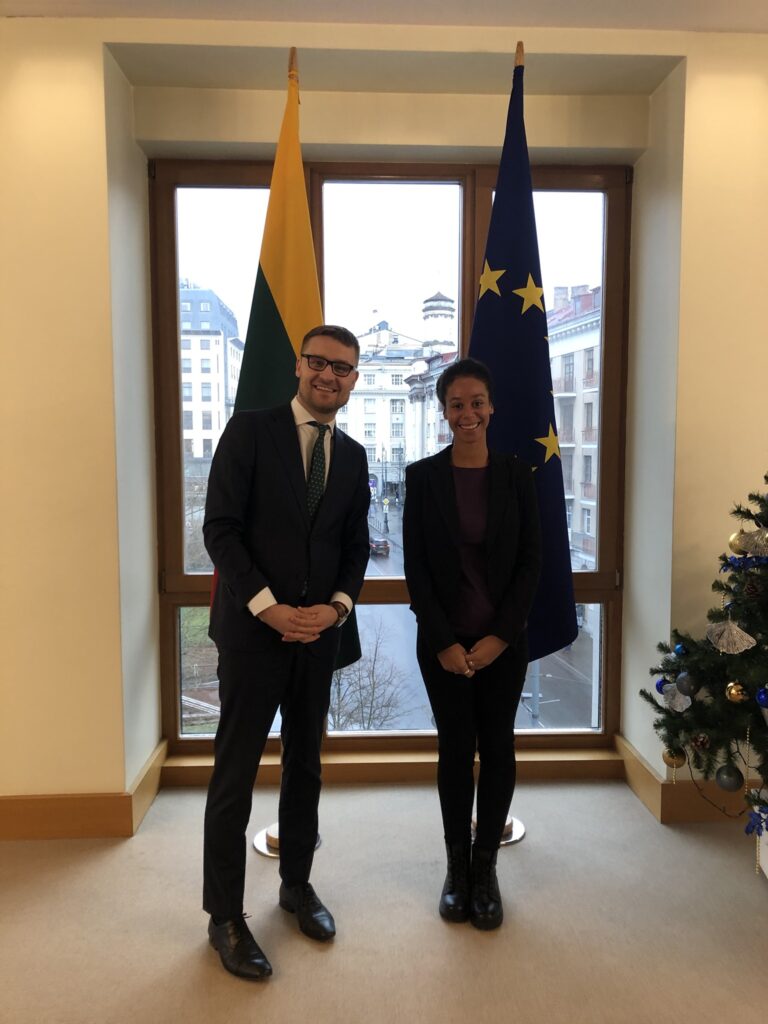
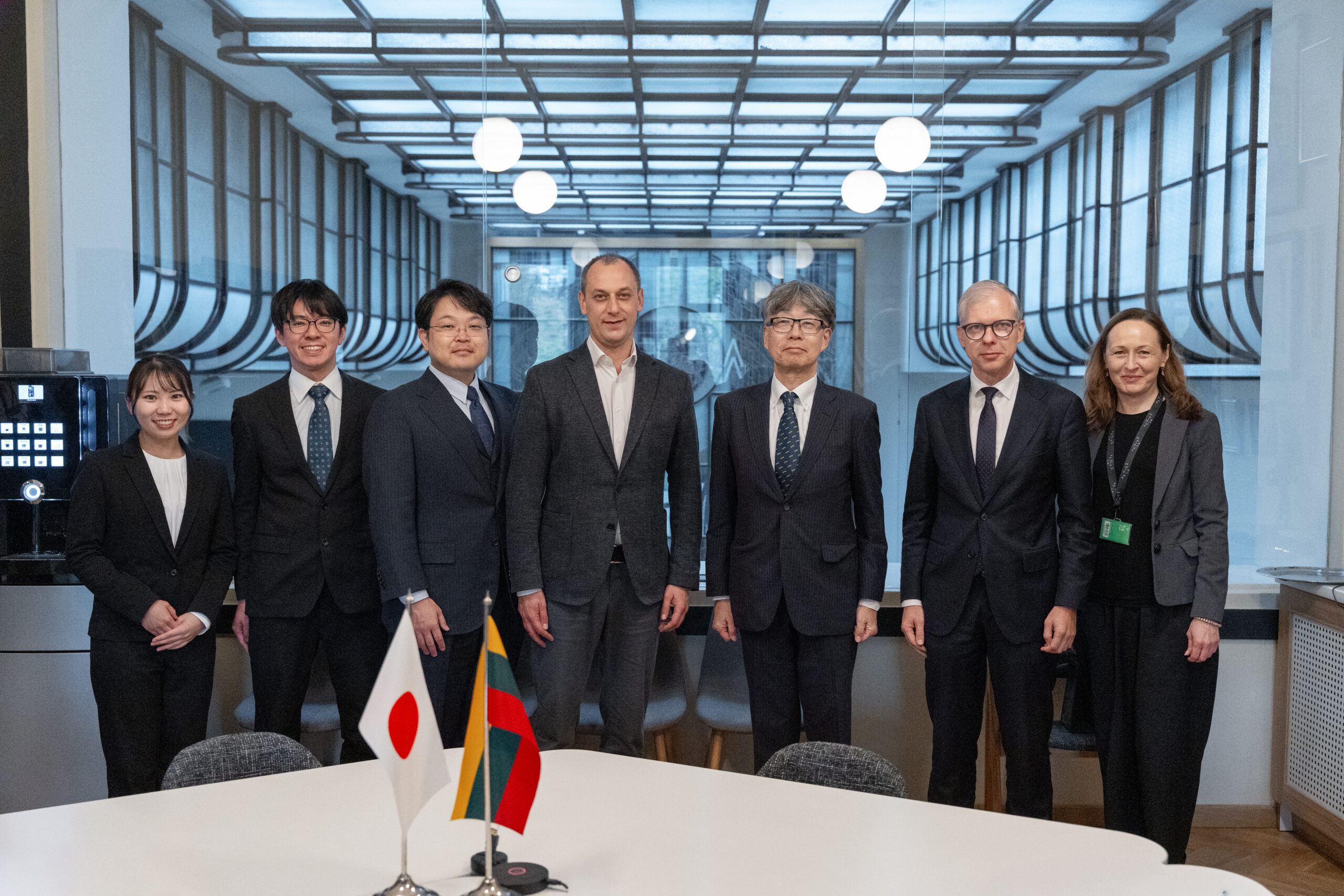
His professional biography brings together experiences spanning science, practice, and health policy. He has served as a health adviser to national leaders, collaborated with the World Health Organisation, and worked on international projects abroad as well as within non-governmental organisations.
At present, Paulius Gradeckas works in both academic and managerial roles, lecturing to LSMU students whilst deepening his expertise in infectious disease epidemiology and immunoprophylaxis. His varied, dynamic career path has allowed him to freely pursue the activities that interest him, whilst making a tangible contribution to public health decisions – not only in Lithuania.
He admits with a smile that he very nearly became a journalist: he had even been listed among prospective students on a journalism course. Ultimately, however, it was his ambition to help not just individuals but society as a whole that led him to choose health sciences and studies at LSMU – a foundation that became the basis for a meaningful, dynamic, and globally impactful career.
What do the students of Public Health study?
Public health specialists – at least in Lithuania – became particularly visible during the COVID-19 pandemic. These professionals are among the first to organise measures to protect the public during flu epidemics and other infectious disease outbreaks; they conduct research into the effects of noise, air pollution, odours, and chemical substances on public health; and they develop healthy lifestyle recommendations.
Subjects taught during the programme include Lifestyle and Chronic Non-Communicable Diseases, Chronic Disease Epidemiology and Prevention, Infectious Disease Epidemiology and Management, Fundamentals of Nutrition and Healthy Living, and Fundamentals of Health Policy – amongst many others.
Future specialists are also trained in practical skills: they learn to use various instruments, measuring noise levels, assessing indoor air quality, and testing the quality of drinking water. Physical activity is an important component of health promotion. Students are therefore prepared not only to motivate others and teach physical activity, but also to engage actively in sport themselves – the Faculty is fully equipped with the necessary facilities and conditions.

Those holding a Bachelor’s or Master’s degree in Public Health can look forward to careers in public health, occupational health, and employee safety and health, working within public health centres. They open broad opportunities to pursue professional advancement in areas such as infectious disease prevention, chronic and non-communicable disease prevention, occupational health, health education, healthcare management, and beyond.
Lessons from the pandemic
According to Gradeckas, the role of public health specialists has become more visible following the COVID-19 pandemic, though it has also grown more complex. It has become clear that infectious diseases have not disappeared and continue to pose a constant threat. At the same time, the burden of non-communicable diseases – particularly oncological conditions – has come into sharper focus, and in terms of impact, these now surpass cardiovascular disease.
The pandemic also demonstrated that preventive measures can carry not only benefits but also significant social and psychological consequences. A single specialist’s decision can affect the lives of thousands of people – which is precisely why public health decisions require not only medical expertise, but broader evaluation of diverse social aspects and specific knowledge.
“During the pandemic, public health specialists were frequently criticised, and their work was often associated with restrictions and control. Over time, however, attitudes have shifted. Today, there is growing recognition that managing the pandemic was a collective effort by specialists from various fields – from doctors to public health professionals working at the national health centre or in public health bureaux. This has strengthened the standing of our profession and demonstrated its importance at a national level,” P. Gradeckas reflects.
Diploma as an opportunity to create
P. Gradeckas emphasises that university studies are not a narrow specialisation – they are a direction and a tool.
“I cannot say that public health studies will set your life for the conventional course: school – university – job – death,” he says smiling.
“If you are after a very hands-on specialisation and want to become an expert in it, then a college or vocational school is the better choice. University should be chosen when you want a broader perspective. That specialisation may not necessarily become your bread and butter – but it will open doors. Because a diploma is, above all else, an opportunity and a tool.
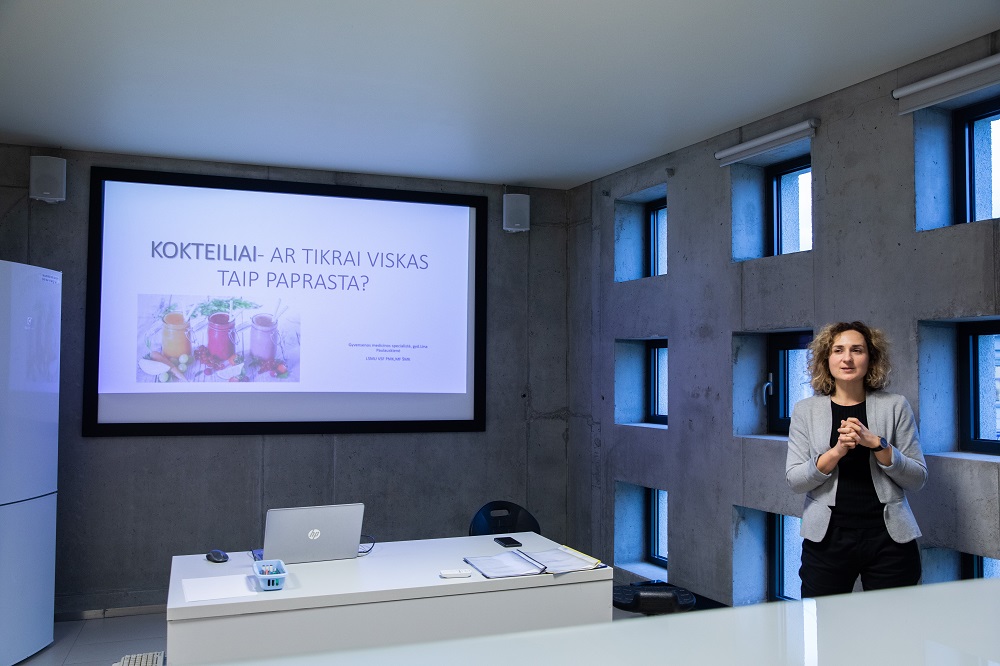
And that is precisely what makes public health studies so promising and full of choices: you are given a direction, but it is up to you to decide what you want to become, where you want to go. You can develop your own practice and change people’s lives – that is lifestyle medicine. If you wish to contribute to research and discovery, there is applied public health. If you want to delve into disease outbreaks or the specifics of infectious disease epidemiology – again, applied public health is exactly what you’ll need,” the specialist explains.
P. Gradeckas notes a shift in awareness within society: the younger generation is considerably more health-conscious. An increasing number of young people are taking an interest in prevention, lifestyle, and particularly their psycho-emotional wellbeing from quite an early age. Public health specialists in such a society can therefore expect not merely to be heard, but genuinely listened to.
“Most importantly, choose a path that gives you a sense of inner peace. A diploma is not the final goal – it is an opportunity to create, to change direction, and to contribute to the wellbeing of society,” the specialist emphasised.
A vaccine that could change millions of lives
What challenge within his professional field does Paulius Gradeckas regard as the most pressing?
“One of the greatest challenges facing the world remains infectious diseases such as malaria, which claims millions of lives each year. A significant breakthrough – for instance, a highly effective and, most importantly, safe vaccine – could fundamentally transform the global situation. I very much hope that such a vaccine will emerge; it does not even need to be discovered from scratch, merely refined and adapted.
That, in essence, is what public health is about: solutions that change not one person’s life, but the lives of entire societies,” P. Gradeckas concludes.
The LSMU Faculty of Public Health offers, alongside its Bachelor’s and Master’s programmes in Public Health, undergraduate (Bachelor’s) degree programme in Health Psychology and graduate (Master’s) degree programme in Clinical Health Psychology.