LSMU Activity Report: 2025 Marked by Intensive, Coherent Growth
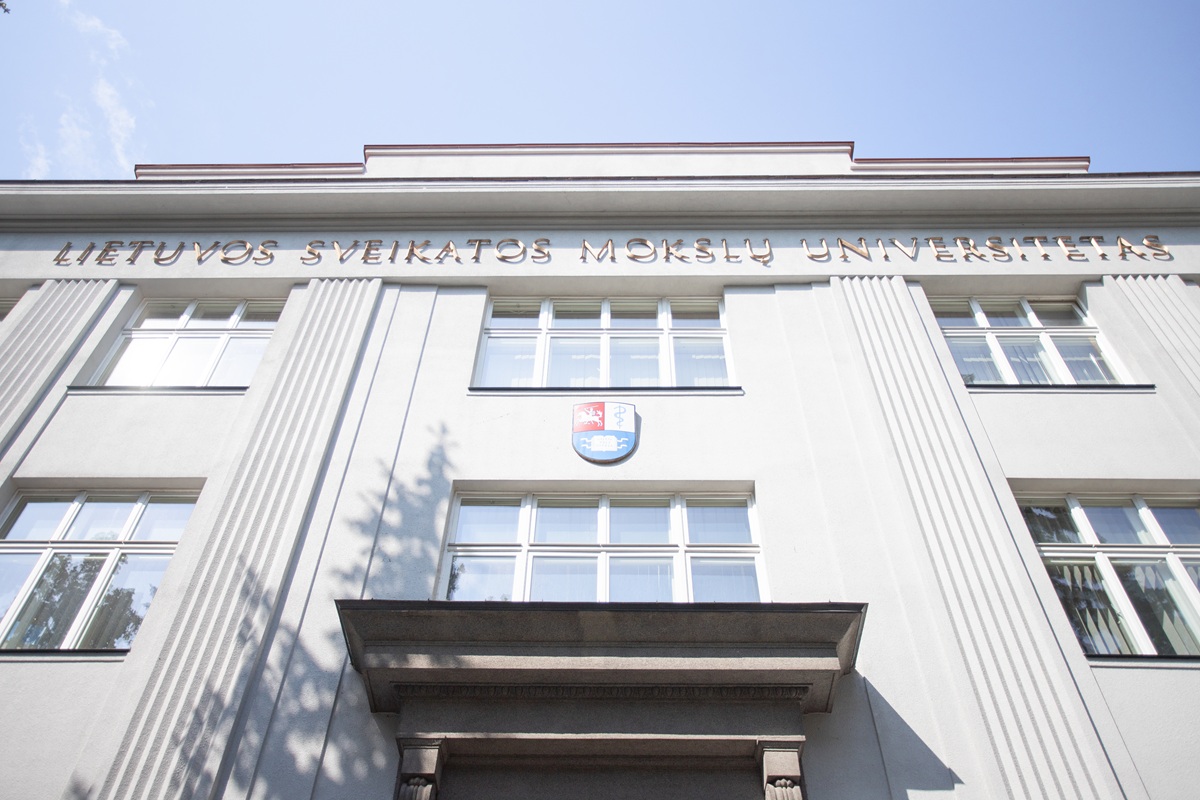
The 2025 Activity Report of the Lithuanian University of Health Sciences (LSMU) was presented to the University Senate and Council during an extraordinary Senate meeting. The report summarised the most significant achievements and developments of the year, while also outlining future directions.
2025 was the year of intensive and coherent development for LSMU. The University pursued consistent growth, implemented substantial structural changes, and further strengthened its position as a dynamic, forward-looking research and higher education institution. These conclusions were highlighted during the presentation of the annual activity report.
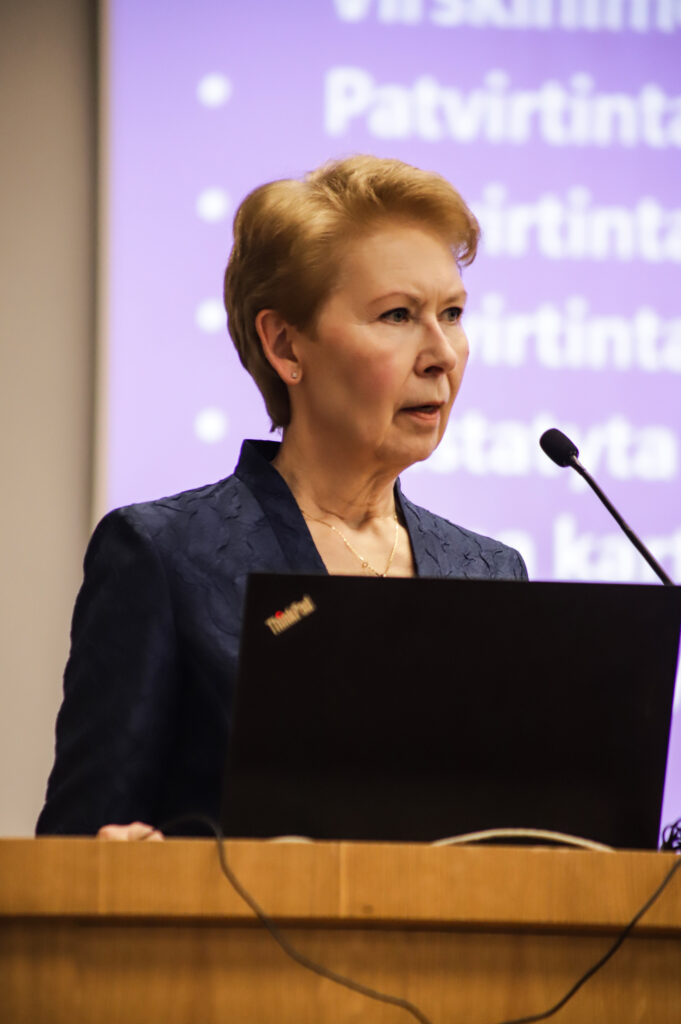
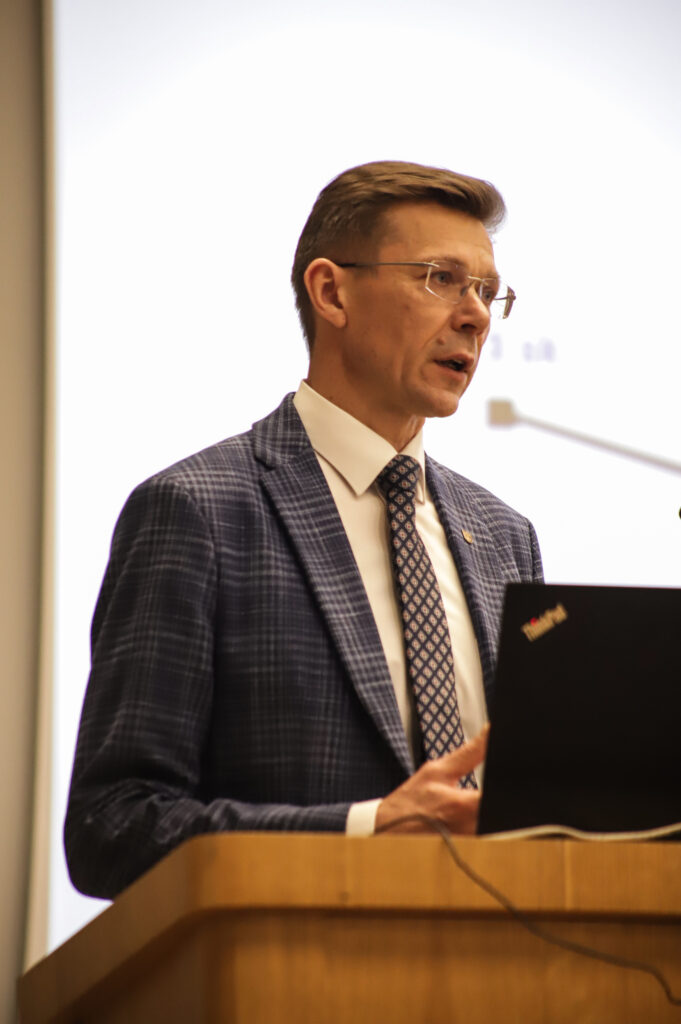
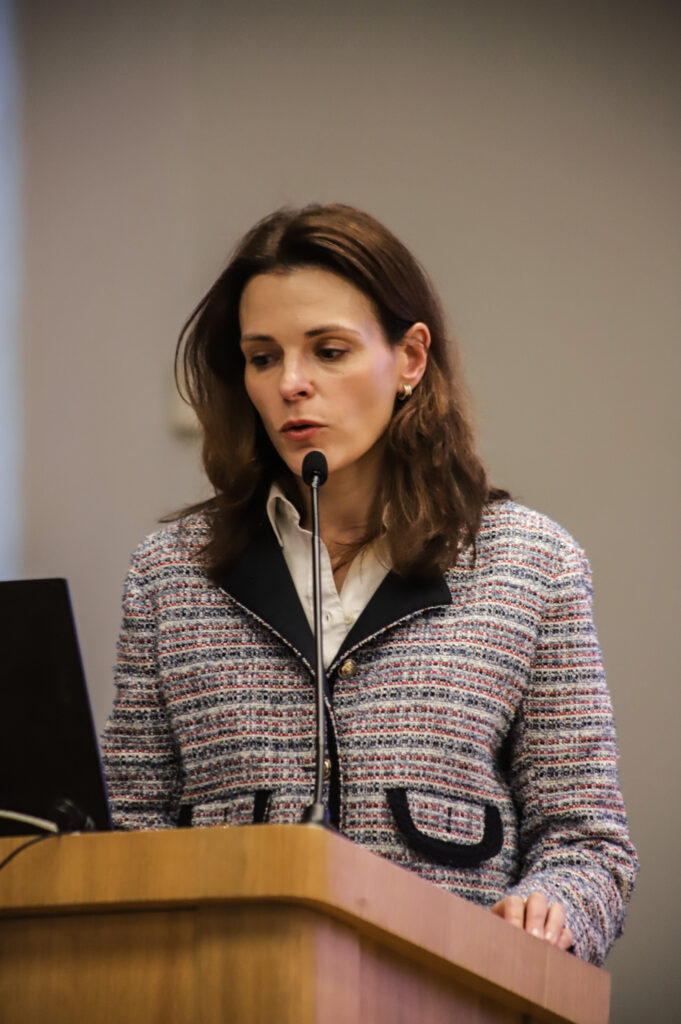
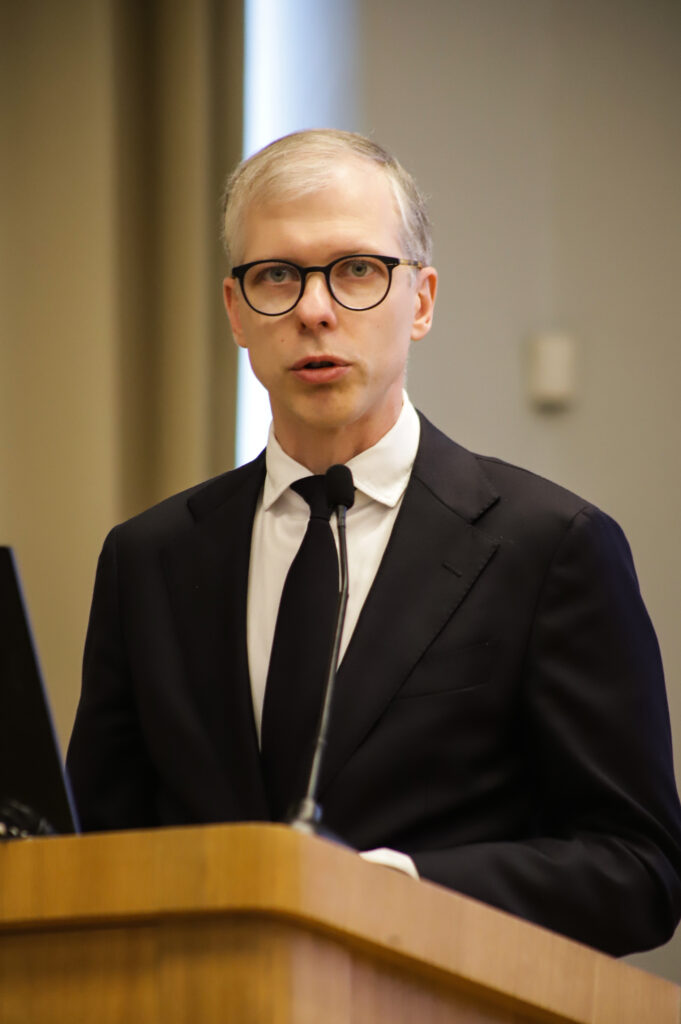
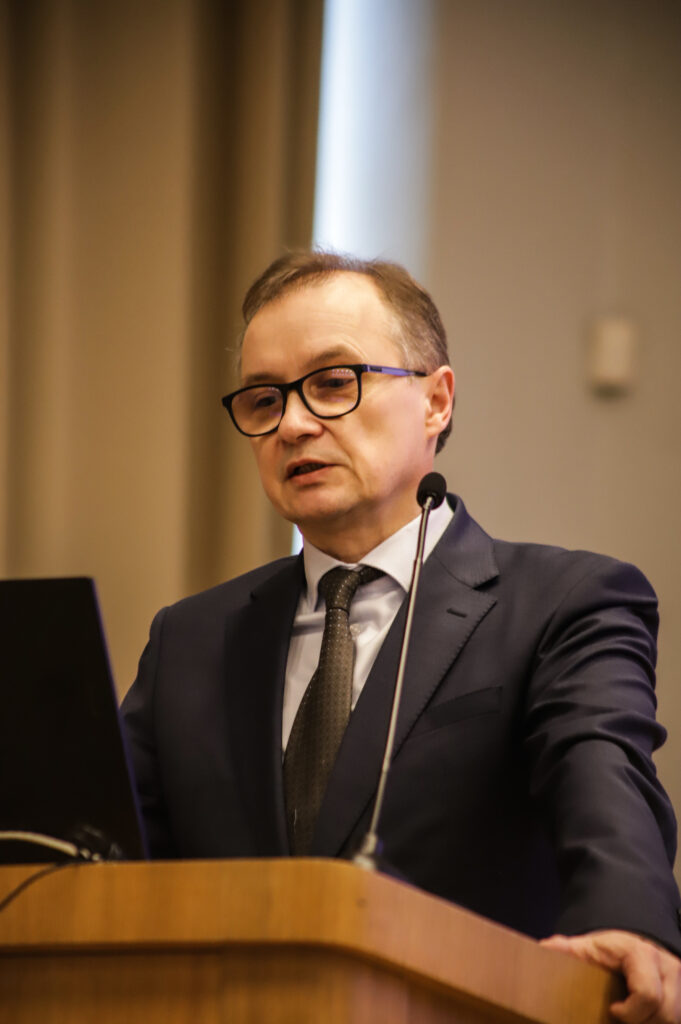
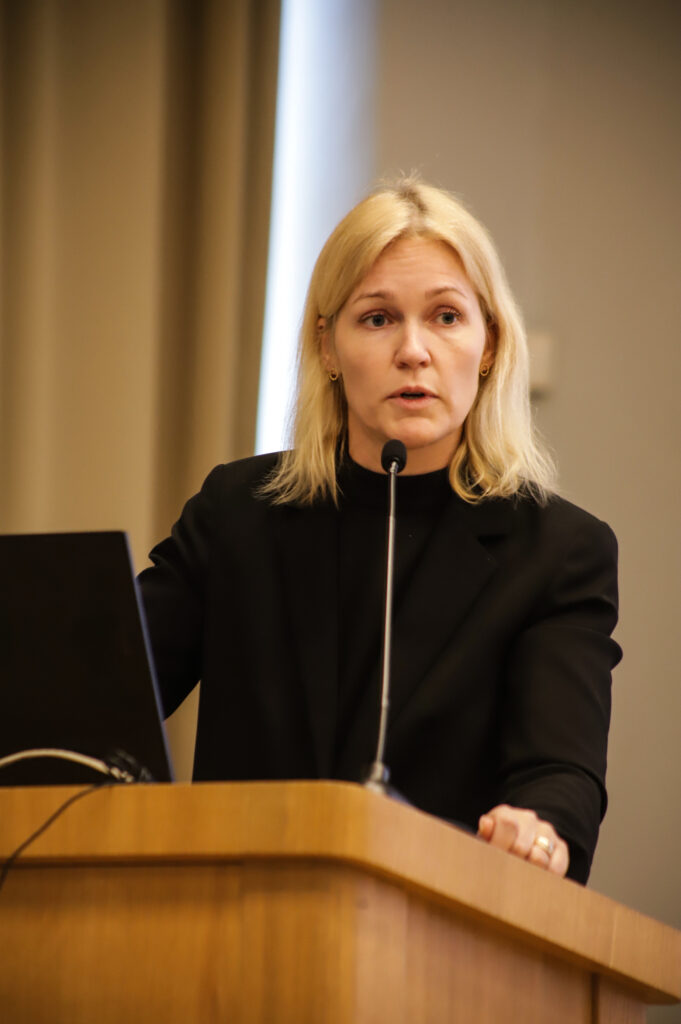
Key developments, transformations, and performance results of the past year were presented in line with the University’s strategic directions of development. The review of annual results was presented by Prof. Habil. Dr Daiva Rastenytė, Chancellor of the LSMU Medical Academy; Prof. Dr Mindaugas Malakauskas, Chancellor of the Veterinary Academy; Prof. Dr Indrė Čeponienė, Vice-Rector for Studies; Prof. Dr Juozas Kupčinskas, Vice-Rector for Research; Prof. Habil. Dr Renaldas Jurkevičius, Vice-Rector for Clinical Medicine, and Laima Matusevičienė, Director of Administration and Finance.
Driving Progress through Change
Prof. Habil. Dr Daiva Rastenytė, Chancellor of the Medical Academy at LSMU, outlined the most significant developments for the University’s activities in 2025. These included the election of the Rector, Senate, and Council, as well as the establishment of the Ebrains Lithuania Centre on the basis of a joint venture framework with LSMU Hospital Kauno Klinikos, Vytautas Magnus University (Kaunas), and Kaunas University of Technology, with LSMU acting as a coordinating institution. In addition, an applied R&D centre of excellence – the Microbiome Research Institute – was established in partnership with LSMU Hospital Kauno Klinikos and Kiel University.
Among other notable developments of the past year was the reorganisation of the Institute for Digestive Research into a research institute within the Medical Academy. The University also approved the procedures for the development and delivery of microcredentials, adopted a University didactics framework, updated the LSMU Code of Ethics, among other changes.
In 2025, the University community exceeded 34,000 members. The average age of staff was approximately 47 years, with women comprising more than two-thirds of the LSMU community. The number of graduates surpassed 1,500, while graduate employability remained among the highest in the country at 89%.
“2025 was an intensive yet significant year for the University characterised by consistent growth and timely changes that support our continued development as a dynamic and forward-looking University,” summarised Prof. Habil. Dr Daiva Rastenyt4, Chancellor of the Medical Academy.
Significant Structural Changes
Over the past year, significant changes in governance were implemented through the elections to all University governing bodies. New terms of office commenced for the Rector, Senate, and Council, all appointed through a public competition process. The Rector’s leadership team was also renewed.
The Department of Cardiology and Department of Cardiac, Thoracic and Vascular Surgery within the Faculty of Medicine (Medical Academy) were reorganised into a specialised department, the Heart Centre. These initiatives were complemented by the decision to reorganise the Institute for Digestive Research within the Faculty of Medicine into a research institute within the Medical Academy, thereby strengthening its strategic role as well as scientific competitiveness and autonomy.
These partnerships will enable students and researchers to operate within a broader professional environment, and the University will continue strengthening its position in the national and international academic domain.
Growing International Visibility in Research
In 2025, the University further strengthened both the funding and international dimension of its research activities, with more than EUR 8.3 million secured for research projects. The University is currently implementing as many as 30 projects under the H2020, Horizon, and EU4H frameworks – an encouraging indicator which has increased fivefold compared to 2022.
Consistent efforts to enhance the integration between research and studies were taken. LSMU became part of the European neuroscience infrastructure – the EBRAINS Lithuania Centre, continued expanding its participation in international research, and investing in research infrastructure.
Over the past year, 644 peer-reviewed articles were published, of which 82% appeared in Q1–Q2 journals. More than half of the publications were produced in collaboration with international partners.
“As a University, we can take particular pride in our doctoral completion rate, which exceeds 87% and clearly distinguishes us from other institutions. Last year, 274 doctoral students studied at LSMU – one of the highest numbers recorded. Our researchers have been highly successful in securing competitive doctoral positions and have also attracted additional places. We would like to sustain this positive trend,” emphasised Prof. Dr Juozas Kupčinskas, Vice-Rector for Research at LSMU.
Student Numbers Remain Stable
In 2025, LSMU delivered a total of 119 study programmes, including integrated, first-, second, and third-cycle (doctoral) programmes, as well as professional (medical residency) study programmes. In total, 8,242 students studied at LSMU across all cycles, and 1,566 graduates completed their studies last year.
According to Prof. Dr Indrė Čeponienė, Vice-Rector for Studies, LSMU study programmes continue to rank among the most attractive to both domestic and international youth. International students accounted for nearly 28% of the total student body across all study cycles – an increase of 5% compared to the previous year.
The success of the LSMU Gymnasium’s Virtual School is also noteworthy: of the 33 participants, as many as 21 were admitted to LSMU. National admissions data indicate that more than 1,000 applicants received offers of study places, a significant proportion of which were state-funded.
Human and Animal Health
Prof. Dr Mindaugas Malakauskas, Chancellor of the Veterinary Academy at LSMU, and Prof. Habil. Dr Renaldas Jurkevičius, Vice-Rector for Clinical Medicine at LSMU, presented a review of the improving indicators in both human and animal healthcare.
In 2025, the activities of the Veterinary Academy were marked by a significant leap in terms of the development. Investments in the clinical base for animal health exceeded EUR 4 million, enabling the introduction of next-generation diagnostic and treatment methods, as well as strengthening the integration of studies and practical training. The scale of continuing professional development also increased substantially: over the year, 2,256 veterinary doctors participated in LSMU training programmes – twice as many as in the previous year. Prof. Dr Mindaugas Malakauskas, Chancellor of the Veterinary Academy, also highlighted the number, quality, and importance of public awareness raising initiatives carried out during the year.
In the field of human health, the University consistently promoted the physical and emotional well-being of its community. In 2025, a total of 1,274 psychological consultations were provided, with their quality rated very highly at 4.8 out of 5.
Health promotion initiatives also expanded rapidly: the number of individual consultations more than doubled, while 1,140 members of the University community took part in physical activity programmes, with increasingly diverse opportunities for engagement. The steadily decreasing number of employee sick leave days – down to 4.3 days per employee per year – demonstrates the long-term impact of health promotion measures.
A Sustainable University: Ambition, Quality, and Dynamic Progress
According to the Director of Administration and Finance, Laima Matusevičienė, LSMU continued to strengthen its infrastructure in 2025 while ensuring the consistent implementation of strategic projects.
A construction contract was signed for the new academic and research building of the Faculty of Odontology, which will enhance the integration and quality of dental research, studies, and clinical practice. The state investment programme was successfully completed, resulting in the acquisition of a substantial amount of equipment to support the expansion of activities at the Animal Hospital of the Faculty of Veterinary Medicine.
Design work for the Centre of Life Sciences of the Faculty of Medicine continued, alongside the implementation of various other infrastructure projects aimed at improving the University environment.
The University Council adopted key decisions regarding the restructuring of the University Gymnasium and other units: the University Pharmacy was transferred to the Department of Drug Technology and Social Pharmacy within the Faculty of Pharmacy at the Medical Academy, while the Vivarium was integrated into the Biological Research Centre.
The Rector of LSMU, Professor Doctor Rimantas Benetis, expressed his gratitude to the University community for its responsibility, professionalism, and consistent contribution towards achieving the University’s strategic vision.
“The reporting year has been one of consolidation with a focus on strategic review as we now move towards planning new strategic directions. LSMU continues to strengthen its profile as an international university. We welcome the commencement of construction of the Faculty of Odontology, which will further expand our capacity in both education and research. We expect that other projects outlined in our strategy will be implemented with equal success,” – stated the Rector.
The University’s 2025 Activity Report was approved by the LSMU Senate. The Rector presented the report to the University Council, which subsequently endorsed it.
The full version of the LSMU Activity Report is available HERE.