LSMU Honours People who Donated their Bodies to Medical Education and Research
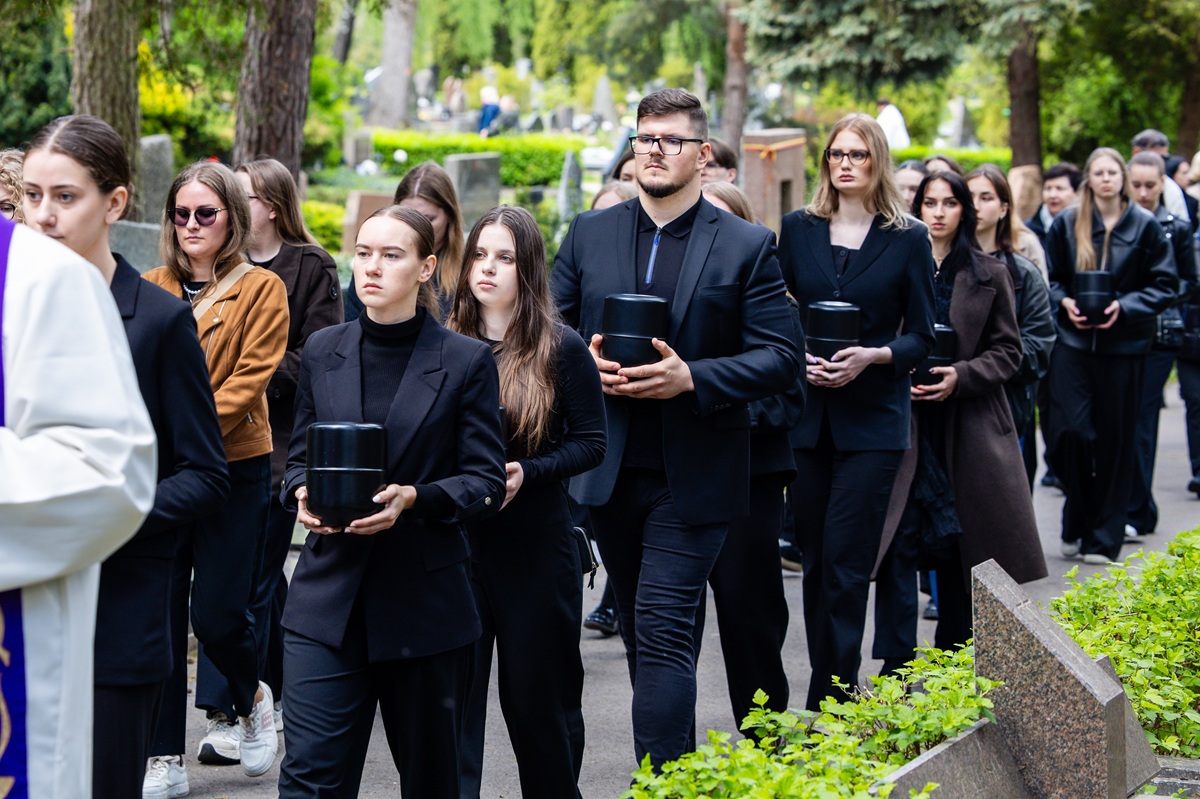
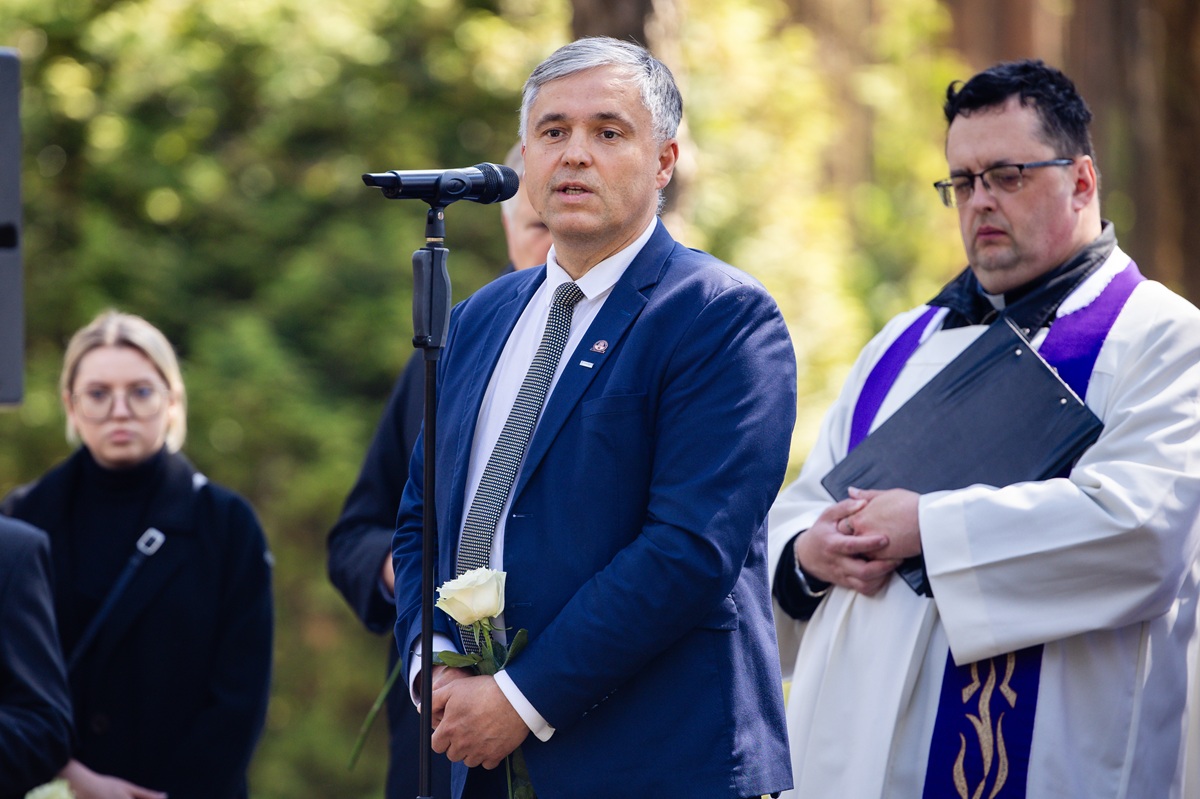
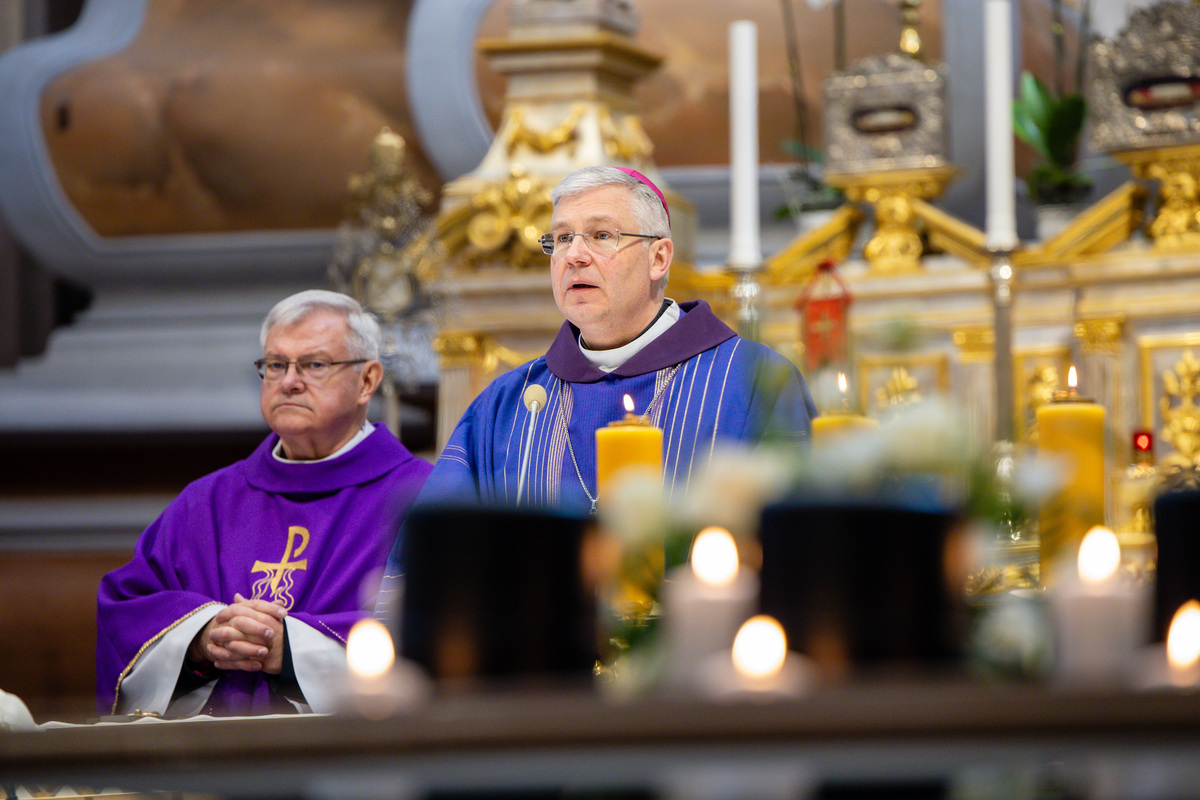
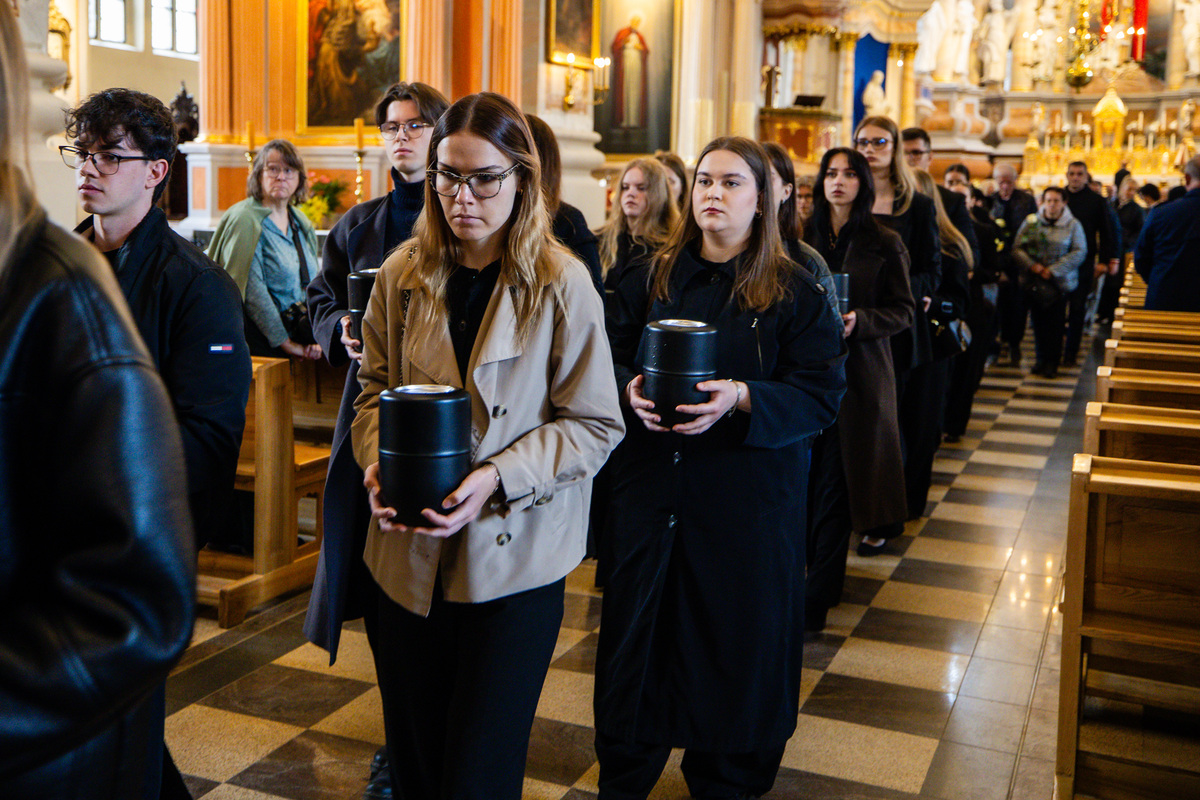
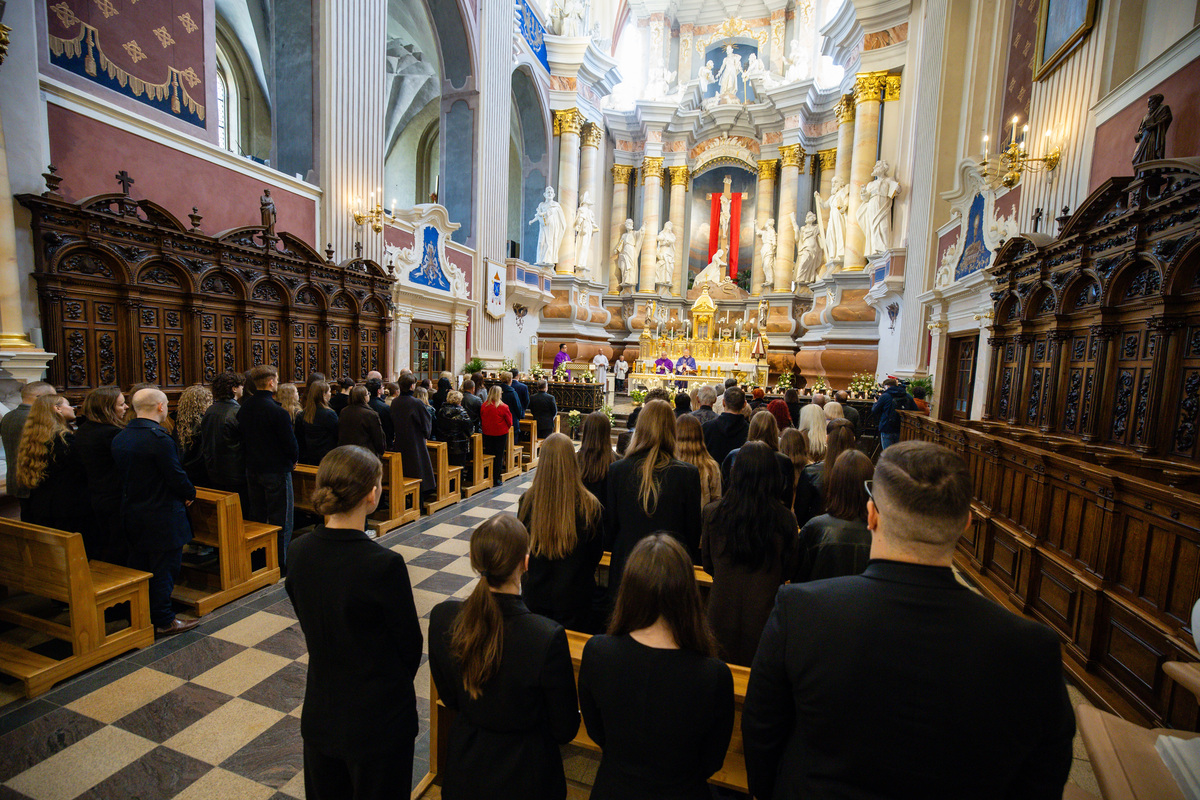
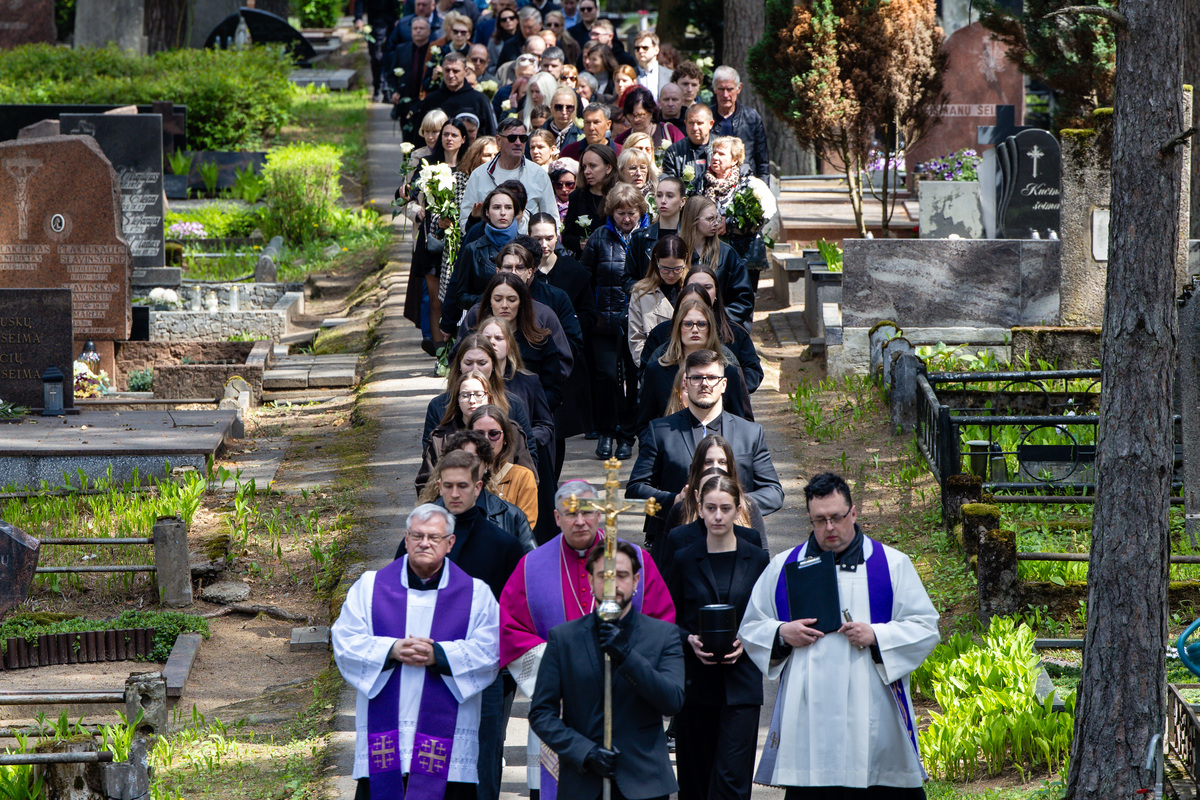
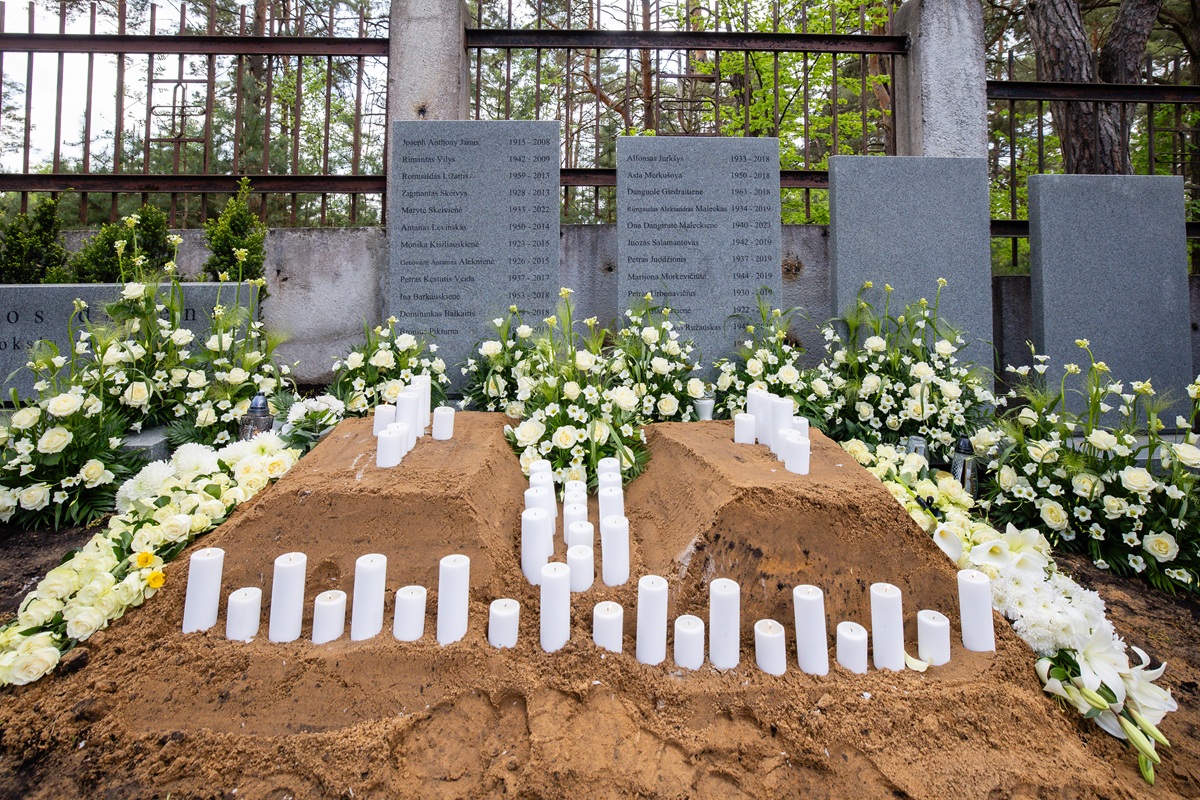
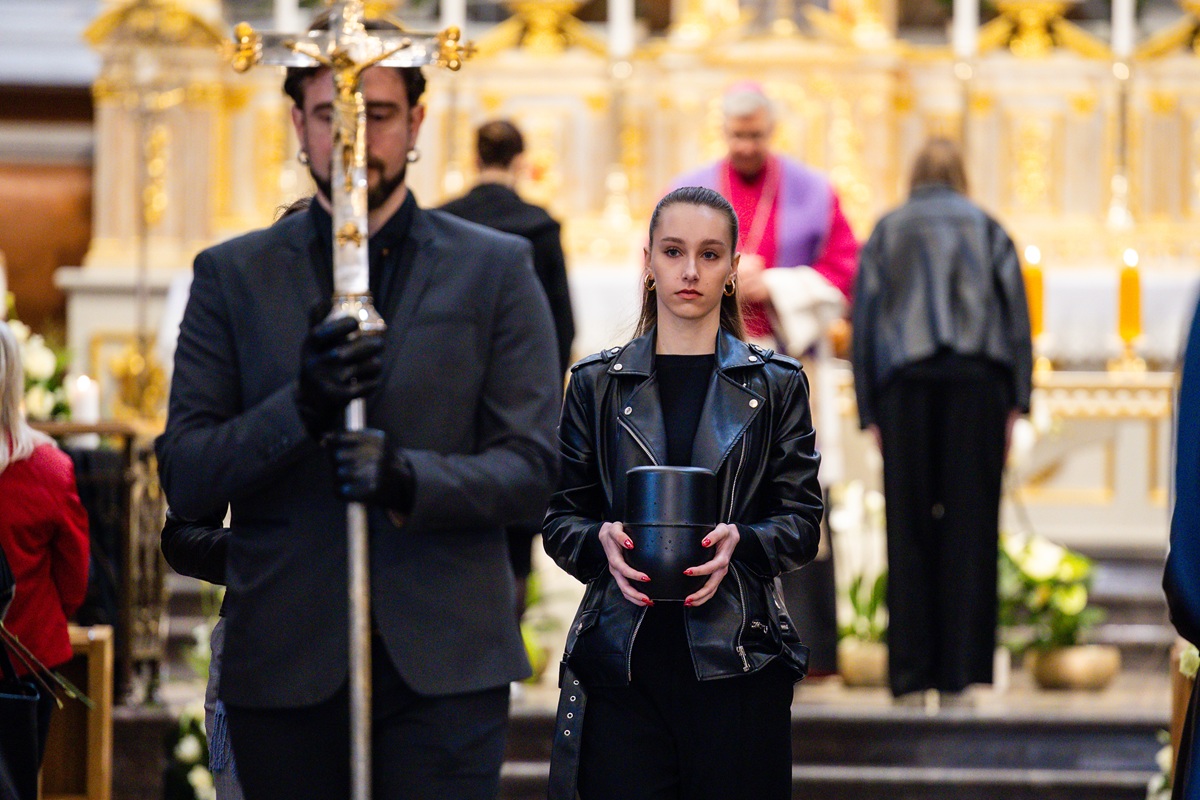
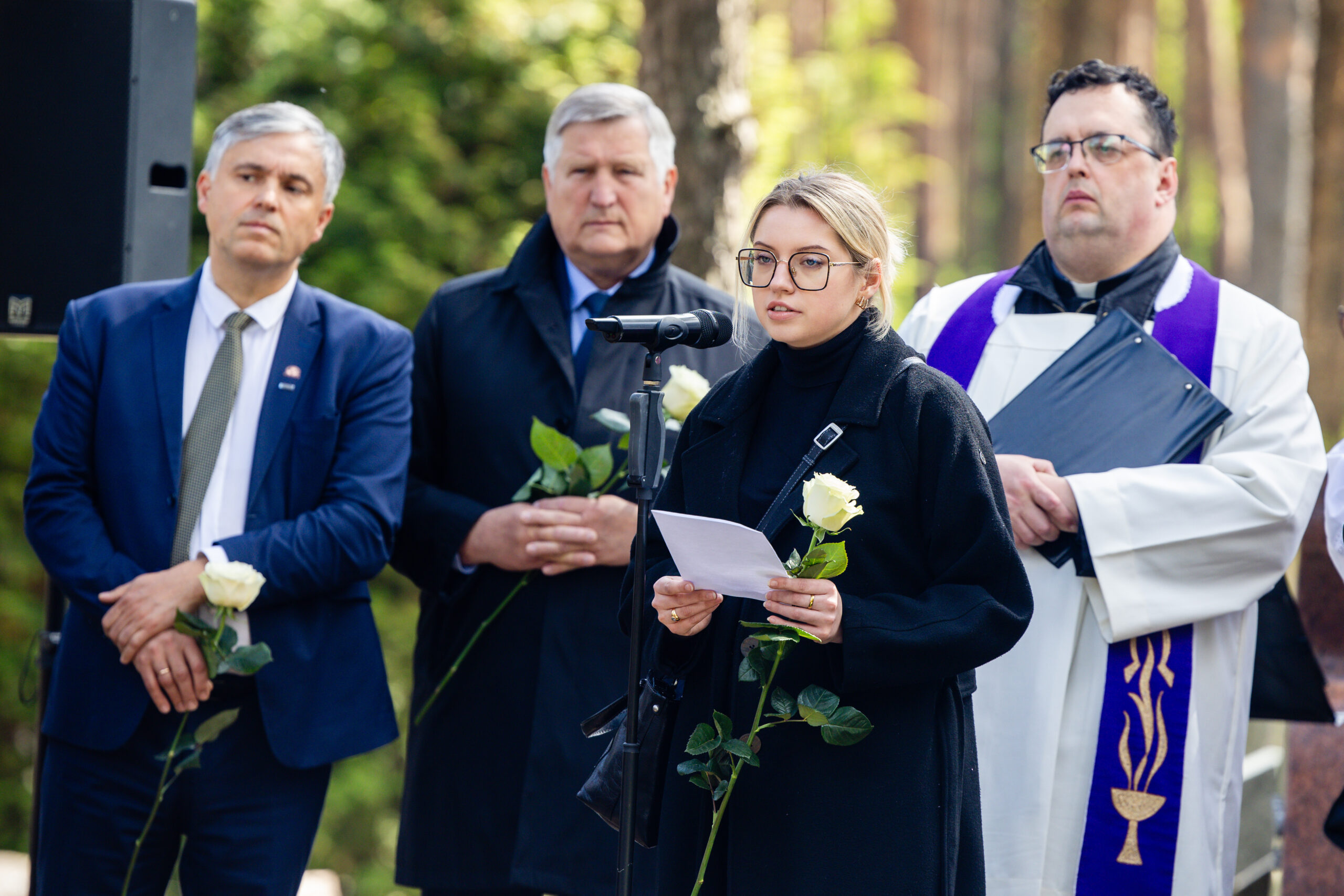
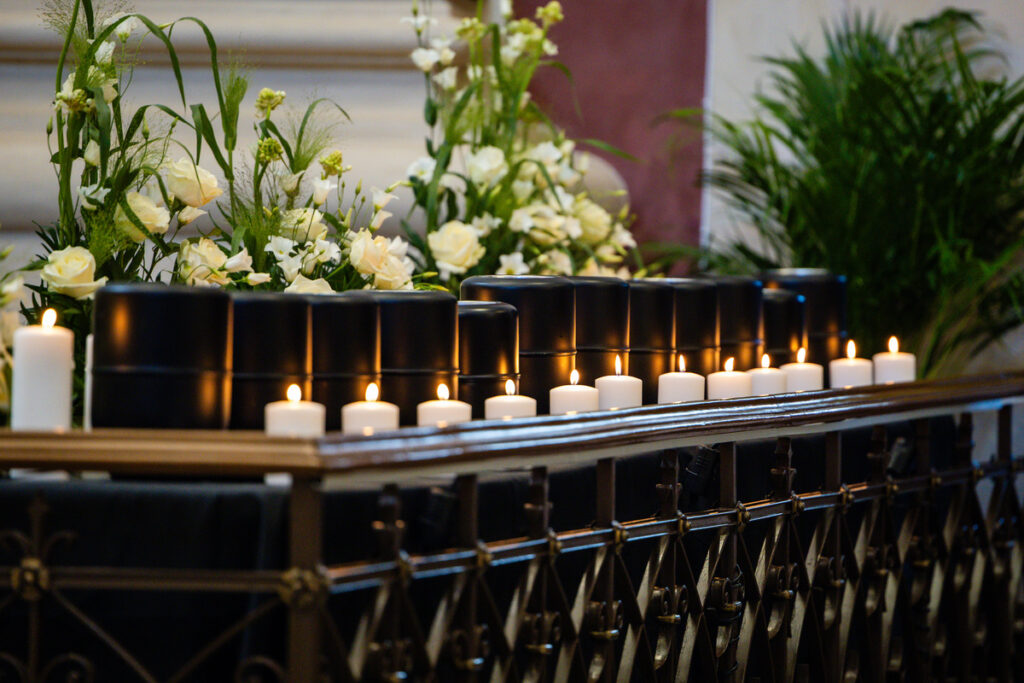
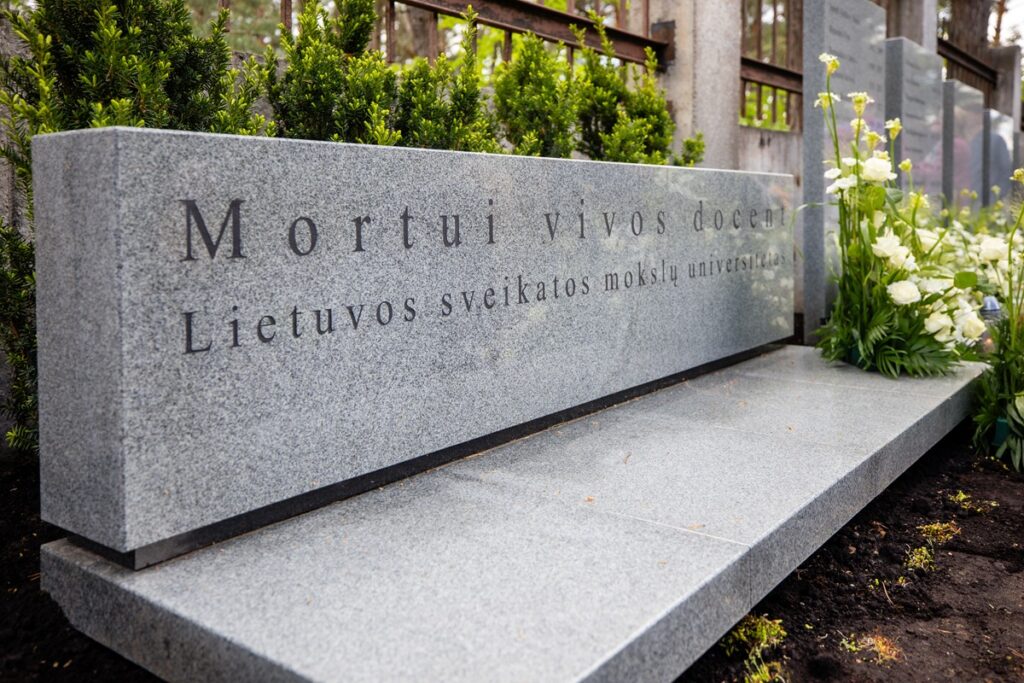
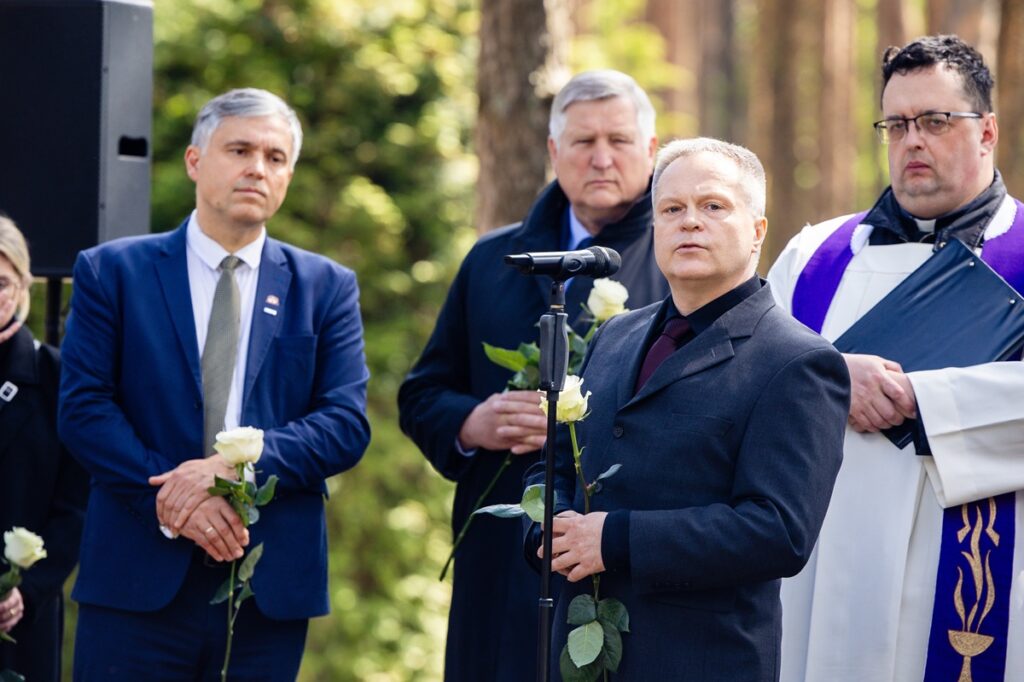
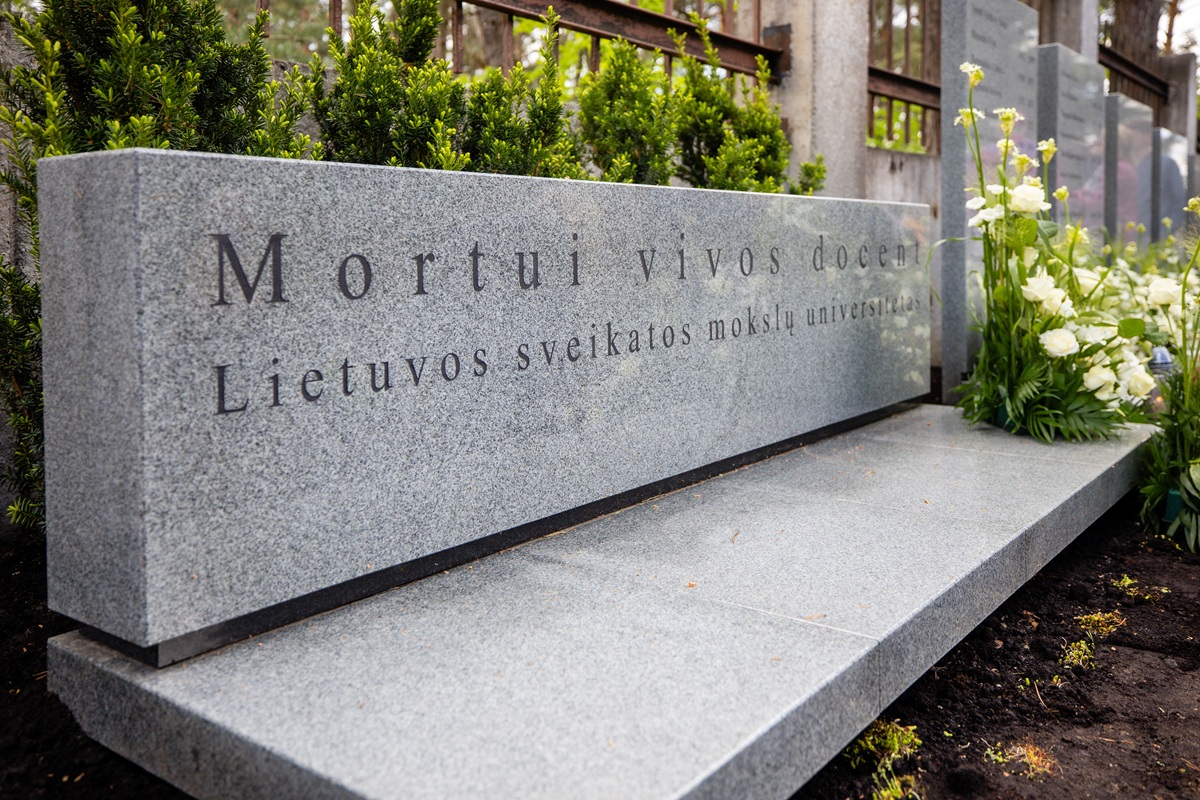
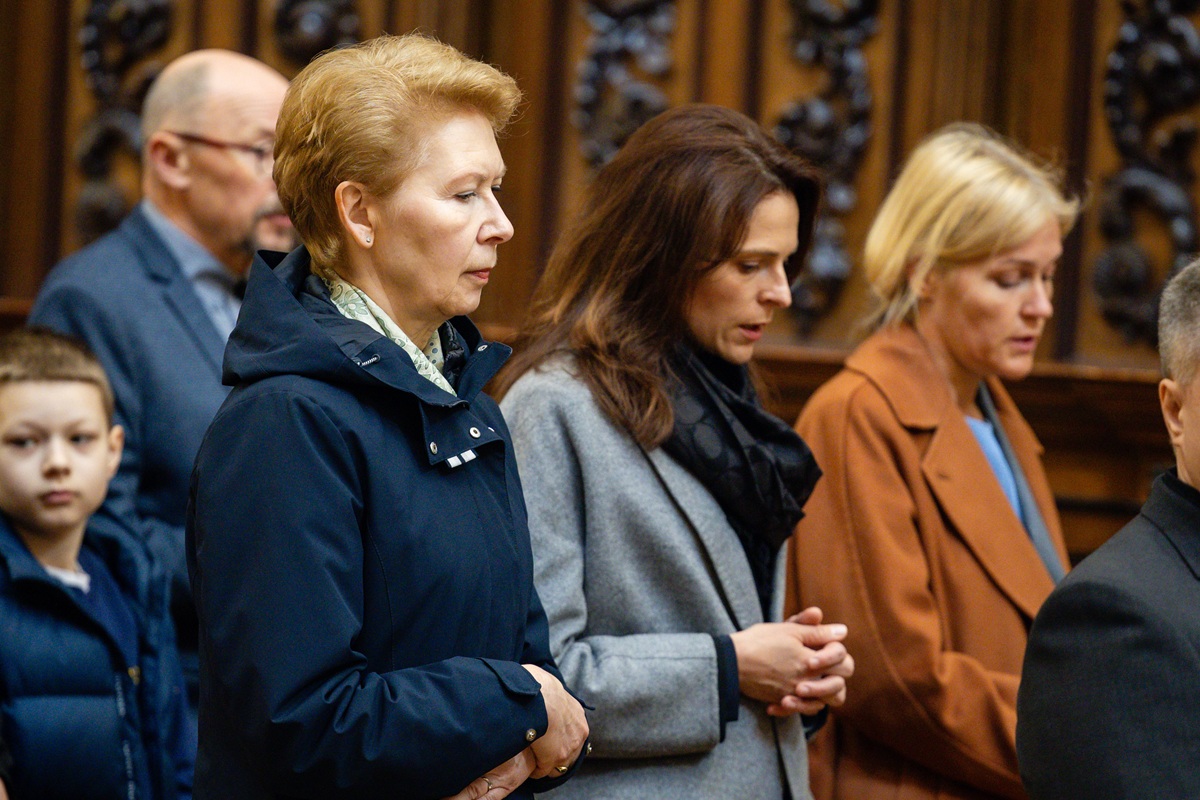
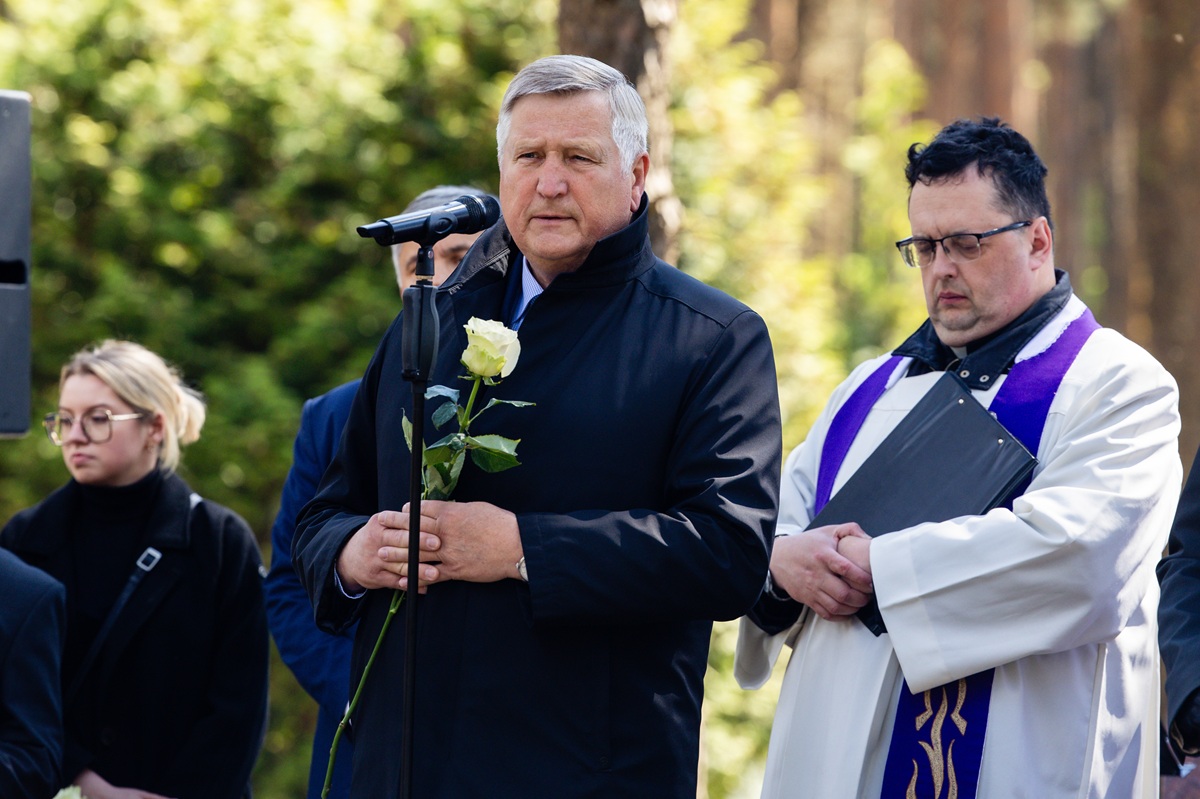
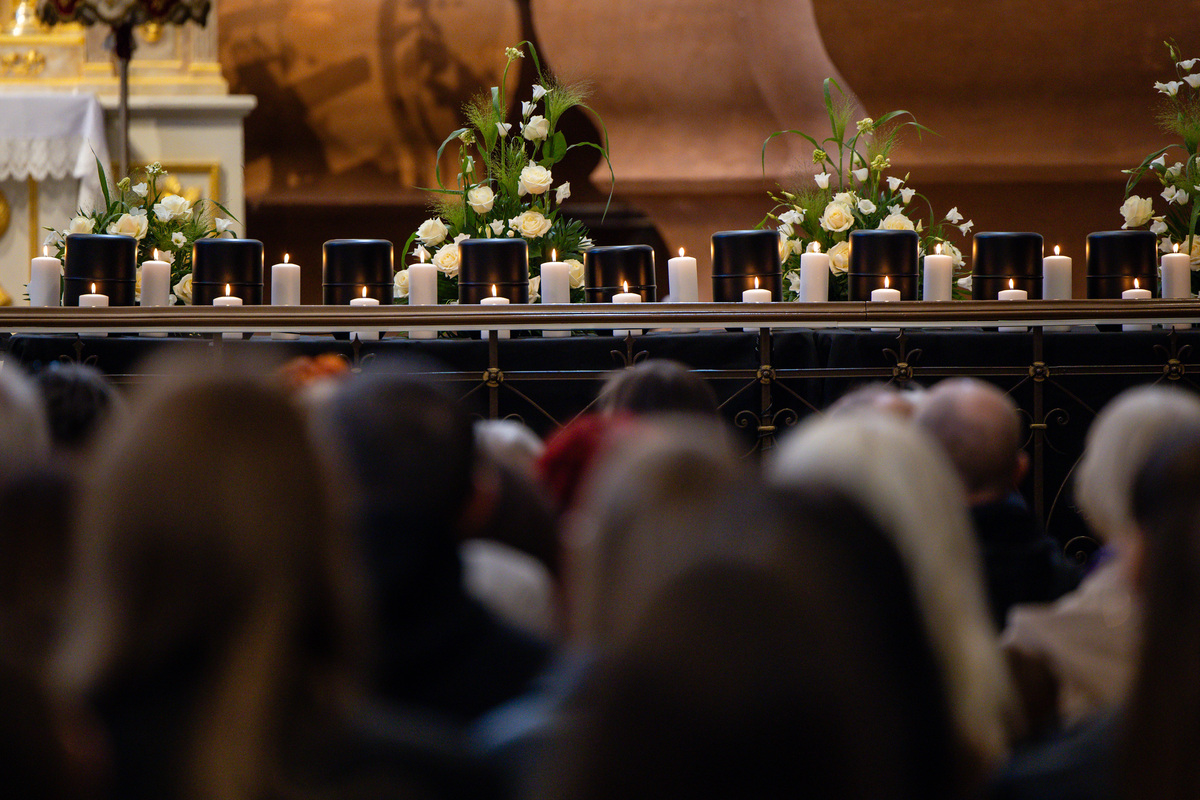
An exceptional ceremony organised by the Lithuanian University of Health Sciences (LSMU) took place in Kaunas. Twenty-four people who donated their bodies after death for medical education and research were accompanied from Kaunas Archcathedral and laid to rest with dignity at Petrašiūnai Cemetery. The ceremony was attended by the families of those who had donated their bodies, LSMU Rector Professor Rimantas Benetis, representatives of the University, students, His Excellency Kęstutis Kėvalas, Archbishop Metropolitan of Kaunas, and other clergy of the Archdiocese of Kaunas.
A long-awaited burial place
According to Assoc. Prof. Dr Darius Batulevičius, Head of the LSMU Institute of Anatomy, the ceremony was more than the formal fulfilment of the University’s commitment. It was also a long-awaited expression of gratitude to people whose decision helped educate a new generation of health professionals.
“The opening of the burial place for people who donated their bodies for education and research at Petrašiūnai Cemetery in Kaunas is a historic event. We, as anatomists, the whole LSMU community and the families of those who donated their remains, have been waiting for this moment since 2008,” said Assoc. Prof. Dr Batulevičius.
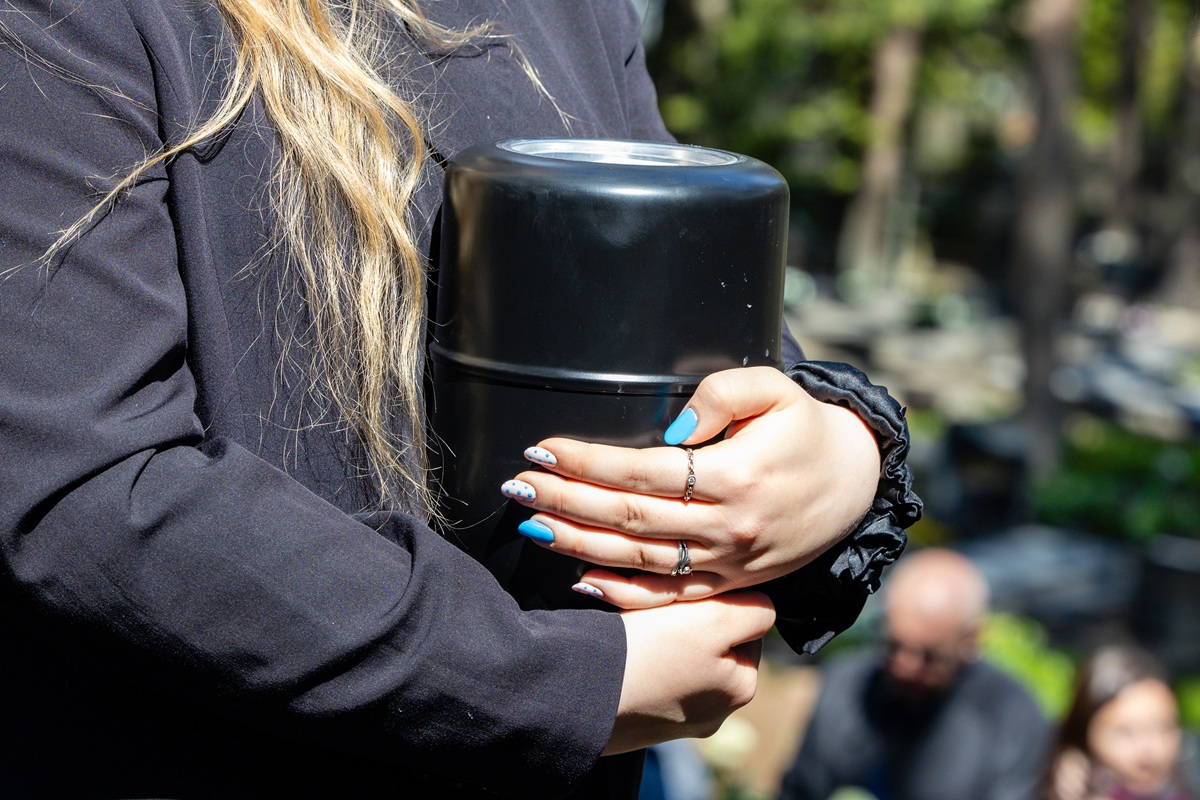
It was in 2008 that the Human Remains Donation Programme for Education and Research began at the then Kaunas University of Medicine. Since then, urns containing the donors’ ashes have been kept and respectfully stored at the museum of the Institute of Anatomy.
Assoc. Prof. Dr Batulevičius said that, over these years, a new generation of doctors, nurses and other health professionals had studied and developed their skills through the generosity of these people.
“We want to honour, with dignity, the people who donated their bodies, because these noble people deserve it. Their gift should be known, recognised and solemnly honoured by society. This event is important for the Institute of Anatomy, the Faculty of Medicine and LSMU, as well as for the city of Kaunas and Lithuania’s health system as a whole,” he said.
The ceremony was also a way of acknowledging the patience of families who had waited for the burial place to be created at Petrašiūnai Cemetery.
Why body donation matters for students
Medical students use textbooks, digital anatomy atlases, simulation equipment and a range of models. However, Assoc. Prof. Dr Batulevičius noted that none of these can fully replace learning from the real human body.
“The human body is of immeasurable value. Even after death, it remains very important and useful for education and research. By studying human anatomy, students become better specialists, while researchers develop and improve new treatment methods,” he explained.
At the Institute of Anatomy, students can see, examine and touch real human organs, blood vessels, nerves and tissues.
“Many students are surprised when they first encounter a real human body. They realise that anatomy is different from what they see in a colourful atlas illustration or a plastic model, and that not everything is as clear as it appears there,” said Assoc. Prof. Dr Batulevičius.
This experience is particularly important for future surgeons. They learn to dissect tissues, develop motor skills and acquire a sense of how tissues feel. Specialised training is also provided for resident doctors and dentists. This includes learning to suture skin, identify blood vessels and nerves, and dissect the areas of the mouth, nose and ear.
“No plastic model, however good, and no simulation equipment can replace the use of human remains in education, because these tools do not contain real tissues that can be touched. Simulation tools and models do not come close to real anatomical structures, their complexity or their subtlety,” said the Head of the Institute.
Another important factor is that every human body is unique. Blood vessels, nerves, muscles and tendons may vary not only from one person to another, but also between the right and left sides of the same person’s body.
“Models usually present the most common general case. But in medicine, it is essential to understand anatomical variation. In surgery, a lack of knowledge about variation can be very dangerous, as it increases the risk of damaging, for example, an artery or one of its branches located in an unusual place,” explained Assoc. Prof. Dr Batulevičius.
First teachers and first patients
In anatomy, the Latin phrase Mortui vivos docent is often used. It means “the dead teach the living”. According to Assoc. Prof. Dr Batulevičius, this idea captures the meaning of body donation very precisely.
“For students in the health sciences, people who donate their bodies become both their first teachers and their first patients,” said the Head of the LSMU Institute of Anatomy.
For this reason, work with human remains at the University is strictly regulated. From receiving and preparing the remains for education, to storage and cremation, the whole process follows the principles of respect for human dignity, confidentiality and anonymity. Students may not touch human remains without the supervision and permission of teaching staff. Photographing bodies or organs is strictly prohibited.
“Human remains are not an object. They are a person who has died. Both students and teachers must therefore treat them with dignity and respect,” said Assoc. Prof. Dr Batulevičius.
He added that this experience is also a lesson in professional ethics for future medical professionals. “The use of human remains in education develops ethical awareness, respect and the skills needed to work with the human body. These skills will be essential in the professional practice of future specialists,” he said.
The need for body donation remains high
Body donation for science remains a sensitive subject in Lithuania, but Assoc. Prof. Dr Batulevičius said that public attitudes are gradually changing.
“In the past, the use of the body for science and anatomy was seen as something that was not particularly honourable. Today, we want to show that the opposite is true: people who decide to donate their bodies are exceptional individuals and deserve great respect,” he said.
According to LSMU, since 2008 the University has received 517 declarations of final will. In recent years, it has received around 30 such declarations and around 10 bodies each year. The highest number of received declarations of final will – the total of 67 declarations – was registered in 2014.
As universities admit more students, the need for human remains for education also increases. “I can assure you that body donors are very much needed, especially now, because there is a shortage of bodies,” he said.
Another common concern is whether remains will be treated with respect. Assoc. Prof. Dr Batulevičius said that the University has clear rules and high ethical standards in place. “A body donor may withdraw their declaration of final will at any time, without giving a reason. They only need to inform the Institute of Anatomy in writing,” he explained.
He said that body donation at LSMU is possible, welcome and received with gratitude. “The first step before making such an important decision is to speak to your loved ones. This is important because family members are usually the people who inform us of a body donor’s death,” said Assoc. Prof. Dr Batulevičius.
If a person decides to donate their body for education and research, and agrees that their remains will be buried in the LSMU burial place at Petrašiūnai Cemetery in Kaunas, they must complete and sign a declaration of final will. For questions, please contact the Institute of Anatomy by telephone on +370 37 327 239 or by email at anatomija@lsmu.lt.
 View all photos