New Opportunities for Research: Renovated Oncology Research Laboratory Opens at the Institute of Oncology
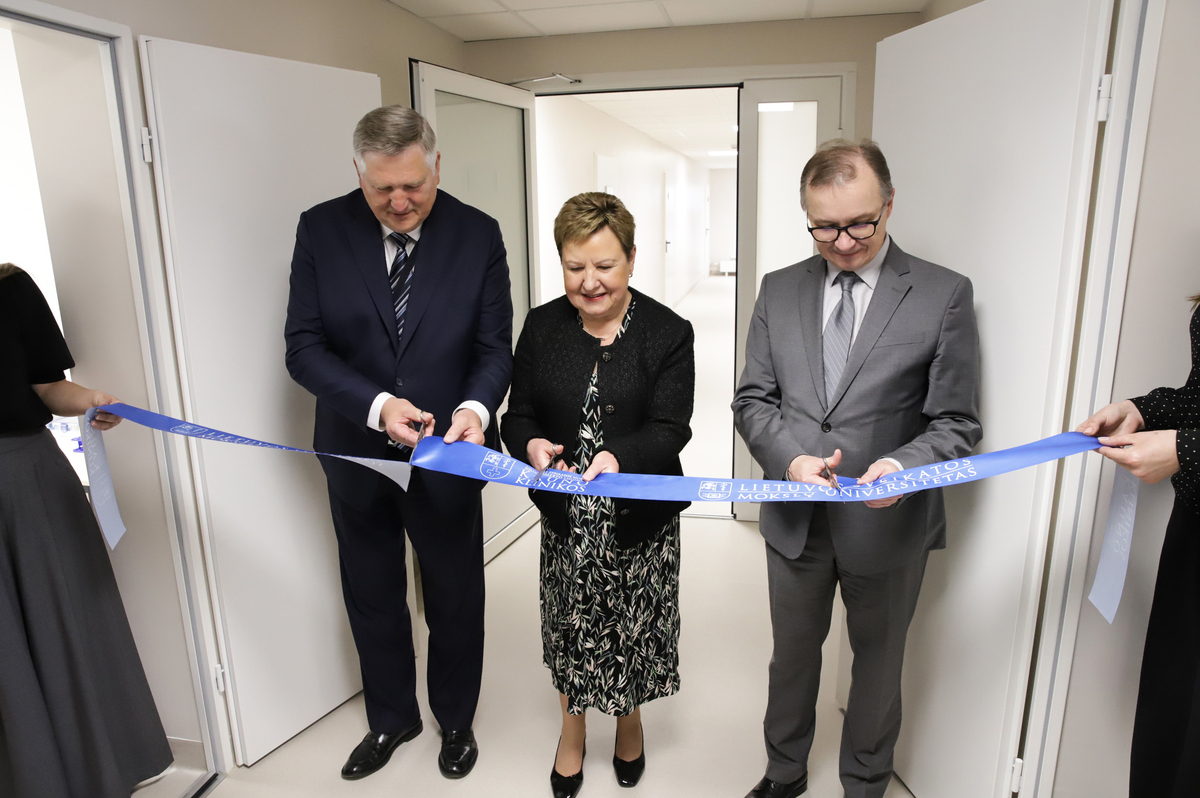
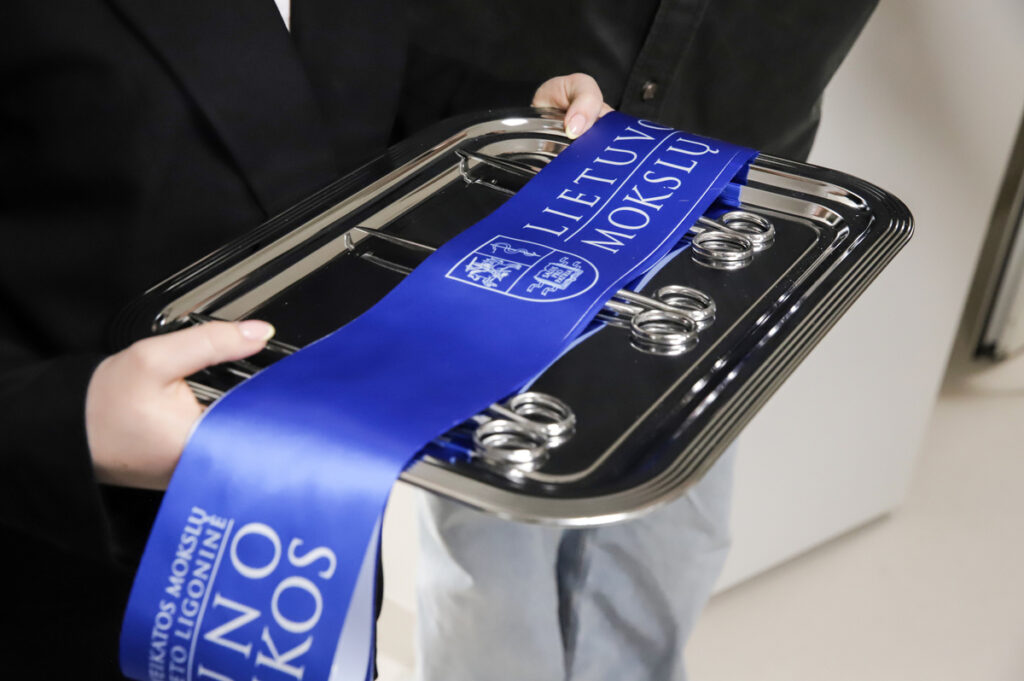
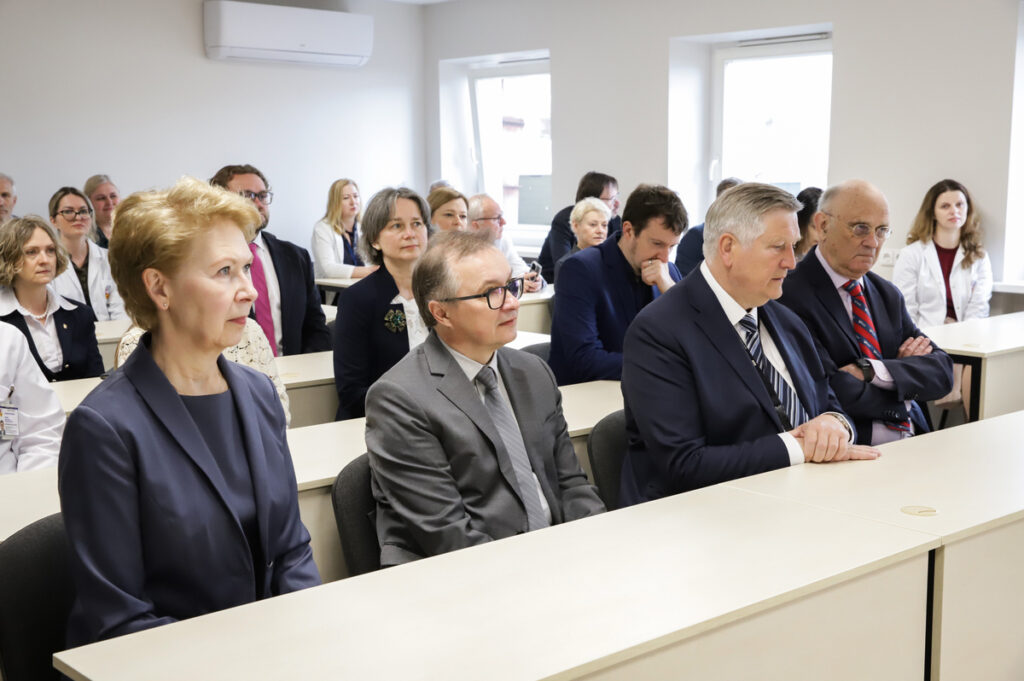
The renovated Oncology Research Laboratory of the Institute of Oncology, Faculty of Medicine, Lithuanian University of Health Sciences (LSMU), has been officially opened.
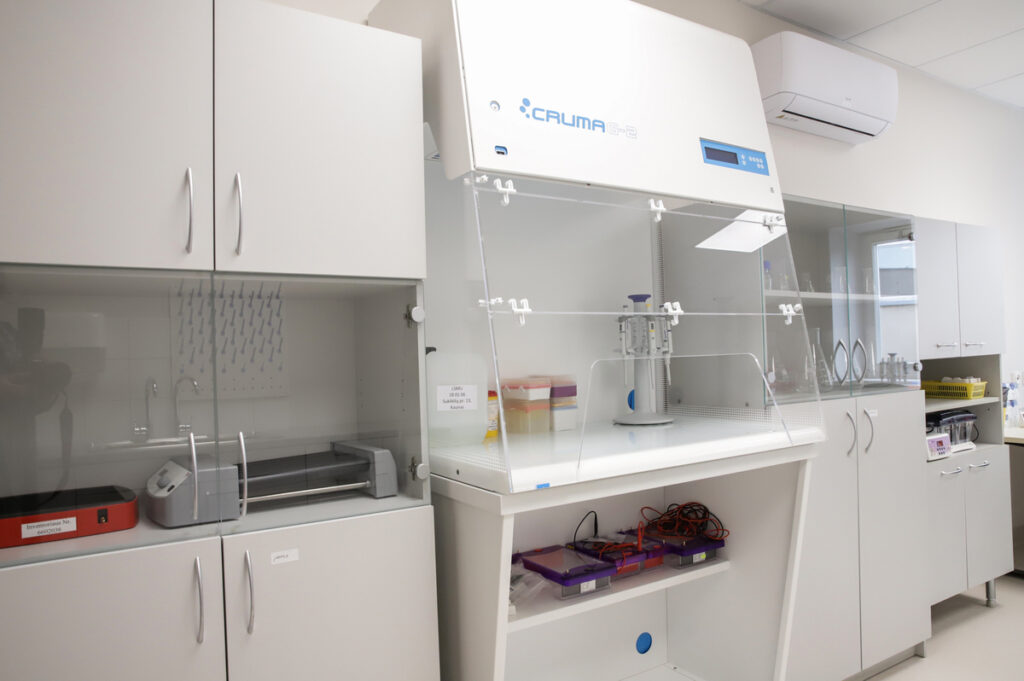
As the scope of research and technological needs have grown, the Oncology Research Laboratory has moved from its former small premises on the lower ground floor to new 330-square-metre facilities at the Hospital of the Lithuanian University of Health Sciences Kauno Klinikos, next to the Department of Radiation Therapy.
The new premises house laboratories for molecular research, protein research, functional cell studies and cell cultures, as well as a lecture room for students, facilities for sample preparation and storage, and a laboratory for Bachelor’s and Master’s students working on their final theses.
Ambitious plans for a priority area
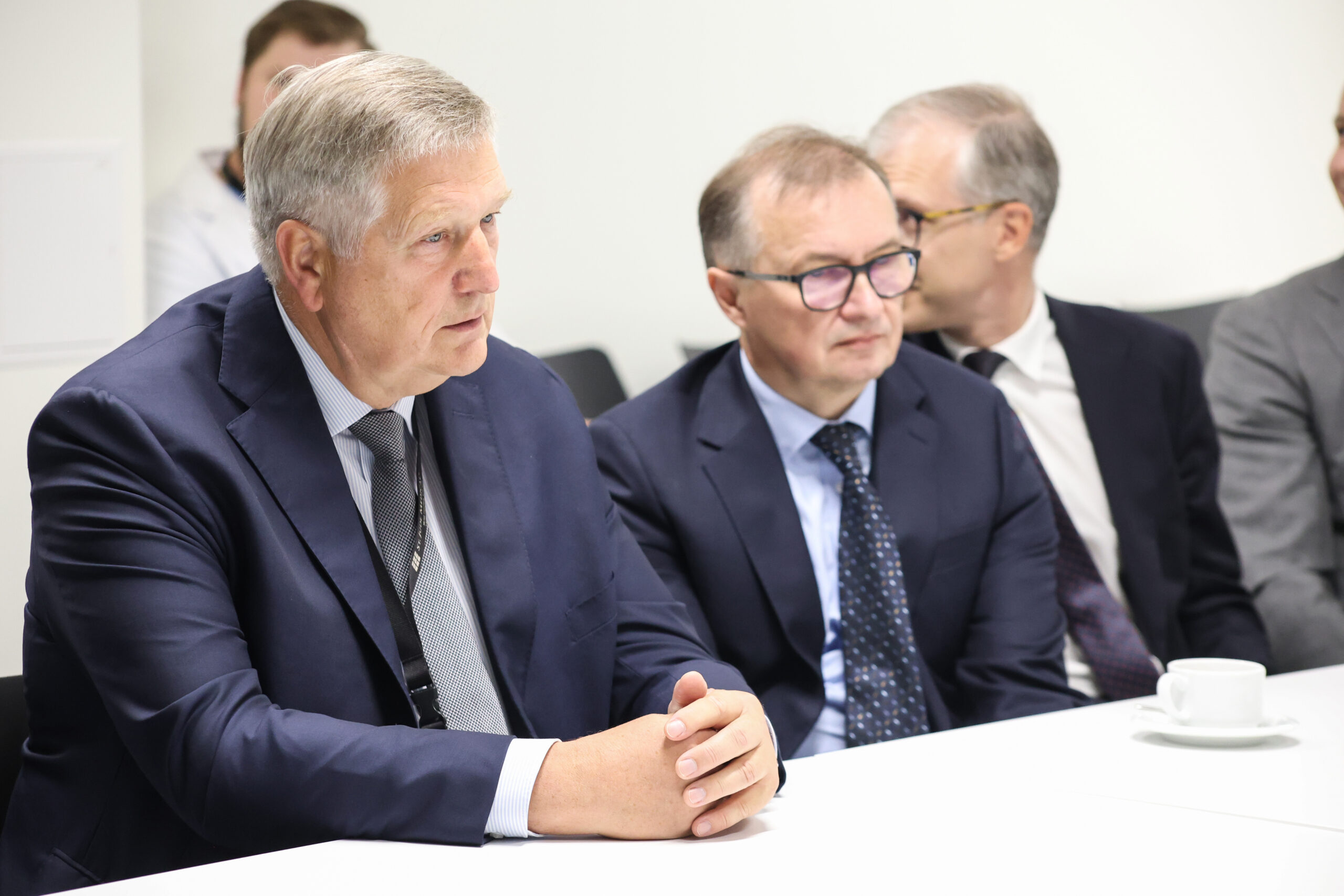
Oncology is one of LSMU’s strategic research areas. LSMU Rector Professor Rimantas Benetis highlighted the University’s ambitious plans and expectations in this field.
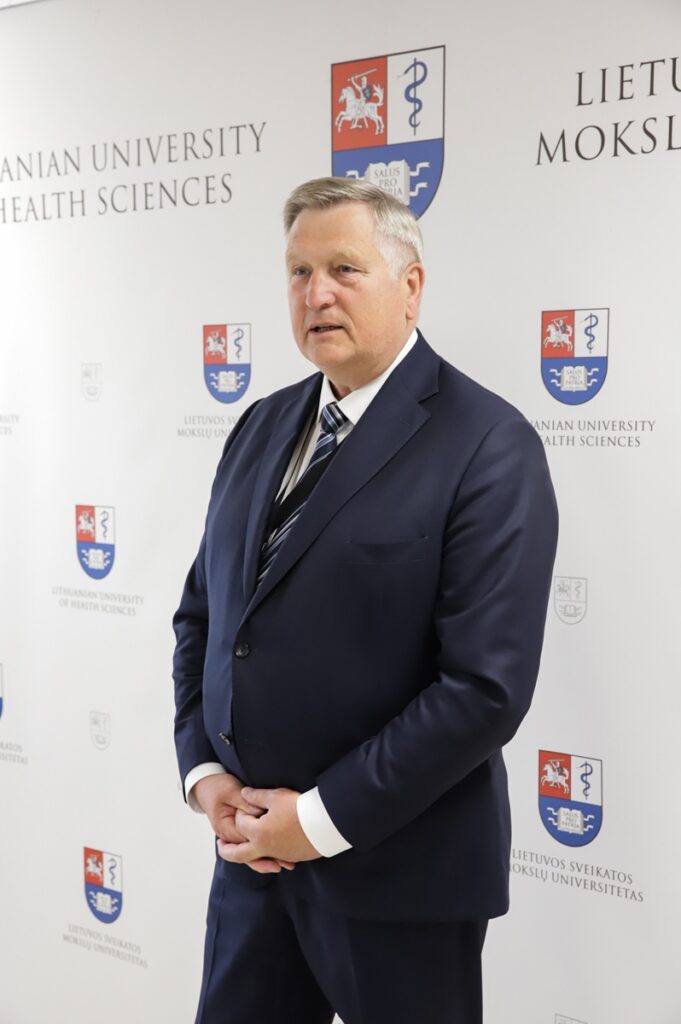
“Oncology research at the University should in future continue expanding into the areas of molecular research, digestive system studies, nuclear medicine and proton therapy. We are actively working in this direction and discussing sources of funding so that, in the future, we can significantly expand treatment options for oncology patients. We view the development of oncology research with hope, commitment and a sense of responsibility,” said Professor Benetis.
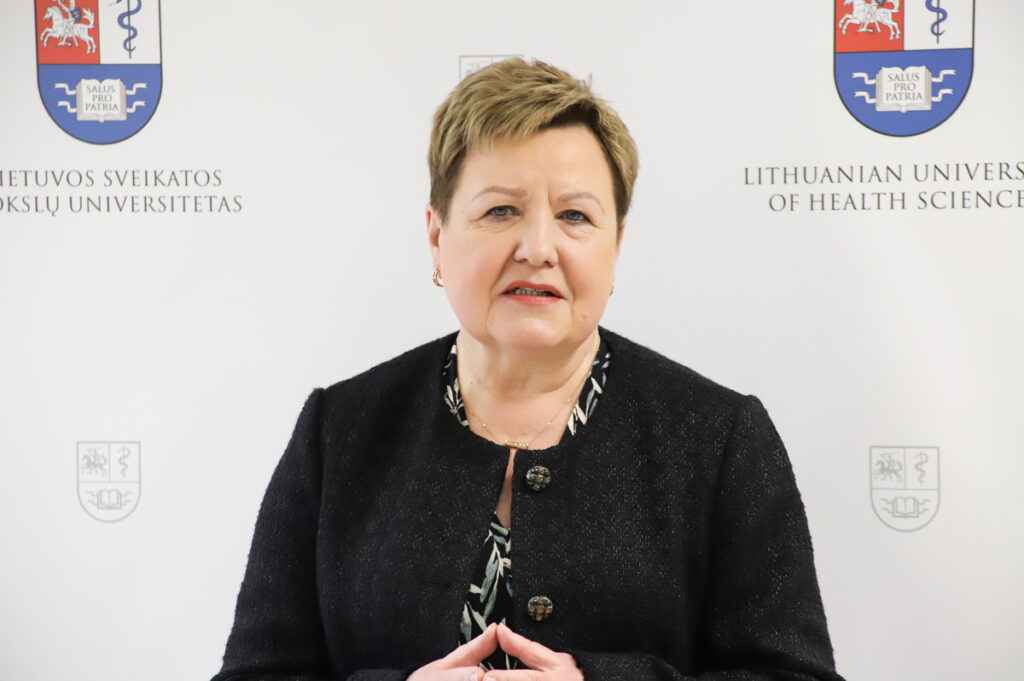
Professor Elona Juozaitytė, Head of the LSMU Institute of Oncology and Head of the Department of Oncology and Haematology, noted that the renewed and highly favourable conditions for developing radiobiology experiments and other research activities mark a new stage in the scientific work of the entire Institute of Oncology.
“The expansion of the Oncology Research Laboratory is not only an investment in infrastructure; it is also an investment in people. We are investing to ensure that young researchers – our future leaders – have comfortable conditions in which to work. The renovated infrastructure will serve both studies and Master’s students’ laboratory work, and will help consolidate efforts for the further development of radiology and oncology research,” said Professor Juozaitytė.
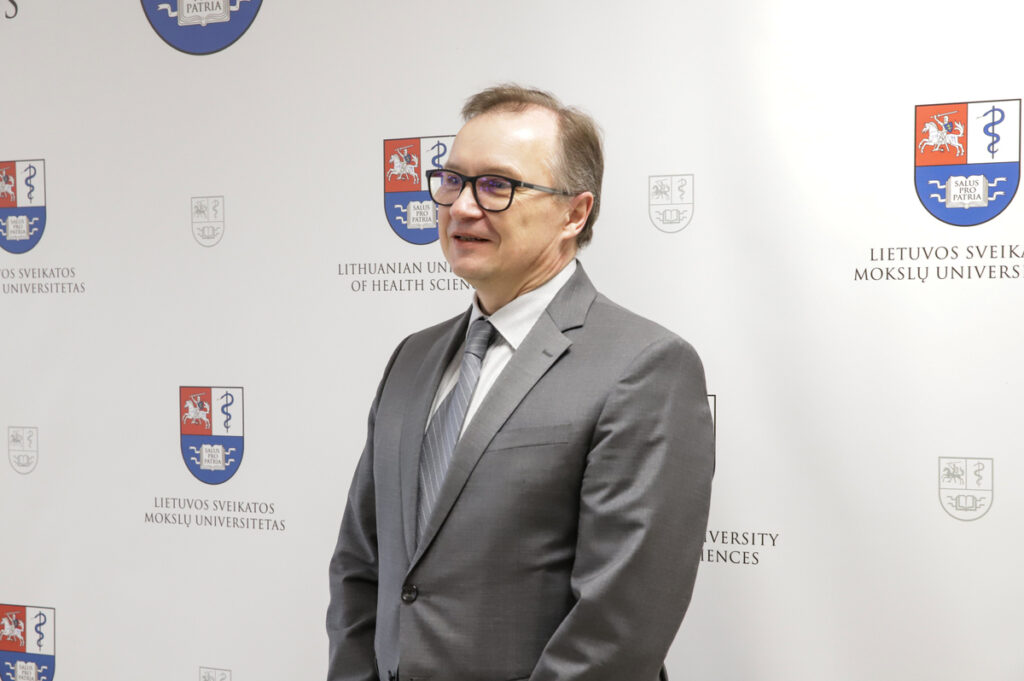
Professor Renaldas Jurkevičius, Director General of the Hospital of the Lithuanian University of Health Sciences Kauno Klinikos, emphasised the importance of collaboration.
“Both at LSMU and at the university hospital Kauno Klinikos, oncology is a priority area. From a clinical perspective, we can be proud of strong progress: new technologies are being introduced, and individualised therapy based on genetic diagnostics is being applied. These are systemic steps; without research and without the University, such progress would not be possible,” said Professor Jurkevičius.
According to Professor Juozaitytė, research findings are directly applied in patient treatment. Recognising the value, importance and benefit of such research for patients, Avon – a well-known cosmetics company and organiser of various cancer-awareness initiatives – contributed EUR 25,000 to support the renovation of the Oncology Research Laboratory and breast cancer research carried out there.
Applying the most advanced technologies
Established 15 years ago, the LSMU Faculty of Medicine Institute of Oncology comprises the Department of Oncology and Haematology and the Oncology Research Laboratory. The laboratory conducts fundamental and applied research covering a broad spectrum of oncological and oncohaematological diseases, as well as radiobiological experiments.
The laboratory’s main research focus is the search for new prognostic and predictive cancer biomarkers. Using patients’ blood and tumour samples, as well as cell culture models, researchers analyse gene sequence variants and changes in gene expression at RNA and protein level.
Advanced technologies are used in the research, including real-time PCR, next-generation sequencing (NGS), Western blotting, flow cytometry and other methods. Around 200 human exome sequencing studies have already been carried out using NGS technologies.
Another important area of the laboratory’s research is radiobiology. Researchers analyse the response of breast cancer cells to ionising radiation and search for phytochemicals that increase radiosensitivity.
Fundamental knowledge for treatment and diagnostics
Biologists and geneticists working at the Oncology Research Laboratory collaborate closely with oncologists and haematologists and conduct translational research, the results of which are directly applied in clinical practice.
The Institute of Oncology of the LSMU Faculty of Medicine stands out for its growing research output and significant achievements internationally.
Researchers from the Institute of Oncology are involved in the activities of the European Organization for Nuclear Research (CERN). In 2022, the Institute joined the CERN Baltic Group and participates in the activities of the Particle Physics Consortium, which brings together Lithuanian researchers from various fields and disciplines to conduct research on topics relevant to CERN. The consortium includes a Radiobiology Research Group representing LSMU.
With research activity and the number of scientific publications having increased significantly, it is expected that targeted development will create the conditions for the continued strengthening of the Institute of Oncology and an even greater contribution to the advancement of oncology research in Lithuania.
Recent articles