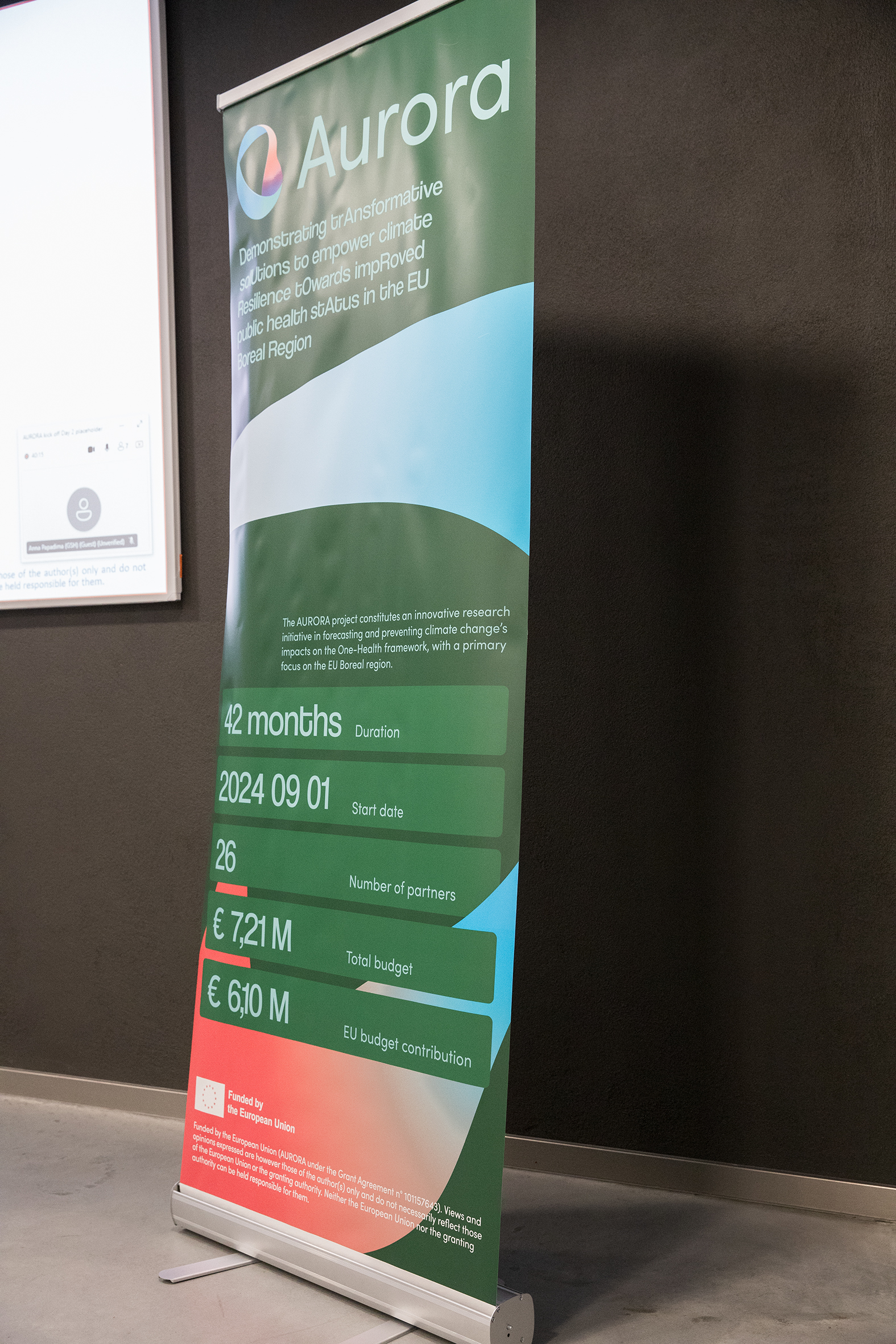

Summary: Climate change poses significant threats to human health and well-being, impacting not only the EU Boreal region but also Europe as a whole. The increasing frequency and severity of extreme events, like floods, wildfires, rising sea levels, and heatwaves have far-reaching consequences for local communities. The need to adapt to climate change’s impacts and embrace transformative solutions has garnered recent political attention. Nevertheless, recent extreme incidents, such as the 2021 wildfires in the Boreal region and similar events in Europe, have underscored the imperative of systemic actions and revealed the disproportionate vulnerability of already marginalized populations. The AURORA project aims to enhance resilience against health risks stemming from climate change and contribute to the overarching Mission objectives. The AURORA consortium, with its vast experience in research projects, envisions active engagement with stakeholders throughout all project stages via Living Mission Labs. This engagement aims to foster behavioral change and showcase the project’s solutions in 5 Demo cities (Riga, Tallinn, Vilnius, Tampere, Pori ) and 3 replicant cities (Klaipeda, Joniskis, Jurmala). The knowledge and insights generated by AURORA will be disseminated through clustering activities, ultimately empowering local policymakers to make evidence-based decisions, reassess strategies, and develop management plans for climate-resilient cities.
The expected outcome of the project: It seeks to achieve this by developing a suite of tools capable of: 1) Monitoring climate stressors, 2) Creating climate and epidemiological models 3) Generating forecasts via simulated scenarios 4) Identifying climate change risks and vulnerabilities in the Boreal region. These risks will be complemented by a reliable AI-driven technology that will 5) Issue early warnings and recommend adaptive measures and nature-based solutions. These components will form a robust Decision Support system providing specific recommendations.
Funded by the European Union (AURORA under the Grant Agreement n° 101157643). Views and opinions expressed are however those of the author(s) only and do not necessarily reflect those of the European Union or the granting authority. Neither the European Union nor the granting authority can be held responsible for them.
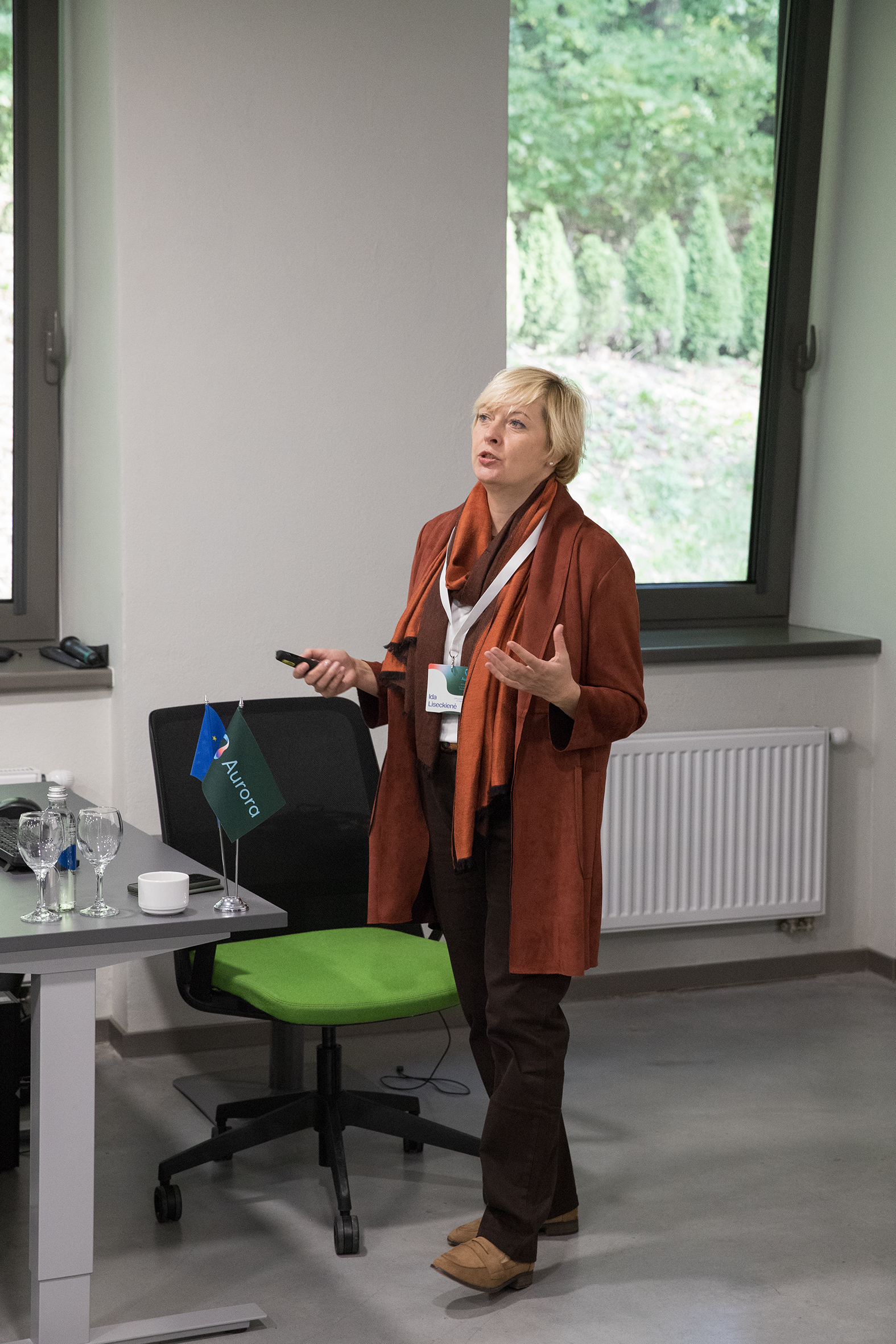
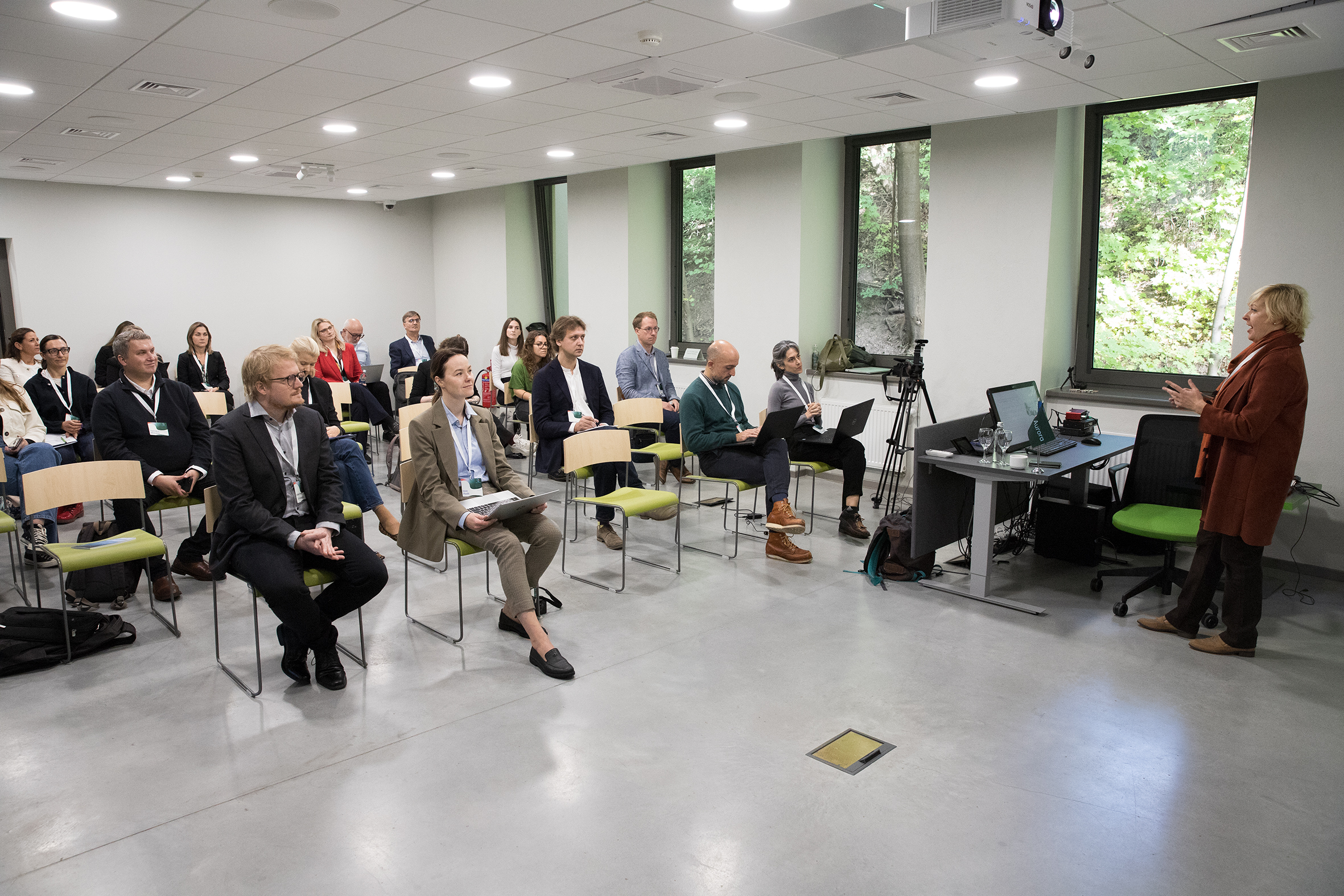
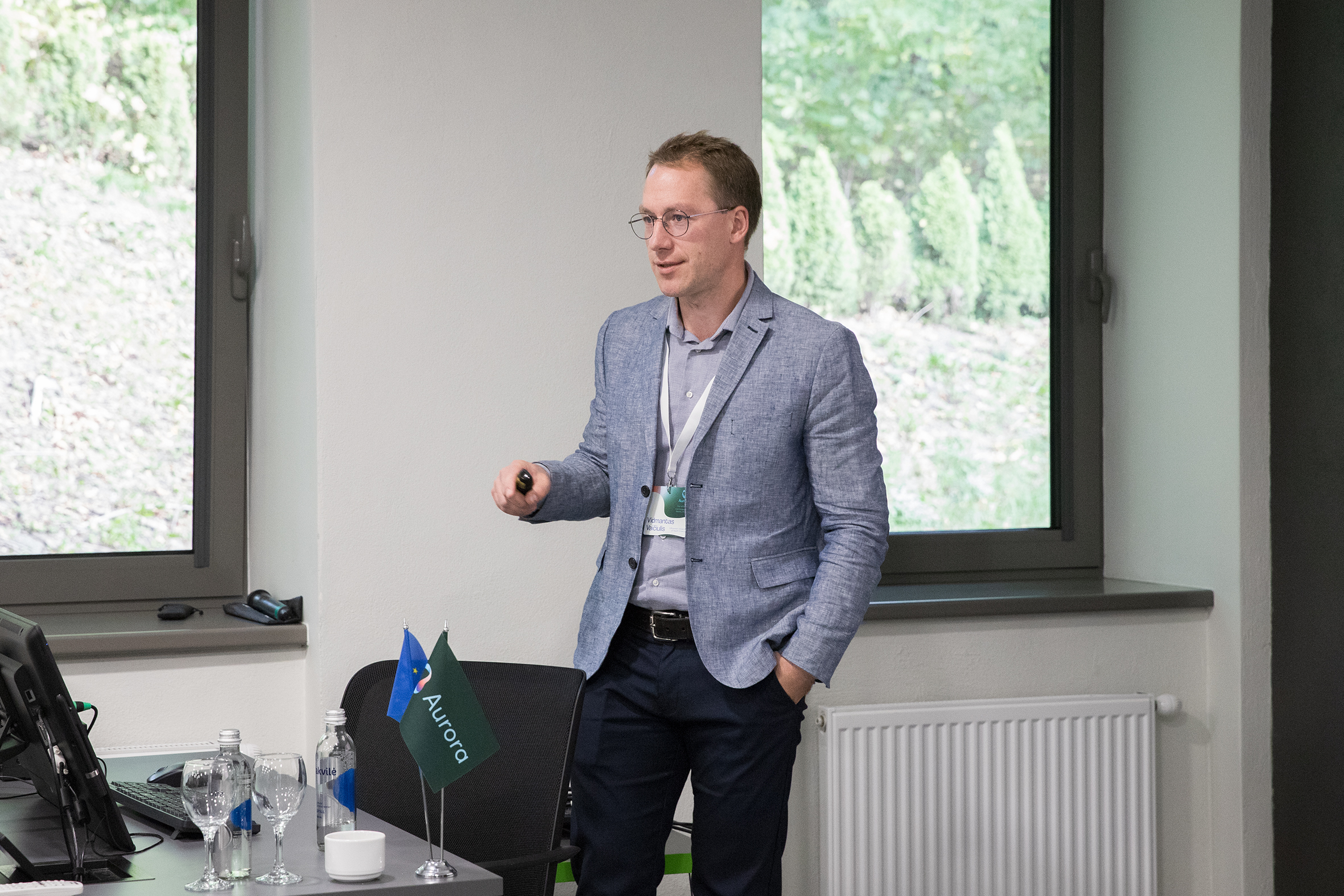
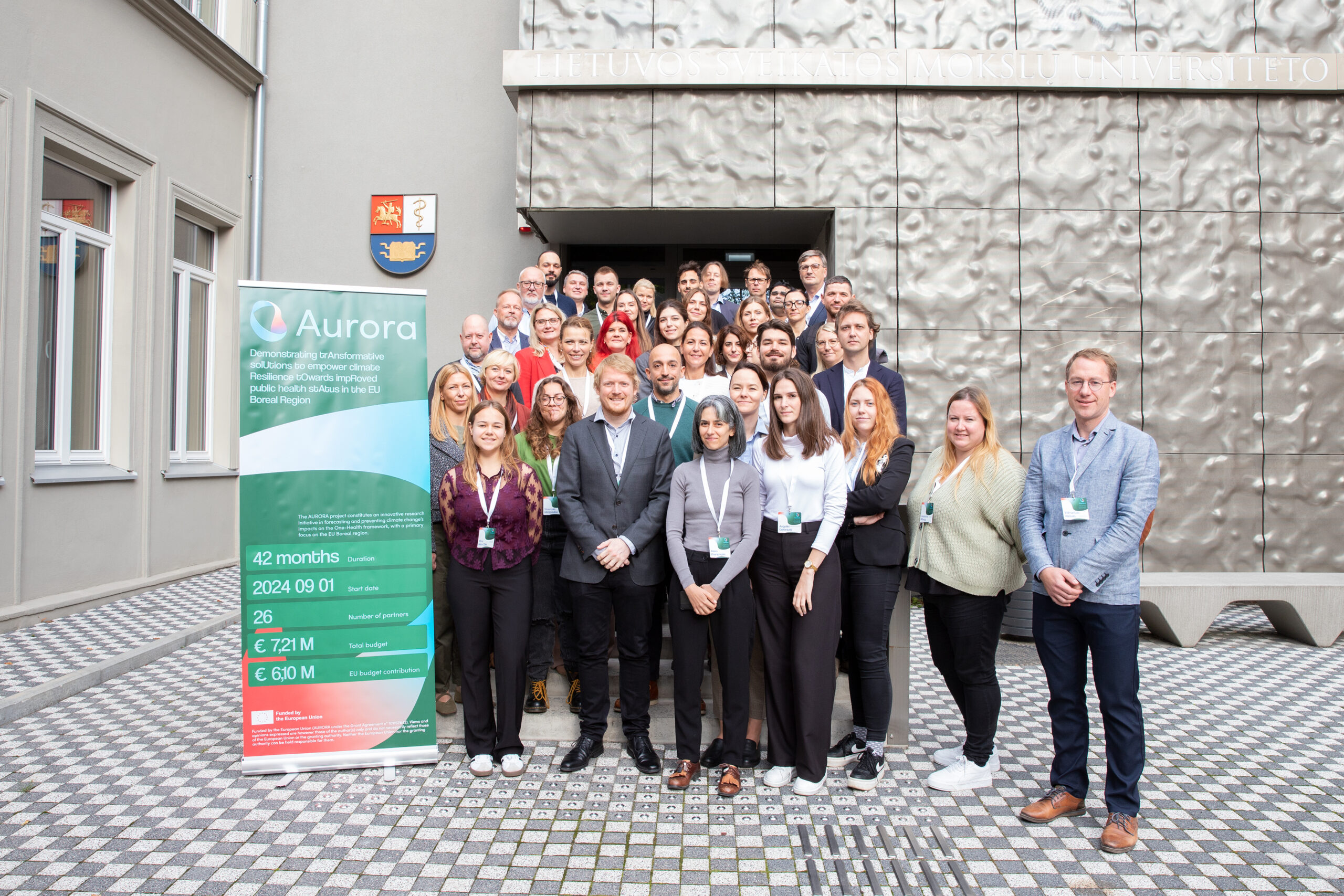
Highlights from the AURORA project kick-off meeting held on October 9-10, 2024