Baltic Neuro-Myology Experts Meet in Kaunas: Treatment Breakthroughs Must Be Matched by Comprehensive Patient Care
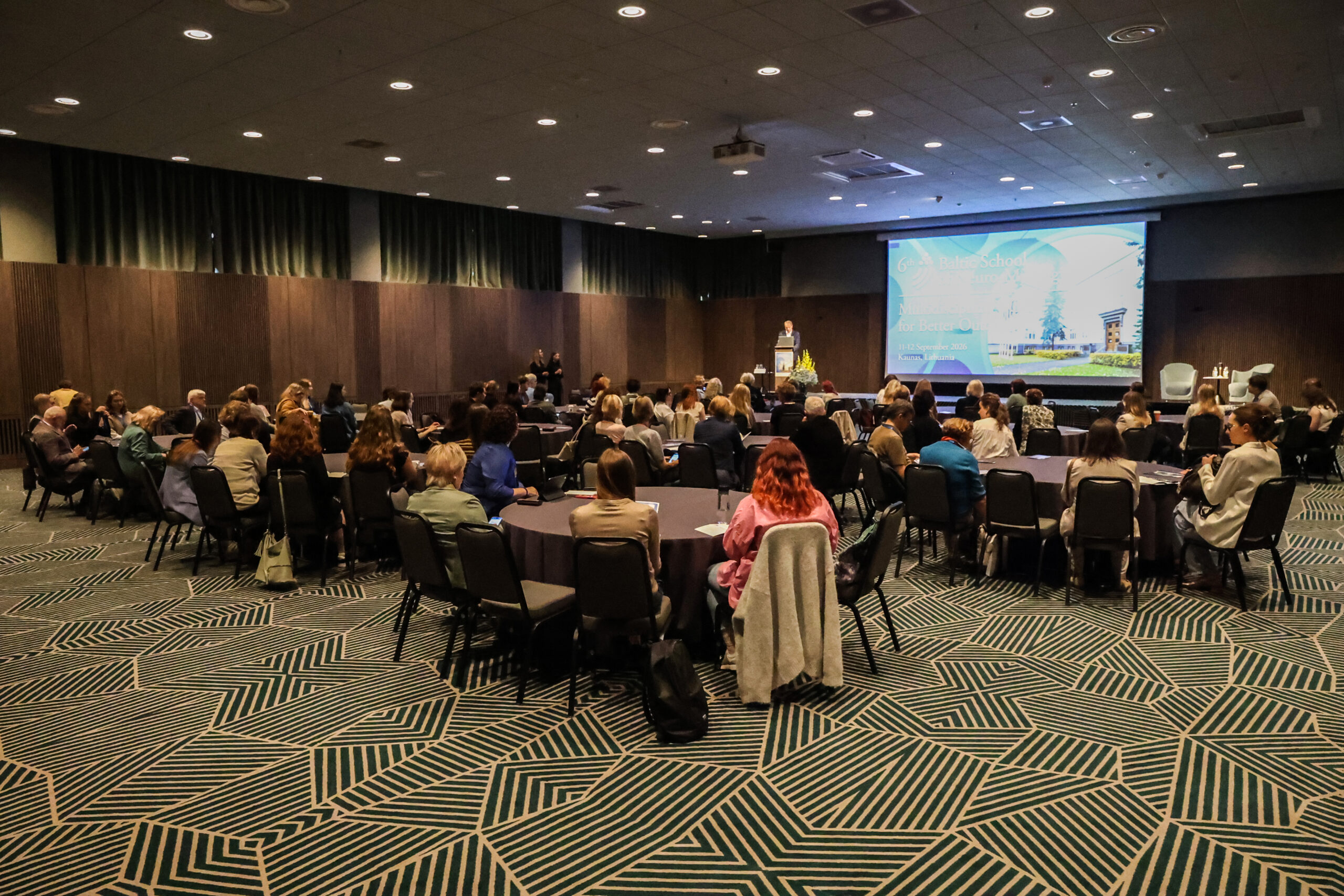
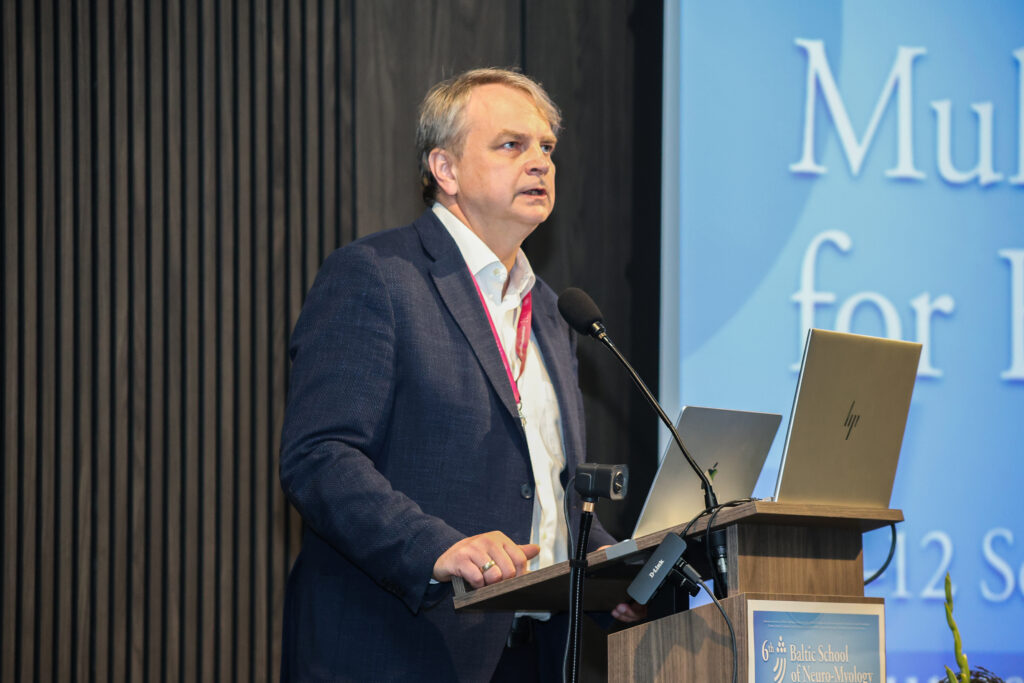
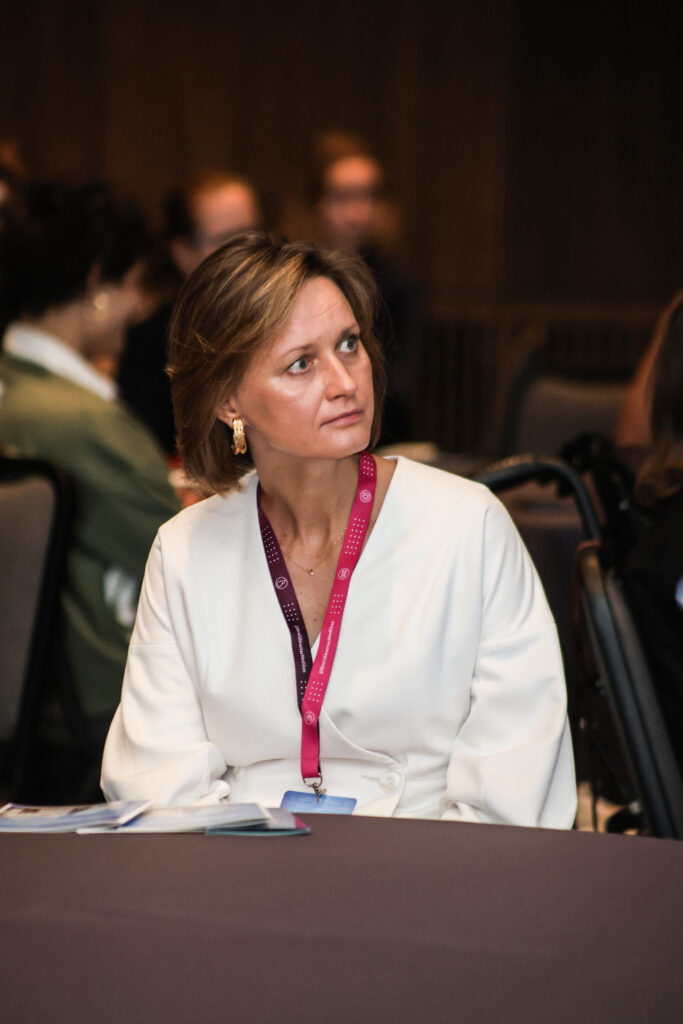
The 6th Baltic School of Neuro-Myology, held in Kaunas on 11–12 September, brought together more than 100 doctors, other healthcare professionals, researchers and patient representatives. During the two-day international conference, experts from eight countries discussed ways to improve the diagnosis of neuromuscular diseases, introduce new treatment methods, and ensure comprehensive multidisciplinary long-term patient care.
Neuromuscular diseases can affect much more than muscles responsible for movement. They can impair breathing, heart function, swallowing and nutrition, affect bone health, cause pain and limit a person’s autonomy. Patient care therefore involves a wide range of professionals, including paediatric and adult neurologists, pulmonologists, cardiologists, endocrinologists, orthopaedic and trauma surgeons, rehabilitation specialists, physiotherapists, dietitians, nurses and other healthcare professionals.
According to Prof. Kęstutis Petrikonis, Professor at the Department of Neurology of the Lithuanian University of Health Sciences and Chair of the Society of Neurologists, some of the most significant breakthroughs in neurology over the past decade have been made in the field of neuromuscular diseases.
“Gene therapy is already performed in practice, and it is already possible to manage severe diseases, including spinal muscular atrophy and myasthenia, which were previously considered untreatable. We are also expecting breakthroughs in the treatment of other diseases, such as amyotrophic lateral sclerosis. At the same time, equal access to expensive new medicines and providing appropriate patient care in the context of growing life expectancy are common challenges in all the countries,” says Prof. Petrikonis.
Medicines are only part of the picture
The scientific programme of the conference covered the entire patient pathway – from accurate diagnosis and the selection of treatment to monitoring respiratory and cardiac function, nutrition, bone health, orthopaedic care, physiotherapy, rehabilitation and pain management. A dedicated session focused on the latest developments in the treatment of myasthenia, Duchenne muscular dystrophy, spinal muscular atrophy, amyotrophic lateral sclerosis and polyneuropathies.
Milda Dambrauskienė, a paediatric neurologist at the Department of Neurology of Hospital of Lithuanian University of Health Sciences Kauno Klinikos, emphasises that even when no disease-specific treatment is yet available, consistent monitoring and timely support from different specialists can help stay a few steps ahead before the complications emerge.
“Over the past few decades, the life expectancy of patients with Duchenne muscular dystrophy has increased from the teenage years to 30–40 years of age. This was not achieved through any miracle drug. High-quality multidisciplinary care has made an enormous
difference: timely initiation of ventilation, medicines that protect the heart muscle, and orthopaedic care. Today, we must do everything we can to ensure that patients remain in the best possible condition until an appropriate new treatment becomes available to them,” says M. Dambrauskienė.
This year’s programme also placed considerable emphasis on the role of patients themselves. A session on patient empowerment addressed the transition from paediatric to adult healthcare and the importance of patients taking an active role in decisions about their care.
“You may not be an expert in the disease, but you are the best expert in your own care,” encouraged Prof. Ros Quinlivan from the United Kingdom, who has worked in the field of neuromuscular diseases for more than 30 years.
Sofija Belogorceva, a patient representative from Latvia, also shared her personal experience.
For patients and their families, dietitian Dovilė Urbanavičiūtė-Minelgė at Kauno Klinikos shared important nutritional considerations when patients experience difficulties associated with impaired mobility or swallowing
“The patient is an important member of the team. The doctor understands the disease, while the patient knows their own day-to-day situation best – what helps them and what does not. When people take an active interest in their condition and become involved in their own care, outcomes are better,” says M. Dambrauskienė.
From accurate diagnosis to quality of life
Key speakers at the conference included Prof. Edoardo Malfatti from France, an expert in myopathies who highlighted the importance of an accurate diagnosis for subsequent patient care; rehabilitation specialist Eva Kristina Melin from Sweden; and Prof. Anna Kostera-Pruszczyk from Poland, who presented recent developments in the treatment and prognosis of myasthenia. The pool of experts also included representatives from Lithuania, Latvia and Estonia who shared their experience with the participants.
At the conference, Prof. Petrikonis discussed the mechanisms of pain in neuromuscular diseases. Although pain is sometimes assumed to be uncommon among these patients, research shows that, depending on the disease, it affects 50 to 80 per cent of patients. Pain may be muscular, joint-related or neuropathic, and its management therefore requires a multimodal approach.
According to Dr Evelina Grušauskienė, Head of the Centre for Neuromuscular Disorders at Kauno klinikos, the Baltic School of Neuro-Myology is becoming an important platform bringing together specialists from Lithuania, Latvia and Estonia and providing an opportunity to discuss both the latest advances and the challenges encountered in everyday practice.
“Lithuania, and Kauno klinikos in particular, has a significant advantage in providing multidisciplinary care because specialists from different fields work in one place. This also
makes it easier to transition patients to adult care once they reach adulthood, although better coordination of these services is still needed,” says Dr Grušauskienė.
The event was aimed at neurologists, paediatric neurologists, geneticists, pathologists, pulmonologists, orthopaedic and trauma surgeons, physiotherapists, medical doctors and general practice nurses.
The conference was organised by the Lithuanian Association of Paediatric Neurology, the Lithuanian Neurological Association, the Lithuanian Society of Clinical Neurophysiology and Neurosonology, the Centre for Neuromuscular Disorders of the Hospital of Lithuanian University of Health Sciences Kauno Klinikos, and the Department of Neurology of the Lithuanian University of Health Sciences, together with neuromuscular societies and specialist teams from Latvia and Estonia. During the conference, sponsors also presented some of the latest and most innovative treatments for neuromuscular diseases that are already available in Lithuania.
Back