European Biotech Act: New Avenues for the Lithuanian Science and Advanced Medicine
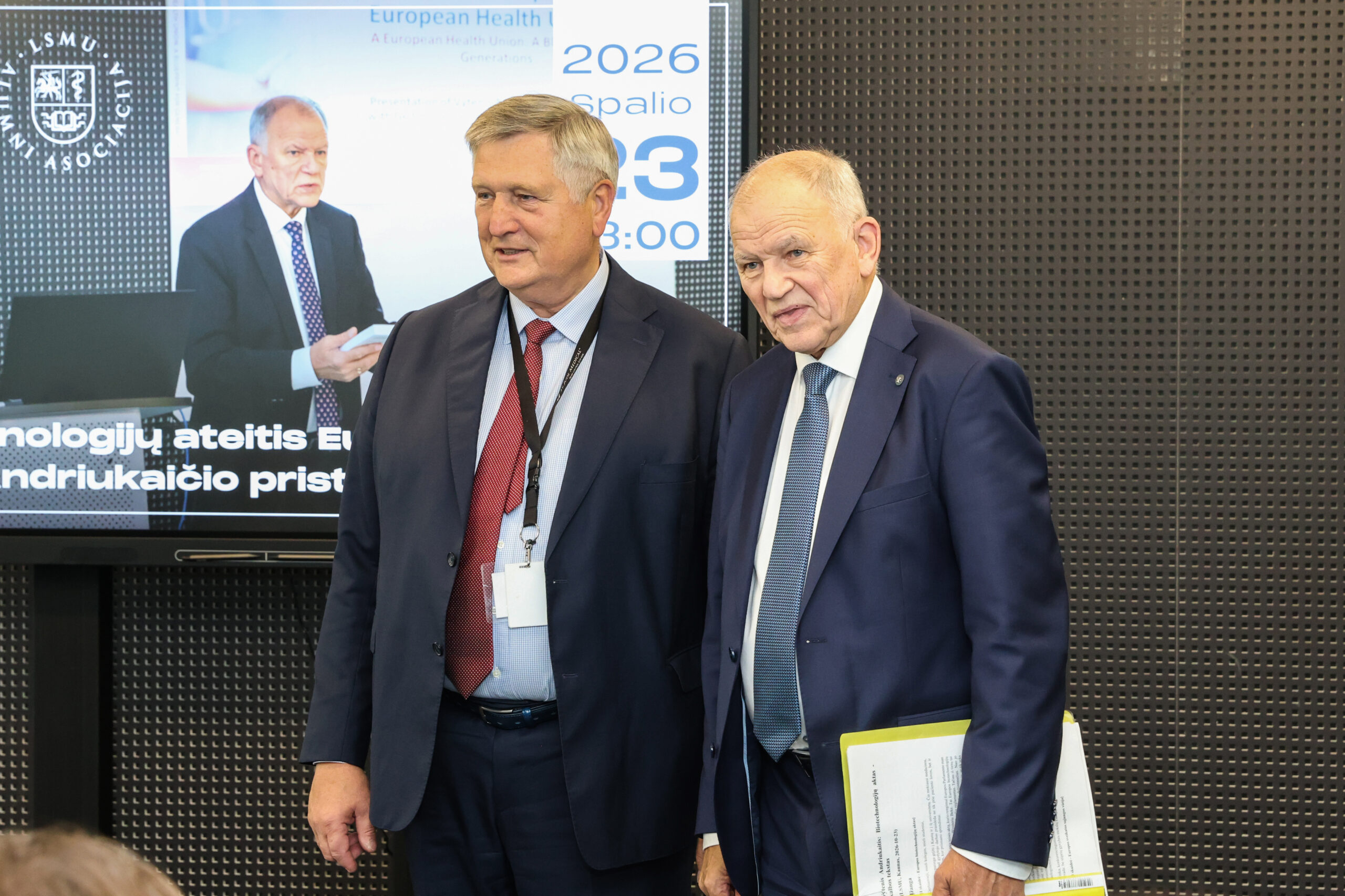
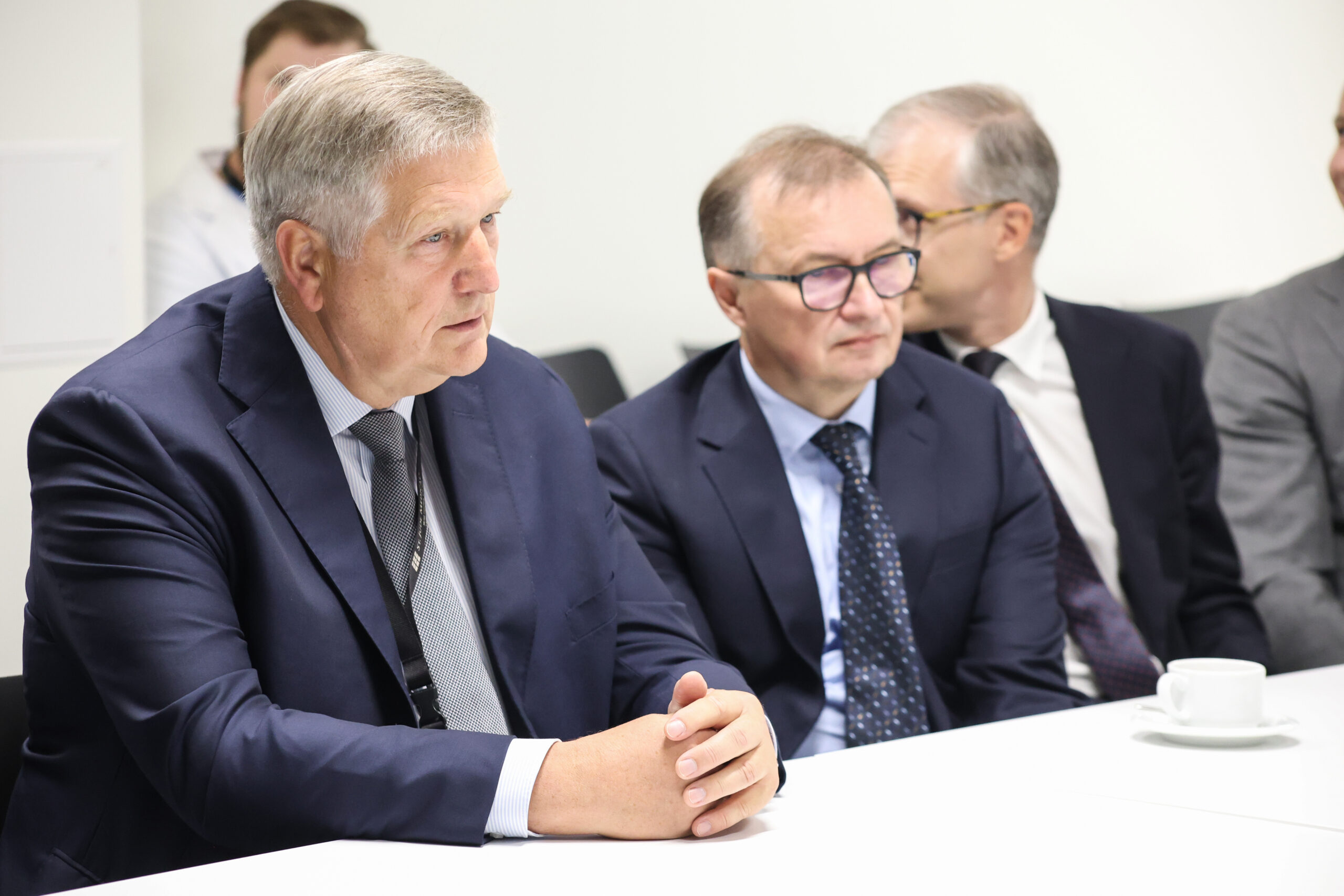
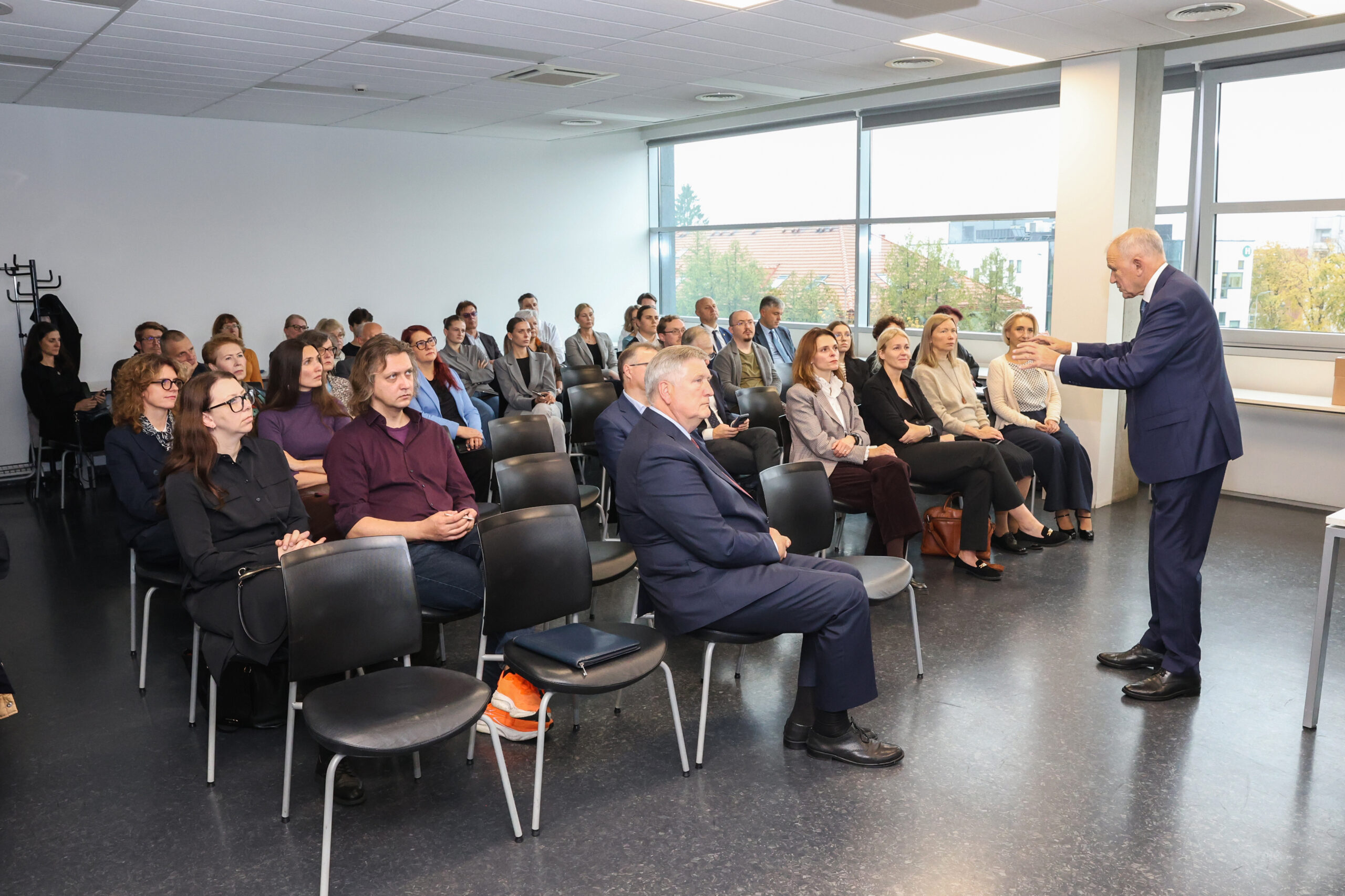
How can we streamline the transition of the discoveries made in laboratories across Europe into more easily accessible treatments for the patients and enable favourable conditions for the biotech companies to continue growing and producing in Europe? On 23 October Vytenis Povilas Andriukaitis, a Lithuanian Member of the European Parliament, met the local audience at the Library of the Lithuanian University of Health Sciences, where he gave an overview of the European Biotech Act and discussed the opportunities it offers for the Lithuanian science, medicine and business during the meeting.
MEP V. P. Andriukaitis is an LSMU alumni and member of the LSMU Alumni Association and serves as one of the two European Parliament (EP) rapporteurs presenting the initiative within the European Biotech Act. He represents the EP Committee on Public Health and, together with Wouter Beke, the rapporteur for the Industry, Research and Energy Committee (ITRE), drafts the EP’s position on the proposed regulation.
Shortening the laboratory-to-patient pathway
The European Biotech Act aims at strengthening the EU’s biotechnology and biomanufacturing sectors by providing more favourable conditions for research, attracting investment, developing the manufacturing capabilities and decreasing time-to-market. The first part of the initiative largely addresses biotechnology, including biological medicines, diagnostics, cell and gene therapies.
According to V. P. Andriukaitis, while Europe holds significant scientific potential, it encounters challenges translating it into new products. The long and expensive medicine development process, gaps in funding and differing national procedures hamper the growth of companies in this sector. Consequently, part of highly promising projects and investment set sail for other regions of the world.
“We hold a significant scientific potential, but the outcomes land somewhere else too often. Our task is to create conditions for an idea originating in Europe to be further developed, become the product and reach the patient in Europe,” emphasised V. P. Andriukaitis.
The Committee proposal provides for the simplification of clinical trial procedures, facilitating interinstitutional cooperation and improving the accessibility of funding. It also includes the proposals on regulatory sandboxes, allowing the stakeholders to test new solutions and appropriate regulatory approaches.
Connecting the infrastructure and competencies
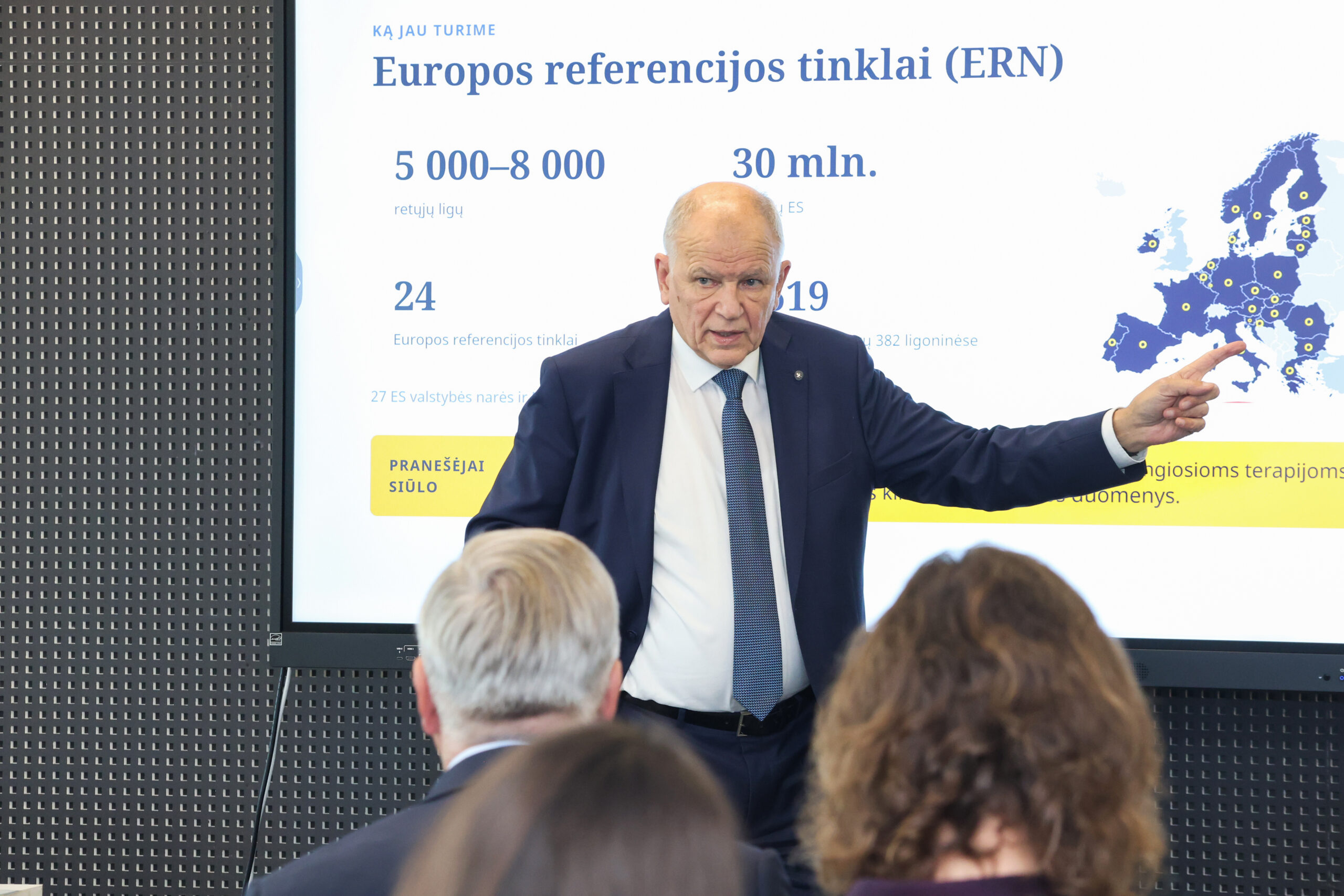
The meeting focused extensively on European research and healthcare infrastructure. Networks of European reference centres, biobanks, genomics initiatives, patient registries, and artificial intelligence resources open up vast opportunities, but better interoperability and long-term funding are essential to realizing their potential.
According to V. P. Andriukaitis, there are particularly significant opportunities in the field of rare diseases. Small patient populations in individual countries make research difficult, so international cooperation allows for the pooling of knowledge, data, and clinical experience. This infrastructure could also help develop advanced treatment methods.
“Europe’s strength lies in the knowledge accumulated at universities, hospitals, centres of excellence, and laboratories. We must bring this knowledge together so that a shared network opens up opportunities for all countries, not just those where the biotechnology industry is already the strongest,” said the Member of the European Parliament.
He presented the proposals he supports, aimed at strengthening high-impact strategic projects and cross-border biotechnology clusters on a pan-European scale. The goal is to enhance the involvement of the universities, hospitals and companies in smaller countries. These proposals are still under consideration, and the legislative provisions have not yet been finalised.
Funding throughout the innovation journey
Biotechnology companies need capital not only at the start of their operations. Preclinical and clinical trials, production preparation, and market entry – all of these require significant investment. Therefore, one of the main objectives of the legislation is to help promising companies navigate this entire journey in Europe.
The Commission is proposing a pilot health biotechnology investment programme, which will be implemented in cooperation with the European Investment Bank Group. V. P. Andriukaitis also presented a proposal to establish a broader European biotechnology investment fund, which would help pool the resources of national development banks, institutional and private investors.
Speaking about Lithuania’s potential, the politician emphasized translational research – the transfer of scientific discoveries into practical applications. This requires close collaboration among scientists, clinicians, technology developers and the business sector.
Universities need to respond to changing skills demands
Advances in biotechnology are also redefining the requirements for training specialists. The meeting discussed medical knowledge can be integrated with genomics, bioinformatics, data analysis, artificial intelligence, and disease modelling. Such competencies are crucial for developing diagnostic tools, planning research, and advancing personalized medicine.
“The need for new competencies is already here. Universities that are the first to combine clinical knowledge, biotechnology and data science will be able to actively participate in developing new treatment solutions,” said V. P. Andriukaitis.
In his view, Lithuanian research and healthcare institutions should actively seek out partners and prepare for future strategic projects, including the development of centres of excellence in advanced therapies. At the same time, it is essential to develop expertise in biosafety and the ability to assess the risks associated with new technologies.
The Act is still under discussion, but preparations can begin now
The European Commission presented proposals for the first part of the legislation – a regulation and an accompanying directive – in December 2025. They have not yet been formally adopted, as the European Parliament and the Council of the EU still need to reach an agreement on the final texts. The second part of the initiative is being developed for industrial biotechnology and biomanufacturing outside the health sector.
V. P. Andriukaitis expressed his desire for biotechnology, innovation, and investment to be a key part of the agenda during Lithuania’s presidency of the Council of the EU in the first half of 2027. According to him, it is important for Lithuania to assess its existing capabilities in advance, strengthen partnerships, and prepare to take advantage of future regulatory opportunities.
“For the first time, there is such a tremendous opportunity to galvanise European citizens and take European science to a new level: to mobilise universities, address the issue of diploma recognition, and develop new study programmes and specialisations,” emphasized the Member of the European Parliament.
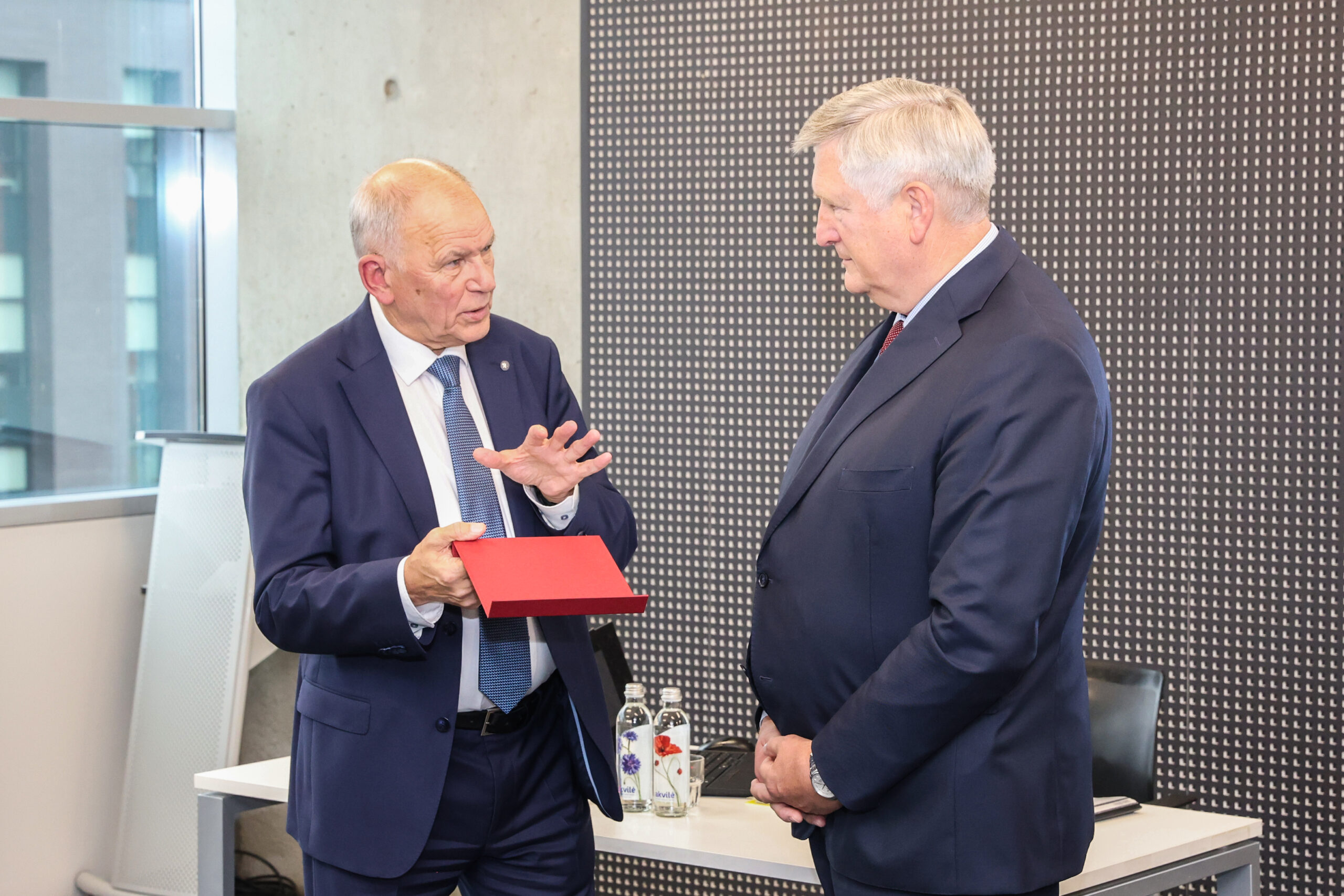
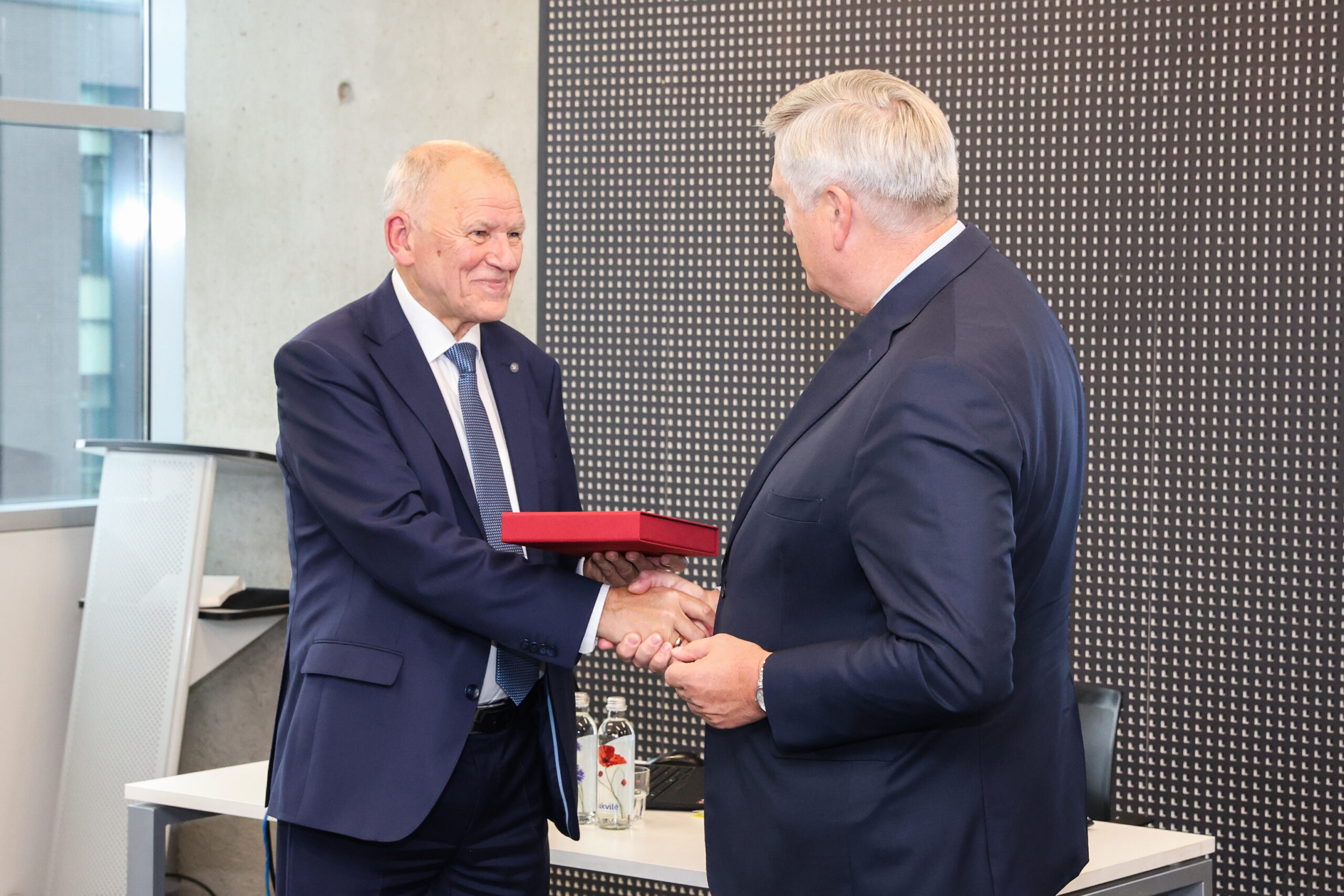
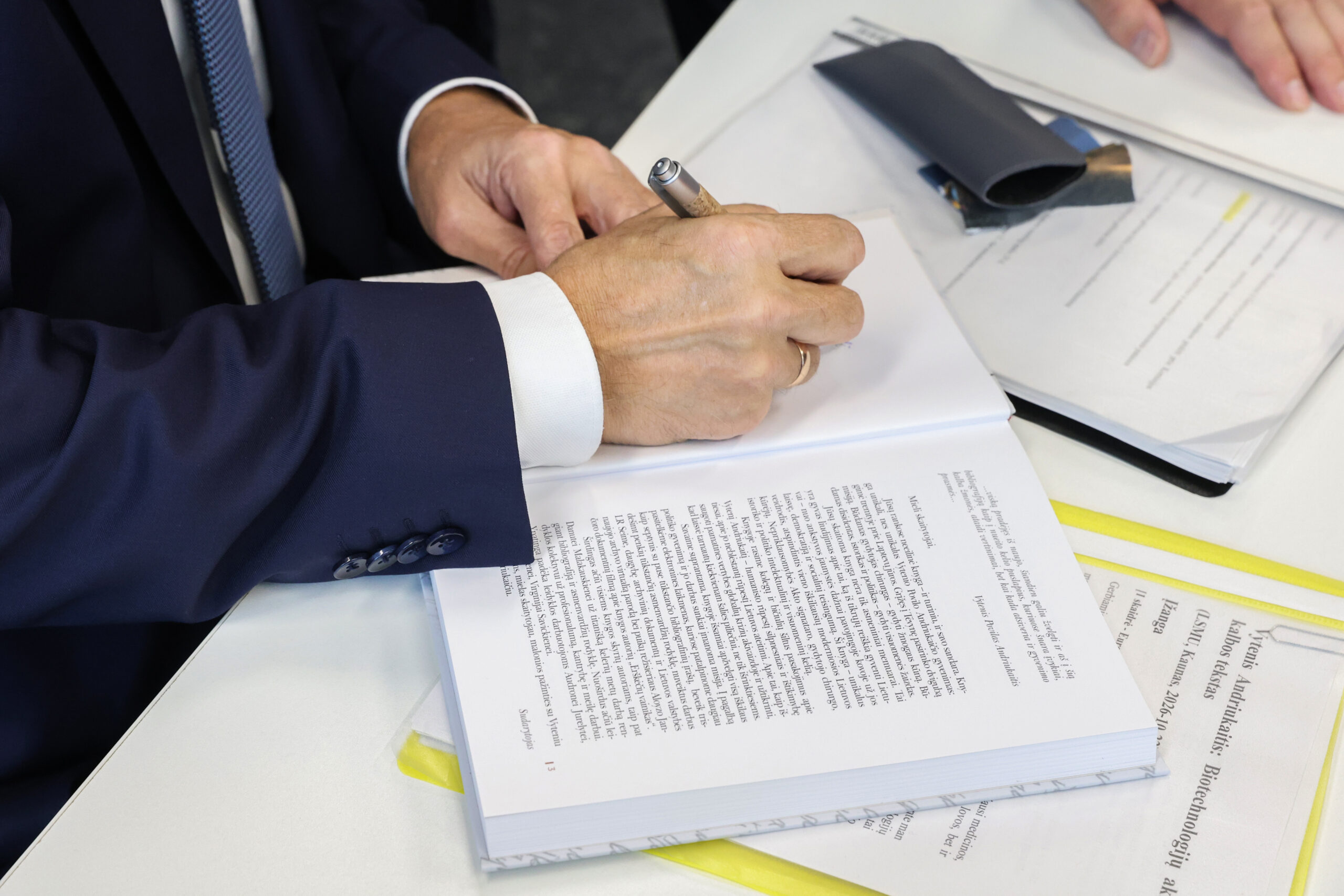
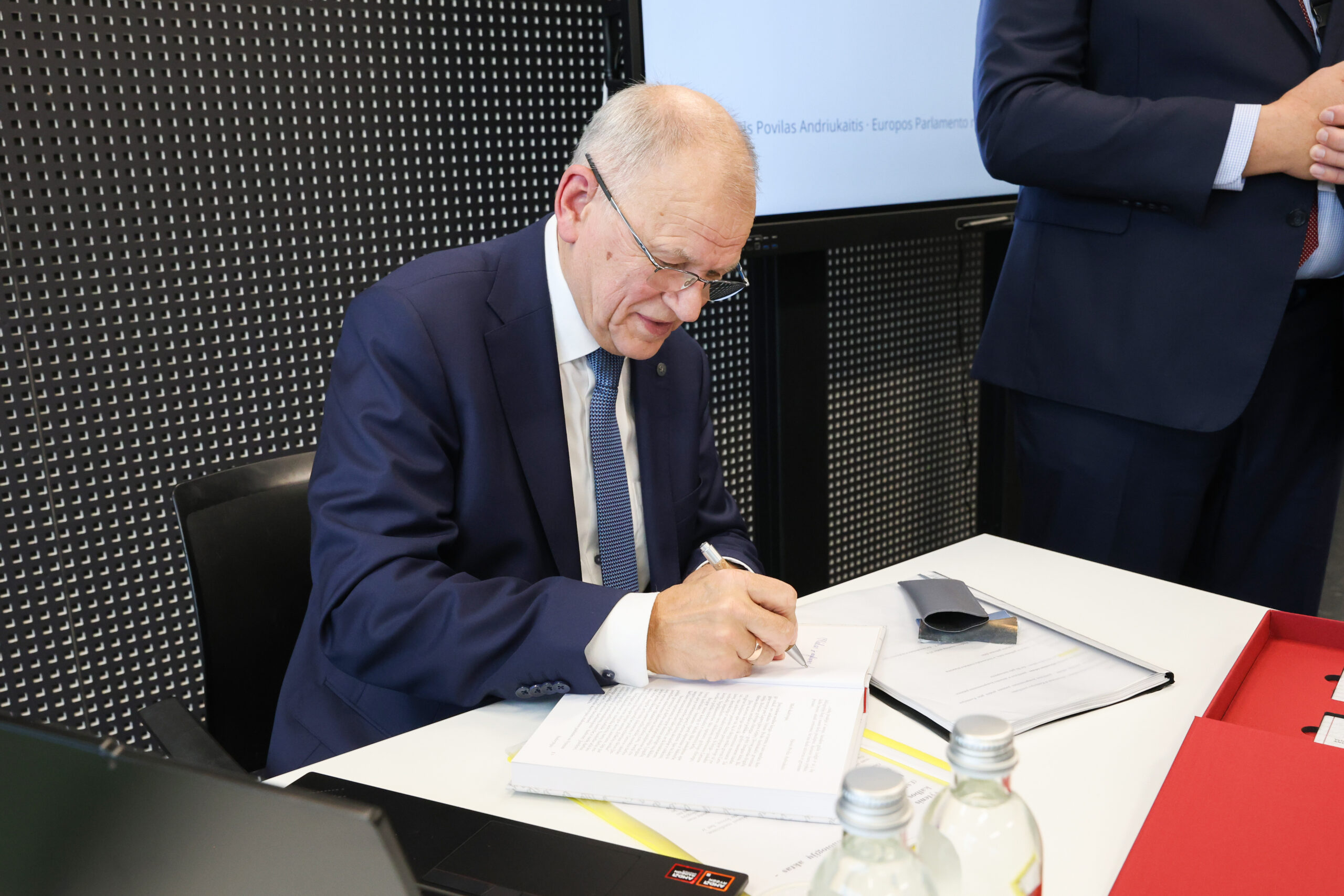
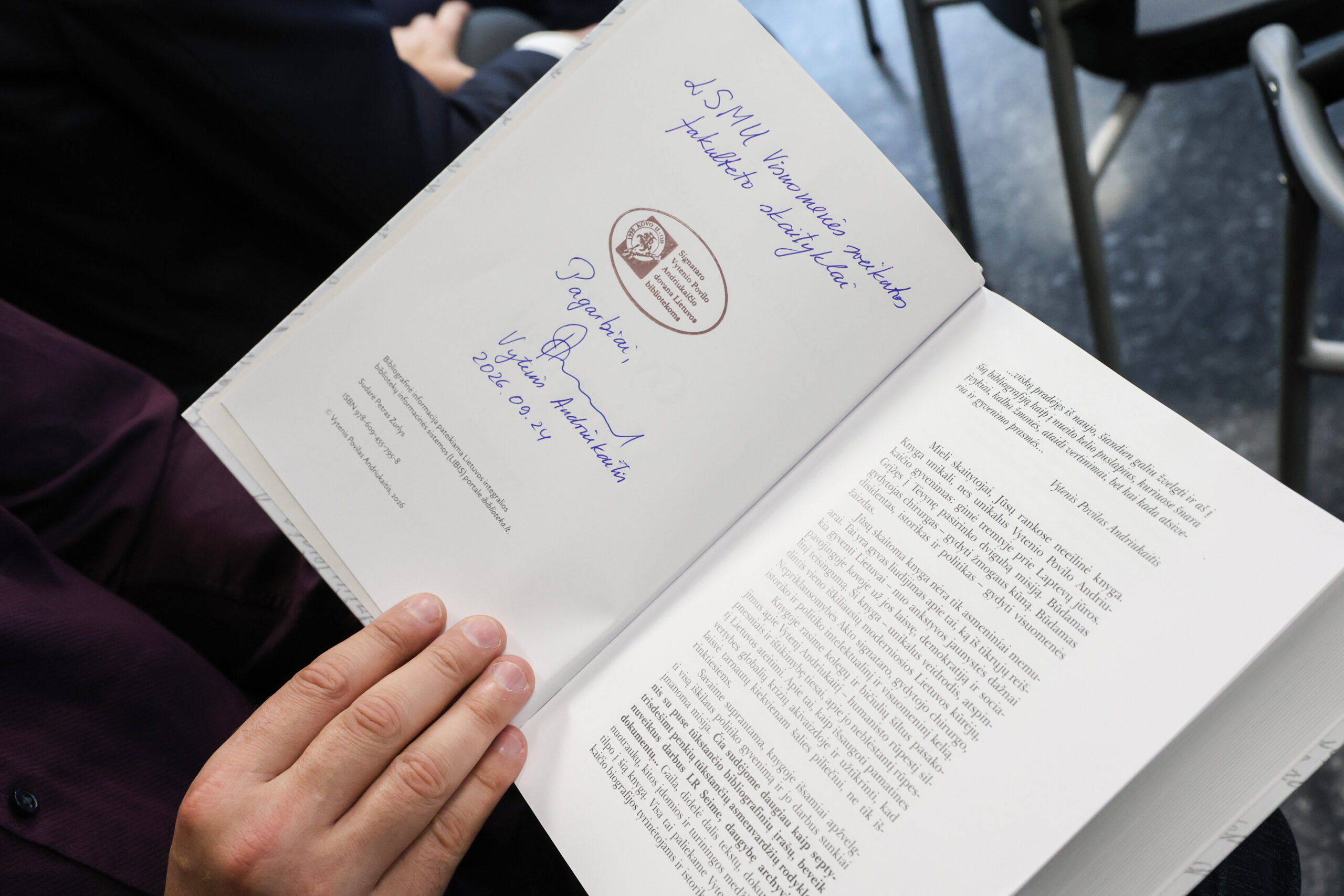
At the end of the meeting, the MEP donated a copy of his book to the LSMU library, where a shelf bearing his name was established several years earlier.
Galerija
 View all photos


Recent articles