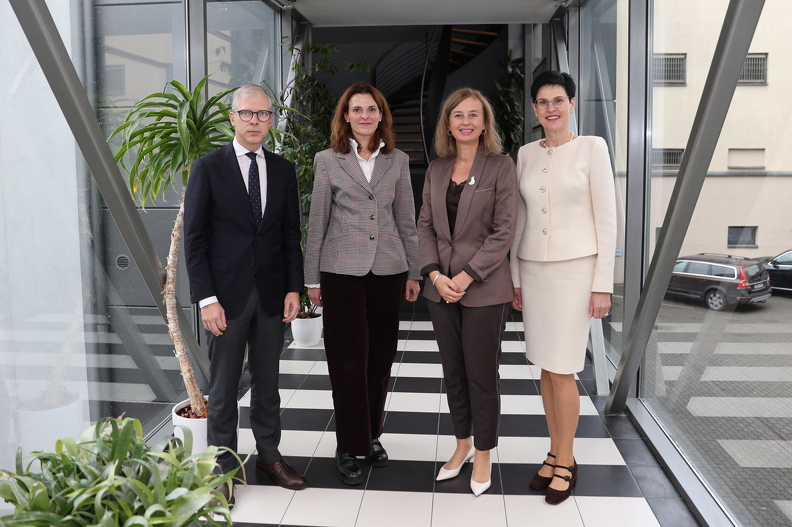
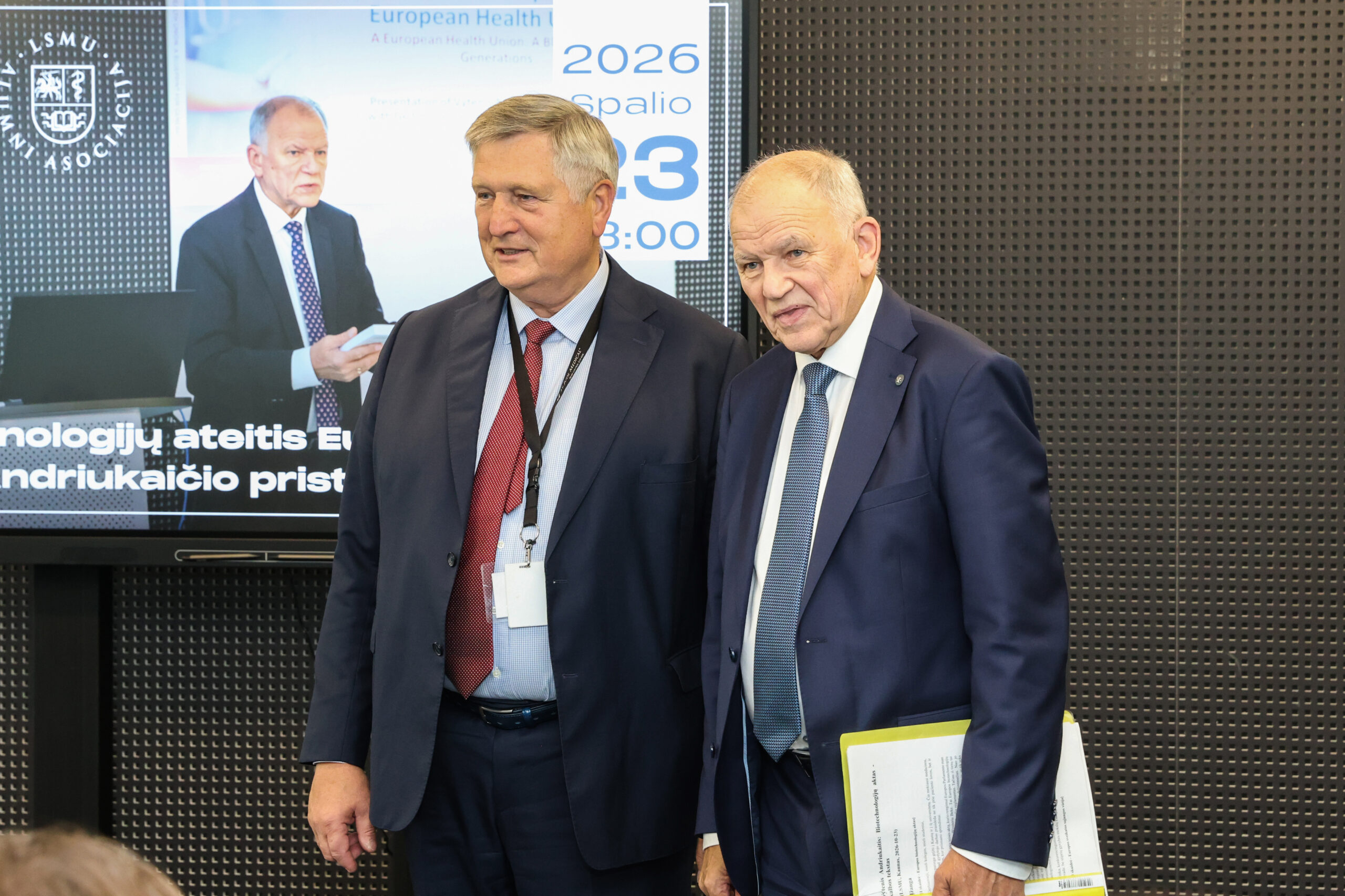
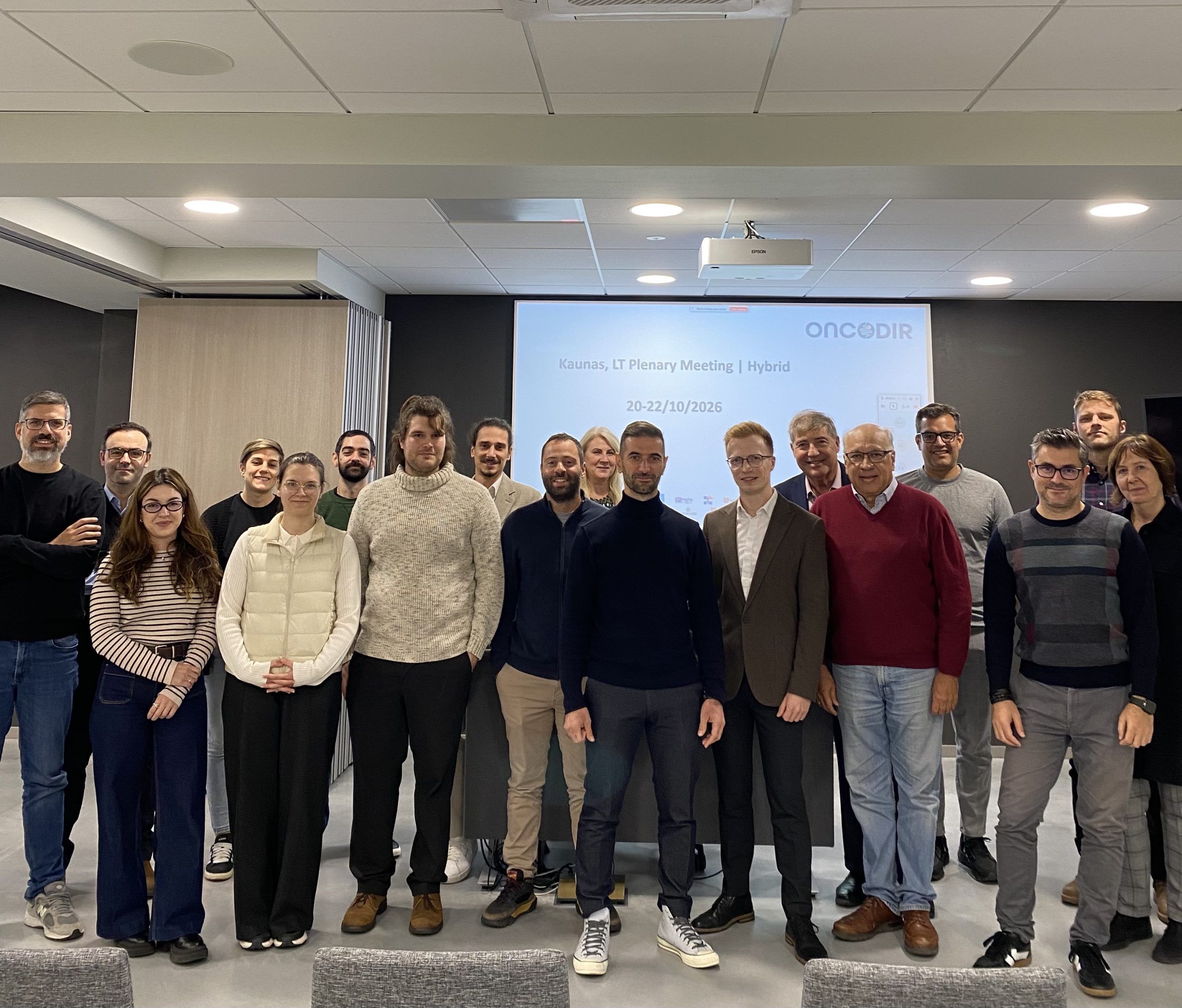
The Future of Brain Medicine and Advanced Technologies Discussed at the International EBRAINS Symposium at LSMU
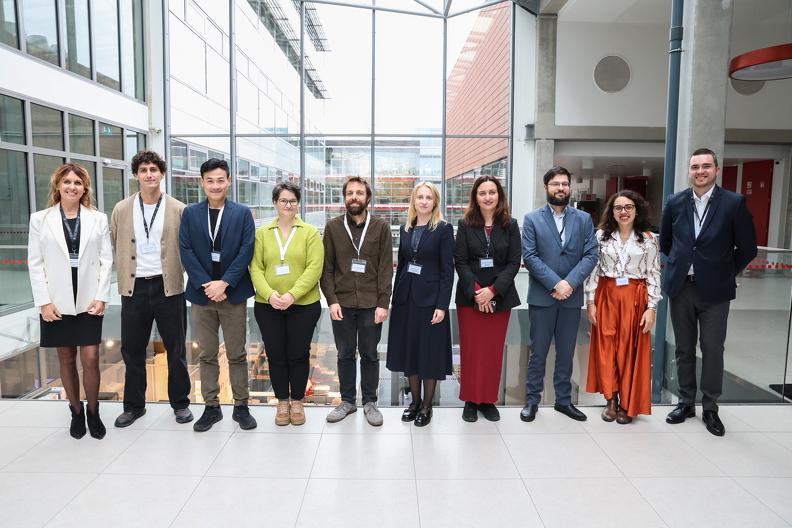
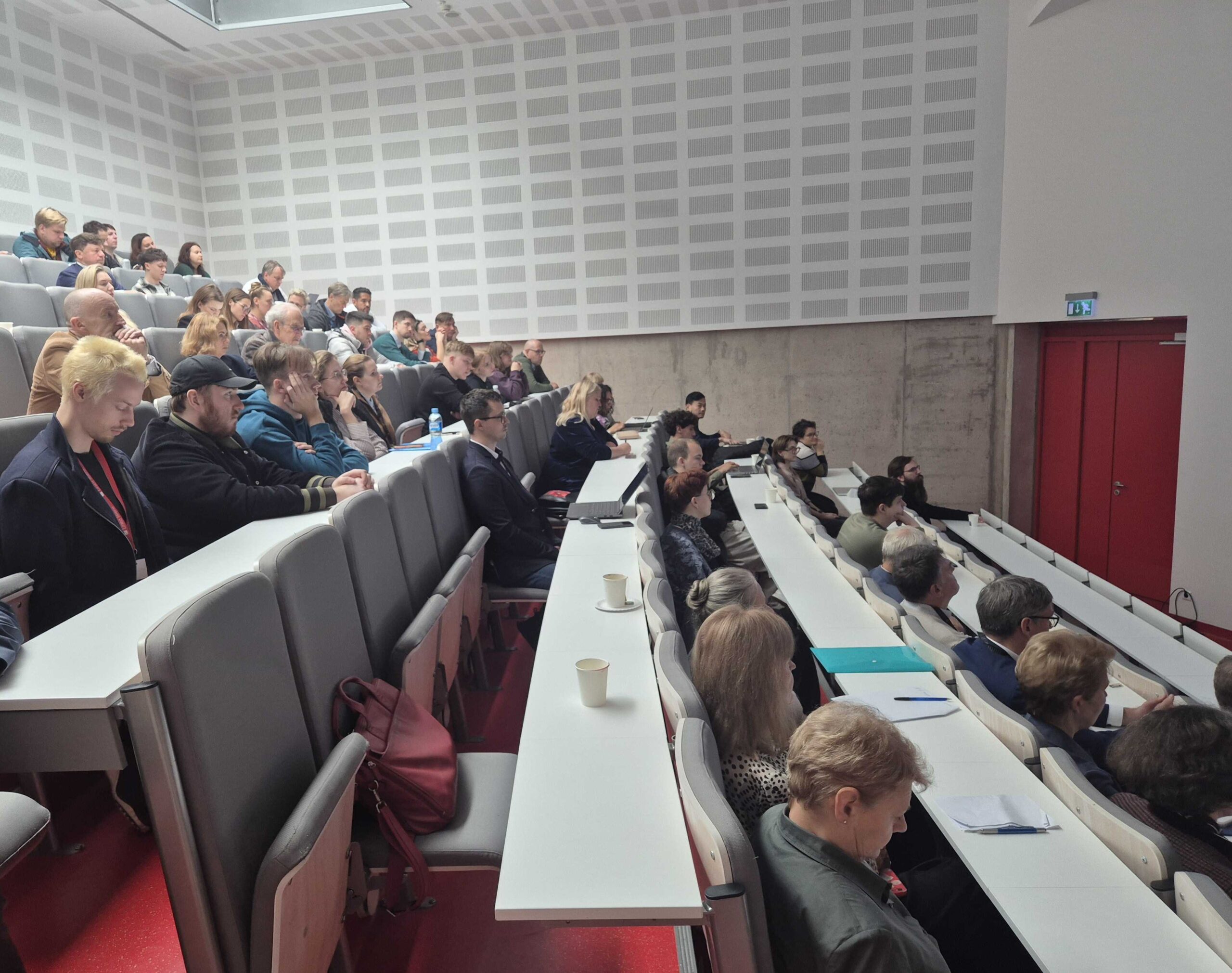
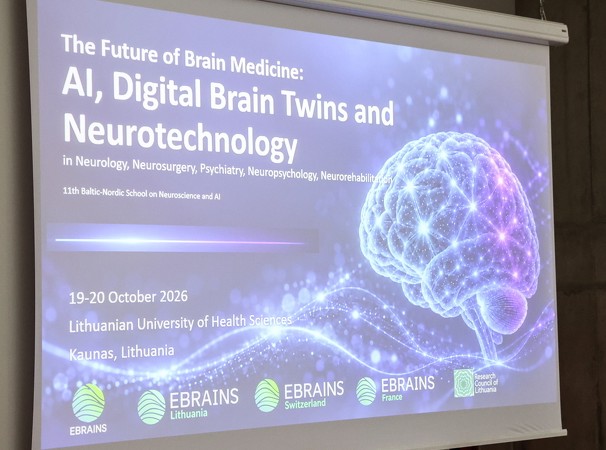
On 19–20 October, the Lithuanian University of Health Sciences (LSMU) hosted the EBRAINS symposium “The Future of Brain Medicine: AI, Digital Brain Twins and Neurotechnology” and the 11th International EBRAINS Baltic-Nordic School of Neuroscience and Artificial Intelligence. Organised by the EBRAINS national nodes in Lithuania, Switzerland and France, the event brought together researchers, clinicians and neurotechnology experts from Lithuania and abroad to discuss how artificial intelligence, digital brain twins and neurotechnology can contribute to the diagnosis and treatment of neurological, neurosurgical and psychiatric disorders and the development of personalised medicine.
Advances in neuroscience at LSMU and the potential of Artificial Intelligence
The symposium participants were welcomed by Prof. Daiva Rastenytė, Chancellor of the LSMU Medical Academy and Head of the Department of Neurology.
“For our university, participation in EBRAINS offers an important opportunity to connect our clinical expertise, patient data and research capabilities with advanced neuroscience technologies and science-driven platforms. Our shared ambition is to bring neuroscience, artificial intelligence and clinical medicine together to advance brain research and improve patient care,” said Prof. D. Rastenytė.
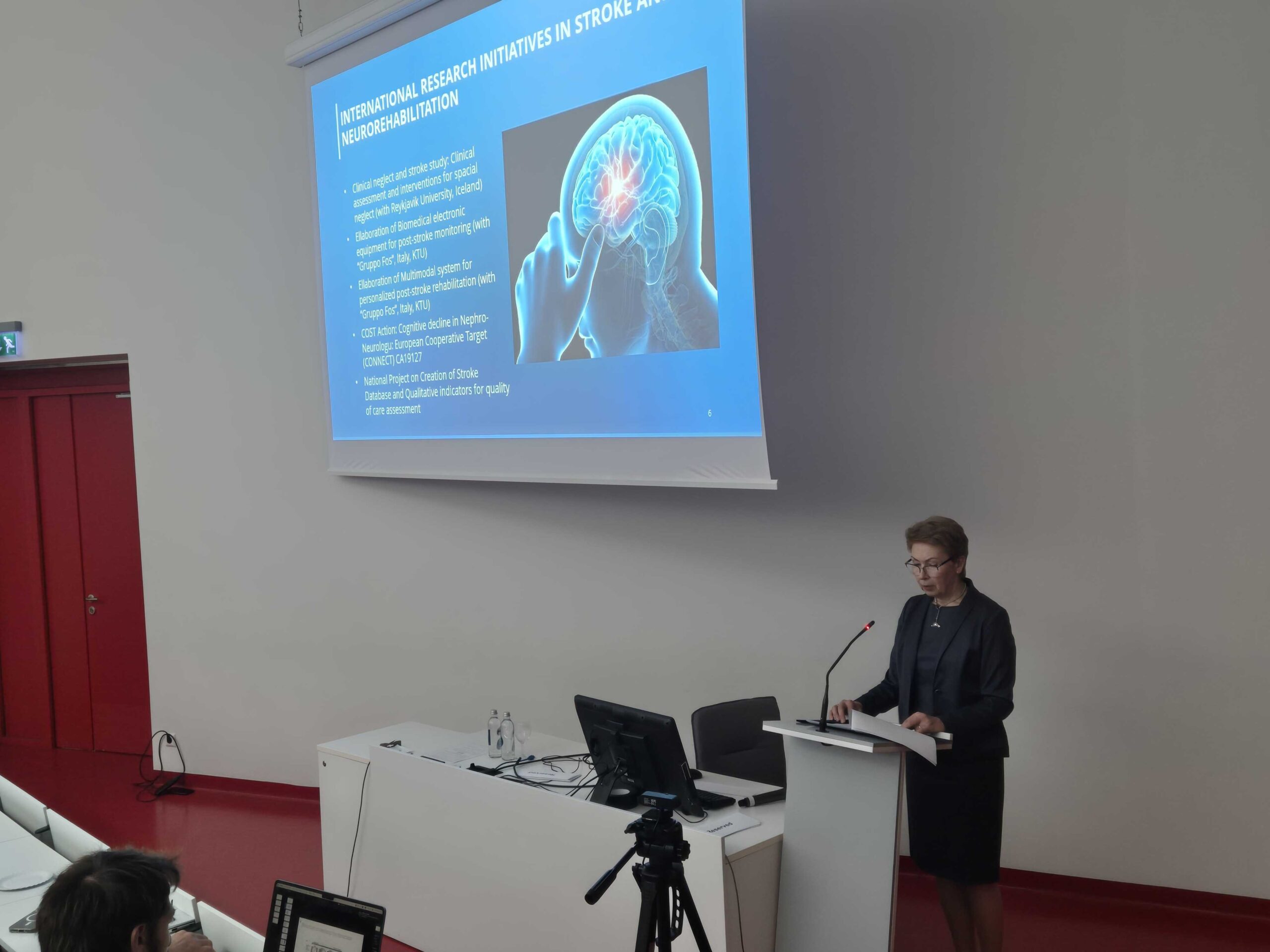
The Professor also presented the research activities and international projects of the LSMU Department of Neurology. Research conducted at the University covers stroke, neurorehabilitation and other neurological disorders, combining expertise in clinical medicine with the capabilities of biomedical engineering.
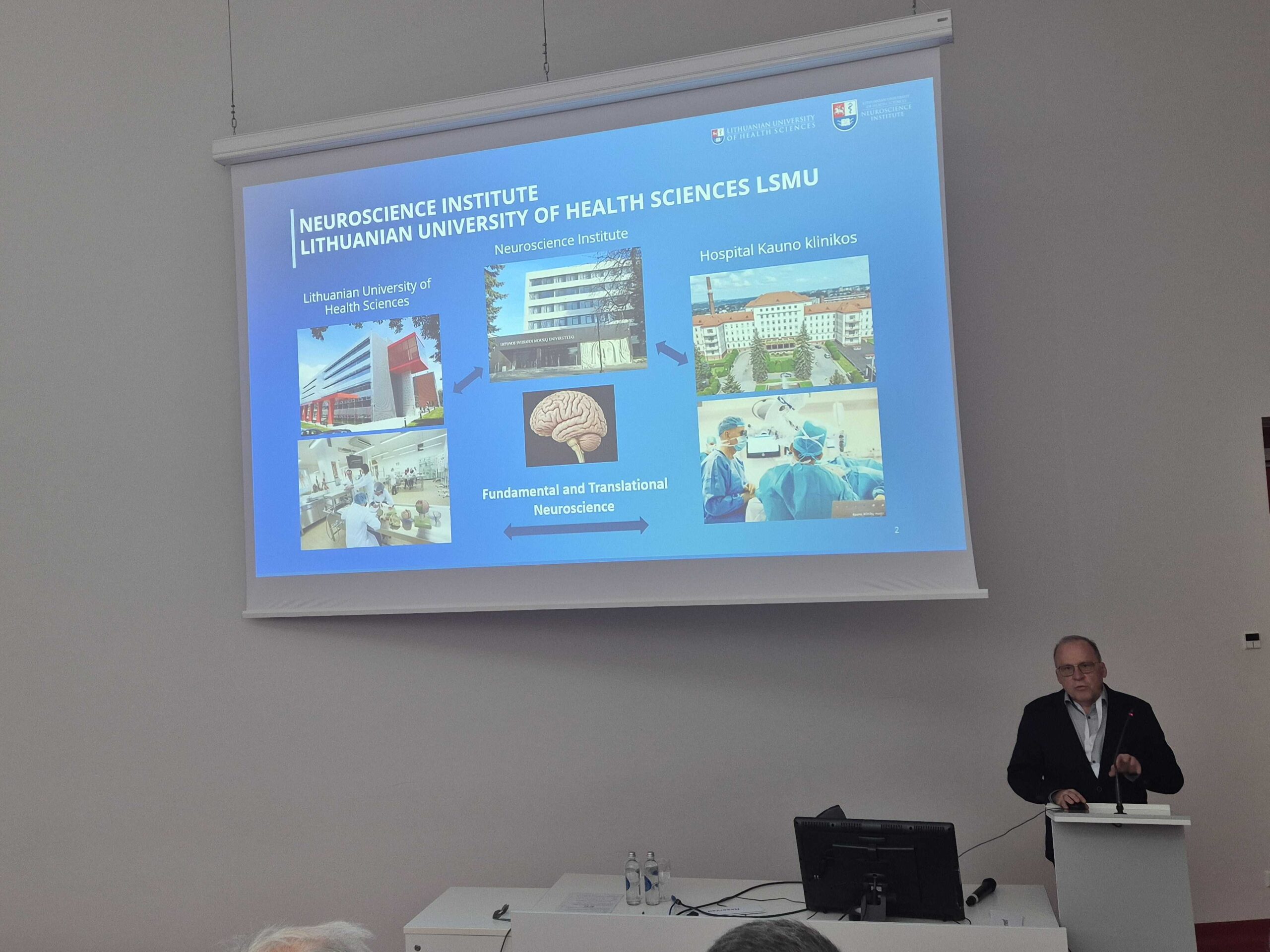
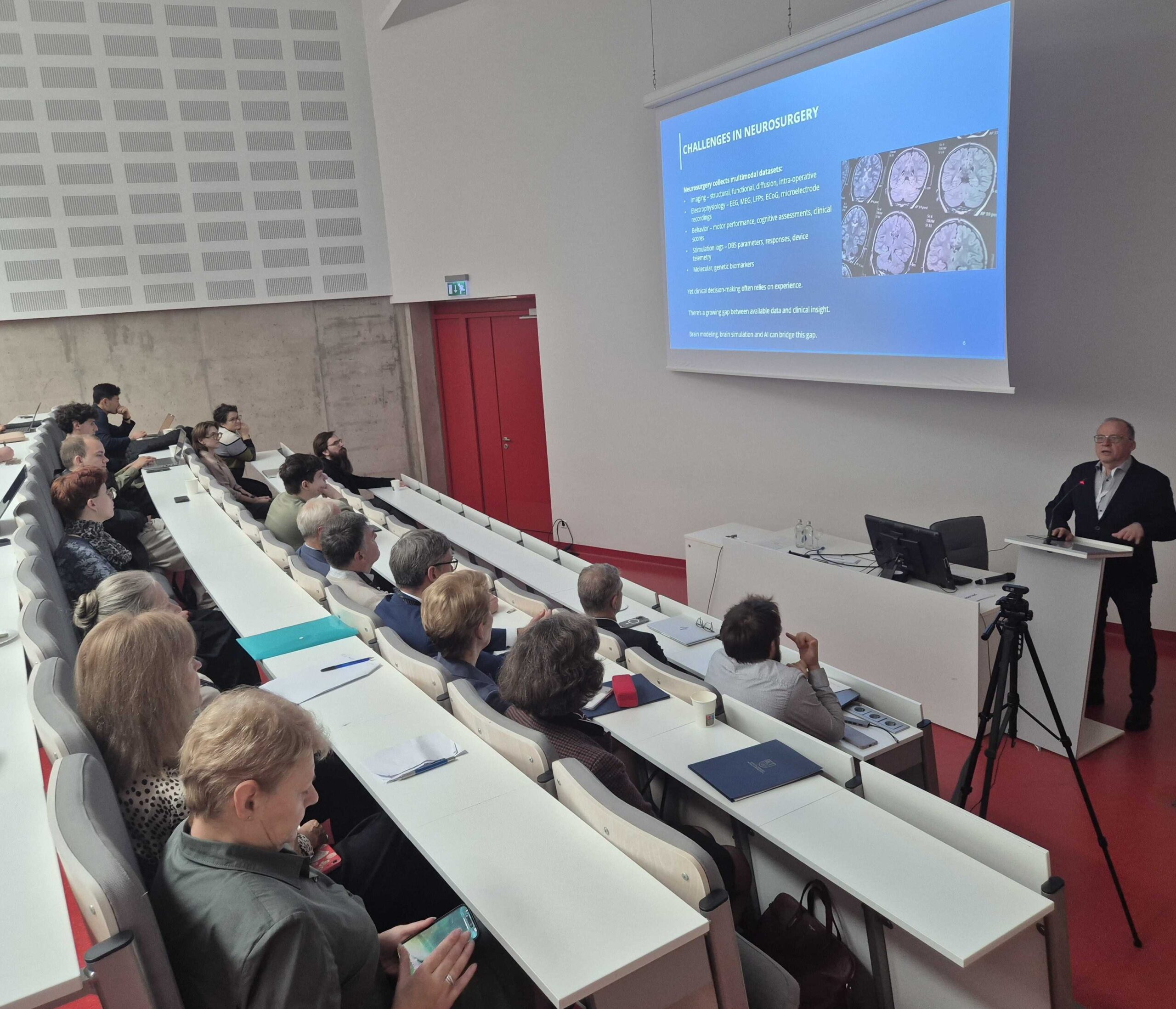
The participants were also welcomed by Prof. Arimantas Tamašauskas, Director of the LSMU Neuroscience Institute and Head of the Department of Neurosurgery. He recalled that neuroscience research at the University dates back to 1957, when the Laboratory of Neurophysiology began its activities, while a new stage of development started in 2010 with the establishment of the Neuroscience Institute. The Professor also shared one of the main challenges faced by the Institute in its early years.
“Our first challenge was to develop translational neuroscience – to bring fundamental research closer to clinical practice and to use insights from clinical medicine to guide fundamental research. At the same time, we wanted to educate a new generation of scientists and researchers,” the Professor explained.
The Professor paid particular attention to the potential of artificial intelligence. Modern medicine generates ever-increasing volumes of clinical and research data, and AI technologies can help analyse these data more quickly and use them in clinical research. Discussing future plans, he also emphasised the development of personalised rehabilitation.
“My dream is to develop personalized rehabilitation using the outstanding achievements in artificial intelligence at our institution. Together with international collaboration, I hope we will be able to develop AI-supported rehabilitation approaches tailored to the individual needs of patients,” said Prof. A. Tamašauskas.
The LSMU Neuroscience Institute works closely with the LSMU Department of Neurosurgery. Their collaboration includes maintaining a brain tumour biobank, collecting blood samples and clinical data, conducting joint research in neuro-oncology, and using virtual brain models to develop treatment algorithms for Parkinson’s disease and epilepsy. They also train doctoral students, participate in international projects and organise joint scientific events.
The Director of the Neuroscience Institute also welcomed the fact that LSMU became a full member of EBRAINS in 2025. According to him, membership provides opportunities to learn from other European research institutions, exchange experience and develop joint research projects.
Digital Brain Twins – a new era in medicine
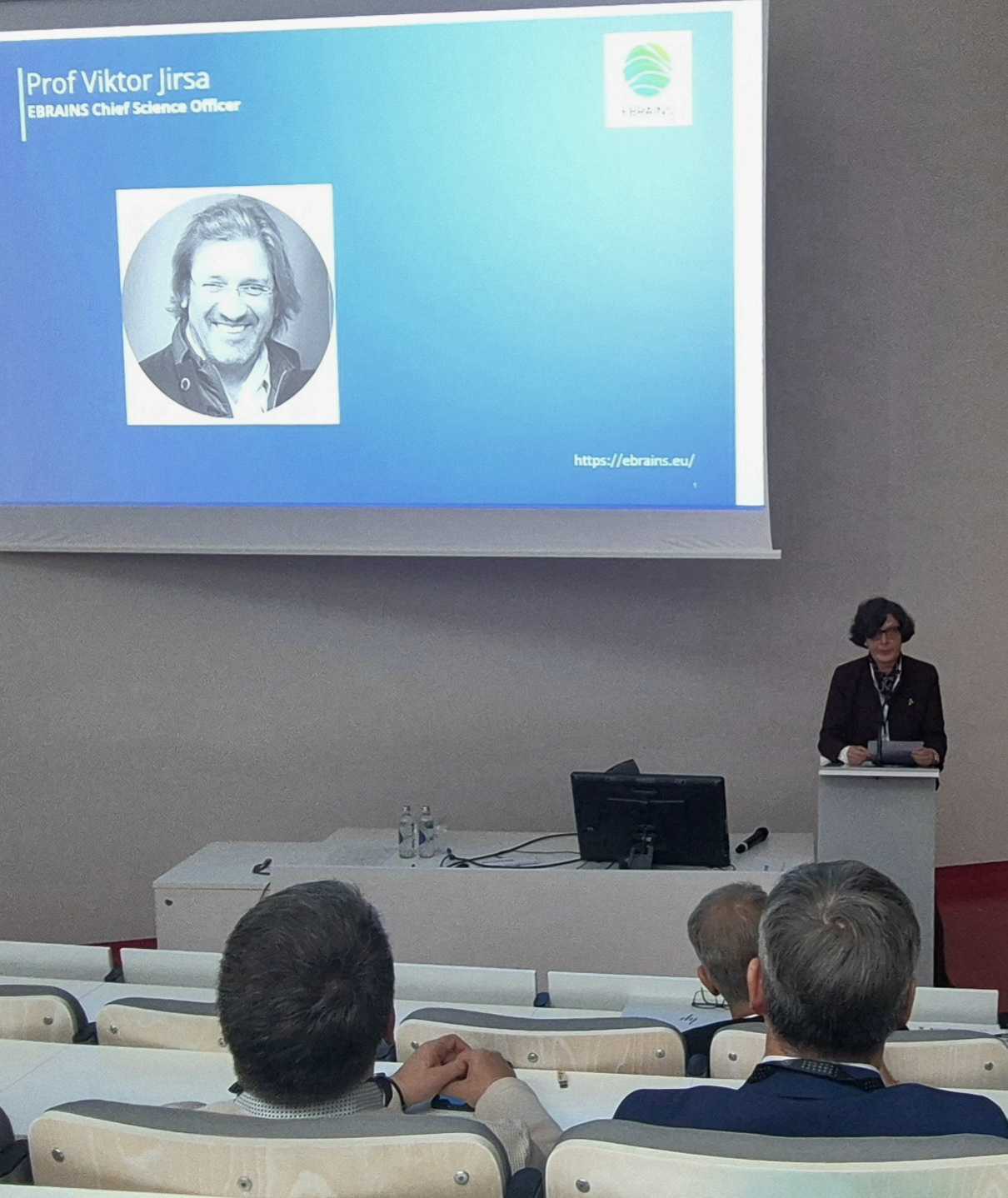
Prof. Viktor Jirsa, EBRAINS Chief Science Officer, Director of the Institute of Systems Neuroscience at Aix-Marseille University, France, and Chair of the event’s Organising Committee, highlighted advances in digital brain twins and the importance of their responsible application in medicine in a welcome letter sent to the symposium.
“Digital brain twins are no longer a theoretical promise and are entering in clinical workflows in neurology, neurosurgery and psychiatry; the question before us is no longer whether this will happen, but how we ensure it happens responsibly, with scientific rigour, clinical validation and ethical clarity,” said Prof. V. Jirsa.
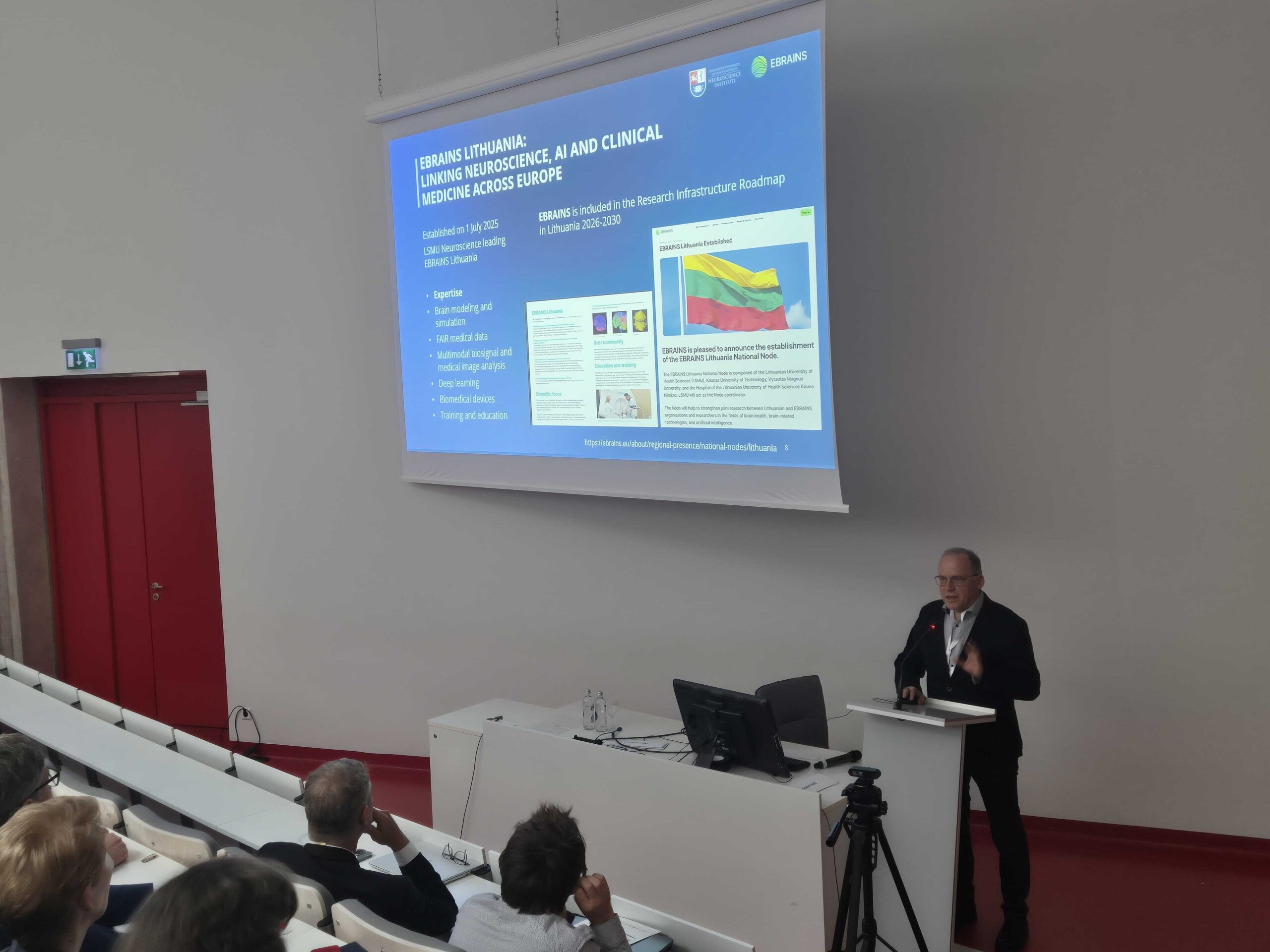
The Professor also emphasised the importance of training young researchers and international collaboration. According to him, EBRAINS Lithuania, led by Prof. Aušra Saudargienė (LSMU Neuroscience Institute and Department of Health Psychology, Faculty of Public Health), has become an important link between the Baltic and Nordic research community and the European neuroscience research infrastructure.
International collaboration brings new research opportunities
One of the event organisers, Prof. Aušra Saudargienė, opened the symposium by welcoming the collaboration between researchers from Lithuania, France and Switzerland within EBRAINS and the opportunities to advance neuroscience and artificial intelligence research together.
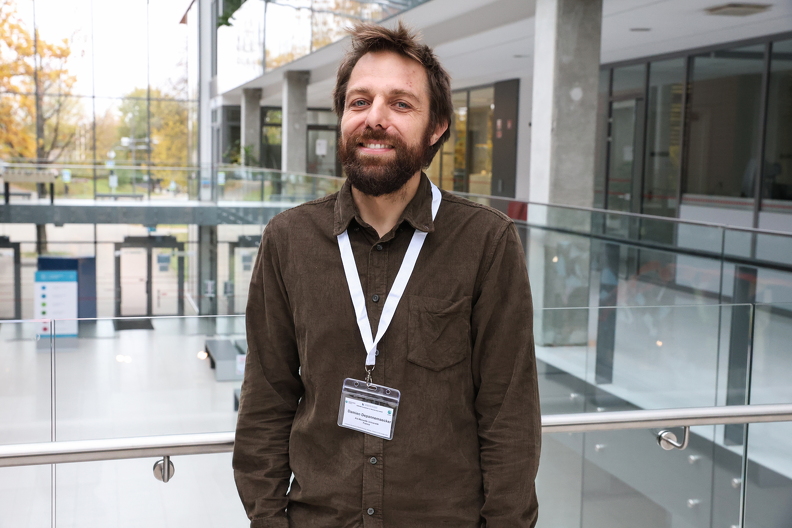
Dr Damien Depannemaecker, representing EBRAINS France (Institute of Systems Neuroscience, Aix-Marseille University, France), explored the application of digital brain twins in clinical neuroscience. He presented models developed using the EBRAINS The Virtual Brain methodology and their potential to contribute to personalised treatment of epilepsy, Alzheimer’s disease, multiple sclerosis, Parkinson’s disease and other brain disorders.
Dr Depannemaecker emphasised that collaboration between specialists from different disciplines helps improve our understanding of neurological diseases and identify new treatment opportunities using advanced technologies and artificial intelligence.
“Through my participation in the international EBRAINS network, I have had the opportunity to establish contacts with Lithuanian researchers and discuss potential future joint research with other European research groups,” he said.
Prof. Philippe Bijlenga, a neurosurgeon specialising in highly complex procedures (Department of Neurosurgery, Geneva University Hospital; Clinical Neuroscience Centre, Faculty of Medicine, University of Geneva; EBRAINS Switzerland), presented the concept of a federated digital twin for stroke, incorporating models of brain–heart interactions. The Professor emphasised the importance of validating the reliability of AI models and ensuring the responsible use of patient data.
“The most important conclusion I take away from this event is that progress in artificial intelligence in neuroscience depends heavily on close collaboration between clinical practice, data science and reliable health data infrastructure,” said Prof. P. Bijlenga.
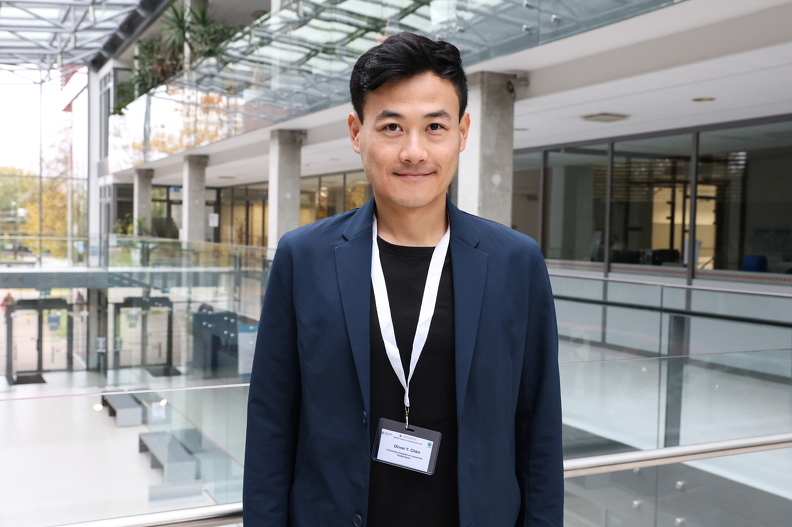
Prof. Oliver Y. Chén (Lausanne University Hospital; Faculty of Biology and Medicine, University of Lausanne; EBRAINS Switzerland) discussed the potential of smartphones for predicting brain diseases. The Professor emphasised the longstanding and mutually beneficial relationship between neuroscience and artificial intelligence.
“Research into brain function inspired the development of artificial intelligence, while artificial intelligence has, in turn, opened up new opportunities to study the brain. Nevertheless, despite the progress made, we must acknowledge that neither the workings of the brain nor artificial intelligence are yet fully understood. It is therefore particularly encouraging to see an initiative being undertaken in Lithuania at this very moment to bring these two fields of research closer together,” said Prof. O. Y. Chén.
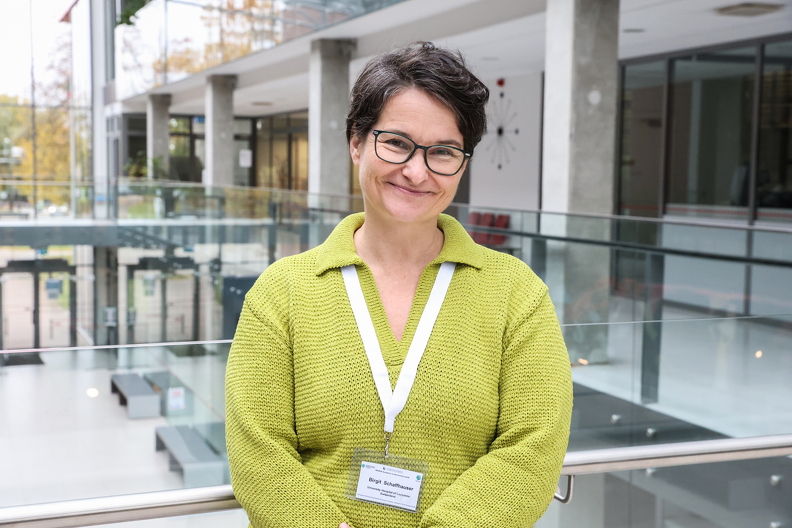
Dr Birgit Schaffhauser (Department of Clinical Neurosciences, Lausanne University Hospital; Coordinator of the EBRAINS Switzerland National Node) discussed opportunities for secure medical data processing and AI development in trusted research environments. She welcomed the involvement of Lithuanian researchers in the international EBRAINS network and the opportunities for collaboration that this creates.
“As a representative of the EBRAINS Switzerland National Node, I was particularly impressed by the high calibre of Lithuanian research institutions and researchers. Lithuania’s membership of EBRAINS has already enriched our community, and this symposium provided an excellent opportunity to showcase the strengths of Lithuanian researchers to colleagues from across Europe,” said Dr B. Schaffhauser.
Research and innovation
The symposium programme continued with presentations by Lithuanian researchers. Assoc. Prof. Dr Andrius Radžiūnas (LSMU Department of Neurosurgery, EBRAINS Lithuania) presented the application of functional neuromodulation in neurosurgery and neurology, discussing the potential of modulating nervous system activity in the treatment of neurological and psychiatric disorders. Prof. Kęstutis Petrikonis (LSMU Department of Neurology, EBRAINS Lithuania) spoke about pain management, sleep disorders and neurorehabilitation, as well as care based on new neurotechnology methods.
Prof. Eugenijus Kaniušas (TU Wien, Austria) presented the potential of personalised auricular vagus nerve stimulation and principles for predicting its effects. Prof. Vaidotas Marozas (Kaunas University of Technology, EBRAINS Lithuania) discussed the potential of wearable devices for monitoring brain and heart activity and their use in health assessment and long-term monitoring.
Assoc. Prof. Dr Ramunė Dirvanskienė (Vilnius University) discussed the unifying effects of participation in the Lithuanian Song Celebration and its associations with physiological indicators and emotional well-being. Dr Edgaras Misiulis (Kaunas University of Technology) presented a methodology for assessing the risk of aneurysmal subarachnoid haemorrhage based on personalised brain models.
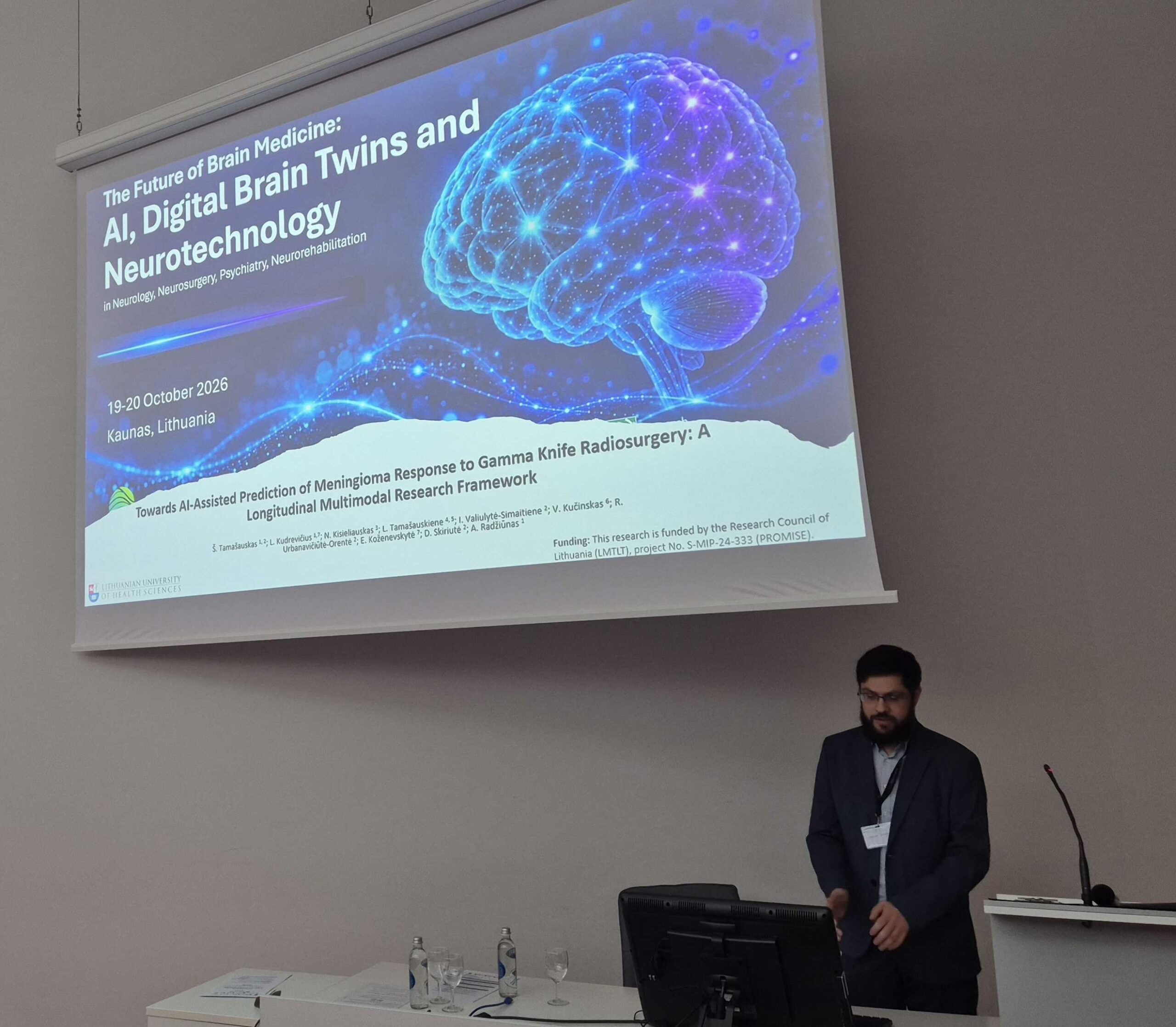
Dr Šarūnas Tamašauskas (LSMU Department of Neurosurgery; LSMU Neuroscience Institute; EBRAINS Lithuania) explored the potential of artificial intelligence for predicting the response of meningiomas to Gamma Knife radiosurgery. Dr Greta Kasputytė (LSMU Department of Anaesthesiology, Heart Centre at Kauno Klinikos, EBRAINS Lithuania) discussed impaired cerebral blood flow autoregulation during coronary artery bypass grafting, while Dr Jewel Sengupta (Kaunas University of Technology, EBRAINS Lithuania) presented automated methods for detecting subarachnoid haemorrhage, assessing its severity and predicting early risks.
AI ethics and practical training
The symposium also addressed the responsible use of artificial intelligence and ethical issues surrounding neurotechnology. Prof. Inga Ulnicane (University of Cambridge, United Kingdom) presented the principles of responsible research and innovation in neurotechnology. Prof. Claus Beisbart (University of Bern, EBRAINS Switzerland) discussed ethical principles governing artificial intelligence in neurological research and clinical practice.
During the practical training sessions, Prof. Oliver Y. Chén introduced the operating principles of AI foundation models. Dr Marianna Angiolelli and Gabriele Casagrande (Institute of Systems Neuroscience, Aix-Marseille University, EBRAINS France) introduced the concept of a virtual brain twin based on the EBRAINS The Virtual Brain methodology and its potential applications.
EBRAINS researchers visit the LSMU Heart Centre
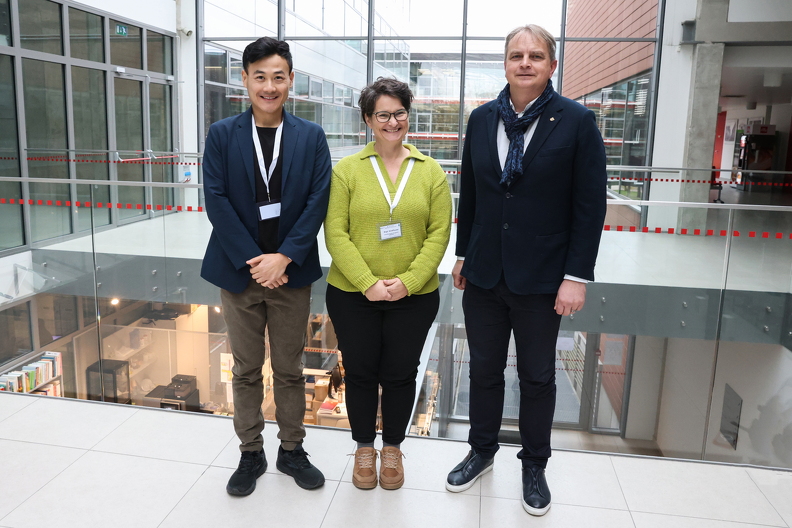
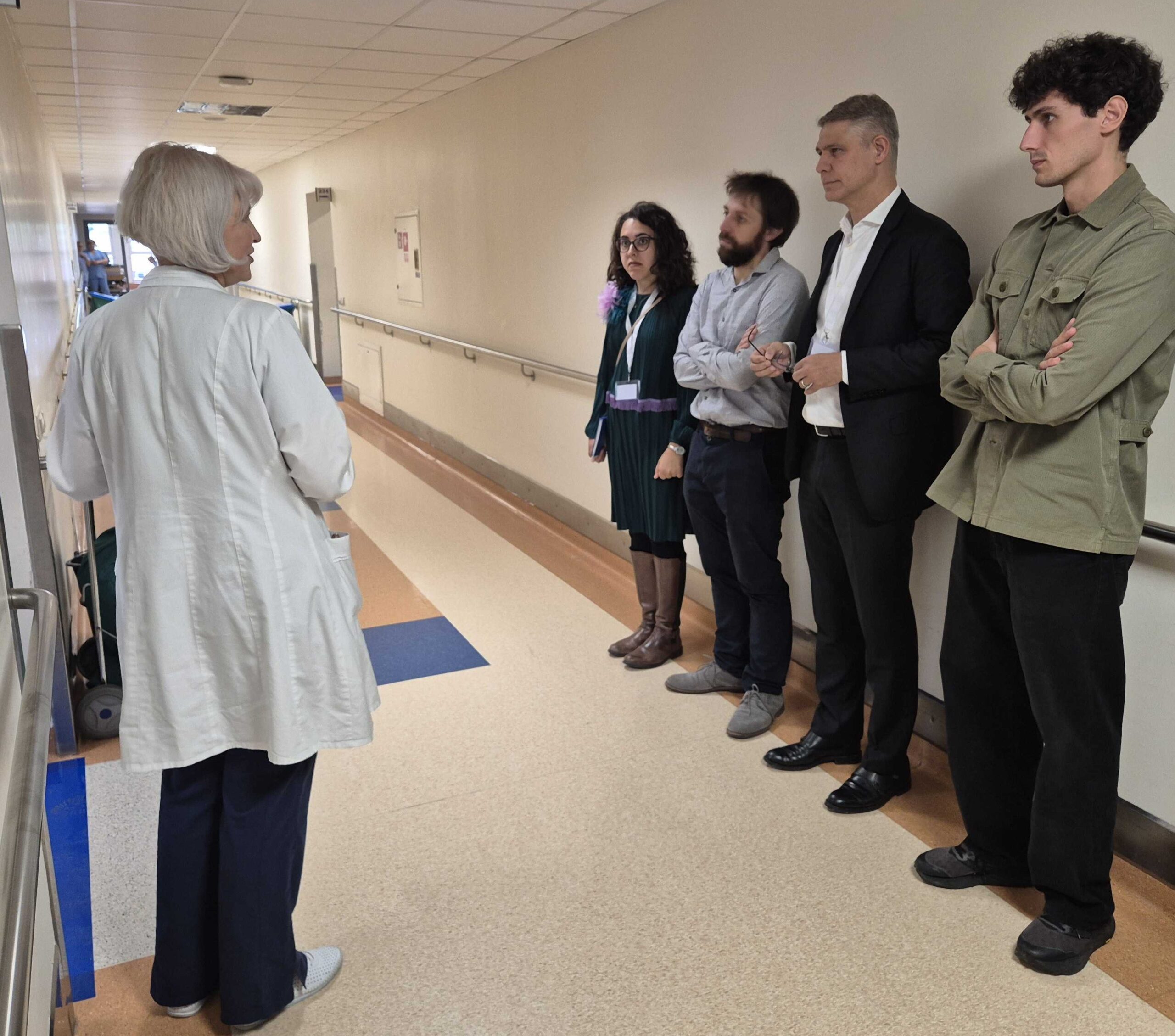
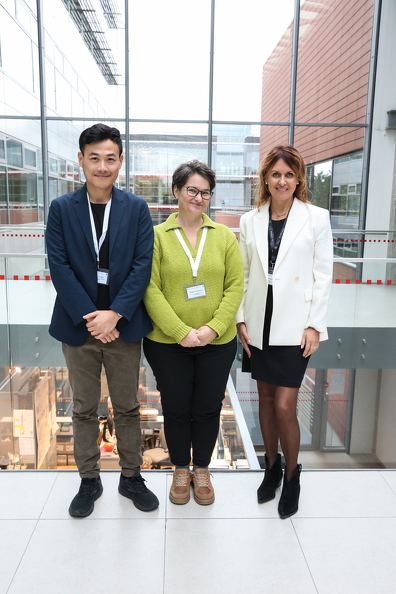
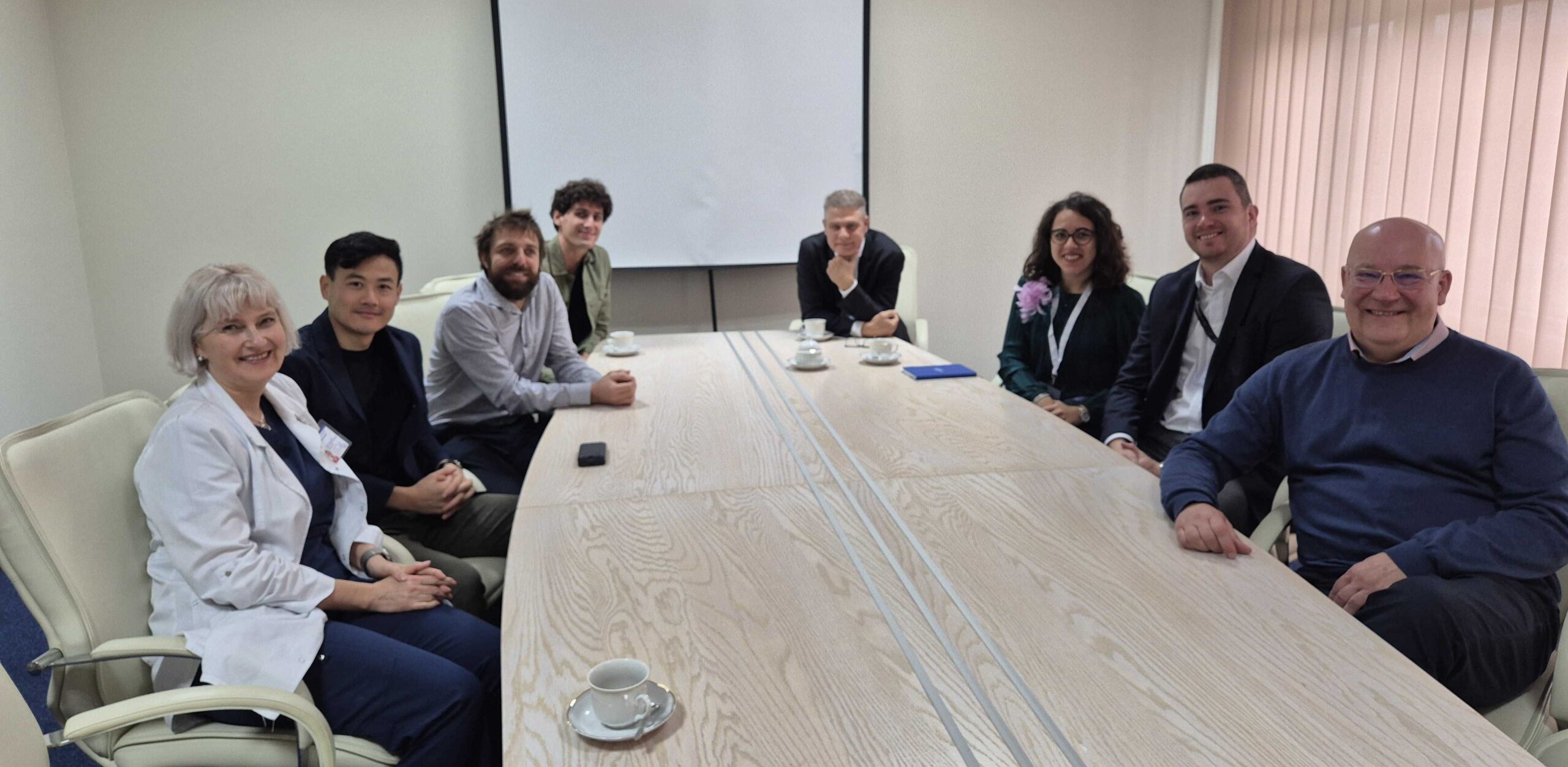
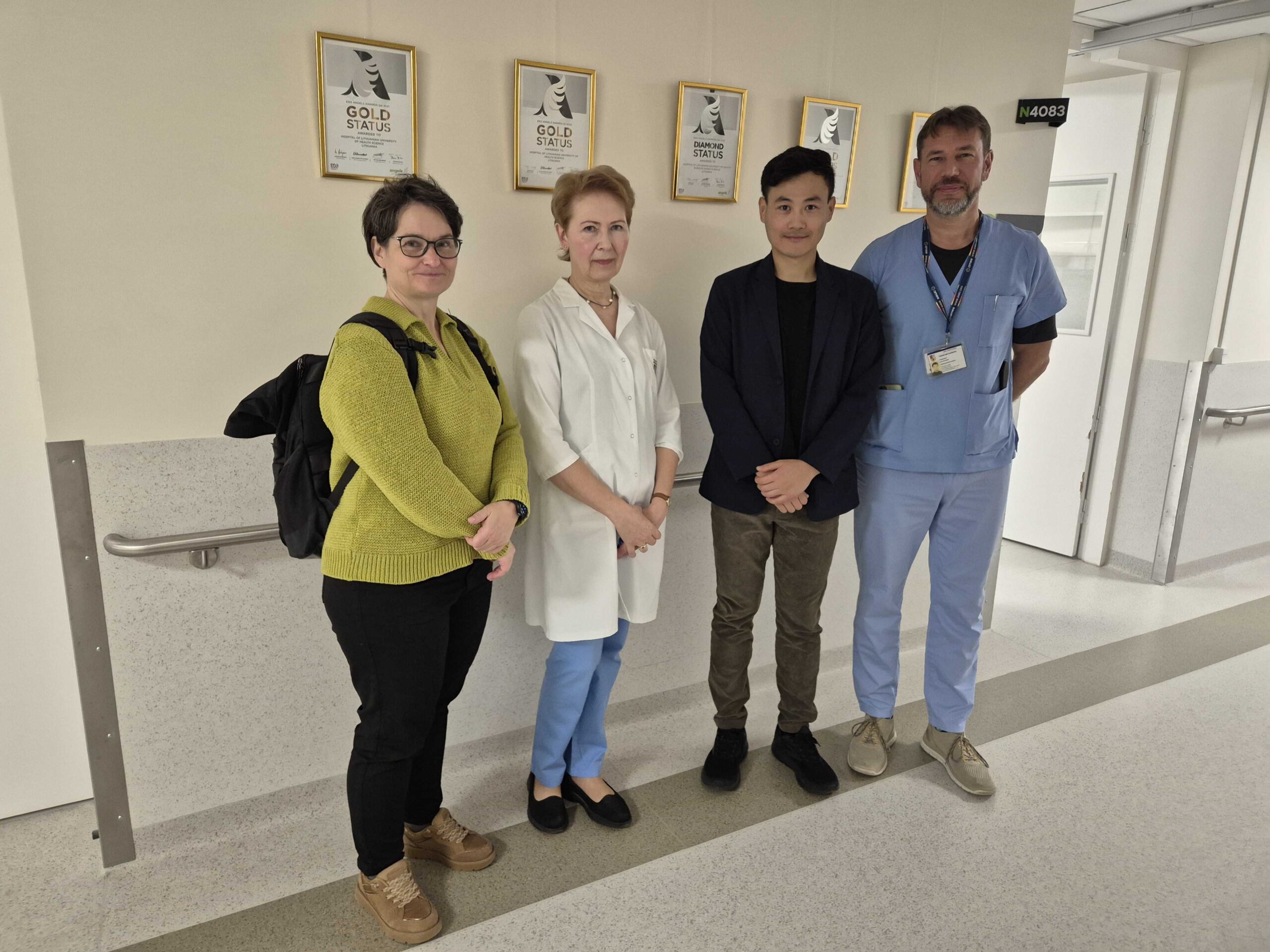
Symposium guests Prof. Philippe Bijlenga, Prof. Oliver Chén and Dr Birgit Schaffhauser (EBRAINS Switzerland), together with Dr Damien Depannemaecker, Dr Marianna Angiolelli and Gabriele Casagrande (EBRAINS France), also visited the Department of Anaesthesiology and Intensive Care at the Heart Centre of LSMU Kauno Klinikos.
The Head of the Department, Assoc. Prof. Tadas Lenkutis, and anaesthesiologist Assoc. Prof. Milda Švagždienė introduced the guests to research conducted at the Department into cerebral blood flow autoregulation during cardiopulmonary bypass and its importance for patient safety during cardiac surgery. The visit also provided an opportunity to discuss further research collaboration, particularly in the areas of brain–heart interactions and the development of digital twin models.
The international EBRAINS symposium provided an opportunity to strengthen LSMU’s ties with the European neuroscience community and the EBRAINS national nodes in Switzerland and France, exchange scientific knowledge and discuss prospects for further collaboration, with the aim of bringing advanced research increasingly into patient care.
The event was organised by the EBRAINS Lithuania National Node, bringing together LSMU, the Hospital of the Lithuanian University of Health Sciences Kauno Klinikos, Vytautas Magnus University and Kaunas University of Technology, together with the EBRAINS Switzerland and EBRAINS France national nodes, the Lithuanian Neurological Association and the Research Council of Lithuania.
The event was supported by the Research Council of Lithuania under the programme “Dissemination of Research Results through the Organisation of Events” (Agreement No. S-MOR-26-35) and the Lithuanian–French programme “Gilibert” (Agreement No. 2024-PRO-00148), as well as Teltonika Telemedic.
Photo gallery
 View all photos
 View all photos
 View all photos
Recent articles