
Simulation Centre of the Veterinary Academy
About Centre
The Simulation Centre of the Veterinary Academy of the Lithuanian University of Health Sciences (LSMU) is a general academic unit of the University dedicated to the safe development and enhancement of practical, diagnostic, clinical, procedural and clinical decision-making skills through the application of veterinary medical simulation.
At the Centre, students of the Veterinary Academy, University staff and veterinary professionals undertaking continuing professional development can acquire and refine their skills using artificial patients, anatomical models and other simulation equipment without causing harm to animals. The Centre provides opportunities to practise at an individual pace, repeat procedures, learn from mistakes, and develop the confidence and competence required for clinical practice and professional work.
The Centre hosts practical skills training sessions and laboratory classes in clinical subjects, organises training courses and continuing professional development seminars, develops simulation methodologies and recommendations to support the University’s study programmes, and provides methodological support to University staff. It also collaborates with other University units delivering simulation-based education and participates in national and international projects aimed at advancing simulation-based teaching and learning.
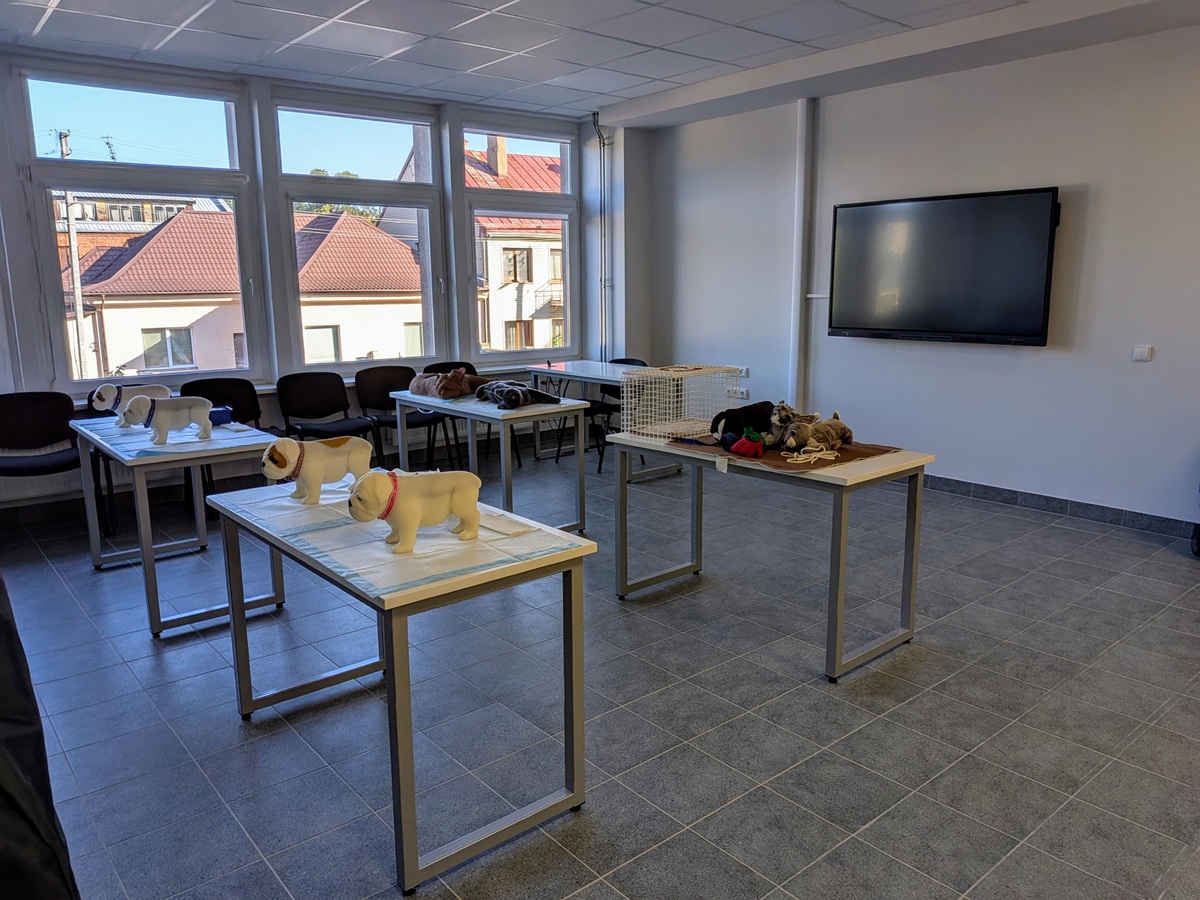
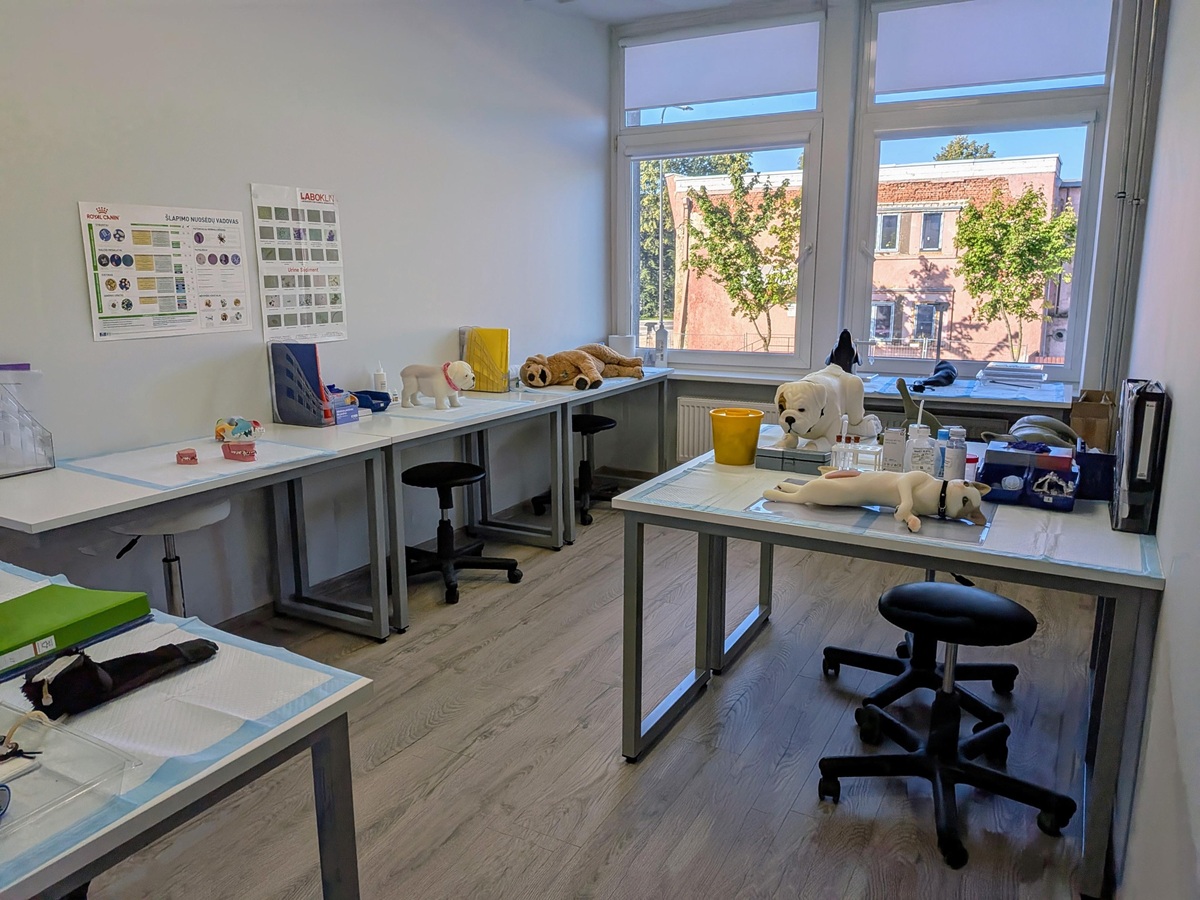
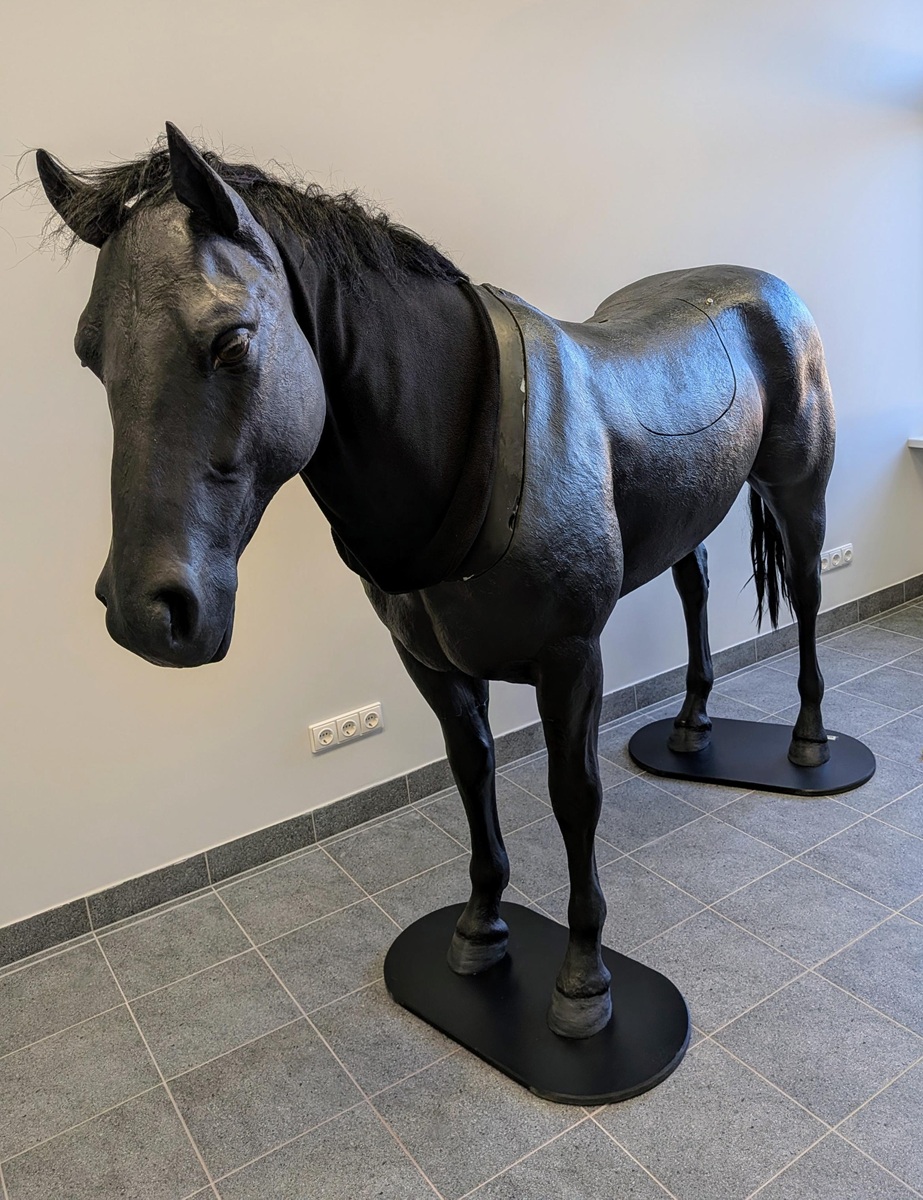
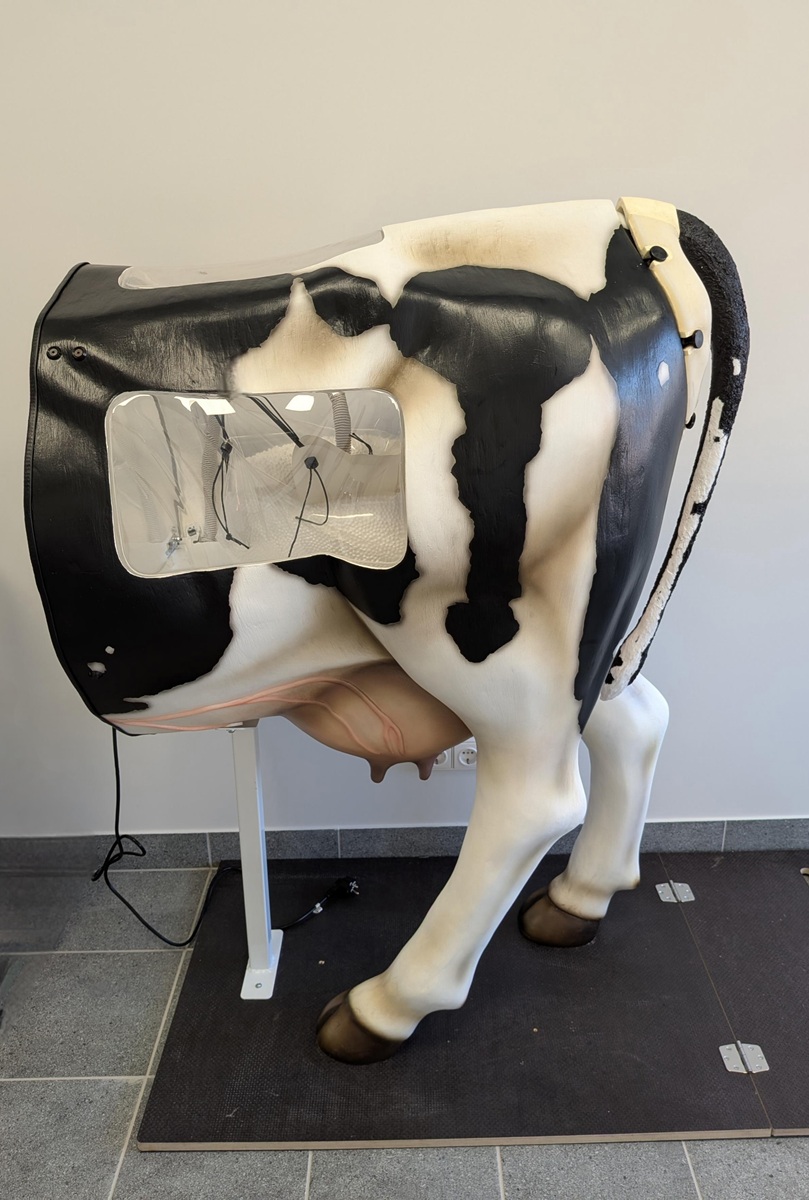
 View all photos
REGISTER FOR THE SERVICES
Simulation classroom 1
- Restraining a horse with a halter
- Administering injections to a horse, blood collection, placement of an intravenous catheter
- Abdominocentesis in a horse
Simulation classroom 2
- Administering injections to cattle, blood collection
- OSICE physiology
Simulation classroom 3
- Skin examination and testing in small animals
- Injection equipment and drug administration methods
- Cardiovascular examination in small animals (ECG)
- Restraining small animals
- Intravenous catheters and their use in small animals
- Examination of ears and otoscopy in small animals
- General clinical examination of small animals
Simulation classroom 4
- Application of fluid therapy in small animals
- Eye examination and tests in small animals
- Dental examination in small animals
- Urine sample collection and urinalysis in small animals
- Blood sample collection in small animals
- Taking the medical history (anamnesis) of small animals
Simulation classroom 5
- Microchipping of small animals
- Vaccination of small animals
- Anatomical models
- OSICE anatomy
Simulation classroom 6
- Surgeon’s competencies (Assess, analyze, discuss medical histories of patients treated in the hospital; Complete documentation necessary for treatment and diagnostics; Provide detailed information to owners about postoperative care of the animal at home; Effective communication; Assess potential anesthesia risks). Assessing potential anesthesia risks
- Wound bandaging
- Selection of suturing materials
- First aid for small animals
- Medication identification and prescription writing
- Surgical skills training box
Simulation classroom 7
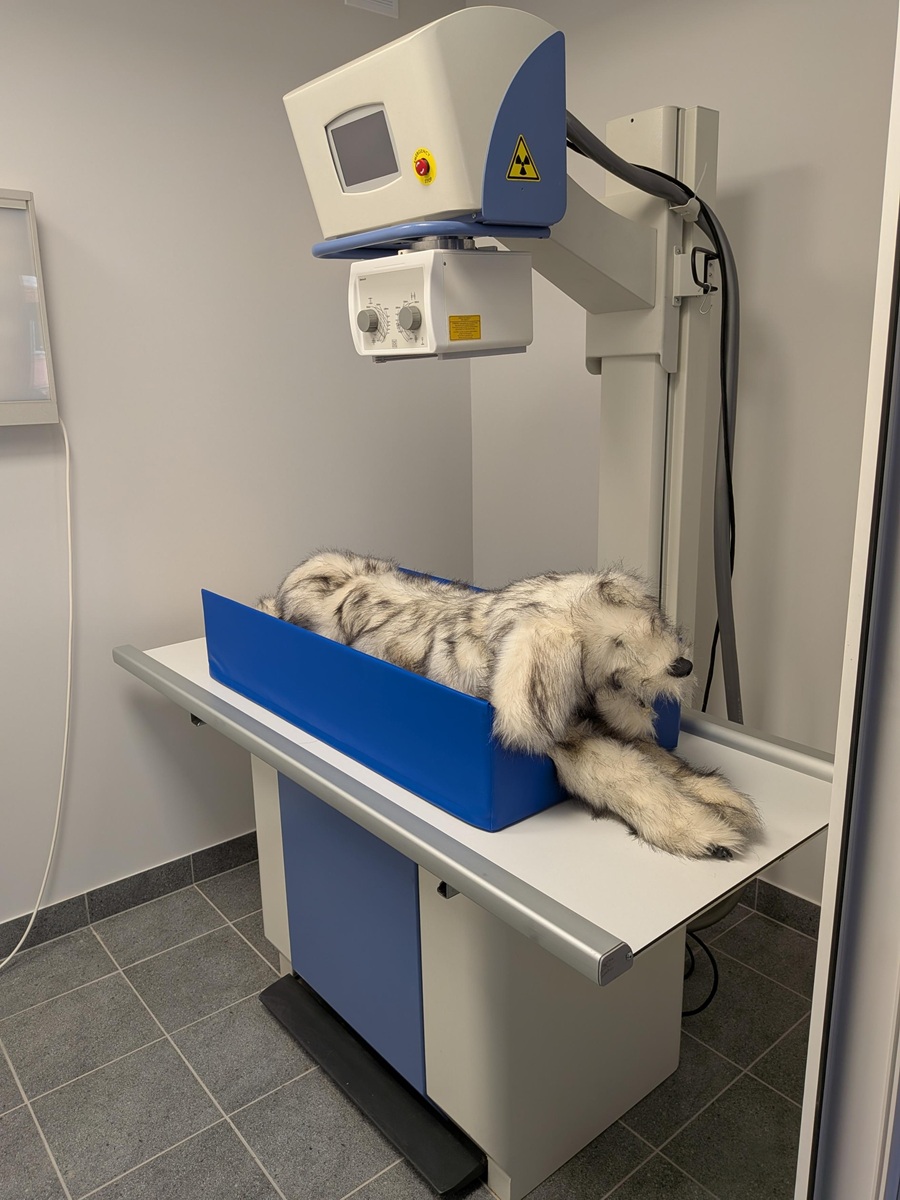
- Radiographic examination of small animals
- Radiographic examination of large animals
- Small animal ultrasonography
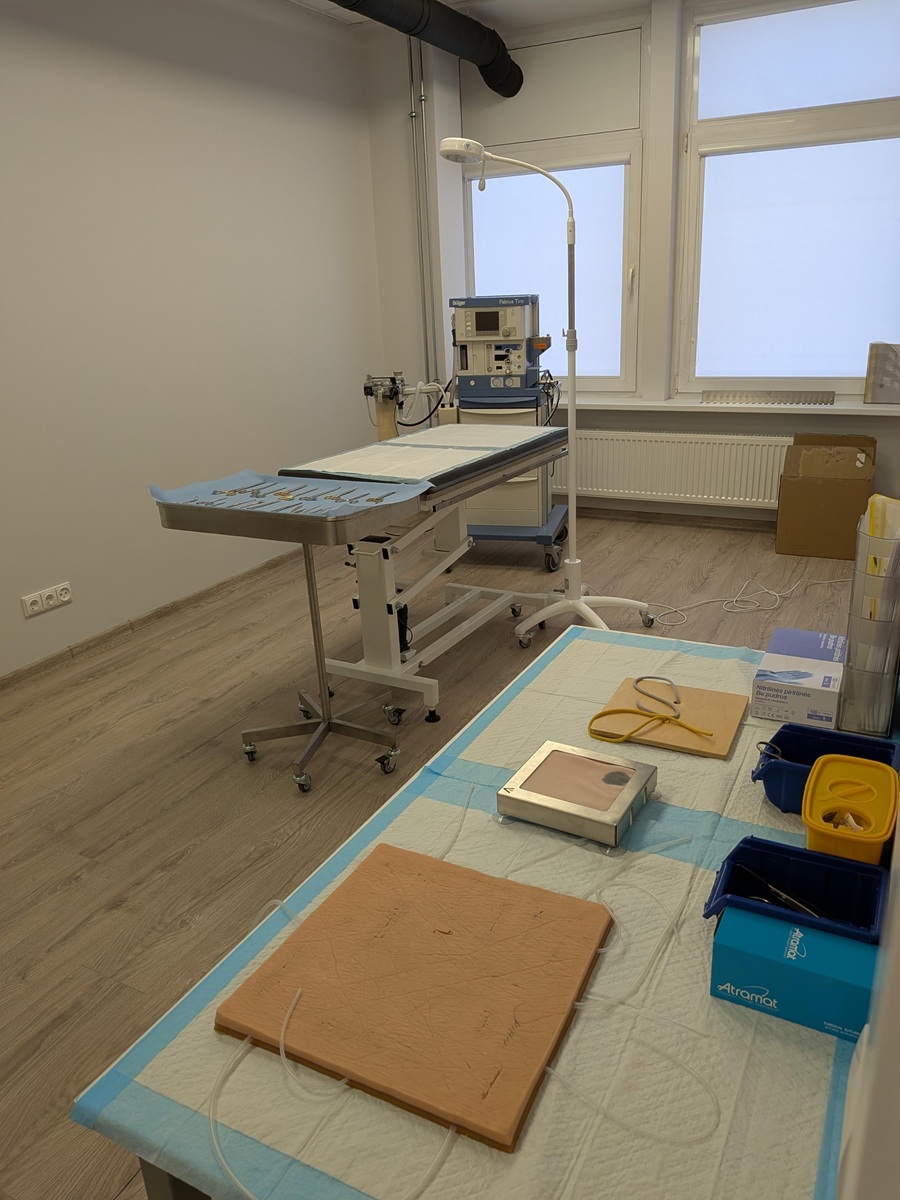
Simulation surgery room
- Surgical sutures and knots
- Identification and correct use of surgical instruments
- Surgeon preparation for surgery
- Intubation of a dog
- Use of surgical equipment during surgeries
- Preparation for anaesthesia
- Preparation of the surgery room for surgery
Simulation laboratory
- Preparation and microscopy of various samples (blood smear, urine samples, sperm pathology counting)
- OSICE histology and general pathology
- OSICE virology, immunology
- OSICE microbiology, parasitology