Where Food Science Can Lead: An LSMU Graduate on Her Journey from Michelin Restaurants to Life-Saving Projects
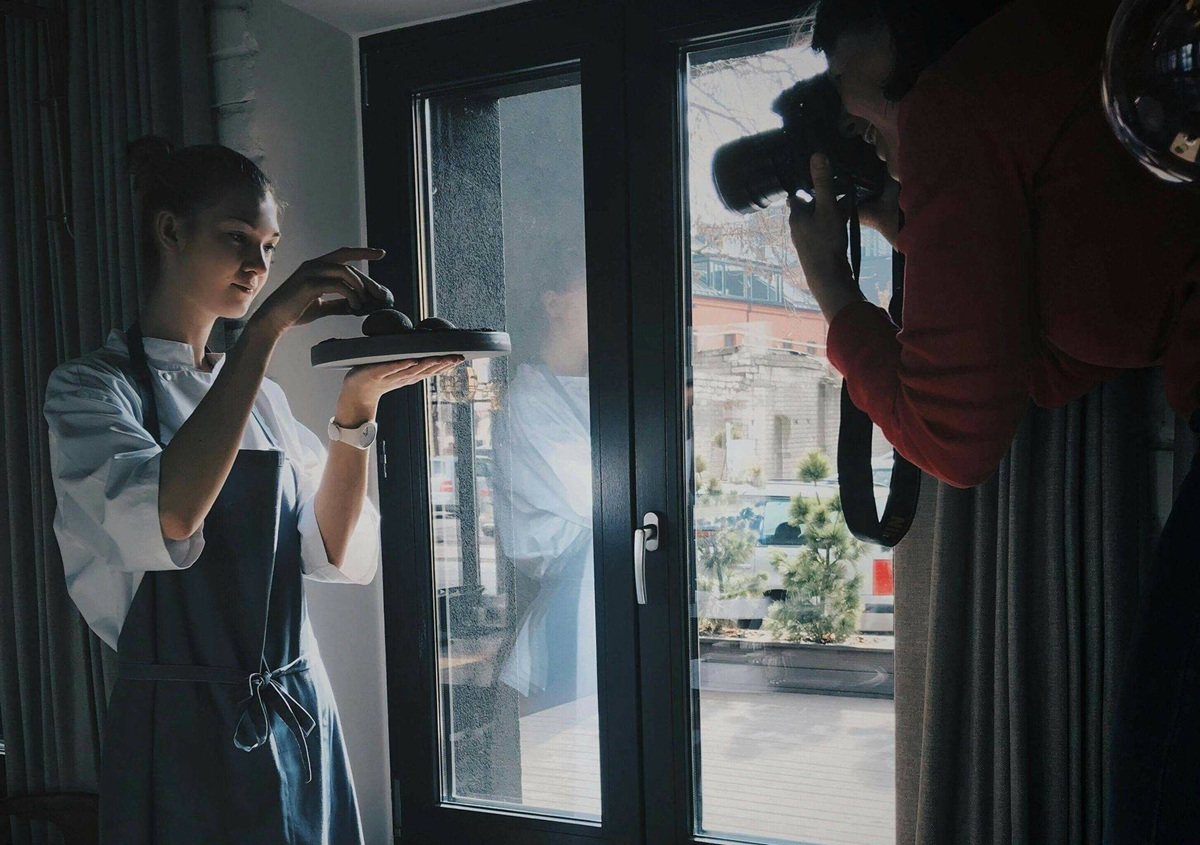
Working in top restaurants, including those listed in the Michelin Guide; contributing to the improvement of vitamin formulations for developing countries; creating new food products; and improving the commercial performance of a business group – these are just a few examples from the successful international career of Kristina Liukaitytė, Senior Expert in Global Product Marketing.
She began her exclusive professional journey at the Lithuanian University of Health Sciences (LSMU), where she chose the Food Science study programme at the Faculty of Veterinary Medicine.
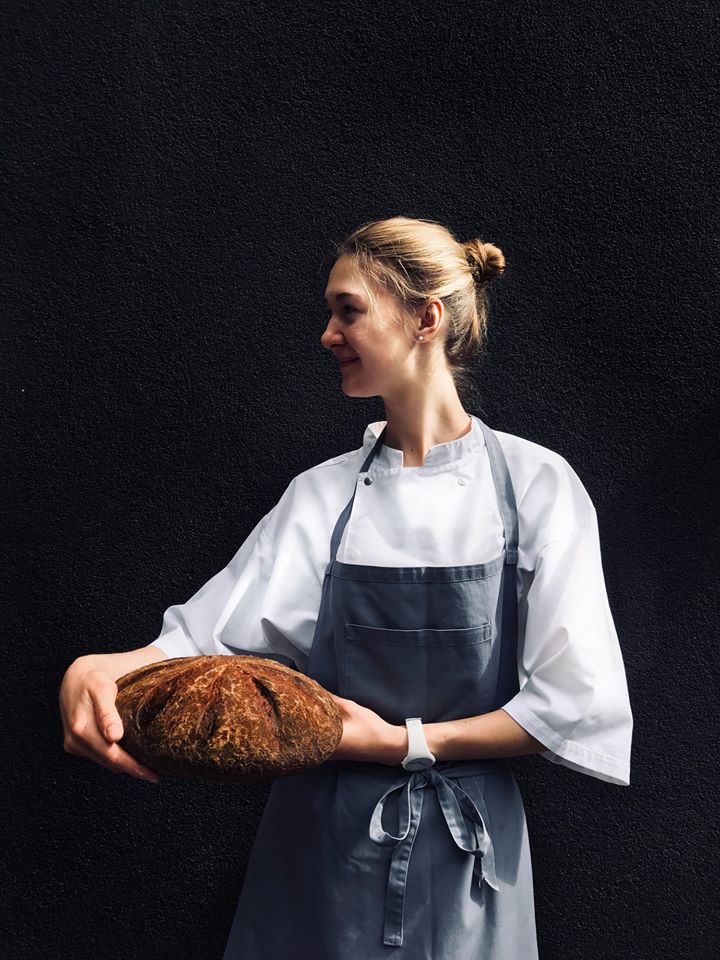
Today, Kristina Liukaitytė works as a Junior Manager of Commercial Excellence in the Human Nutrition business group at the headquarters of DSM-Firmenich in Switzerland.
“The past few years have been intense,” she says with a smile. “I led one workstream in a major project, where we had to analyse and communicate product changes related to the divestment of part of the business.”
The successfully implemented project led her from product marketing to a more business-oriented position. She now works on change projects and communication – an area that reaches well beyond product marketing.
From practical assignments to memorable internships
K. Liukaitytė was among the very first graduates of the LSMU Food Science study programme. Although there was some hesitation at the beginning, she chose the programme because of its uniqueness: it combines knowledge of food production, chemistry, biochemistry, biology, physics, technology and health sciences.
“I have been interested in nutrition and food all my life, and I have always enjoyed cooking. Since childhood, I have been fascinated by culinary arts and the food industry. While still at school, I began taking an interest in restaurants, food safety and quality, independently exploring food standards and reading product labels. LSMU attracted me because of its strong reputation, modern laboratories and integration of health sciences. I am happy with my choice,” she says.
Her years of study were interesting and intensive, requiring her to absorb a great deal of theoretical information. However, the engaging practical sessions and interesting laboratory research made it all worthwhile.
“There was a lot of practical work. We learned about food processes not only in theory – for example, we baked bread ourselves, brewed beer, and made cheese and preserves. We carried out food safety tests in laboratories, explored which processes were safer, and learned how product shelf life is tested,” she recalls.
K. Liukaitytė was also actively involved in various university activities: she sang in the LSMU choir Neris and, together with like-minded students, founded the Food Society within the student association, where they shared news and interesting facts about food.
Her food science studies provided a solid theoretical foundation, which also proved useful in practice, especially during internships and training abroad. Her chosen field also opened the door to internships and training in Switzerland, Germany, France, Denmark, Italy, the United States, England and Ukraine.
Professional experience shapes a specialist
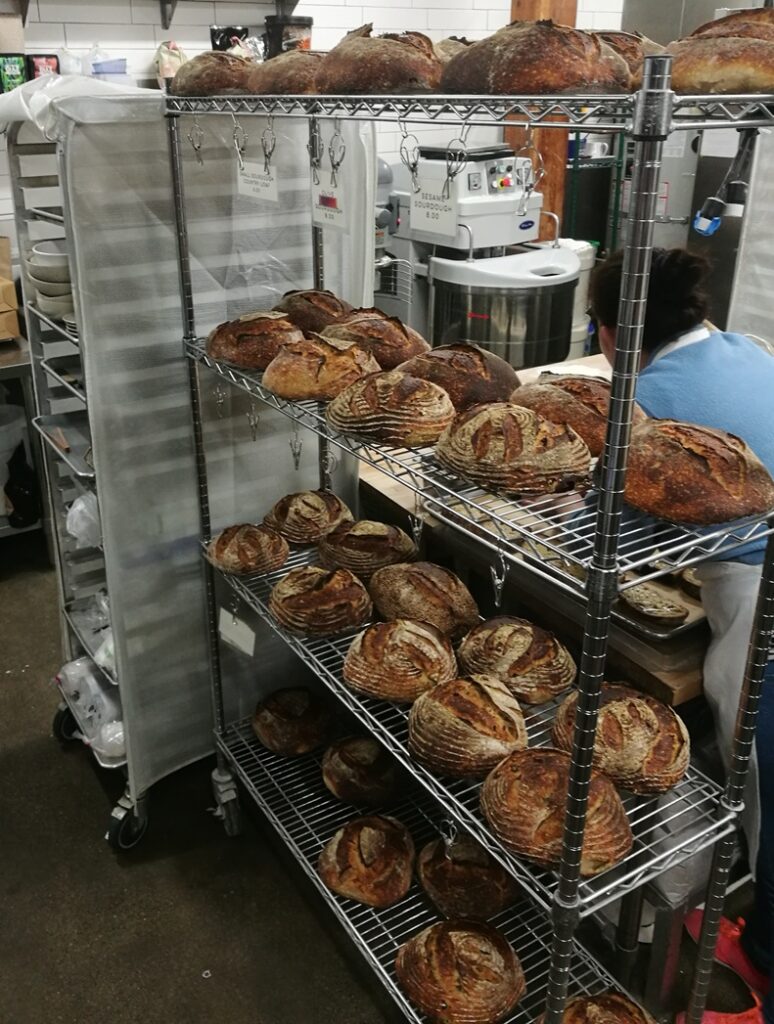
As a young professional, she gained experience in several Michelin-starred restaurants, a chocolate shop in Denmark and an industrial bakery in San Francisco, USA, where she studied at a private bread-baking institute and obtained a diploma in advanced bread-baking technology.
Having now achieved a great deal in her international career, K. Liukaitytė emphasises that real work experience in the field has had the greatest influence on her development as a specialist.
“In practice, you encounter all kinds of situations that cannot be learned from textbooks or during practical student assignments. I learned the most by working with more seasoned colleagues and drawing knowledge from different teams. In addition, complex and unexpected work situations allow you to keep growing and improving – and that is something that no university can provide,” she notes.
Internships in Michelin-starred restaurants
The young specialist started her professional journey 13 years ago, while studying, by working in restaurants and progressing from assistant chef to head pastry chef. She had the chance to work in prestigious Lithuanian restaurants including Džiaugsmas, Nüman and Nineteen18, as well as the Hotel Pacai with the Nordic Food Republic.
“I had the opportunity to work in a one-Michelin-star restaurant in Switzerland and completed an internship at CODA in Germany, which now has two Michelin stars. I also worked as a food technologist, continued studying baking science and contributed to the opening of several bakeries.
I also had the chance to work on the development of new products. One of the more memorable projects was improving the recipe for the Lithuanian vegan chocolate brand Ach,” she says, reflecting on the beginning of her career.
She later deepened her knowledge through Master’s studies in France, earning two Master’s degrees: one in Food and Agricultural Sciences and another in Business Administration. While studying, she worked for an international market analysis company, researching how consumers choose food and beverage products.
From fascinating knowledge to meaningful projects
For some time now, K. Liukaitytė’s professional path has continued in global teams, where she works with colleagues from many different countries. She has worked across various human nutrition segments, including the food and beverage industry, dietary supplements, infant nutrition, medical nutrition and pharmaceuticals.
One of the greatest challenges is responsibility for information and accurate communication with clients. Working together with colleagues including scientists, lawyers and technologists, she has to check and ensure that information about technologies, ingredients and their properties is correct.
A particularly meaningful experience has been her involvement in projects aimed at improving nutrition among vulnerable communities – for example, by helping to develop a more stable form of vitamin A, which now reaches hundreds of millions of people.
Vitamin A is one of the least stable vitamins: during transportation, storage or use in production, its activity decreases, especially in countries where conditions are hot and humid and food safety is challenging.
“These ingredients, a large proportion of which is vitamin A, reach more than 640 million people in vulnerable groups around the world who lack minerals and vitamins. It is a wonderful feeling to know that my work has contributed to improving people’s health,” she says.
Such dynamic work also gives her a sense of inner fulfilment.
“I am motivated by knowledge. Every day I learn something new. One day I am learning about fermentation, the next I am exploring raw material chains. For example, I was surprised to learn that vitamin C in Europe is produced not from citrus fruit, but from maize or wheat,” says K. Liukaitytė.
Skills are built through practice
Which qualities are most useful in a career – and are they innate or acquired? According to K. Liukaitytė, the most important skills are analytical thinking, communication, project management and the ability to adapt to a dynamic environment. Some of these are acquired during studies, but most are developed in practice.
“My education in food science, food and agricultural sciences, and business administration gave me a strong foundation and broad knowledge of the food and food ingredients industry, as well as of how business operates in the industry in which I work. My professional experience has helped me apply this knowledge in real-life situations and continue deepening it,” she says.
Knowledge is useful both at work and in the kitchen
After more than a decade working in the food sector, K. Liukaitytė also applies her knowledge in everyday life. She says that when you know what you are eating or drinking, life is not only more interesting, but also safer.
“It feels good to understand what is written on a food product label. I can also use my knowledge of food chemistry when combining food ingredients at home. I choose food products and supplements more responsibly, I am better informed about food ingredients, and I also learn a great deal about innovations and research – both technological and clinical – relating to healthier products, ingredients and innovations. With knowledge of food science, I can eat in a way that is both healthier and tastier,” she says.
She shares her knowledge not only with clients, but with a wider audience as well.
“The kitchen is where I take a break from office work. I make kombucha and homemade vinegar, bake bread and am always fermenting something. I share my culinary stories on Instagram,” says LSMU Food Science graduate Kristina Liukaitytė.
“I think it is important to focus on how to create value here and now – to work somewhere where I know that the company’s products and activities genuinely contribute to building a better and healthier world. At the moment, I am happy with my current position and workplace, but my experience and competences are growing, and my interests may also change over time, so I do not yet know where this will take me in 10 or 20 years,” says Kamilė.
Recent articles