Longevity Assembly Launches at LSMU with a Focus on Evidence-Based Healthy Ageing
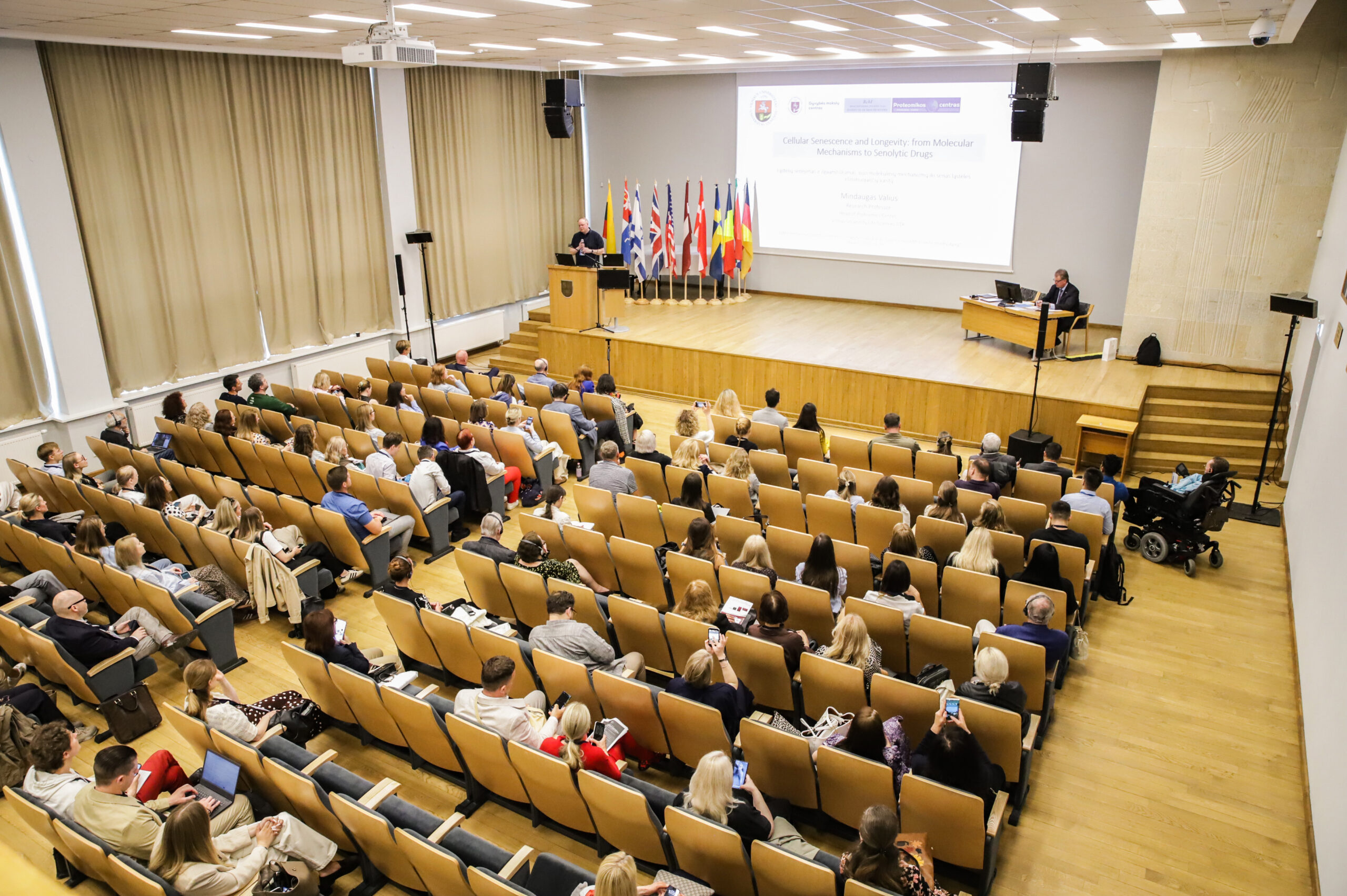
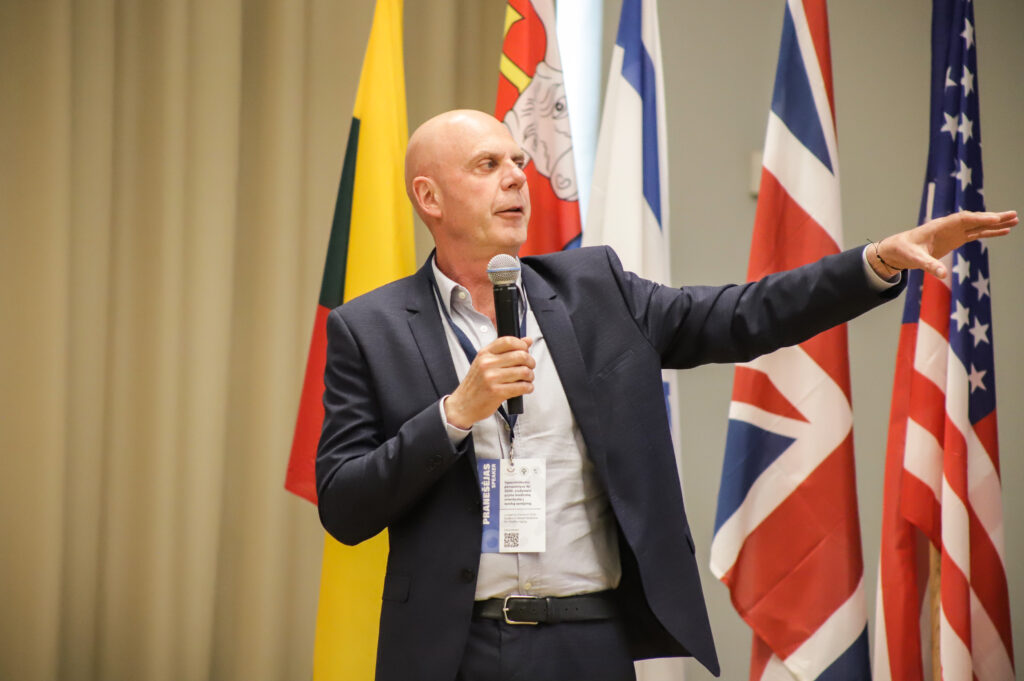
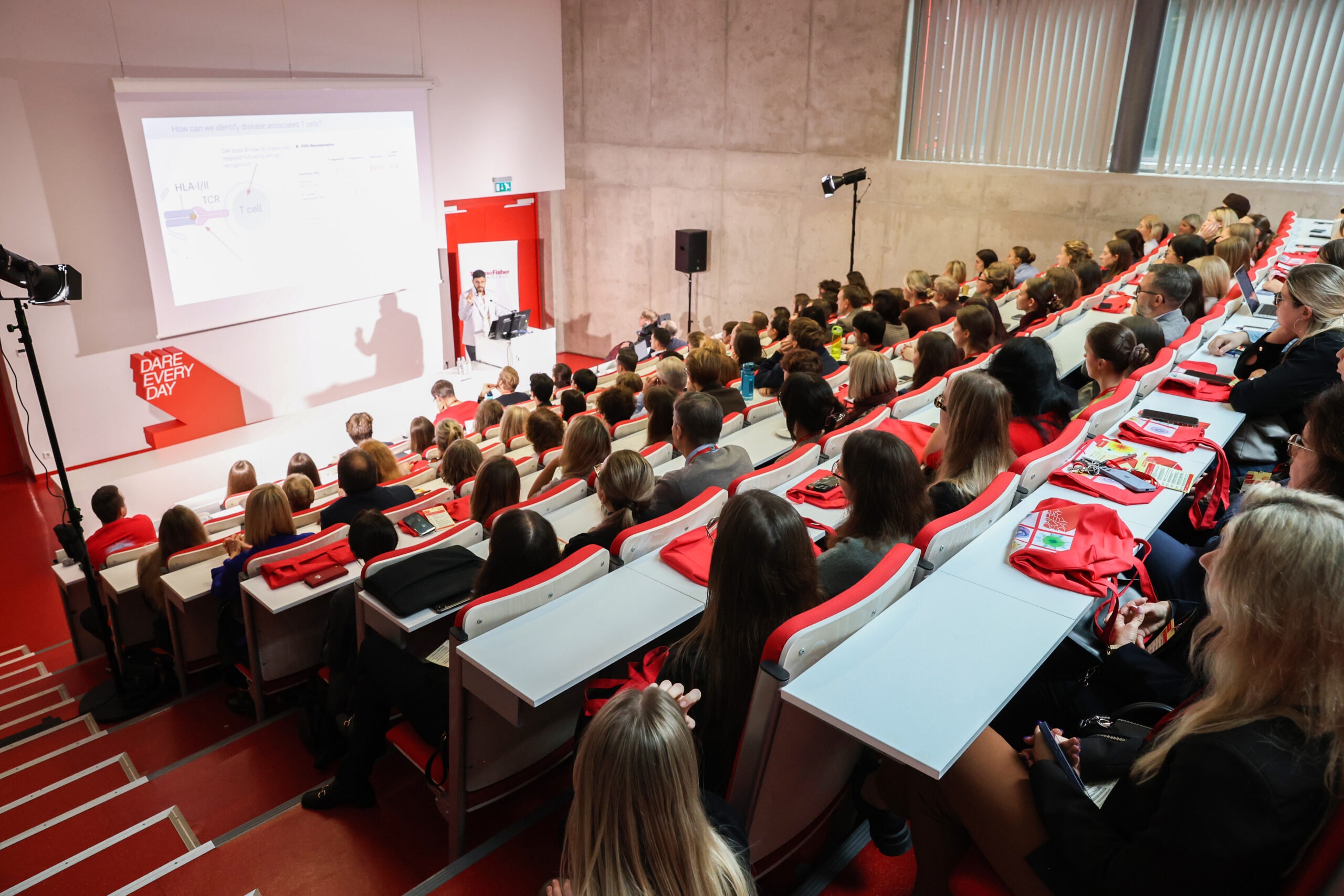
On 9 June, the Lithuanian University of Health Sciences (LSMU) hosted the opening of the international scientific conference “Longevity Forward 2030: Evidence-Based Medicine for Healthy Ageing”, the first event of this year’s Longevity Assembly.
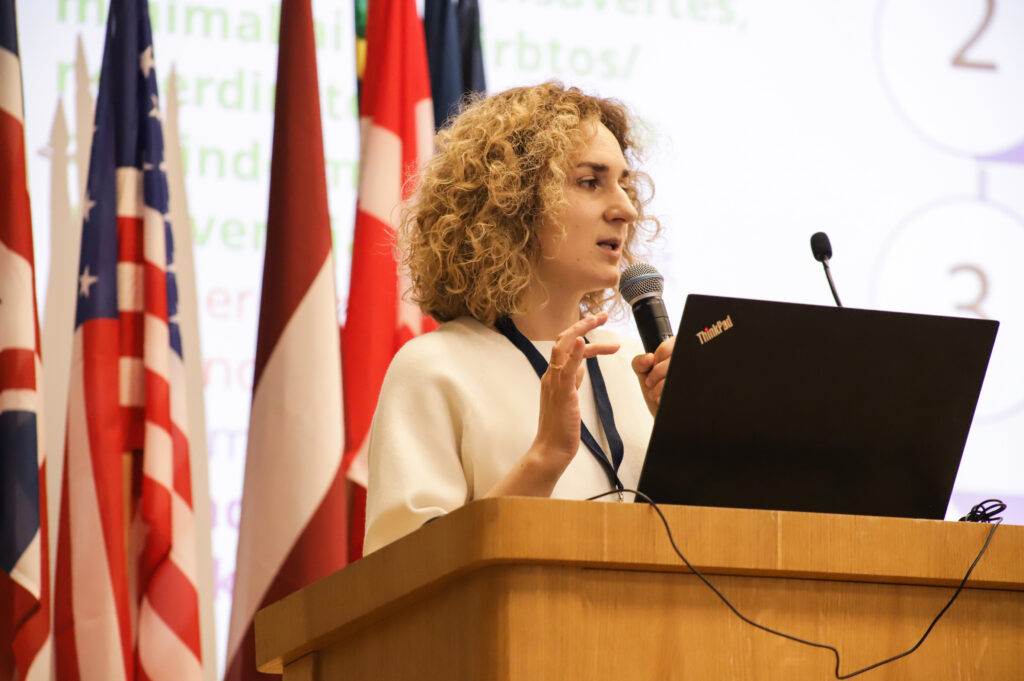
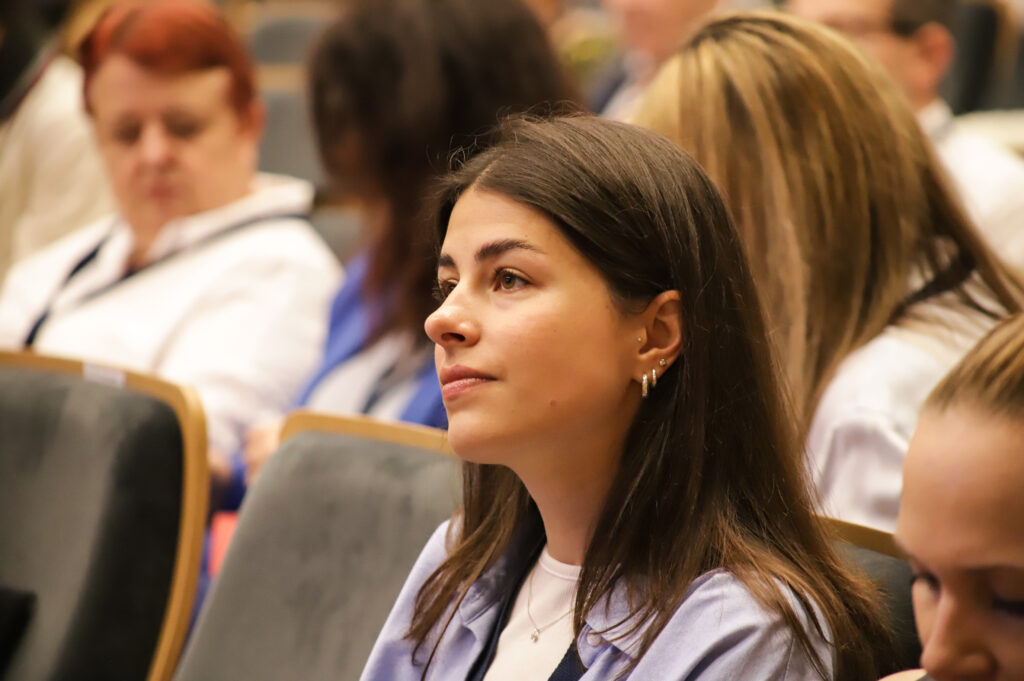
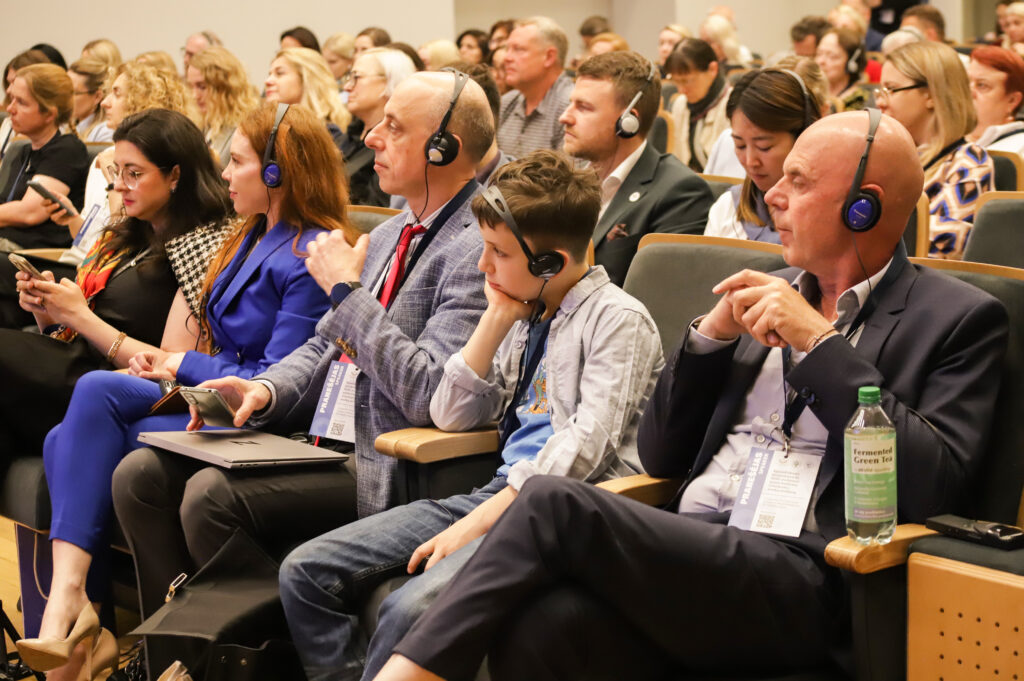
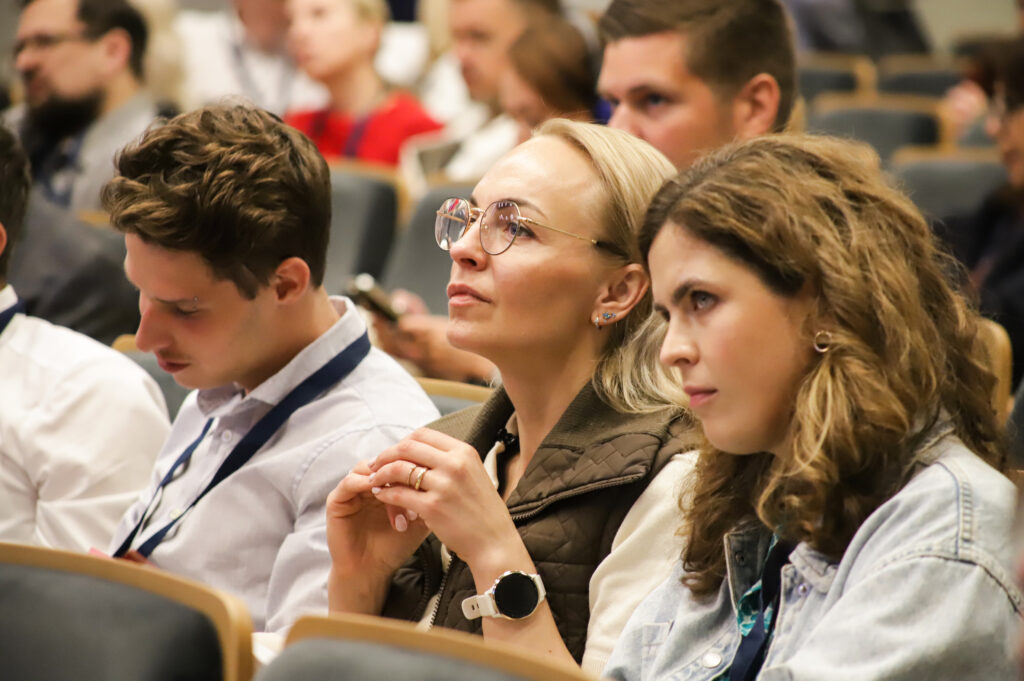
The conference brought together medical doctors, researchers, experts in health innovation, representatives of universities and hospitals, and specialists from international longevity organisations to discuss the latest scientific advances in longevity research and their practical application.
Patron of the conference, Professor Saulius Čaplinskas, Member of the Parliament (Seimas) of the Republic of Lithuania, emphasised that longevity science is becoming increasingly important in a rapidly ageing society.
“The key challenge is not only to add years to people’s lives, but also to add life to those years. Science is providing ever more answers about why and how the body ages. At the same time, we see that factors long known to be beneficial – physical activity, quality sleep, a balanced diet, social connections, preventive healthcare programmes and vaccination – remain among the most important contributors to a longer and healthier life,” said Professor S. Čaplinskas.
During the event, he also presented a Longevity Ambassador Appreciation Award to Professor Leonas Valius, Head of the LSMU Department of Family Medicine, in recognition of his long-standing contribution to the training of physicians and the development of an evidence-based approach to longevity medicine in Lithuania.
According to Professor Valius, one of the conference’s most important objectives is to move the topic of longevity from popular – but not always scientifically grounded – discussions into the academic and clinical spheres.
“We aim to draw a clear distinction between populism, commercially driven quick fixes and what is genuinely supported by scientific evidence. We already have a strong foundation in prevention, health promotion and healthy lifestyles, which can now be further strengthened through advances in biology, microbiology, molecular medicine and new technologies,” he stressed.
Professor Jūratė Macijauskienė, Dean of the Faculty of Nursing at the LSMU Medical Academy and Head of the Department of Geriatrics, noted that longevity is a topic that unites specialists from a wide range of disciplines.
“We come from different fields, yet we are united by a single word – health. Every initiative that contributes to longevity and healthy ageing yields benefits, from fundamental molecular research to systemic improvements in healthcare,” she said.
Meanwhile, Associate Professor Povilas Ignatavičius, Vice-Dean of the LSMU Faculty of Medicine, highlighted the need to critically assess the growing volume of information surrounding longevity.
“We live in an age of the immense pool of information available – scientific publications, artificial intelligence and social media. That is precisely why evidence-based medicine has become more important than ever. Although our understanding of the biology of ageing and cellular processes continues to expand, further scientific evidence is still needed,” he said.
One of the conference organisers, physician Silvija Valdonė-Ališauskė, emphasised that the event, now in its third year, aims to present healthcare professionals with an accurate understanding of longevity medicine.
“Many people associate longevity medicine with dietary supplements, hyperbaric chambers or various commercial services. In reality, it is not a separate branch of medicine. Rather, it is a field that complements existing medical specialties and helps integrate the latest scientific discoveries into everyday clinical practice,” she explained.
The international dimension of the event was highlighted by Dr Ilia Stambler, representative of Vetek – the Movement for Longevity and Quality of Life. According to him, the Longevity Assembly seeks not only to showcase the latest scientific findings but also to build a community actively promoting longevity-related ideas.
“We must turn longevity into a global movement – beginning in Lithuania and expanding internationally. I invite everyone to become advocates, researchers, physicians or simply individuals contributing to the development of this field,” said Dr Stambler.
The conference programme covered topics ranging from the biology of cellular ageing, inflammatory processes and the role of the microbiome to artificial intelligence, personalised medicine and public health solutions that could contribute to longer and healthier lives. Presentations were delivered by experts from Lithuania, Latvia, Denmark, the United States, the United Kingdom and Israel. Alongside the conference, the participants also had the opportunity to visit the exhibition featuring health and longevity partners and lifestyle medicine initiatives.
The conference was organised by LSMU, the Seimas of the Republic of Lithuania, the LSMU Family Medicine Clinic, the LSMU Department of Geriatrics, the Lithuanian College of Family Physicians, the Lithuanian Academy of Sciences and the Longevity Alliance Baltic.
The conference marked the opening event of the week-long Longevity Assembly. Discussions will continue at the Seimas of the Republic of Lithuania, the Lithuanian Academy of Sciences and events taking place in Klaipėda, Druskininkai, Birštonas and other Lithuanian cities, where dialogue on building a healthier and longer living society will continue.