Thirty Years Since the First International Students Graduated from LSMU
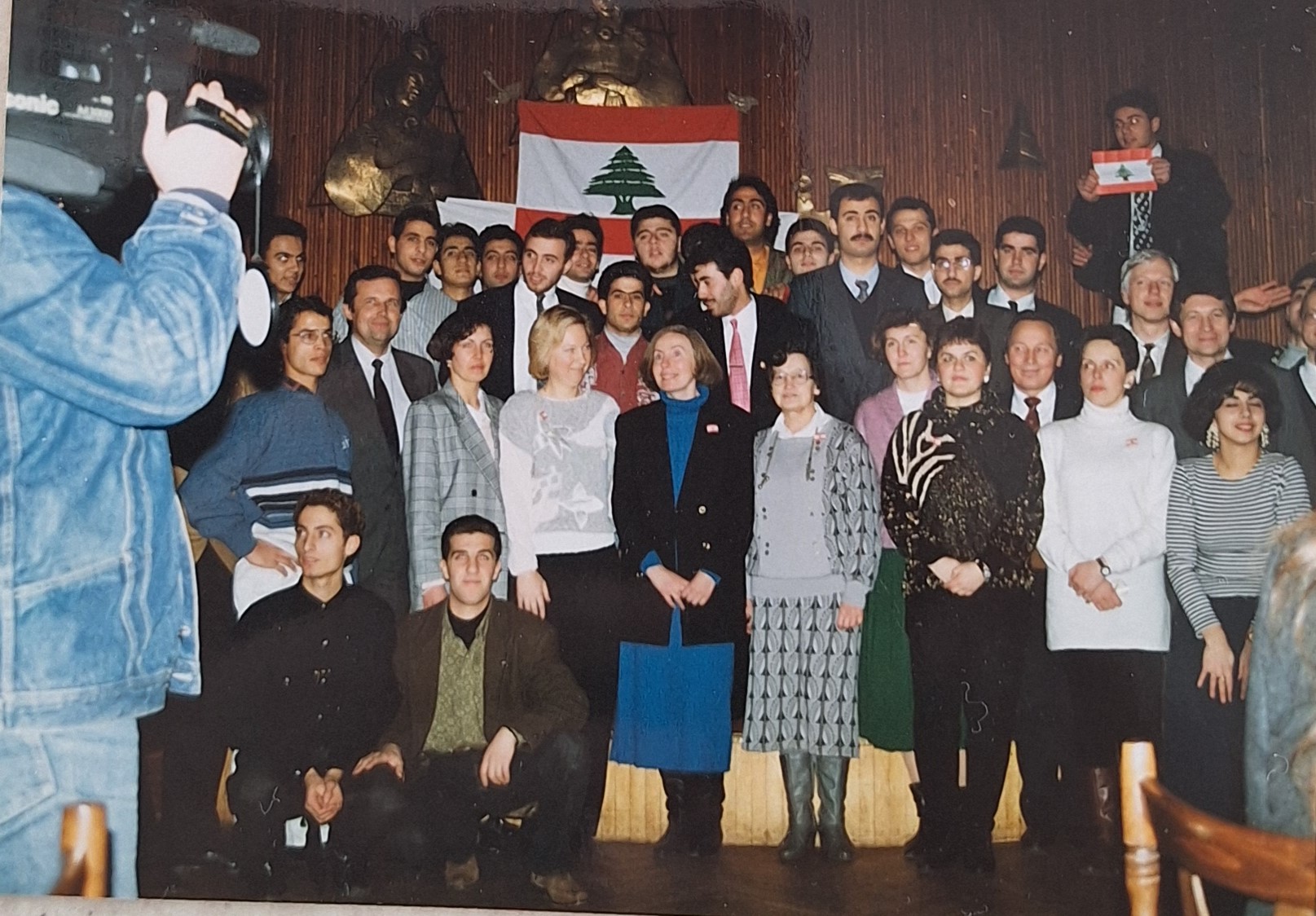
The LSMU Alumni Association is sharing memories of a significant milestone in the history of the Lithuanian University of Health Sciences (LSMU) – the graduation of the University’s first cohort of international students three decades ago.
In the spring of 1996, 15 students from the Faculty of Medicine and 9 students from the Faculty of Pharmacy were handed their diplomas by the then Rector, Prof. Habil. Dr Vilius Grabauskas. This remarkable 30th anniversary provides an opportunity to reflect on those memorable days and on the arrival of international students at the University as well as further professional lives of the Lebanese LSMU alumni.
The first international students from Lebanon arrived at LSMU in November 1990. This was an entirely new and unusual development not only for LSMU, then known as the Kaunas Medical Academy, but also for the city of Kaunas itself. During the Soviet occupation, Kaunas was regarded as a rather insular city. Foreign visitors were rare and usually arrived only as part of organised tourist groups. The idea of international students studying in Lithuania would have seemed unimaginable.
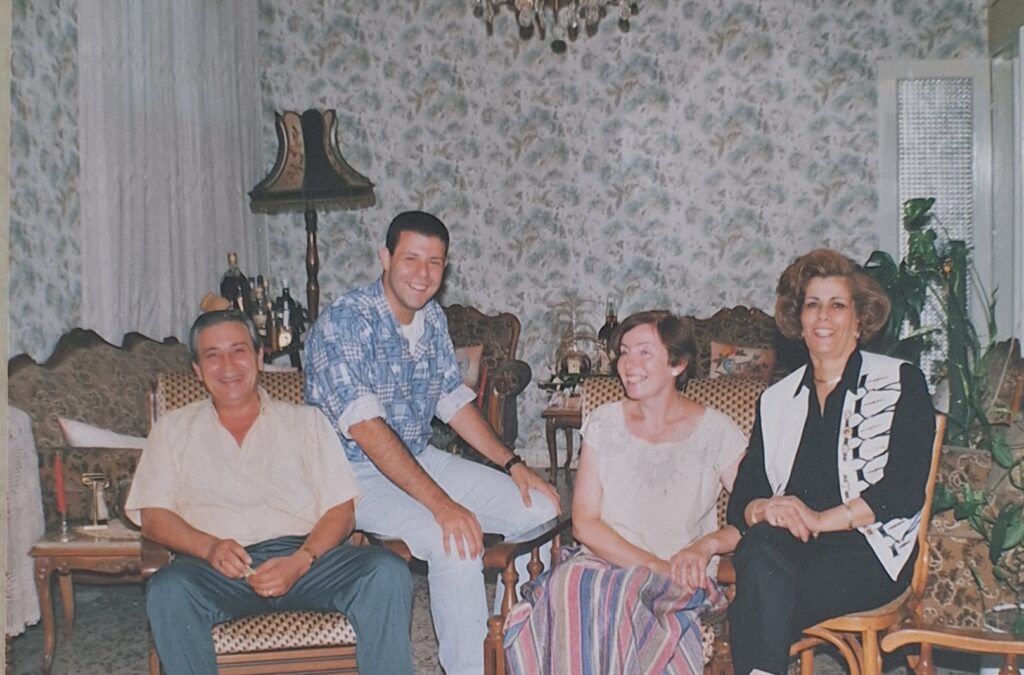
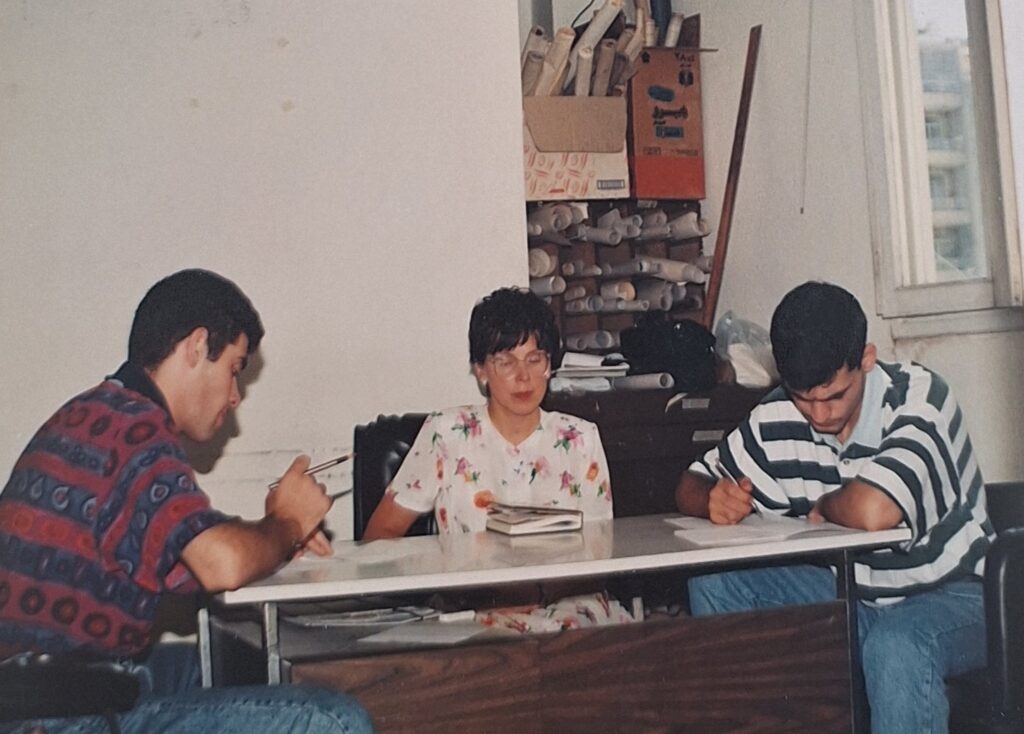
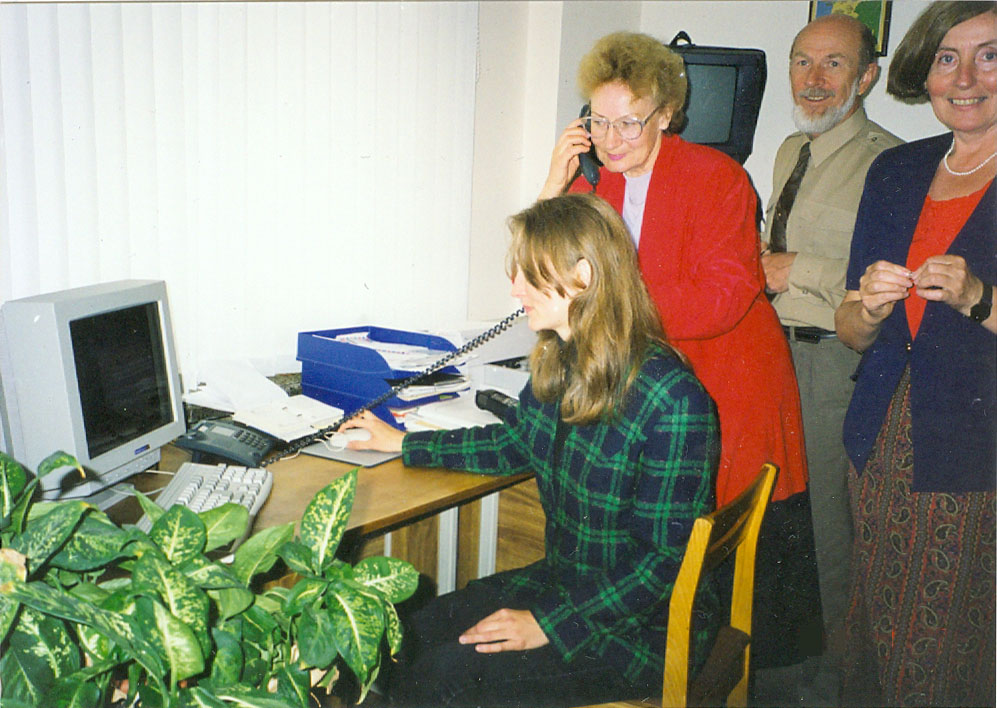
The first agreement was signed on 12 October 1990 by Professor Rimvydas Stasys Stropus, then Vice-Rector for Studies, signed a contract with Geabrel Geara, the Lebanese Consul in Moscow. Although the agreement was formally concluded with the Lebanese Consulate in Moscow, its preamble referred to the private company B.P. TRA S.A.R.L., which had been authorised to facilitate the students’ arrival in Kaunas.
On 19 December 1990, the then Rector, Professor Antanas Praškevičius, signed a second agreement with another Lebanese private company, MIDLINE. Under this agreement, Lebanese students would be admitted from the 1991–1992 academic year onwards.
These two agreements are now part of the University’s history. They opened a new chapter in its development and contributed significantly to its international recognition and reputation.
Shortly after the first agreement was signed, 21 students arrived, catching the departments of the Kaunas Medical Academy somewhat by surprise.
Although the University had committed itself to delivering programmes in English, the departments and the library lacked textbooks in English, and only a small number of lecturers possessed a strong command of English. Those teaching first-year students had virtually no time to prepare for the new challenge.
The students themselves also differed from what staff had previously encountered. They were pro-active, assertive, confident and outspoken.
There had been no previous experience of organising international studies programmes in Lithuania. The University sought to act in its own best interests, protect its reputation and rely on sound judgement. The initiative was highly innovative for its time, and for many years LSMU has remained the clear leader in international medical education within the Baltic region.
In 1990 there were no international flights to Lithuania. The first students would typically fly to Minsk and then travel by train or coach to Vilnius or Kaunas. They would receive their visas at the Lithuanian border. The very first students even arrived with Soviet Union visas.
Travel logistics were not the only challenge. It gradually became clear that LSMU was not included on many internationally recognised lists of accredited universities and study programmes. Institutions from most Soviet republics were listed, but not those from the Baltic States.
This created a significant obstacle to attracting students from a wider range of countries and caused understandable concern among students.
Fortunately, Lebanon belonged to a group of countries that required foreign-trained doctors and pharmacists to pass a professional examination known as a colloquium. Graduates were eligible to sit the examination if their university appeared in the World Health Organization’s World Directory of Medical Schools. In Lebanon, therefore, the issue of formal recognition was resolved in LSMU’s favour.
The examination had a reputation for being extremely difficult to pass at the first attempt. Yet LSMU graduates achieved remarkable success, with the overwhelming majority passing on their first sitting. It was a tremendous achievement for the students, the University and its academic staff.
Lecturers who were able to teach equally effectively in both Lithuanian and English were a genuine intellectual asset. They worked with great dedication while upholding the traditions and academic culture of the University.
Where are the first international alumni who received their diplomas from their Lithuanian Alma Mater 30 years ago? Perhaps the most remarkable aspect of this story is that all 15 medical graduates were traced, despite the passage of three decades, allowing the University to learn about their professional careers. Three graduates chose obstetrics and gynaecology and completed their residency training in Kaunas. Badri Al-Aawar and Habib Barakat now work in Lebanon. Habib Barakat’s son studied medicine at LSMU and graduated in 2024. George Haroun worked in Lebanon for a period and now practises in the United Kingdom.
Elia Abdel Massih and Monique Zhgeib became paediatricians and work in Lebanon. Roland Moufarrege is an endocrinologist, while Johny Ibrahim specialises in sports medicine and rehabilitation in Beirut. Tony Nassar pursued a career in plastic and reconstructive surgery and now works internationally in Beirut, Dubai and Oman. He has even earned a reputation as a “doctor to celebrities”.
Ziad El Ngheioui is a radiologist at the American University of Beirut Medical Centre. Bernard Kfoury holds dual specialisations in internal medicine and forensic medicine. Ayoub Elias and Natali Mehawej practise as general practitioners.
Hani Tawk works in Australia. After obtaining a doctoral degree and specialist qualification in infectious diseases from the University of Sydney, he now works in a university hospital, teaches students and has authored scientific publications.
Zahi Sinarahme is an abdominal surgeon at Nantes University Hospital in France. His eldest son also graduated from LSMU in 2022.
Fady Tohme has been a licensed family physician in the United States since 2004 and currently works at Meritus Health Hospital in Hagerstown, Maryland.
The same year, 1996, was also marked by the graduation of nine Lebanese students who had entered the Faculty of Pharmacy in 1991. All 9 continue to work in the profession: 7 in Lebanon and 2 in France. Mohamad Chamsin has owned a pharmacy bearing his name since 1996 and represents or manages several pharmaceutical companies. Pascal Hadathy continues the family business, running and expanding his father’s pharmacy. Nawfal Nawfal and Ziad Bassile also own private pharmacies.
Rima Zoughaib manages a pharmaceutical company, while her twin sister Abir Zoughaib runs a pharmacy. Rawya El Ayoubi works with non-governmental organisations in Lebanon. Sana Shouayb and Jean Hindi live and work in France.
The first student who had begun his studies in English also graduated in the year 1996. Bassam Seryani arrived with the first group of students in 1990 and initially joined the Faculty of Medicine. Within a year he had mastered Lithuanian, transferred to a Lithuanian-language group and graduated from the Faculty of Dentistry in 1995. At the time, the early stages of the Medicine and Dentistry programmes were sufficiently similar to allow such a transfer without any loss of study time.
Reading patients’ testimonials about the former students and learning about their achievements is indeed rewarding. It is particularly uplifting to see that they remained committed to healthcare, pursued a wide variety of specialisations, and built careers not only in Lebanon but across the world. So many success stories. So many occasions to remember. So many opportunities to remember how it all began.
2,364 international students, including 368 Lebanese graduates (15.6%) graduated from LSMU to date. The first Lebanese students, who arrived from a country affected by war, deserve special recognition. Most were undeterred by uncertainty and concerns about the recognition of their qualifications. They actively supported Lithuania during the events of January 1991 in Vilnius, endured the hardships of the blockade period and became ambassadors for Lithuania and LSMU around the world.
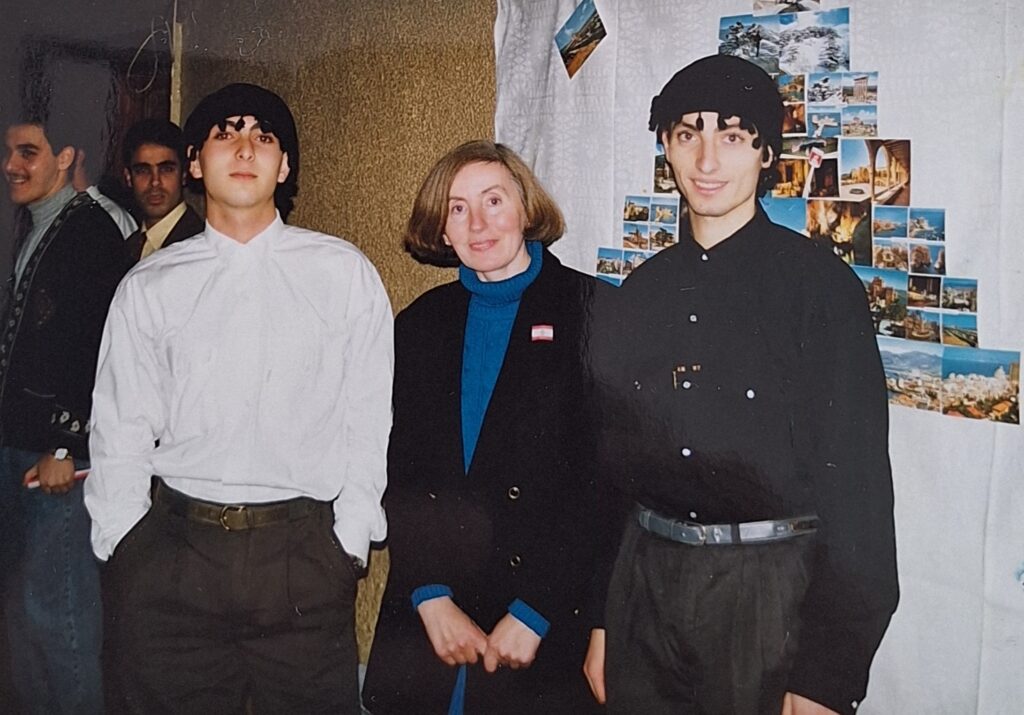
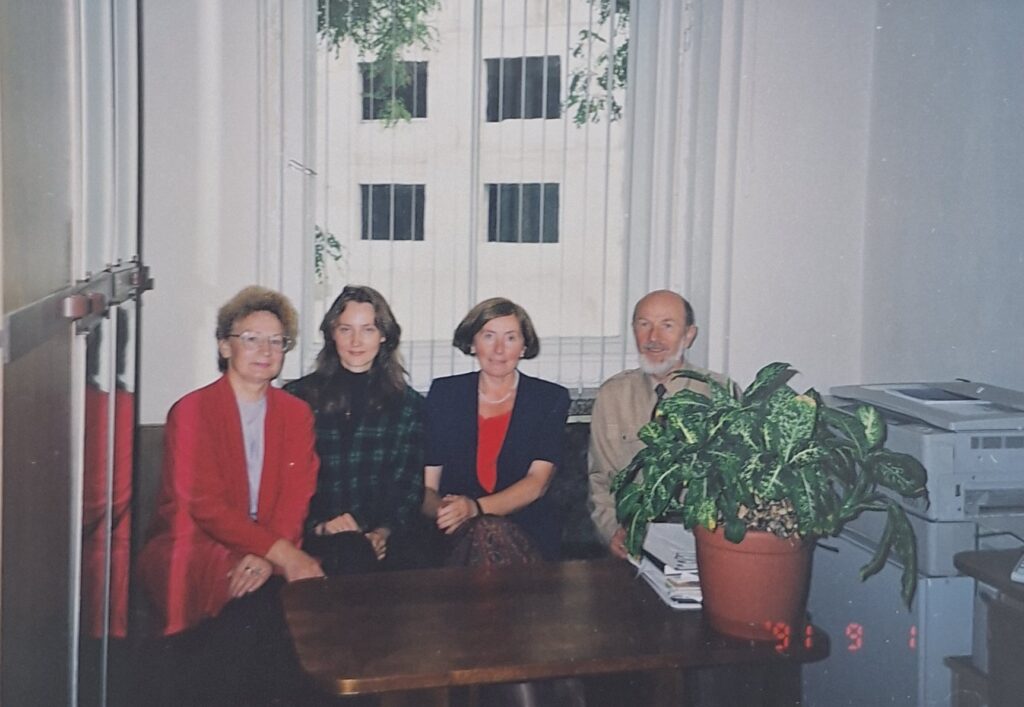
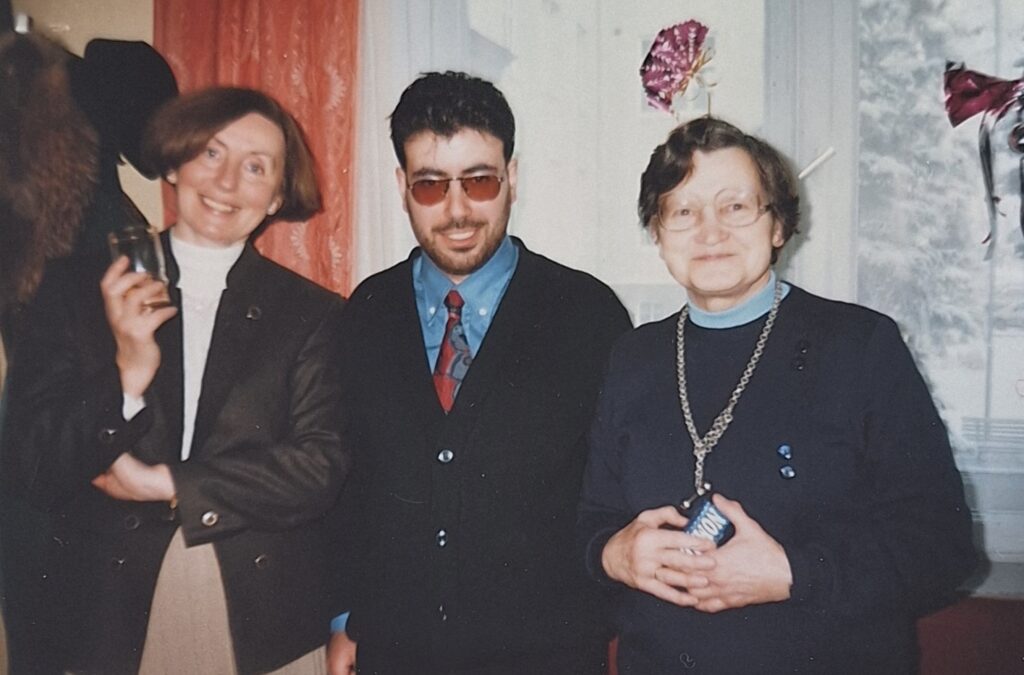
Prof. Habil. Dr Angelija Valančiūtė, Professor Emerita of LSMU and Vice-President of the LSMU Alumni Association
BackRecent articles